
What Are the Health Benefits of Water Sports?

Water sports offer a variety of health benefits that contribute to overall well-being.
Whether you're gliding across a lake on a wakeboard, paddling in a canoe, or swimming laps in a pool, engaging in water sports can enhance your physical fitness and mental health.
In this article, we will explore the numerous benefits of water sports, focusing on their impact on cardiovascular health, muscle strength, mental well-being, and more.
Why Water Sports Are a Great Choice for Fitness
Water sports are not only enjoyable but also provide a comprehensive workout that addresses multiple aspects of fitness.
The unique environment of water offers a refreshing alternative to traditional land-based exercises. By engaging in activities like swimming, kayaking, or paddleboarding, individuals can experience a full-body workout that combines strength training, cardiovascular exercise, and flexibility.
This versatility makes water sports an excellent choice for those looking to diversify their fitness routine and reap the benefits of a low-impact, high-efficiency workout.
Cardiovascular Health
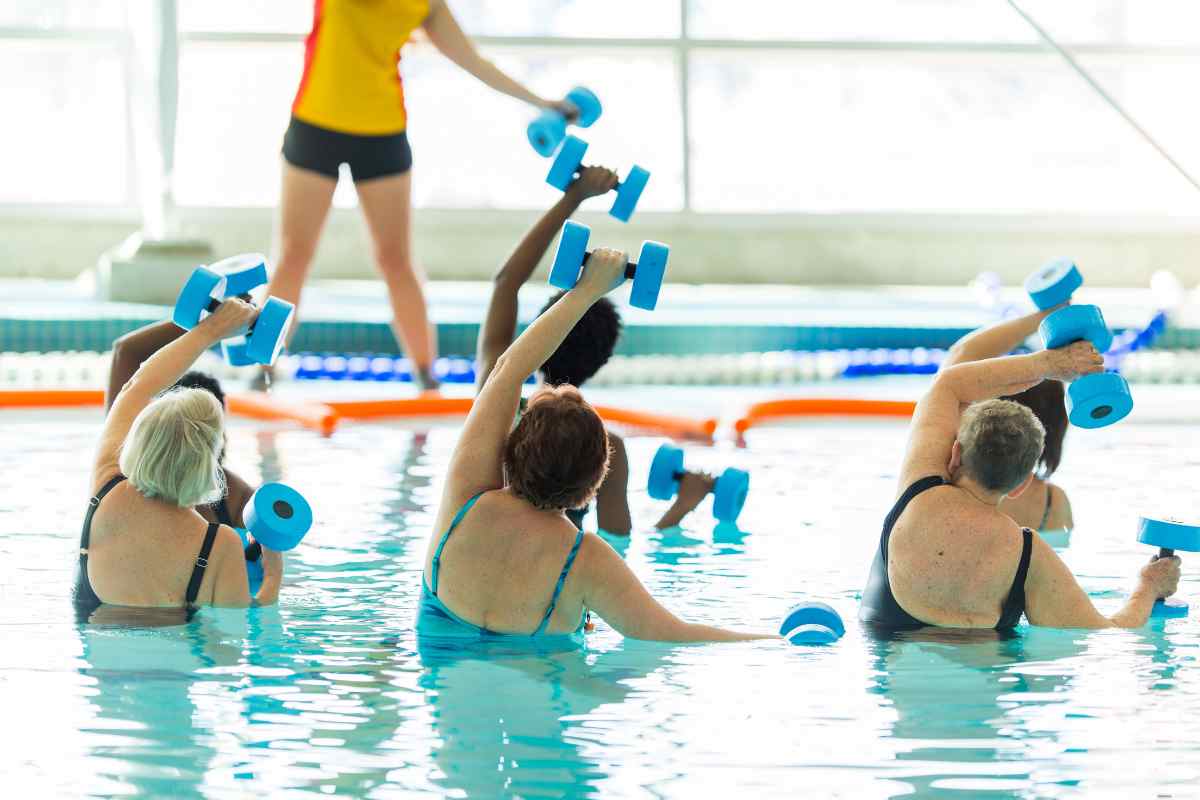
One of the most significant health benefits of water sports is their positive impact on cardiovascular health. Activities like swimming, kayaking, and water aerobics provide an excellent aerobic workout.
These exercises elevate your heart rate and improve circulation, which strengthens the heart and lungs.
Improved Heart Function
Water sports engage multiple muscle groups, leading to increased heart rate and enhanced blood flow.
Regular participation in these activities helps lower blood pressure and reduces the risk of cardiovascular diseases. Swimming, in particular, is known for its ability to improve heart function without putting excessive strain on the joints.
Enhanced Endurance
Engaging in water sports regularly can also increase your stamina and endurance. The resistance of water provides a natural form of resistance training, challenging your cardiovascular system and boosting your overall fitness levels.
Muscle Strength and Flexibility

Water sports are also effective in building muscle strength and improving flexibility. The resistance of water provides a unique environment for strength training, making it easier on the joints while still delivering a robust workout.
Full-Body Workout
Water sports often involve full-body movements, which work out different muscle groups simultaneously.
For example, swimming engages the upper body, lower body, and core muscles. Paddling in a canoe or kayak also strengthens the arms, shoulders, and back. This comprehensive workout helps build muscle strength and tone the body.
Improved Flexibility
In addition to strength, water sports can enhance flexibility. Activities like water aerobics or aqua yoga involve stretching and moving through a range of motions that improve joint flexibility.
The buoyancy of water reduces the risk of injury and allows for a greater range of movement.
Mental Health Benefits

The mental health benefits of water sports are just as important as the physical advantages.
Engaging in these activities can help reduce stress, anxiety, and depression, contributing to a more balanced and positive mental state.
Stress Relief
Spending time in the water has a calming effect on the mind. The soothing nature of water, combined with physical activity, promotes relaxation and reduces stress levels.
Swimming, for instance, can be a meditative experience that helps clear the mind and improve mood.
Enhanced Cognitive Function
Participating in water sports can also boost cognitive function. The combination of physical exertion and the need for strategic thinking, especially in sports like sailing or rowing, enhances brain function and improves mental clarity.
Social Interaction

Many water sports are social activities that provide opportunities for interaction and building relationships.
Whether you're joining a swim team, participating in a group water aerobics class, or engaging in a friendly kayaking competition, water sports encourage social engagement.
Building Community
Joining a water sports team or club fosters a sense of community and belonging. Engaging in these activities with others can lead to lasting friendships and a strong support network.
The shared experience of training and competing in water sports creates a sense of camaraderie and teamwork.
Family Bonding
Water sports are also great for family bonding. Activities like family swimming outings or kayaking trips provide quality time together and promote a healthy lifestyle for all family members.
These shared experiences create lasting memories and strengthen family relationships.
Weight Management

Water sports can play a significant role in weight management and overall fitness. The combination of cardiovascular exercise and strength training helps burn calories and maintain a healthy weight.
Effective Calorie Burn
Water sports are highly effective in burning calories. Swimming, for example, can burn up to 500 calories per hour, depending on the intensity.
The resistance of water adds an extra challenge, making these activities efficient for weight loss and maintaining a healthy body composition.
Low-Impact Exercise
One of the key advantages of water sports is their low-impact nature. The buoyancy of water reduces the stress on joints and muscles, making these activities suitable for individuals with joint issues or those recovering from injuries.
This low-impact aspect allows for longer and more frequent exercise sessions, contributing to better weight management.
Rehabilitation and Injury Prevention

Water sports are often used in rehabilitation programs and injury prevention strategies due to their gentle impact and resistance properties.
Rehabilitation Benefits
Water therapy is a common rehabilitation method for individuals recovering from injuries or surgeries.
The buoyancy of water supports the body and reduces the load on injured areas, allowing for safe and effective rehabilitation exercises. Activities like aqua therapy help improve strength, flexibility, and range of motion without putting excessive strain on the body.
Injury Prevention
Participating in water sports can also help prevent injuries. The resistance training provided by water helps strengthen muscles and improve joint stability.
This increased strength and flexibility reduce the risk of injuries during other physical activities or sports.
Conclusion
In summary, the health benefits of water sports are extensive and diverse. From enhancing cardiovascular health and building muscle strength to improving mental well-being and fostering social connections, water sports offer a holistic approach to fitness and wellness.
Incorporating water sports into your routine can lead to a healthier, happier, and more active lifestyle. So, dive in and enjoy the many advantages that water sports have to offer!
Did you find this post useful or inspiring? Save THIS PIN for later in your Outdoor Board on Pinterest! 😊

Explore these outdoor tips too