
What to Do if You Get Lost While Camping
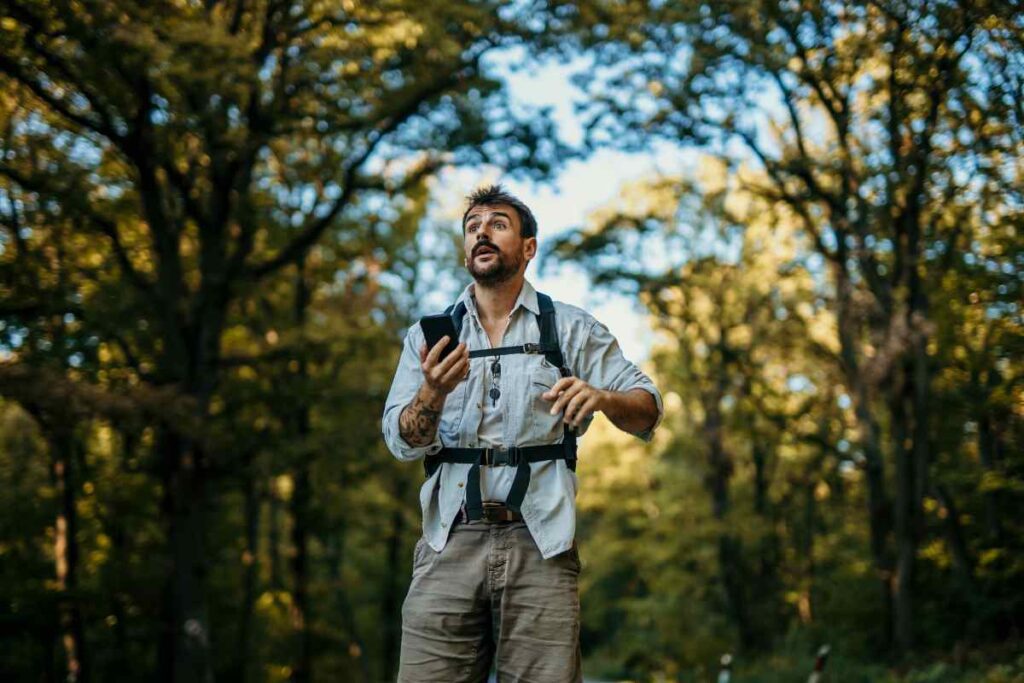
Camping is an incredible way to reconnect with nature, but even seasoned adventurers can find themselves disoriented in unfamiliar terrain.
Getting lost while camping is a situation no one wants to experience, but knowing how to handle it can make all the difference.
In this guide, we will cover essential tips and strategies to help you stay safe and find your way back to camp.
Lost While Camping: Immediate Steps to Take
If you realize that you're lost while camping, the first thing to do is to stay calm. Panic can cloud your judgment and lead to poor decisions.
Instead, follow these immediate steps:
1. Stop, Think, Observe, and Plan (STOP)
When you first notice you're lost, STOP what you're doing. Sit down, take a deep breath, and think about your situation.
Observe your surroundings, noting any landmarks or trails that might help you reorient yourself. Plan your next steps before moving in any direction.
2. Stay Put
If you're truly lost and unsure of where you are, the best course of action is often to stay put.
Moving around without a clear plan can lead you deeper into the wilderness and make it harder for rescuers to find you.
Staying in one place increases your chances of being found.
3. Signal for Help
If you have a whistle, blow it in sets of three—the universal distress signal. If you have a flashlight or mirror, use it to signal aircraft or people in the distance.
Creating visible signals, such as arranging rocks or branches in an obvious pattern, can also help rescuers spot you from the air.
4. Assess Your Supplies
Take inventory of the supplies you have with you. Knowing what you have will help you plan how long you can stay in one spot and what you might need to ration.
Water and shelter should be your top priorities, followed by food.
5. Make a Shelter
If you expect to be outside overnight, you'll need to create a shelter. Use any available materials like tarps, ponchos, or natural resources like branches and leaves.
Your shelter should be in a visible location but also protected from the elements.
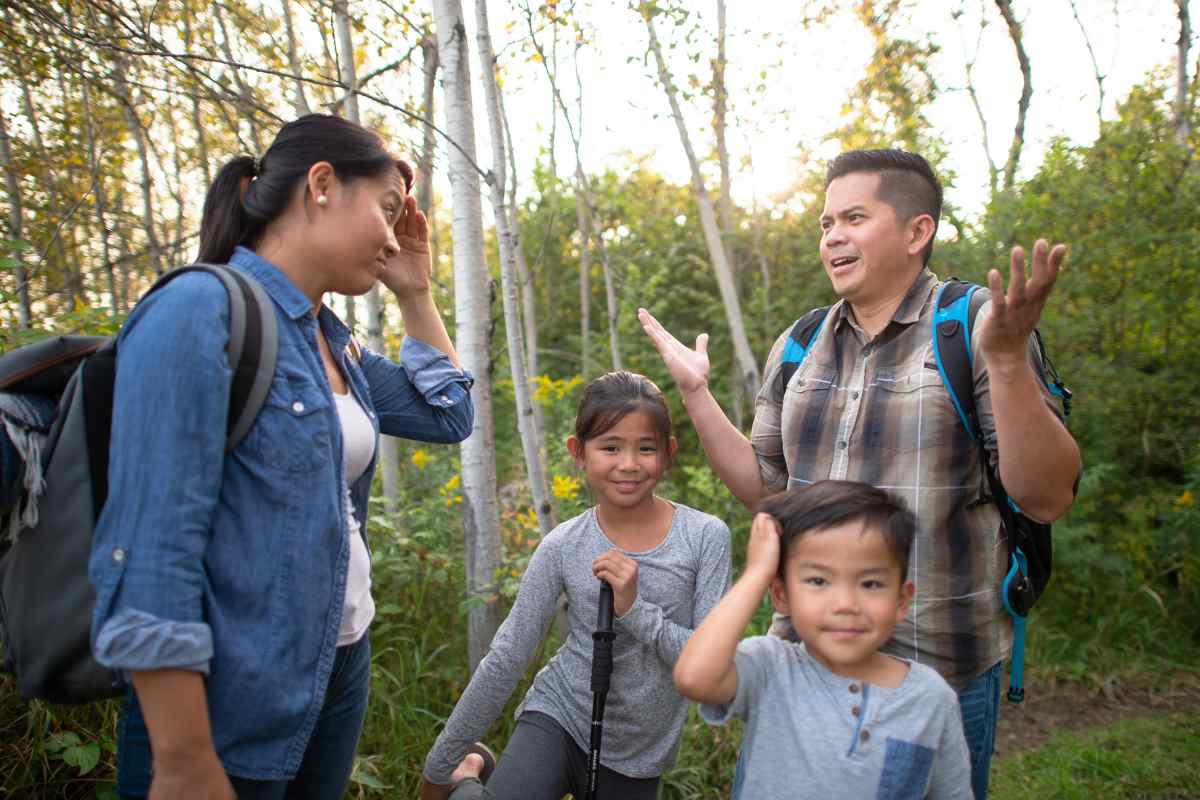
Navigation Tips When Lost While Camping
If you feel confident in your ability to navigate, you may decide to move in search of familiar landmarks or trails.
Here are some navigation tips to keep in mind:
1. Use a Compass or GPS
If you have a compass or GPS device, now is the time to use it. A compass can help you determine your general direction, while a GPS can provide more detailed information.
Make sure to conserve battery life if you're using a GPS by turning it off when not in use.
2. Follow Water Sources
Streams and rivers can often lead to civilization or at least provide a consistent direction to follow.
If you come across a water source, consider following it downstream, but be cautious of rugged terrain and potential hazards.
3. Mark Your Path
As you move, mark your path by tying ribbons to trees, stacking stones, or leaving other noticeable markers.
This will help you keep track of where you've been and avoid walking in circles.
4. Use Natural Landmarks
Pay attention to natural landmarks such as mountains, ridges, or distinctive trees.
These can help you maintain a sense of direction and provide points of reference as you navigate.
5. Move with Caution
If you decide to move, do so with caution. Move slowly and deliberately, keeping an eye out for any potential dangers such as cliffs, unstable ground, or wildlife.
Avoid making rash decisions or traveling too far in one direction without a clear plan.

Staying Safe and Maintaining Morale
Being lost while camping can be a stressful experience, but maintaining a positive mindset is crucial for your survival.
Here are some tips for staying safe and keeping your morale up:
1. Stay Warm and Dry
Hypothermia is a significant risk, especially if you get wet or temperatures drop at night.
Stay warm and dry by layering your clothing and keeping your shelter insulated. If you have a fire starter, build a fire to keep warm and signal rescuers.
2. Ration Your Food and Water
While finding food in the wild is possible, it's not easy and should not be relied upon.
Ration your food and water carefully to make them last as long as possible.
If you run out of water, look for natural sources like streams or lakes, and if possible, purify the water before drinking.
3. Stay Positive
Your mental state can significantly impact your chances of survival.
Stay positive by reminding yourself that rescue is likely on the way. Keep yourself busy by maintaining your shelter, gathering firewood, or creating signals.
Positive thinking and staying busy can help keep fear and panic at bay.
4. Entertain Yourself
If you expect to be lost for an extended period, find ways to entertain yourself to keep your spirits up.
Singing, telling stories, or even counting the items in your pack can help pass the time and keep your mind off your predicament.
5. Practice Patience
Rescue can take time, so it's important to practice patience. Stay in one place if you've decided not to navigate, and focus on conserving your energy.
Every action you take should be deliberate and thoughtful, to stay safe until help arrives.
When and How to Move On
If you've been lost for more than a day and there's still no sign of rescue, you might need to consider moving on.
Here’s how to decide when and how to move on:
1. Evaluate Your Situation
Consider your current situation—do you have enough supplies to last a few more days? Is the weather turning worse?
If you’re running out of options, it might be time to try to find your way back.
2. Choose the Right Time to Move
If you decide to move, choose the right time to do so. Daylight hours are best for navigating unfamiliar terrain.
Avoid traveling at dawn, dusk, or night when visibility is low and risks are higher.
3. Look for Signs of Civilization
As you move, keep an eye out for signs of civilization such as roads, power lines, or fences.
Even small signs of human activity can lead you back to safety.
4. Keep Track of Your Direction
Make sure you keep track of your direction as you move. Use the sun, your compass, or GPS to ensure you're moving in a consistent direction and not inadvertently doubling back.
5. Prepare for the Worst
Even as you move, continue to be prepared for the possibility that you may not find your way out immediately.
Keep your shelter-building skills sharp, conserve your resources, and continue signaling for help.
Final Thoughts on Staying Safe When Lost While Camping
Getting lost while camping can be a daunting experience, but with the right knowledge and mindset, you can increase your chances of survival and rescue.
Remember to stay calm, assess your situation, and make well-informed decisions. Whether you choose to stay put or move, your priority should always be safety.
With preparation and confidence, you can turn a potentially dangerous situation into a manageable challenge.
Did you find this post useful or inspiring? Save THIS PIN for later in your Outdoor Board on Pinterest! 😊
Explore these outdoor tips too