
Why Every Family Should Try Camping at Least Once
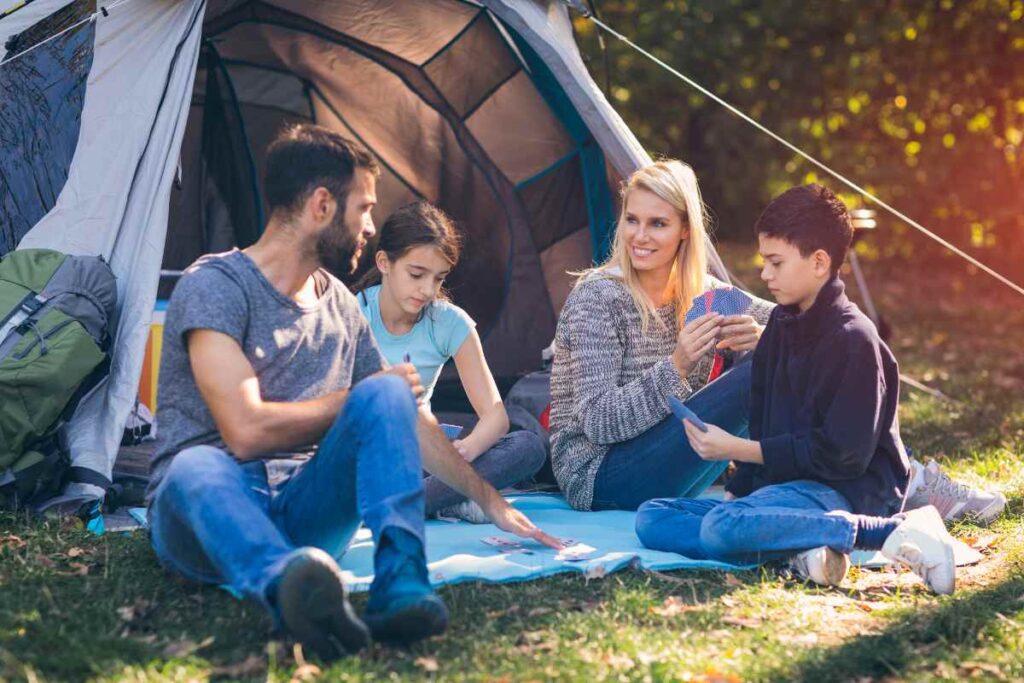
Camping is more than just a getaway; it's an experience that can bring families closer together in ways that few other activities can.
Every family should try camping at least once to discover the numerous benefits it offers. From fostering a deeper connection with nature to building stronger familial bonds, camping has something for everyone.
In this post, we will explore why camping is a must-try for every family and how it can enhance your life.
Reconnecting with Nature
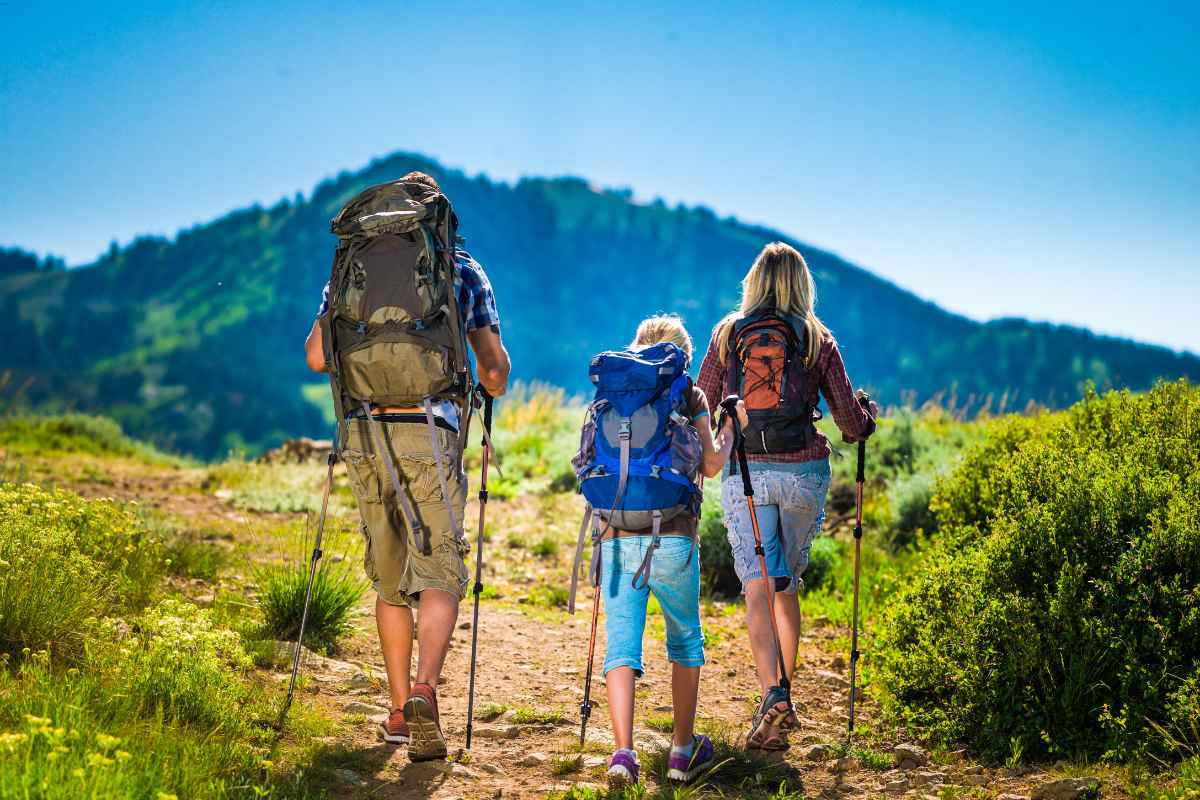
One of the most compelling reasons to go camping is the opportunity to reconnect with nature. In our modern, fast-paced lives, we often lose touch with the natural world around us.
Camping allows families to immerse themselves in the beauty of the outdoors, breathing fresh air, and witnessing stunning landscapes.
Imagine waking up to the sound of birds chirping, the smell of pine trees, and the sight of a sunrise over a serene lake.
These experiences can be both humbling and invigorating, reminding us of the simple pleasures in life that we often overlook.
Benefits for Mental Health
Spending time in nature has been scientifically proven to have numerous mental health benefits. It reduces stress, anxiety, and depression while boosting mood and overall well-being.
For children, in particular, camping can be a fantastic way to reduce screen time and encourage outdoor play, which is crucial for their physical and mental development.
Educational Opportunities
Camping also provides countless educational opportunities. Children can learn about different plants, animals, and ecosystems, fostering a sense of curiosity and appreciation for the environment.
Families can engage in activities such as hiking, fishing, and bird watching, which are not only fun but also educational.
Strengthening Family Bonds
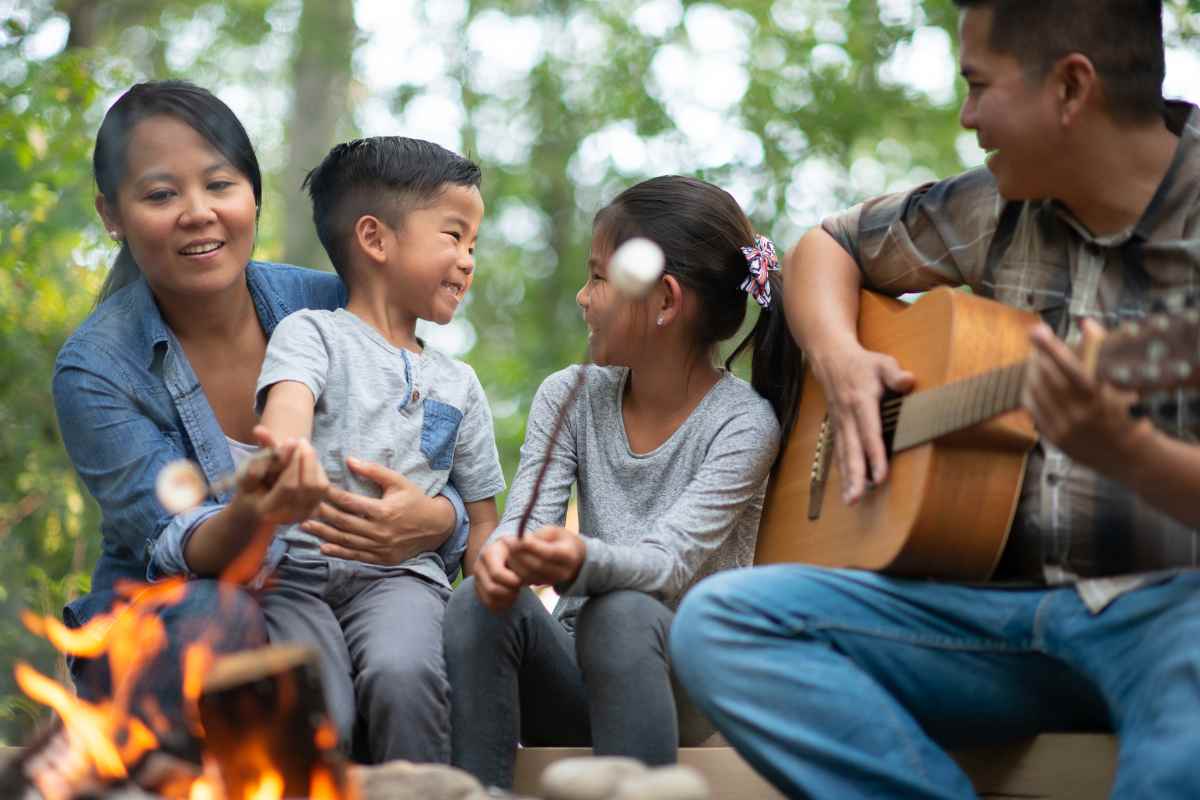
Camping is an excellent way for families to spend quality time together, away from the distractions of everyday life.
Without the constant pull of technology and daily routines, families can focus on each other and create lasting memories.
Teamwork and Cooperation
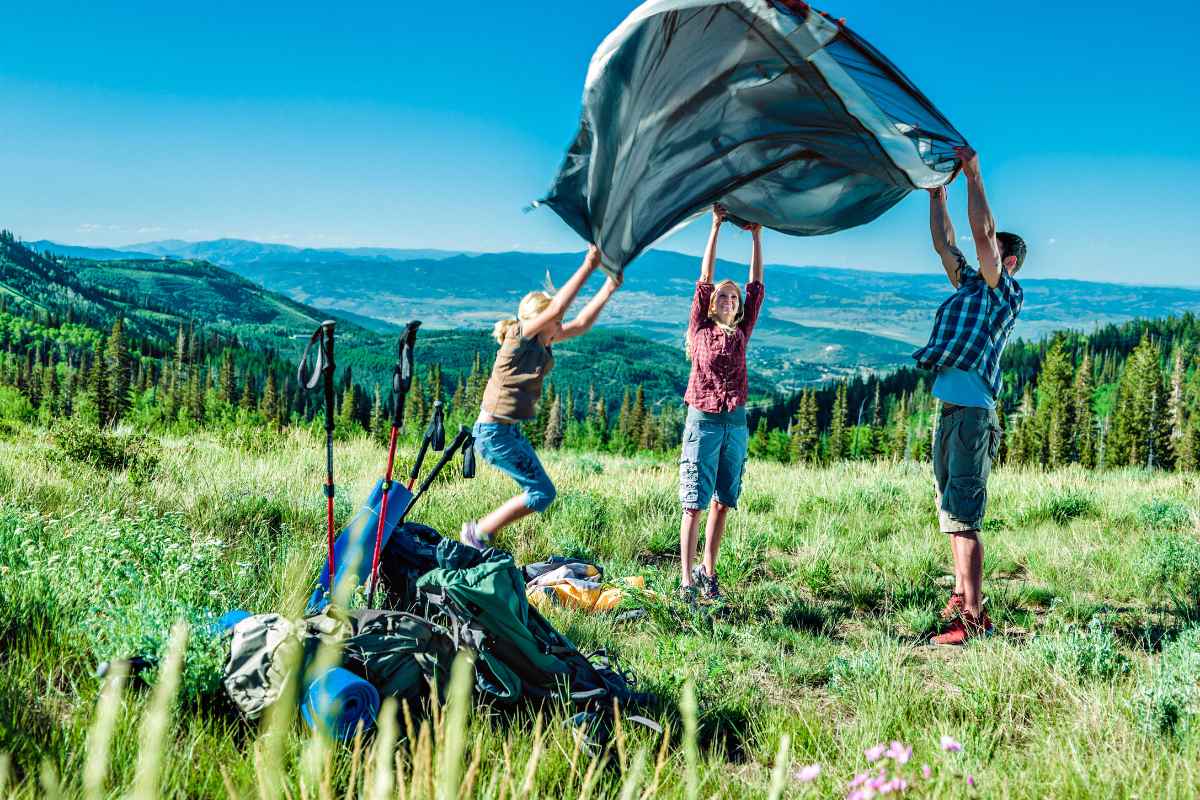
Setting up a campsite, cooking meals over a fire, and navigating trails require teamwork and cooperation.
These activities can help family members learn to communicate better, work together, and appreciate each other's strengths.
Camping encourages a sense of shared responsibility and collaboration, which can strengthen familial bonds.
Creating Lasting Memories
The unique experiences shared during a camping trip can become cherished memories that families talk about for years.
Whether it's telling stories around the campfire, roasting marshmallows, or gazing at the stars, these moments are priceless. They provide a sense of adventure and novelty that is often missing in our daily lives.
Developing New Skills
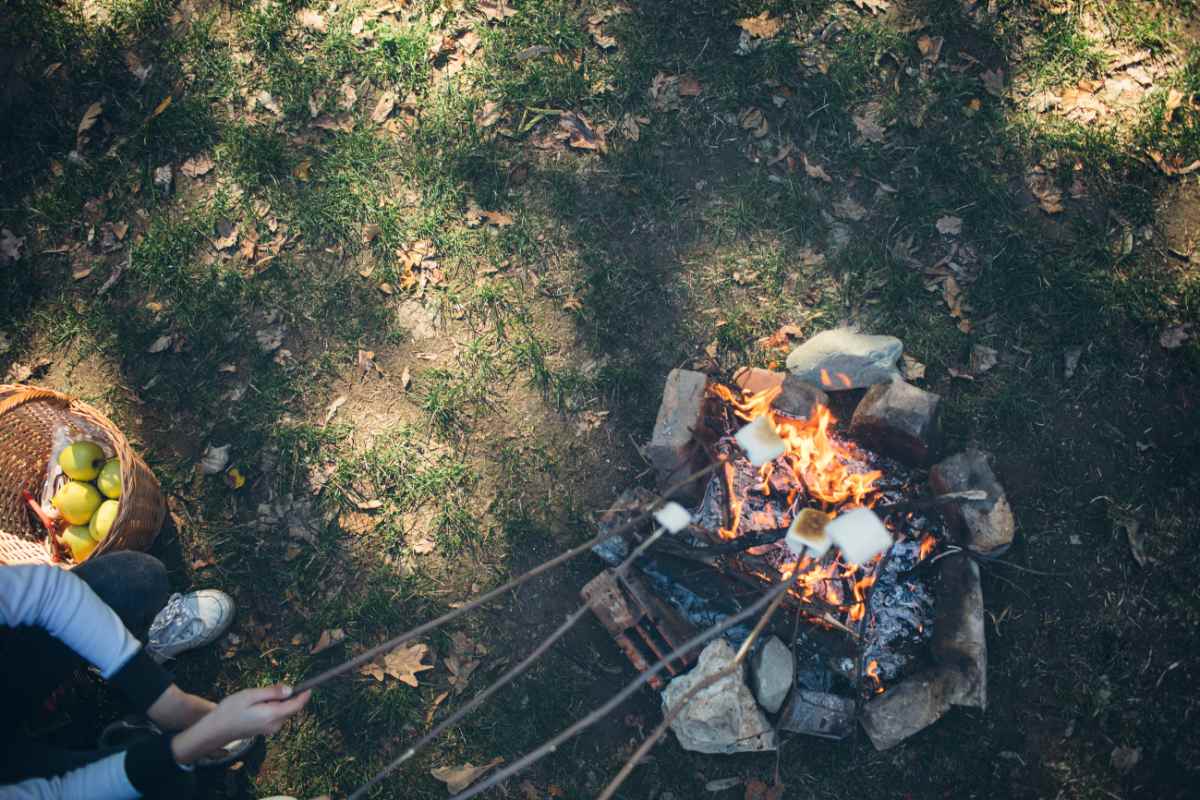
Camping is a fantastic opportunity for families to learn and develop new skills.
From basic survival skills to advanced outdoor techniques, camping offers a hands-on learning environment that is both practical and enjoyable.
Survival Skills
Learning how to build a fire, set up a tent, or find your way using a map and compass are valuable skills that can boost confidence and self-reliance.
These skills are not only useful in the wild but can also be empowering in everyday life.
Cooking and Nutrition
Cooking meals over a campfire or portable stove can be a fun and educational experience. It teaches children about nutrition, food preparation, and the importance of sharing meals.
Families can experiment with different recipes and enjoy the unique flavors of campfire cooking.
Promoting Physical Activity

Camping naturally encourages physical activity, which is essential for maintaining good health.
From hiking and swimming to playing outdoor games, camping provides plenty of opportunities for exercise.
Outdoor Adventures
Engaging in activities like hiking, biking, and kayaking can help improve cardiovascular health, build muscle strength, and increase endurance.
These activities are also a great way to explore the natural surroundings and discover new places.
Unstructured Play
For children, unstructured play in nature is incredibly beneficial. It promotes creativity, problem-solving skills, and social interactions.
Camping provides a safe and stimulating environment for children to explore and play freely, away from the structured schedules of daily life.
Cost-Effective Vacation

Camping is one of the most affordable vacation options available.
Compared to the cost of hotels, flights, and entertainment, camping can be significantly cheaper, making it accessible to families on a budget.
Affordable Destinations
There are countless camping destinations to choose from, ranging from national parks to local campgrounds. Many of these places offer low-cost or even free camping options.
This affordability allows families to take more frequent trips and explore different locations.
Minimalist Lifestyle
Camping encourages a minimalist lifestyle, where you only bring what you need. This simplicity can be refreshing and help families appreciate the essentials.
It also reduces the pressure to spend money on unnecessary items and activities, focusing instead on enjoying the natural environment and each other's company.
Disconnecting from Technology
In today's digital age, it can be challenging to disconnect from screens and gadgets.
Camping provides a much-needed break from technology, allowing families to be present at the moment and engage with each other more fully.
Digital Detox
A camping trip can serve as a digital detox, helping family members reset their relationship with technology.
Without the constant notifications and distractions of phones and computers, families can have deeper conversations and more meaningful interactions.
Mindfulness and Presence
Being in nature encourages mindfulness and presence. The sights, sounds, and smells of the natural world can ground us and help us appreciate the here and now.
This mindfulness can lead to a greater sense of peace and satisfaction, both during the trip and afterward.
Encouraging Environmental Awareness

Camping helps foster a sense of environmental stewardship. By spending time in nature, families can develop a greater appreciation for the environment and a desire to protect it.
Leave No Trace Principles
Practicing Leave No Trace principles during a camping trip teaches families how to minimize their impact on the environment.
This includes practices such as packing out all trash, respecting wildlife, and staying on designated trails. These principles can be carried over into everyday life, promoting more sustainable habits.
Conservation Education
Many campgrounds and parks offer educational programs on conservation and ecology.
Participating in these programs can enhance understanding of environmental issues and inspire a commitment to protecting natural resources.
Conclusion
In conclusion, every family should try camping at least once. The benefits of reconnecting with nature, strengthening family bonds, developing new skills, promoting physical activity, and encouraging environmental awareness are invaluable.
Camping provides a unique and enriching experience that can create lasting memories and improve overall well-being. So pack your bags, gather your family, and embark on a camping adventure—you won't regret it!
Did you find this post useful or inspiring? Save THIS PIN for later in your Outdoor Board on Pinterest! 😊

Explore these outdoor tips too