
2 EASY Techniques to Create Bonsai for Beginners!


Create Bonsai for Beginners is the perfect starting point if you’ve ever wondered how to make a bonsai at home.
In this quick guide we summarize what you’ll learn from the featured video—mindset, materials, and simple styling—so you can try a safe, rewarding bonsai tree DIY project without feeling overwhelmed.
Create Bonsai for Beginners: First Steps
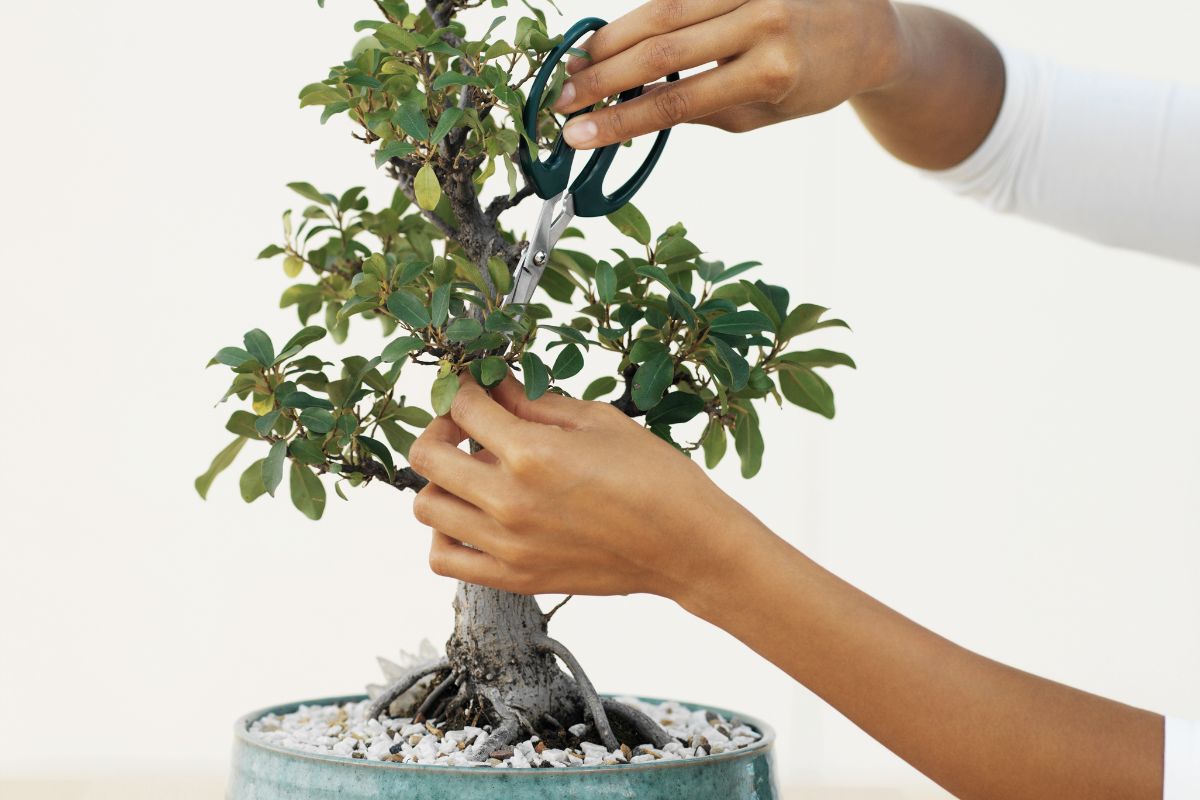 Starting small builds confidence. The video shows that you don’t need rare trees to begin; nursery stock and even houseplants work.
If you’ve asked yourself how to start a bonsai tree, the answer is to pick healthy material, have a clear idea of your future style, and work slowly.
As you watch, note the tools and sequence the creator uses. While we won’t replicate a step-by-step tutorial, you’ll see how thoughtful cuts, patient wiring, and sensible potting lead to strong structure.
This is classic bonsai for beginners: practical decisions that put tree health first.
New to search terms? People often type phrases like “bonsie tree bonsai plants” when they mean beginner projects—don’t worry, this guide covers that curiosity too, pointing you toward clear, correct terms and concepts.
Choosing Material: Types & Easy Winners
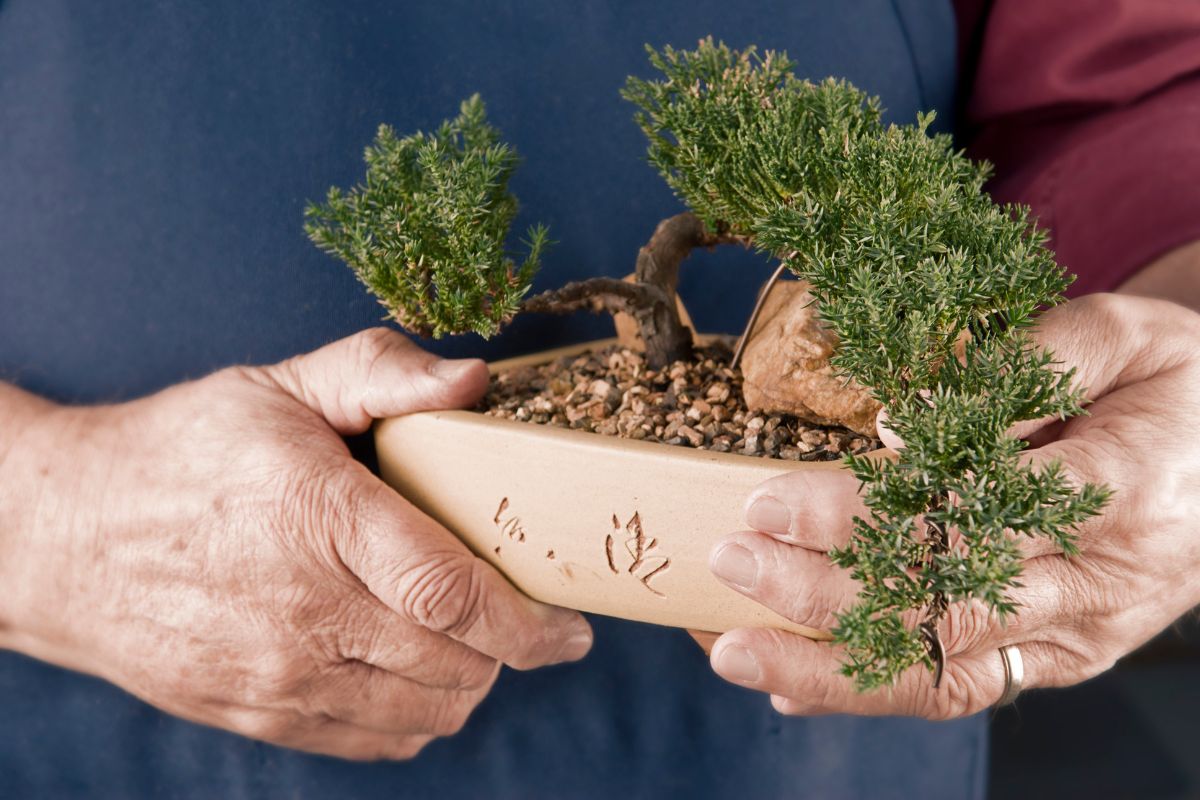 Before styling, consider the types of bonsai trees that suit your climate and care routine. Junipers and ficus are forgiving; deciduous shrubs like boxwood can also be friendly to new growers.
The video exemplifies the idea that the best tree is the one you can keep healthy.
If you love succulents, a jade plant bonsai is tough, fast to recover, and ideal for indoor light. Many viewers ask about jade bonsai for beginners; the key is free-draining soil, gentle wiring, and measured watering.
As you explore, keep a notebook of bonsai ideas you like—tall literati, compact broom, or tree on a rock. Matching species to style will make the work smoother and the result more convincing.
Styling Basics: From Shapes to Structure
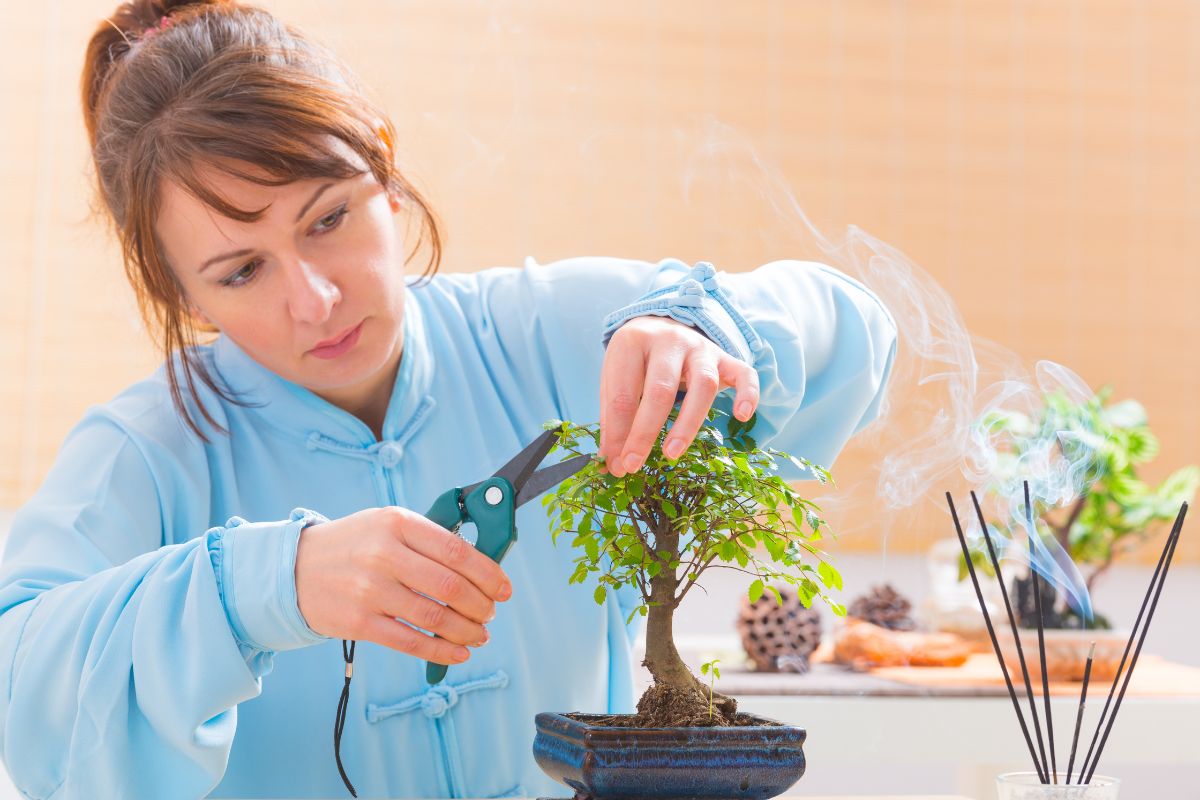 Think in silhouettes before you cut. Classic bonsai shapes include informal upright, slanting, cascade, and broom. The video emphasizes removing what distracts from your chosen line and opening “windows” so light reaches inner buds.
Wire only what you must, and avoid sharp bends that stress the bark. For true beginner bonsai, prioritize a single, clean trunk line and a tapered canopy—refinement comes later with clip-and-grow.
If you’re asking how to grow a bonsai tree that looks mature, build taper by shortening strong top growth and encouraging back-budding lower on the trunk. Small, consistent adjustments beat drastic one-day “makeovers.”
Potting & Soil: Practical Choices
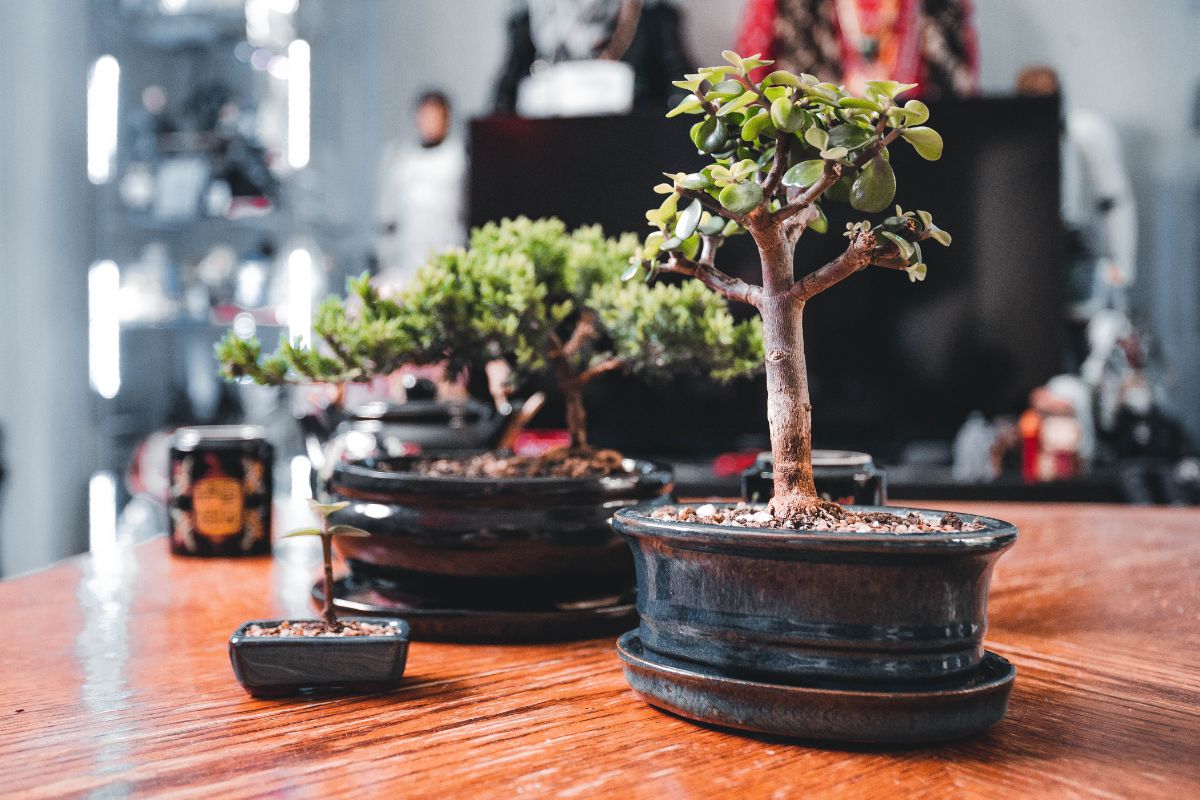 A harmonious container supports both health and design. Jot down your favorite bonsai pots ideas as you watch: oval for soft deciduous lines, rectangles for conifers, unglazed for rugged styles.
Size should allow roots to expand a little without drowning the composition.
When you’re exploring how to make bonsai plants thrive, use a gritty mix with excellent drainage. Repot in the right season for your species, comb the roots gently, and secure the tree firmly so new feeder roots can grow.
Pot selection also nudges your design vocabulary; the container’s color and texture can highlight bark, flowers, or foliage, reinforcing the story your tree tells.
Care Essentials After Styling
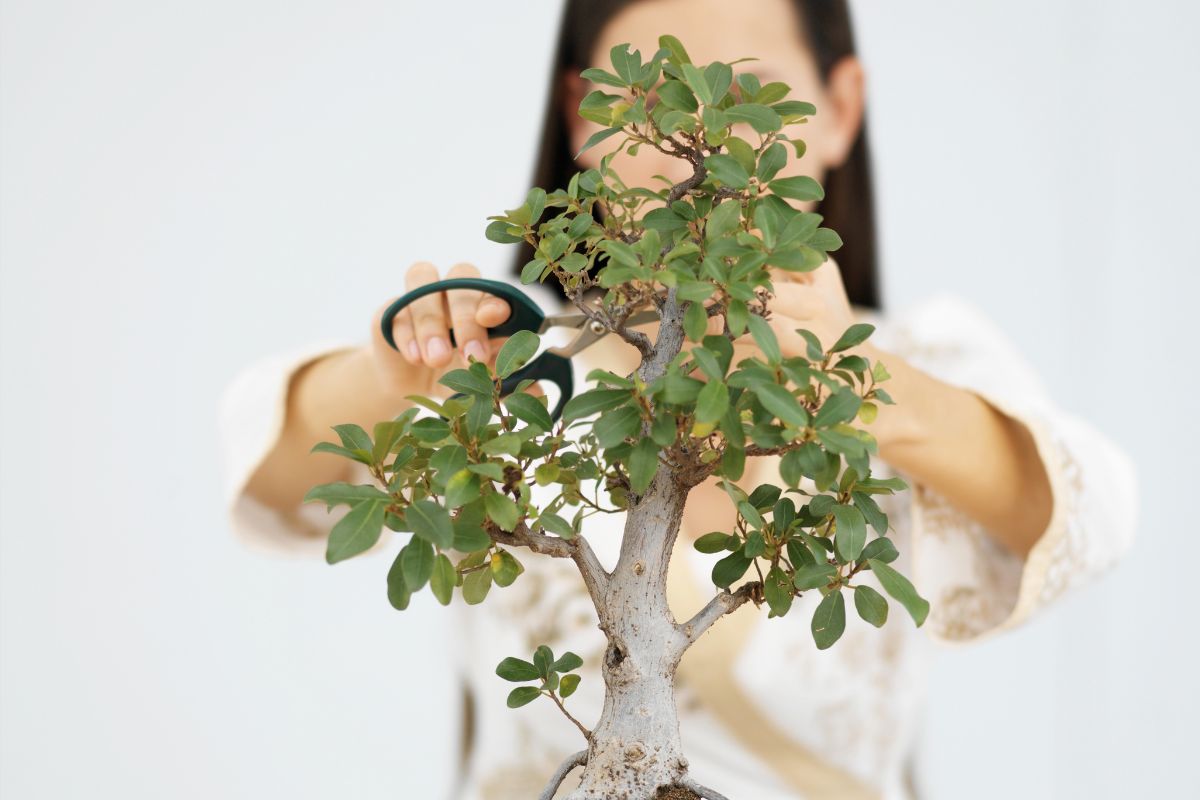 Strong aftercare is the invisible half of success. Provide bright light, protect from scorching midday sun right after work, and water thoroughly when the mix is nearly dry.
If your question is how to make a bonsai that stays healthy, consistency beats intensity.
Feed lightly during active growth, trim long shoots to keep internodes short, and rotate the tree for even development. With patience, your bonsai tree DIY will mature into a refined form you can be proud of.
Quick Species Notes for Starters
Ficus and jade tolerate indoor life and occasional missed waterings; juniper prefers outdoor sun and airflow; elms reward frequent trimming. Choose species that match your space and schedule, then refine techniques as you learn.
Credit & Why This Video Helps
This article summarizes key takeaways from the original YouTube video linked below. All credit for the demonstrated techniques and project belongs to the video’s creator.
We provide a high-level overview—what to watch for, why each decision matters, and how to adapt the ideas safely at home—without reproducing exact steps or proprietary tips.
Enjoy This Video Tutorial About

Source: Gro Bonsai
Don’t forget to Subscribe to our Newsletter to receive amazing tips and tricks about Gardening and the FREE Ebook Green Living Strategies!
Did you find this post Useful or Inspiring? Save THIS PIN to your GARDENING Board on Pinterest! 😊

Once again, thank you for visiting our website!
We hope you've enjoyed exploring the content we've created for you.
Give yourself the chance to learn, get inspired, and have even more fun, keep browsing...
More Gardening Tips 👇🏼👇🏼