
5 Front Yard Flowerbed Ideas That Look Professionally Done


A front yard flowerbed can completely change how your home feels from the street—without needing a full landscaping overhaul. The secret isn’t fancy plants or a huge budget; it’s using a few designer-style tricks that make everything look intentional.
Below are five front yard flowerbed ideas that deliver that “professionally done” look, even if you’re working with a simple foundation bed. Pick one idea or mix and match elements to fit your space and sunlight.
You want your flowerbed to look truly “designed,” plant height is one of the easiest details to get right. For a deeper dive into building that clean tall-to-short structure (without guessing what goes where), check out this guide with 10 front yard plants sorted by height—it makes choosing the back, middle, and edging layers so much simpler.
1) The Layered “Tall-to-Short” Foundation Bed
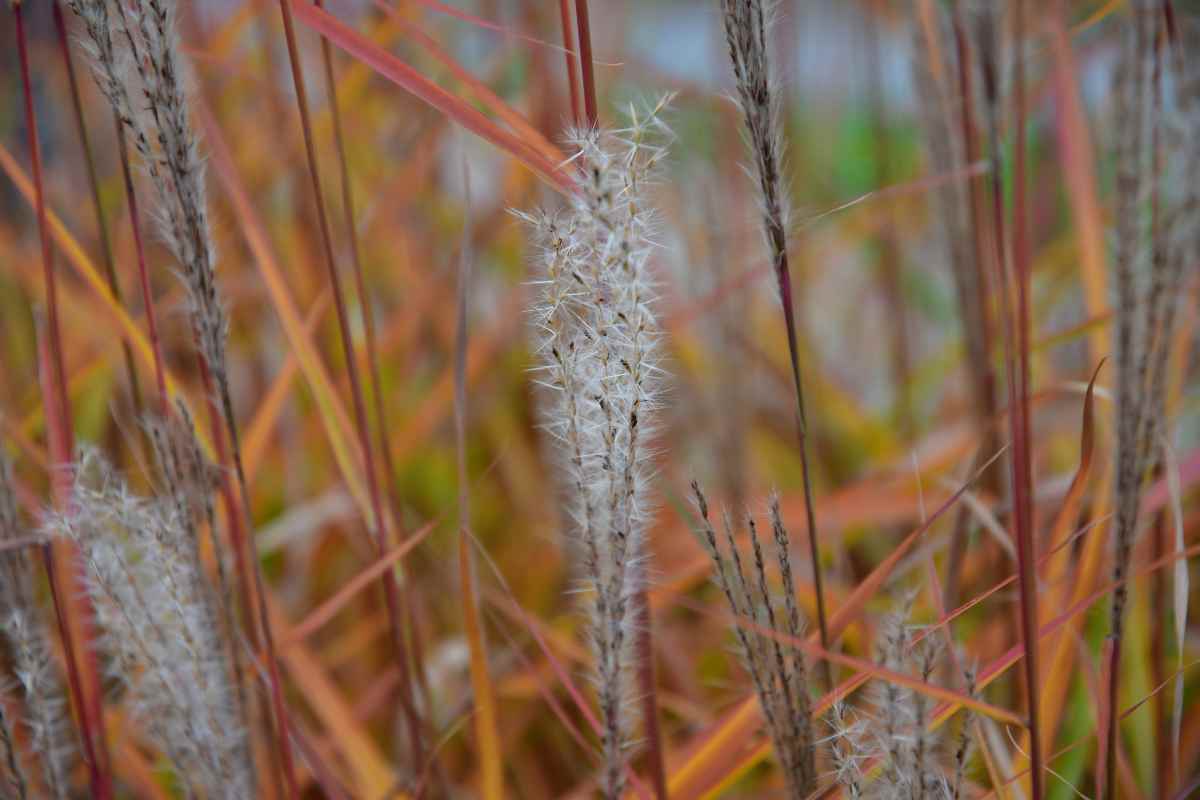
This is one of the most reliable front yard flowerbed ideas because it instantly creates structure. Landscapers use it constantly: tallest plants in back, mid-height in the middle, and low edging plants in front.
How to make it look professional
Back layer (structure): choose 1–2 upright plants repeated across the bed (ornamental grasses, tall perennials, or compact shrubs).
Middle layer (color + volume): add rounded, mounding plants that fill gaps and soften the look.
Front layer (clean edge): finish with a low “border” plant for a crisp, finished line.
Pro design tip: Repeat the same plant in groups of 3 or 5. Repetition reads “planned,” while one-of-everything reads “random.”
2) The Curved Bed With a Strong Edge
If your flowerbed is currently a straight strip, adding a gentle curve can make the whole yard feel more custom. The key is pairing curves with a clean, consistent edge.
Edging options that look high-end
Steel edging for sleek, modern lines
Brick or pavers for classic curb appeal
Natural stone for cottage or farmhouse vibes
A crisp trench edge (a simple spade-cut line) for budget-friendly polish
Sizing guideline: A flowerbed looks more “professional” when it’s deep enough to plant in layers—aim for about 4–6 feet (1.2–1.8 m) deep where possible, especially near the center of a curve.
3) The “Evergreen + Seasonal Color” Combo Bed

Want the yard to look good in every season? Pros build beds around reliable plants that hold their shape, then weave in color that can change.
A simple formula you can copy
60% structure: evergreen shrubs or grasses for year-round form
30% flowering perennials: dependable bloomers that return each year
10% seasonal pops: annuals or bulbs you can swap out
This approach keeps your front yard flowerbed from looking empty in winter or early spring—and it makes maintenance way easier because the bed always has a backbone.
Pro design tip: Choose a tight color palette (2–3 main bloom colors). That restraint is what gives the “landscape designer” look.
4) The Mulch-and-Boulder “Texture Bed” (Low Maintenance, Big Impact)
Not every front bed needs to be packed with flowers. A modern, professionally designed look often relies on texture and negative space—mulch, rocks, sculptural plants, and just a few focal blooms.
What makes this look expensive (even when it isn’t)
One mulch type, one rock type. Mixing too many materials looks busy fast.
Use 2–3 medium boulders as anchors (not tiny scattered stones).
Choose plants with bold shapes: spiky, upright, or large leaves.
Budget-friendly win: This is one of the best low maintenance front yard flowerbed ideas because fewer plants means less watering, deadheading, and weeding.
5) The Symmetry-and-Focal-Point Entry Bed
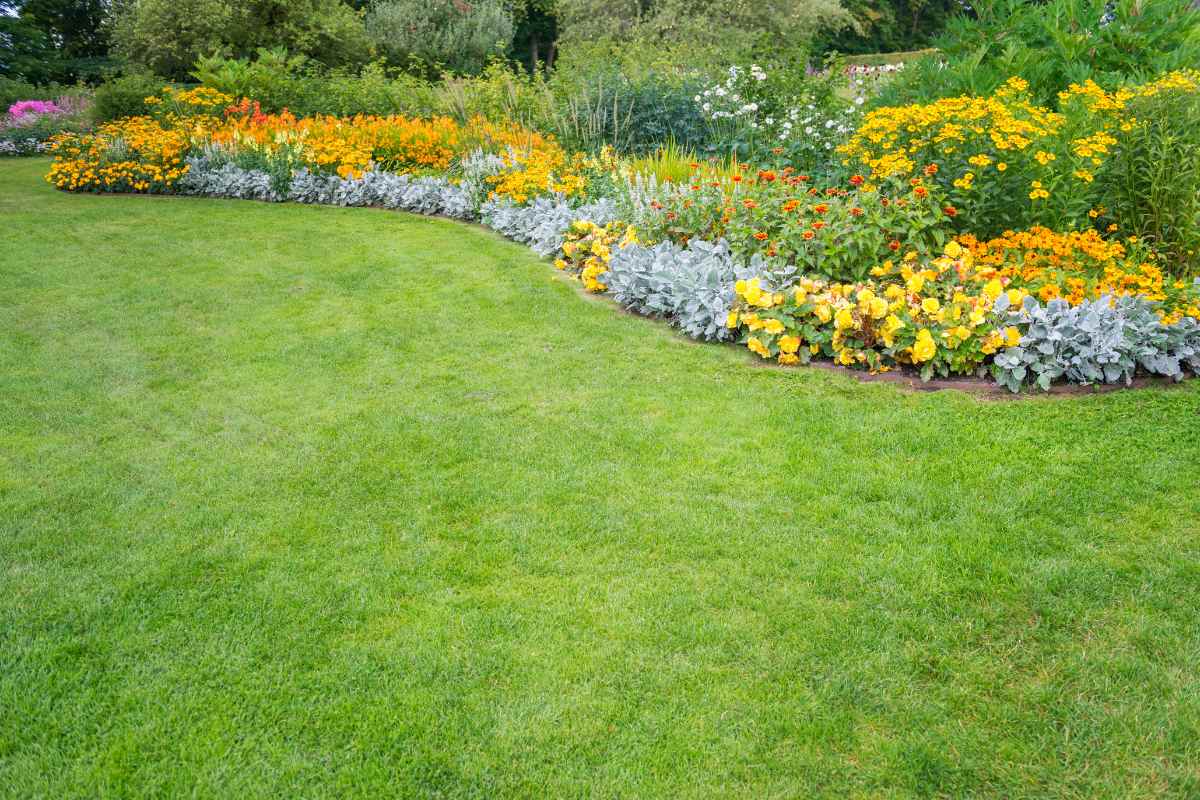
If your front door is visible from the street, symmetry can instantly make the landscaping look intentional. Think of this as “framing” the entrance.
Easy ways to create symmetry
Match plantings on both sides of the walk or steps.
Use identical containers near the entry.
Repeat the same low border plant on both sides, even if the middle plantings vary.
Add one focal point (and stop there)
A professional bed usually has one clear star, like:
a small ornamental tree
a statement shrub
a tall decorative planter
a trellis or obelisk in a deeper bed
Pro design tip: Place the focal point slightly off-center in a larger bed (rule of thirds), or dead center if you’re going for formal symmetry.
Tools and Materials That Help These Beds Look “Finished”
You don’t need special equipment, but these basics make a huge difference:
Flat shovel + spade (for defining edges)
Landscape rake (for smoothing soil and mulch)
Mulch (enough for 2–3 inches (5–7.5 cm) depth)
Drip hose or soaker line (especially for sunny foundation beds)
Plant markers (temporary—great while you tweak spacing)
Spacing tip that avoids the “newly planted” look: Place plants based on their mature width, not how they look in the pot. Overcrowding is one of the fastest ways to lose that clean designer feel.
Practical “Do This Today” Checklist for a Professional Look
If you only have an hour, focus on the high-impact moves:
Define the bed edge (steel, brick, stone, or a crisp trench).
Pull plants into clusters (groups of 3+), not single dots.
Add fresh mulch at 2–3 inches (5–7.5 cm).
Keep a simple palette: repeat shapes and colors.
Leave breathing room—negative space can look upscale.
Common Mistakes That Make Flowerbeds Look Amateur
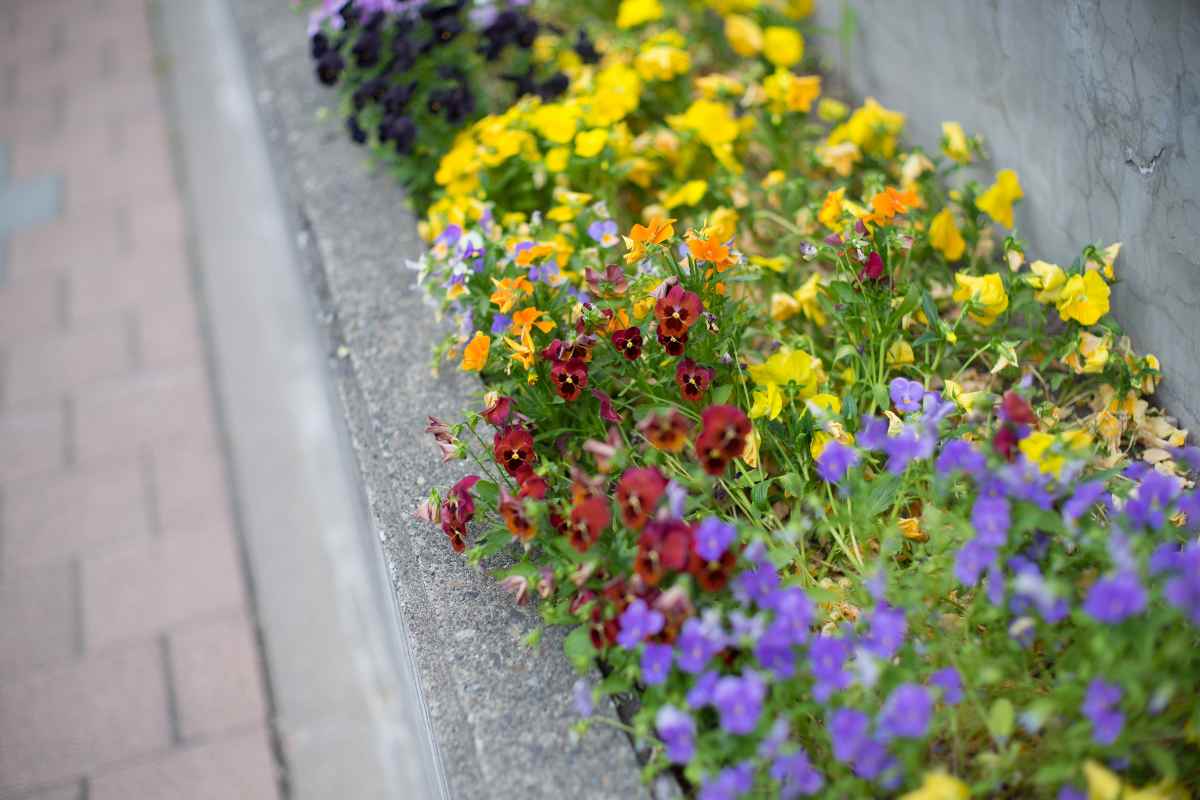
Even good plant choices can look “off” if these happen:
Too many different plants
A collection of favorites often turns into visual clutter. Pros limit variety and lean on repetition.
No clear edge
A flowerbed without edging usually looks unfinished, even if the plants are gorgeous.
Straight lines everywhere
Straight beds can work, but combining a straight line with a gentle curve often looks more natural and custom.
Plants placed like polka dots
Scattered singles don’t read as design. Grouping plants is the quickest upgrade.
Under-mulching (or over-mulching)
Too little mulch looks patchy; too much can smother plants. Stick to 2–3 inches (5–7.5 cm).
A front yard flowerbed that looks professionally done is really about structure, repetition, and clean edges—not complicated gardening. Start with one of these five ideas, keep your palette simple, and focus on a finished border and tidy mulch. Pick one section of your yard this weekend and upgrade it with just one “pro” trick—you’ll be surprised how fast curb appeal improves.
— Emily
More Gardening Tips 👇🏼👇🏼