
5 Must-Read Links for Gardening for Beginners

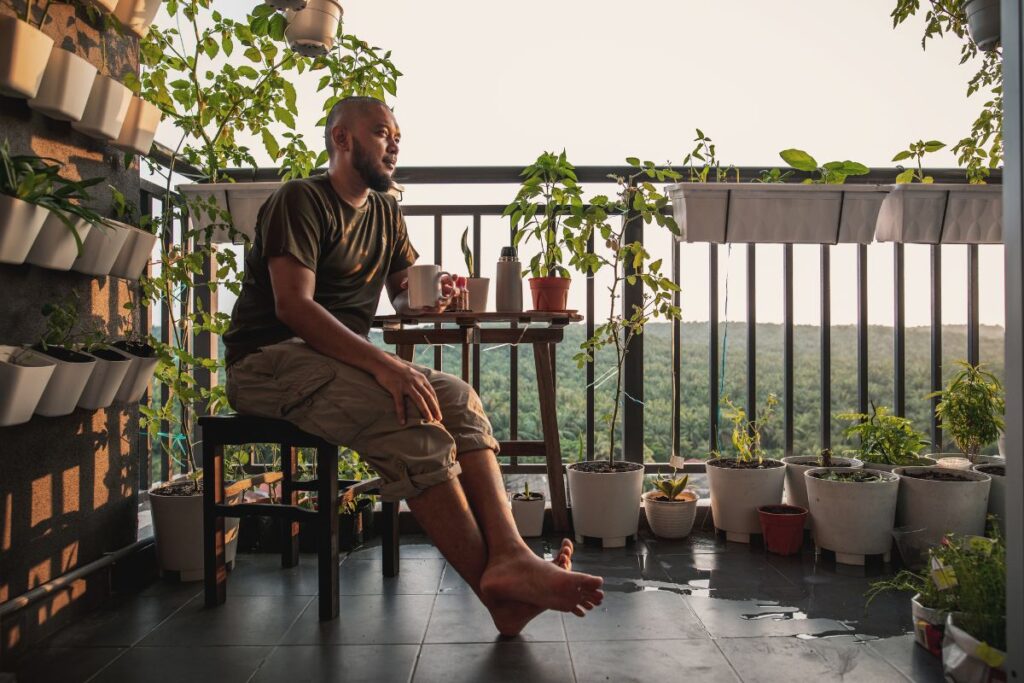
Gardening for beginners can feel overwhelming—soil types, layouts, plant choices, watering schedules. The good news? You don’t need acres or expert skills to get results.
With a few easy gardening wins, a simple plan, and trusted resources, you can build a thriving home oasis even in a studio apartment.
Below you’ll find five hand-picked links—each one a compact guide that expands on a specific beginner challenge, from apartment setups to overwintering. Use these as your roadmap to launch or level up your home gardening practice.
We’ll cover beginner garden layout, small garden design, DIY garden solutions, and natural plant care tips that keep plants healthy without unnecessary fuss.
1) Start Simple: Apartment Setups That Actually Work
 If you’re starting from scratch, the fastest way to build momentum is to simplify your space and routine. An apartment setup keeps things compact, tidy, and manageable—perfect for anyone learning the basics of Gardening 101.
Begin by sketching a beginner garden layout for a balcony, windowsill, or bright corner. Note exposure (hours of sun), access to water, and where you’ll store tools.
This quick garden planning pass sets guardrails so you don’t overbuy or overcrowd.
Next, select 2–3 plants with predictable growth habits—think leafy herbs or dwarf varieties that forgive missed waterings. Establish a weekly rhythm: check moisture, rotate containers for even light, and observe leaf color and vigor.
These simple habits are the backbone of home gardening tips that stick.
Want a concrete blueprint for small-space setups? Dive into this beginner-friendly primer: Apartment Gardening for Beginners. It shows how to maximize light, airflow, and container choices so you can focus on enjoying the process rather than wrestling with logistics.
2) Quick Wins: Plants You Can Grow in Water
 Early wins build confidence. One of the easiest ways to get them is to skip soil altogether and try propagation or hydro jars. You’ll see visible growth in days, which is incredibly motivating when you’re learning how to start a garden for beginners.
Place cuttings in clear jars near bright, indirect light and swap the water every week—no potting mix, no mess.
This method is perfect for easy foods to grow such as green onions and basil. It’s also a neat entry point to home gardening ideas because you can experiment with vessel shapes, shelves, and placement as part of your small garden design.
Watching roots form teaches you timing for transplanting and how plants signal nutrient needs—core plant health care ideas you’ll use later in containers or beds.
Explore beginner-friendly options and how to keep them thriving here: 5 Easy Plants to Grow in Water for Beginners. It’s a low-risk way to build momentum while you refine your how to do gardening at home routine.
3) Protect Your Progress: Overwintering Without the Guesswork
 Nothing derails enthusiasm like losing plants to cold snaps. Learning to overwinter early saves money and keeps your favorite varieties going year after year.
Start by grouping containers and insulating the root zone; then reduce watering and stop fertilizing as temperatures drop. These natural plant care tips help plants harden off gradually, minimizing stress.
Make a simple seasonal checklist as part of your garden planning: move tender pots to a protected nook, check forecasts weekly, and monitor for pests that sneak indoors.
As you practice, you’ll turn overwintering into a routine maintenance task—no panic, just prevention. This is the kind of durable skill set that elevates home gardening from hobby to habit.
Get a practical, beginner-first walkthrough here: How to Overwintering Plants for Beginners. Use it to protect your plants and your confidence as you grow.
4) Learn One Skill That Multiplies Your Garden
 Some techniques unlock outsized value. Fruit tree grafting is one of them: it lets you combine the traits of different varieties—flavor, vigor, disease resistance—on a single rootstock.
For small spaces, grafting can put multiple harvests within reach without adding more pots or square footage, aligning perfectly with DIY garden solutions and garden hacks DIY.
While grafting sounds advanced, the beginner path is straightforward: learn clean cuts, secure unions, and aftercare. The payoff is huge for home gardening ideas because you can tailor a mini-orchard to your exact tastes.
It’s also a terrific way to practice plant health care ideas—observing callus formation and sap flow will sharpen your eye for what plants need.
Curious? Start with approachable methods and tools here: Fruit Tree Grafting for Beginners: Tips and Techniques. This guide keeps it simple and actionable for newcomers.
5) Small Space Wins: Best Fruits for Containers
 When space is tight, containers let you grow fruit on balconies, stoops, and sunny windows. Focus on compact or dwarf cultivars and pair them with well-draining mixes.
This is where small garden design meets productivity. Add a lightweight trellis for vertical support, and keep a watering can nearby so care is automatic. These small conveniences are classic gardening hacks that compound over time.
As part of your beginner garden layout, group containers by water needs and light requirements. Rotate weekly for even growth and use slow-release nutrients for steady vigor—straightforward home gardening tips that sidestep common mistakes.
Keep notes like a mini gardening 101 journal: what fruited, what failed, and what you’d change next season.
See which fruits thrive in pots and how to keep them productive: Best Fruits for Container Gardening in Small Spaces. It’s a smart primer for anyone refining how to do gardening at home with limited square footage.
From First Sprout to First Harvest: Keep It Sustainable
 Think of your garden as a series of tiny experiments. Start with forgiving plants, observe weekly, and adopt one new technique each month—propagation in water, simple grafting, or seasonal protection.
You’ll learn faster with clear feedback loops, which is why these links are so helpful: each adds a focused skill you can practice immediately.
As you evolve, keep leaning on natural plant care tips and DIY garden solutions rather than overcomplicating things. The goal isn’t a perfect garden; it’s a joyful, repeatable routine that fits your life.
With the right resources, gardening for beginners becomes less about rules and more about curious, steady progress.
More Gardening Tips 👇🏼👇🏼