
How to Care for a Blue Star Fern in Low Light

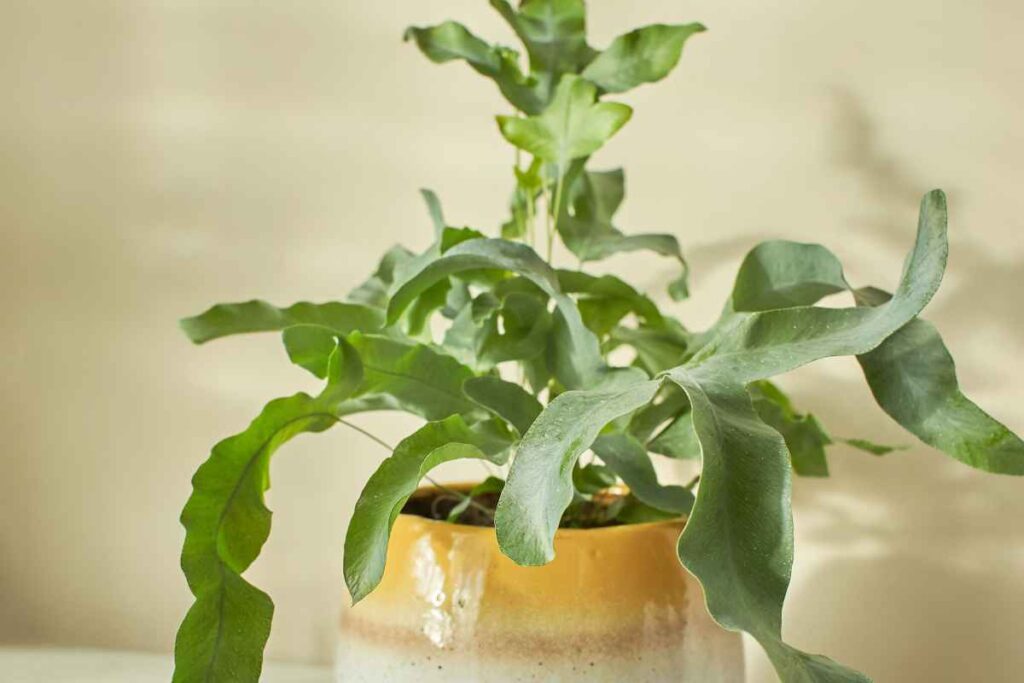
The Blue Star Fern (Phlebodium aureum) is an increasingly popular houseplant thanks to its soft, silvery-blue foliage, striking shape, and ability to thrive in low-light environments.
With its unique fronds and easy-going nature, it’s perfect for adding a touch of greenery to darker corners of your home where many other plants would struggle.
But like any plant, it needs a little know-how to grow well and stay healthy. Here’s everything you need to know about caring for your Blue Star Fern in low-light conditions.
Getting to Know the Blue Star Fern
Before diving into care tips, it helps to understand the natural habitat of the Blue Star Fern. Native to tropical and subtropical forests in the Americas, this fern grows as an epiphyte, meaning it typically anchors itself to trees and absorbs moisture from the air and debris around it. Because of this, it's naturally adapted to filtered light, high humidity, and light, airy soils—a combination that makes it well-suited for indoor environments.
Ideal Light Conditions
Despite being a fern that prefers shade in the wild, not all low-light areas are equal. Low light doesn’t mean no light.
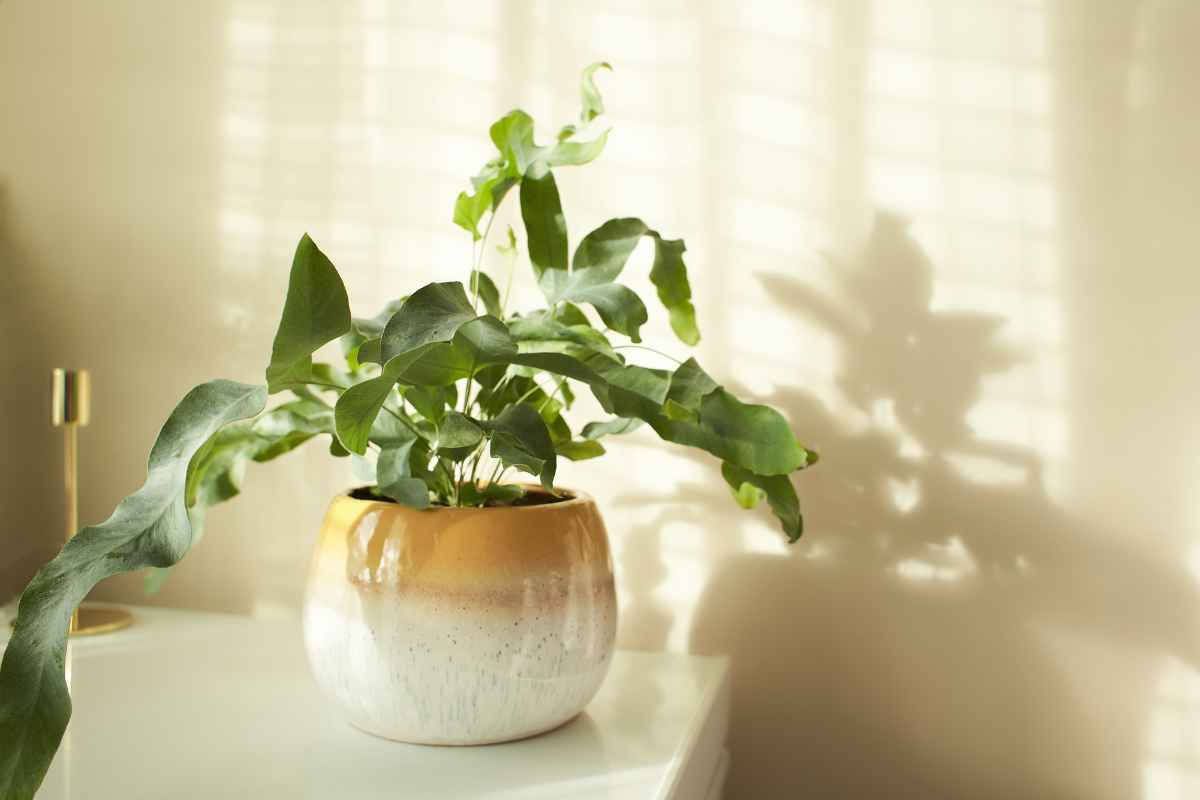
To keep your Blue Star Fern healthy, choose a spot that gets indirect natural light, such as near a north-facing window or a few feet away from an east- or west-facing one.
It can handle dim rooms, but you’ll want to avoid complete darkness or long periods without any natural light at all.
If your home is especially dark, consider using a grow light for a few hours a day. The fern doesn’t need intense light, but it still requires some brightness to carry out photosynthesis and maintain its color and growth.
Watering Your Fern the Right Way
When it comes to watering, the Blue Star Fern is forgiving, but consistency is key. It doesn’t like to dry out completely, nor does it want to sit in soggy soil. Aim to keep the soil lightly moist at all times. A good rule of thumb is to water when the top inch of soil feels dry to the touch.
Use room-temperature water and water thoroughly, allowing excess to drain away. Never let the plant sit in a saucer full of water, as this can lead to root rot, a common issue for ferns kept in overly damp conditions.
Maintaining Proper Humidity
Because Blue Star Ferns are native to humid forests, they appreciate a higher humidity level than the average household offers. In low-light areas, especially those with central heating or air conditioning, humidity can dip too low for the fern to thrive.
To boost humidity:
Mist the leaves lightly every few days.
Place the pot on a tray filled with pebbles and water, making sure the bottom of the pot doesn’t sit directly in the water.
Consider placing it in more naturally humid rooms like bathrooms or kitchens, provided there is some light available.
Use a humidifier if the air is particularly dry.
Maintaining moisture in the air helps prevent the fronds from turning brown at the tips and supports healthier overall growth.
Choosing the Right Soil
Since Blue Star Ferns grow on trees in the wild, they do best in a light, well-draining potting mix. A standard indoor potting soil can work, but mixing it with orchid bark, coco coir, or perlite creates an ideal texture. This type of soil allows air to reach the roots while retaining just enough moisture to keep them happy.
Avoid heavy soils or those designed for water retention. The roots need oxygen and drainage, especially in low-light conditions where the plant’s growth rate slows down and water evaporates more slowly.

Fertilizing in Moderation
Fertilizer is useful but should be used sparingly, particularly in low-light conditions where the plant isn’t growing as quickly. Overfeeding can lead to salt buildup in the soil or damage the roots.
Feed your Blue Star Fern once a month during the growing season (spring and summer) using a diluted liquid houseplant fertilizer. During fall and winter, it’s best to pause fertilizing altogether, allowing the plant to rest.
Pruning and Cleaning
Although this fern doesn’t require frequent pruning, it’s good practice to remove yellowing or damaged fronds to encourage healthy new growth. Always use clean, sharp scissors and cut the leaf at the base near the soil.
In low-light areas, dust can build up on the fronds and block what little light is available. Use a soft cloth or gentle spray of water to keep the leaves clean and help the plant absorb as much light as possible.
Repotting and Pot Size
Blue Star Ferns like being slightly root-bound, so you don’t need to repot them frequently. Every 2 to 3 years, or when you notice roots growing out of the drainage holes, it’s time to upgrade to a pot just one size larger.
Choose a pot with drainage holes, and repot gently to avoid damaging the roots. Use fresh, airy potting mix to give the plant a new boost and more room to spread.
Common Problems in Low Light
While the Blue Star Fern can tolerate low light, certain problems may arise if conditions are too dim or if other care aspects are neglected.
Yellowing leaves: This often signals overwatering or poor drainage. Check the soil and pot to ensure it’s not waterlogged.
Brown leaf tips: Usually due to dry air or inconsistent watering. Try boosting humidity and keeping the watering routine steady.
Leggy growth: If the fern starts stretching out and producing fewer leaves, it might not be getting enough light. Move it slightly closer to a light source or supplement with a grow light.
By paying attention to these small changes, you can adjust your care routine and bring the plant back to health.
A Perfect Fern for Every Corner
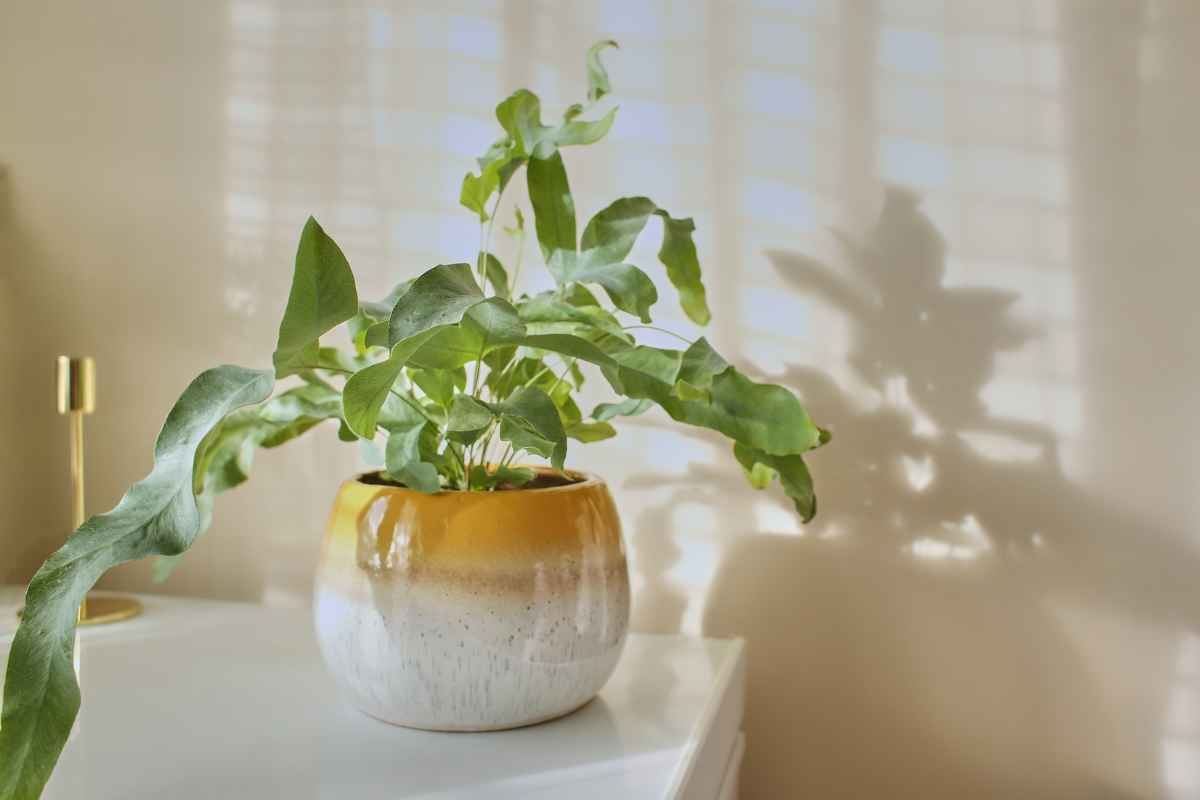
The Blue Star Fern is a low-maintenance beauty that brings life to the quieter corners of your home. With its distinctive foliage and love for gentle lighting, it’s an ideal match for low-light rooms and plant enthusiasts who prefer easygoing greenery.
As long as you focus on providing the right balance of moisture, humidity, and light, this charming fern will reward you with lush, flowing fronds that brighten any space.
Whether you’re a beginner or a seasoned plant lover, the Blue Star Fern is a delightful companion that doesn’t demand much—just a little attention and a cozy spot to thrive.
Did you find this post useful or inspiring? Save THIS PIN to your GARDEN Board on Pinterest!
More Gardening Tips 👇🏼👇🏼