
Care Guide for Kangaroo Paw - Add Vibrant Spikes to Your Garden

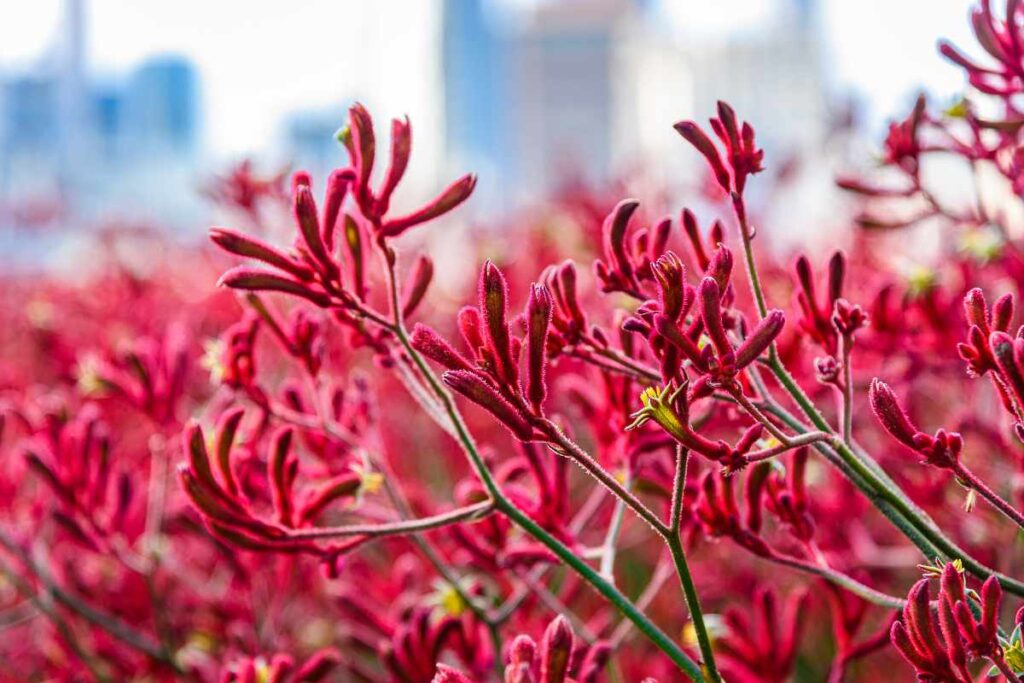
If you’re dreaming of a garden filled with bold colors and unusual textures, the Kangaroo Paw plant is the perfect addition.
Known for its striking flower spikes that resemble the paw of a kangaroo, this Australian native adds vibrancy, structure, and a touch of the exotic to any outdoor or container garden.
While it looks dramatic, caring for Kangaroo Paw is surprisingly straightforward when you know what it needs to thrive.
In this guide, we’ll cover everything you need to know—from soil preparation and watering tips to pruning and pest control—so you can enjoy a healthy, long-blooming plant season after season.
Why Choose Kangaroo Paw for Your Garden?
The Kangaroo Paw plant is not only eye-catching but also highly practical. Here’s why many gardeners fall in love with it:
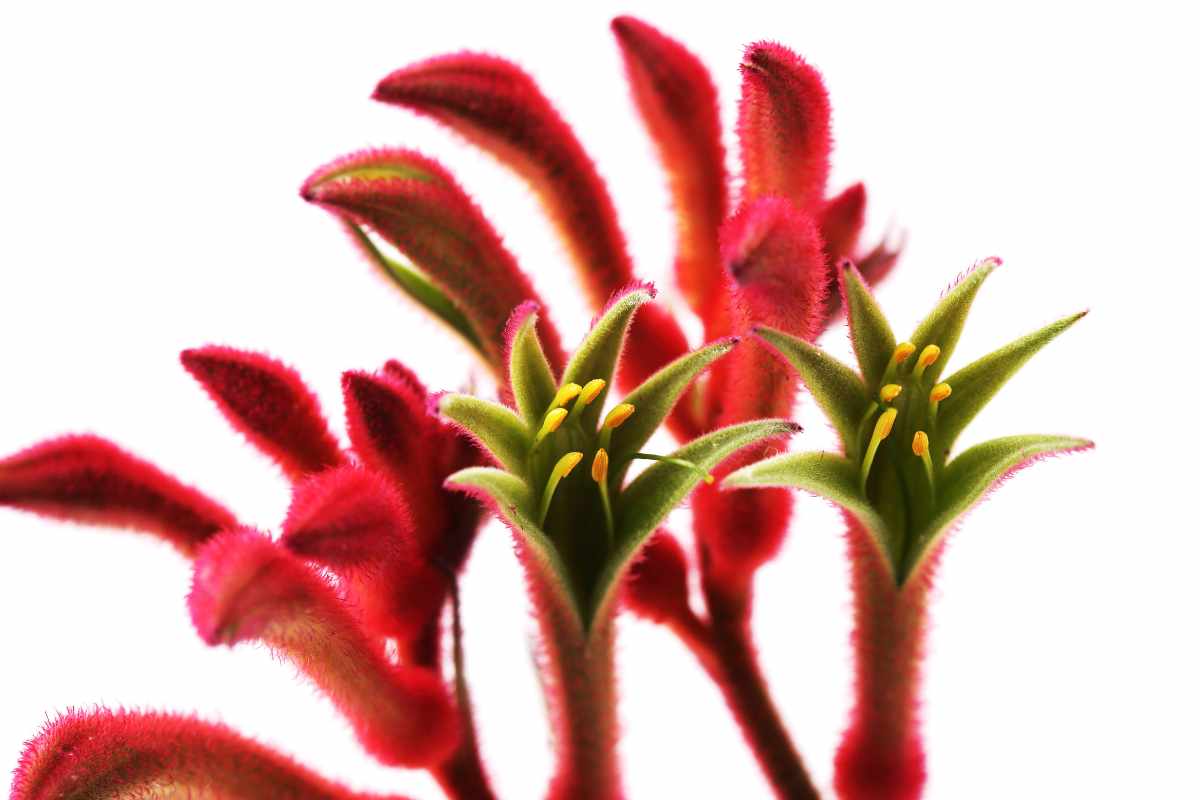
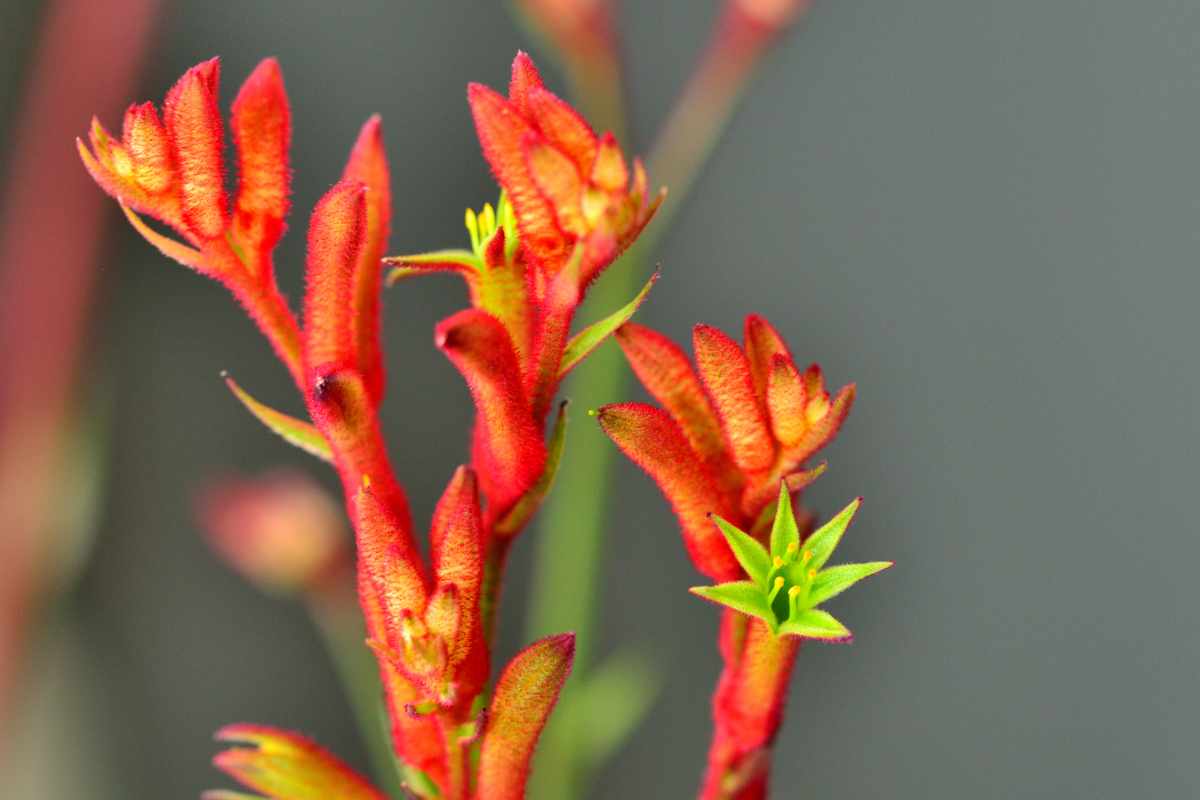
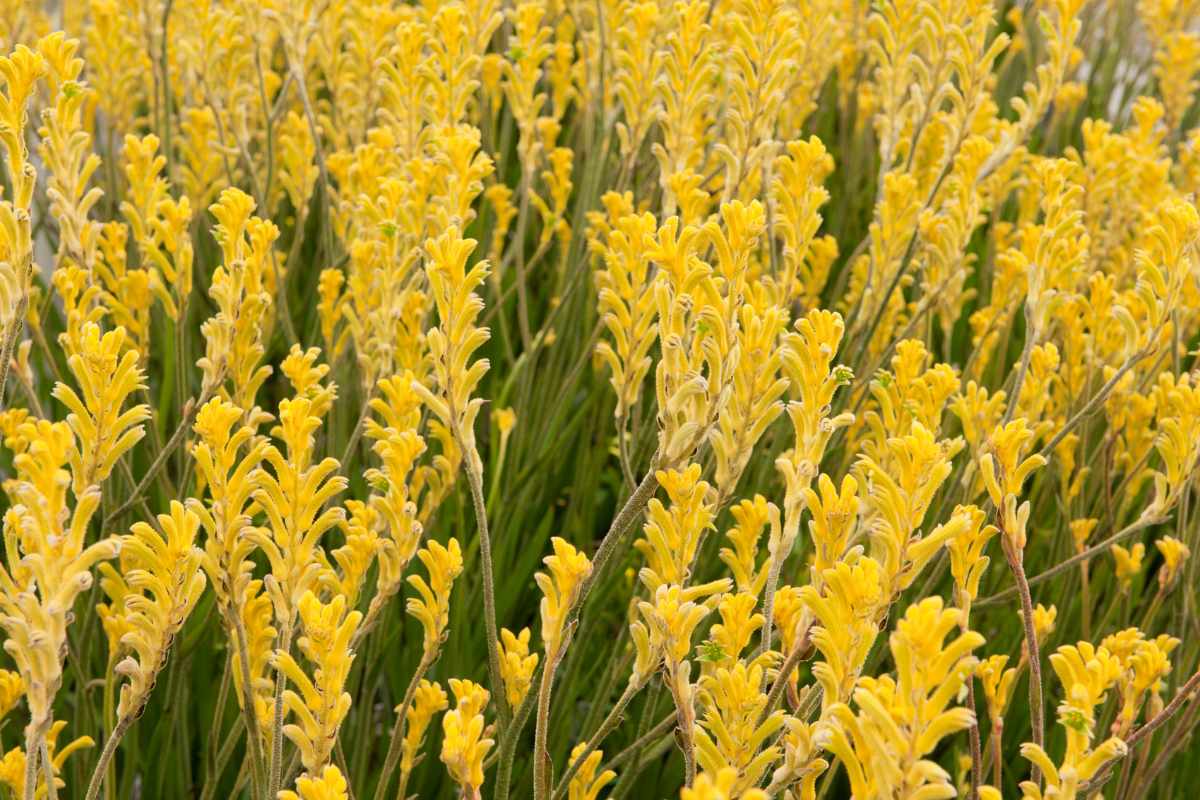
Unique flowers: The velvety blooms come in stunning shades of red, yellow, orange, green, and even purple.
Wildlife-friendly: The tubular flowers are magnets for bees, butterflies, and hummingbirds, making your garden more alive.
Versatility: Perfect for flower beds, borders, or as a container plant on patios and balconies.
Cut flowers: Long-lasting and striking, they’re popular in floral arrangements.
Whether you’re aiming for a modern landscape design or a wildlife-friendly garden, the Kangaroo Paw flower fits beautifully.
Ideal Growing Conditions
Getting the basics right will make all the difference in how well your plant grows and flowers.
Sunlight Requirements
The Kangaroo Paw plant loves the sun. Aim for at least six hours of direct sunlight daily to encourage strong growth and prolific blooming.
Shadier conditions may lead to fewer flowers and weaker stems.
Best Soil for Kangaroo Paw
Good drainage is essential. In the wild, Kangaroo Paw grows in sandy, free-draining soil. For home gardens:
Use a sandy or loamy soil mix.
Avoid heavy clay soils unless you improve drainage with raised beds or coarse sand.
If planting in pots, choose a potting mix labeled for Australian native plants.
Watering Tips
The Kangaroo Paw flower is drought-tolerant once established, but it still performs best with consistent watering during its growing season. Water deeply, allowing the topsoil to dry out between waterings.
Overwatering can lead to root rot, so balance is key.
Fertilizing for Strong Blooms
Fertilizing is crucial if you want those tall, vibrant spikes. However, Kangaroo Paw is phosphorus-sensitive, meaning the wrong fertilizer can harm it.
Use a low-phosphorus fertilizer (labeled “safe for natives”).
Feed every 4–6 weeks during the growing season.
Fertilizers high in potassium will encourage bigger, more colorful blooms.
Pro tip: Liquid fertilizers are excellent for potted Kangaroo Paw as they deliver nutrients more directly.
Pruning and Maintenance
Pruning isn’t just cosmetic—it helps the plant thrive.
After flowering: Cut flower stems down to the base to encourage fresh growth.
Remove old leaves: Trim off dead or damaged foliage regularly.
Divide clumps: Every 2–3 years, divide large clumps to rejuvenate the plant and prevent overcrowding.
Pruning also reduces the risk of fungal diseases like ink spot, which thrive on old, damaged foliage.

Common Problems and How to Fix Them
Like any plant, Kangaroo Paw may face a few challenges. Knowing what to look out for makes solving problems much easier.
Ink Spot Disease
Symptoms: Black or dark spots on leaves.
Solution: Remove infected leaves, improve airflow, and avoid overhead watering.
Root Rot
Symptoms: Wilting, yellowing leaves, mushy roots.
Solution: Ensure soil drains well, avoid overwatering, and plant in raised beds or pots if needed.
Pests
Snails, slugs, and caterpillars may nibble on young shoots. Hand-pick or use eco-friendly deterrents.
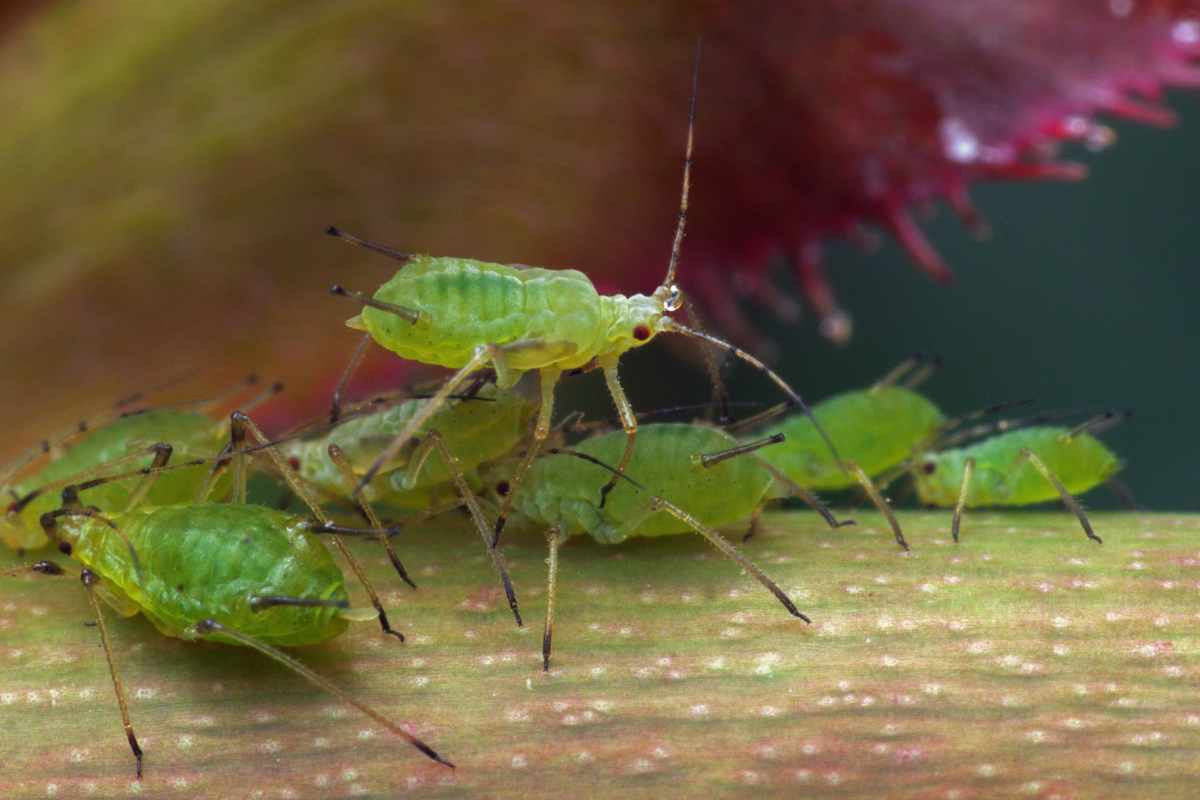
Aphids can also appear, but are manageable with insecticidal soap or a strong blast of water.
Growing Kangaroo Paw in Pots
Don’t have much space? No problem. The Kangaroo Paw plant thrives in containers.
Choose a pot at least 30–40 cm wide with good drainage holes.
Use a native-friendly potting mix.
Place the pot in a sunny position on your patio, balcony, or deck.
Water more regularly than in-ground plants, as pots dry out faster.
Many gardeners find that potted Kangaroo Paw actually produces more flowers because conditions can be more easily controlled.
Popular Types of Kangaroo Paw
There are several varieties, ranging from tall garden showstoppers to compact options perfect for pots.
Tall Kangaroo Paw (Anigozanthos flavidus): Can reach up to 2 meters, ideal for dramatic garden borders.
Dwarf varieties: Compact, around 30–50 cm tall, perfect for pots and small gardens.
Color hybrids: Breeders have developed spectacular colors like bright orange, deep red, lime green, and even multi-colored flowers.
Exploring different types lets you mix and match for a truly vibrant display.
Seasonal Care Tips
To keep your Kangaroo Paw plant thriving all year, adjust care with the seasons:
Spring–Summer: Active growth and flowering. Fertilize regularly and water consistently.
Autumn: Cut back old flower stems and tidy foliage.
Winter: Growth slows down. Reduce watering, but keep the soil from drying out completely. Protect plants in frost-prone areas with mulch or temporary covers.
Bringing Vibrancy to Your Garden
The Kangaroo Paw flower is more than just a plant—it’s a statement piece for your garden.
With its bold, upright blooms, wildlife-friendly nature, and versatility in both garden beds and pots, it’s the perfect way to add vibrant spikes of color to any outdoor space.
By following simple care tips—plenty of sun, well-drained soil, regular feeding, and proper pruning—you’ll enjoy a stunning display year after year.
Adding Kangaroo Paw to your garden means adding a piece of Australia’s natural beauty right to your doorstep.
Did you find this post useful or inspiring? Save THIS PIN to your GARDEN Board on Pinterest!
More Gardening Tips 👇🏼👇🏼