
How to Cultivate the Unique & Delicious Wood Ear Mushroom (Auricularia auricula)

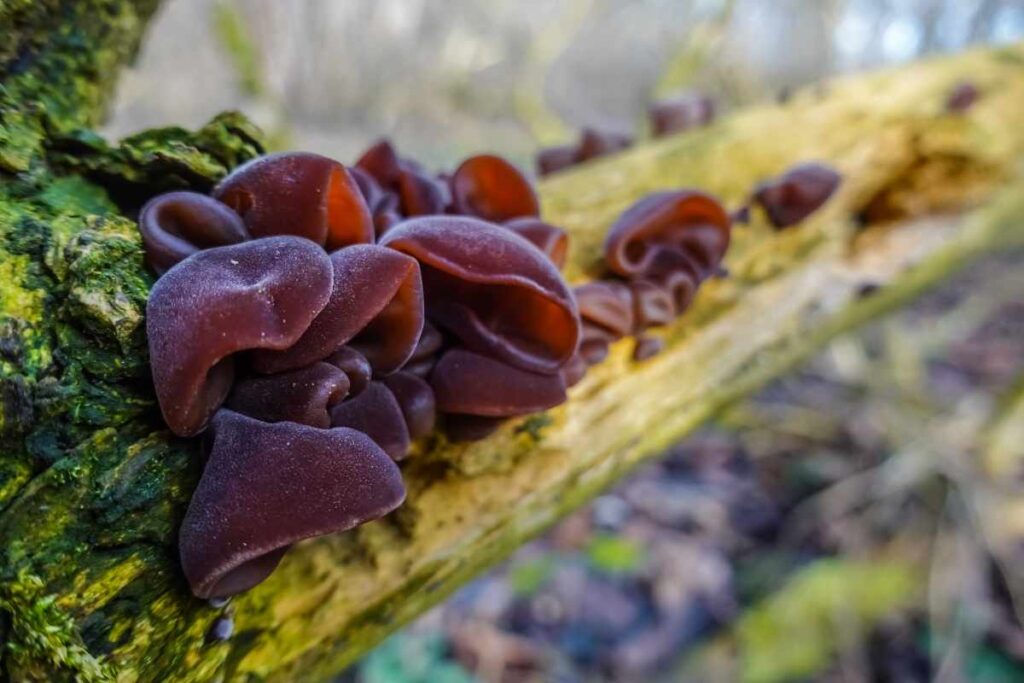
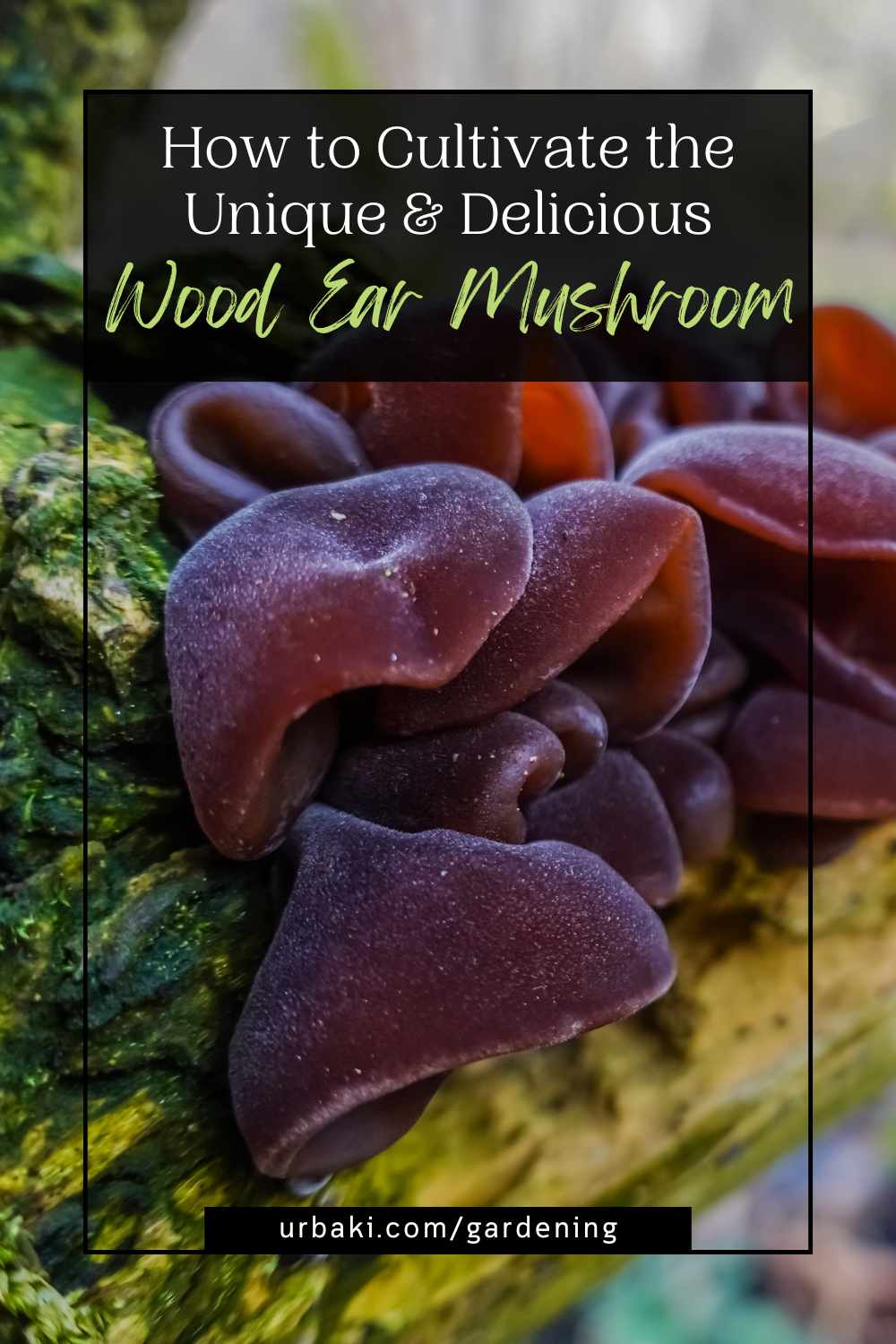
The Wood Ear Mushroom, also called Auricularia auricula or jelly ear, is a fascinating fungus prized for both its culinary uses and health benefits.
With its ear-shaped, slightly rubbery texture, this mushroom is popular in Asian cuisine, where it adds a subtle crunch to soups, stir-fries, and salads.
Beyond the kitchen, it has long been valued for its medicinal properties.
Growing Wood Ear Mushrooms at home can be a rewarding experience, especially for those who love experimenting with unusual edible fungi.
Choosing the Right Growing Method
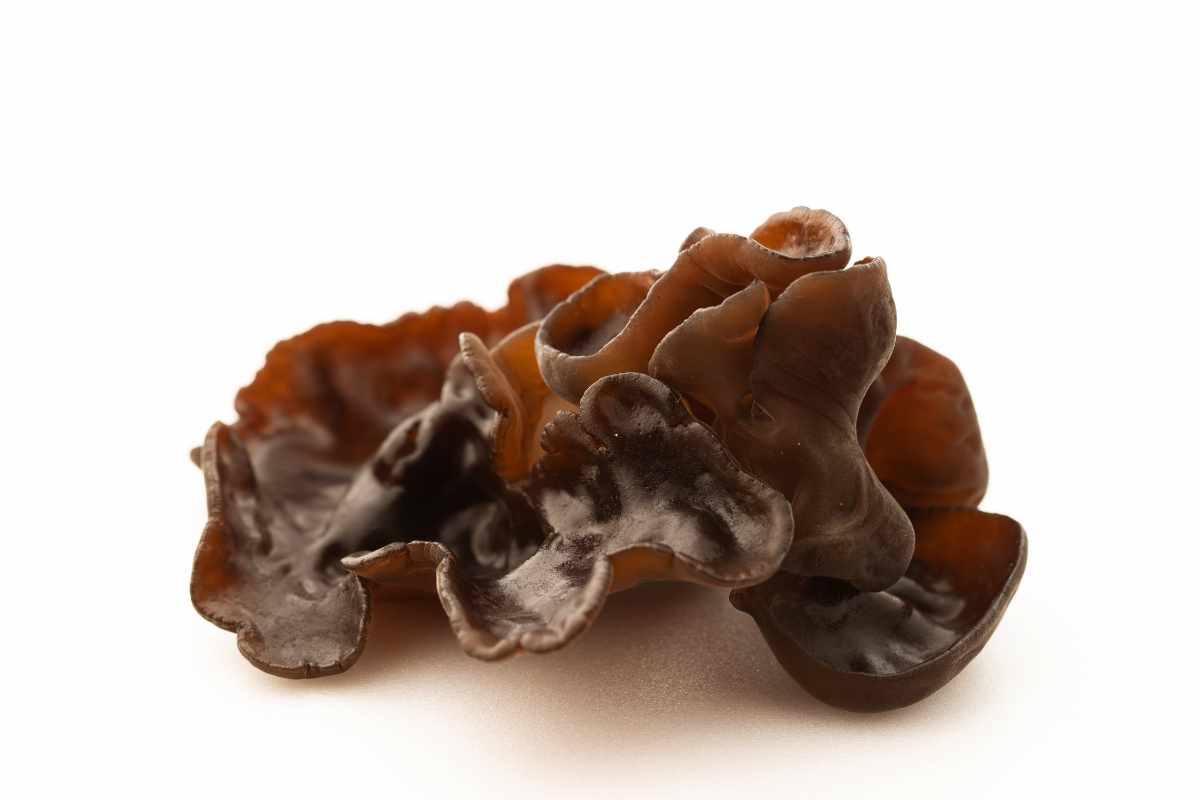
Wood Ear Mushrooms naturally grow on decaying hardwood, especially elder trees, but they can be cultivated on logs or sawdust blocks.
For beginners, sawdust substrates are often the easiest choice, as they provide a controlled environment and faster results.
More traditional growers may enjoy inoculating hardwood logs, which can produce mushrooms for several years once established.
Both methods offer reliable harvests, but the best option depends on your available space and patience.
Preparing the Substrate
Like most fungi, Wood Ears need the right food source to thrive.
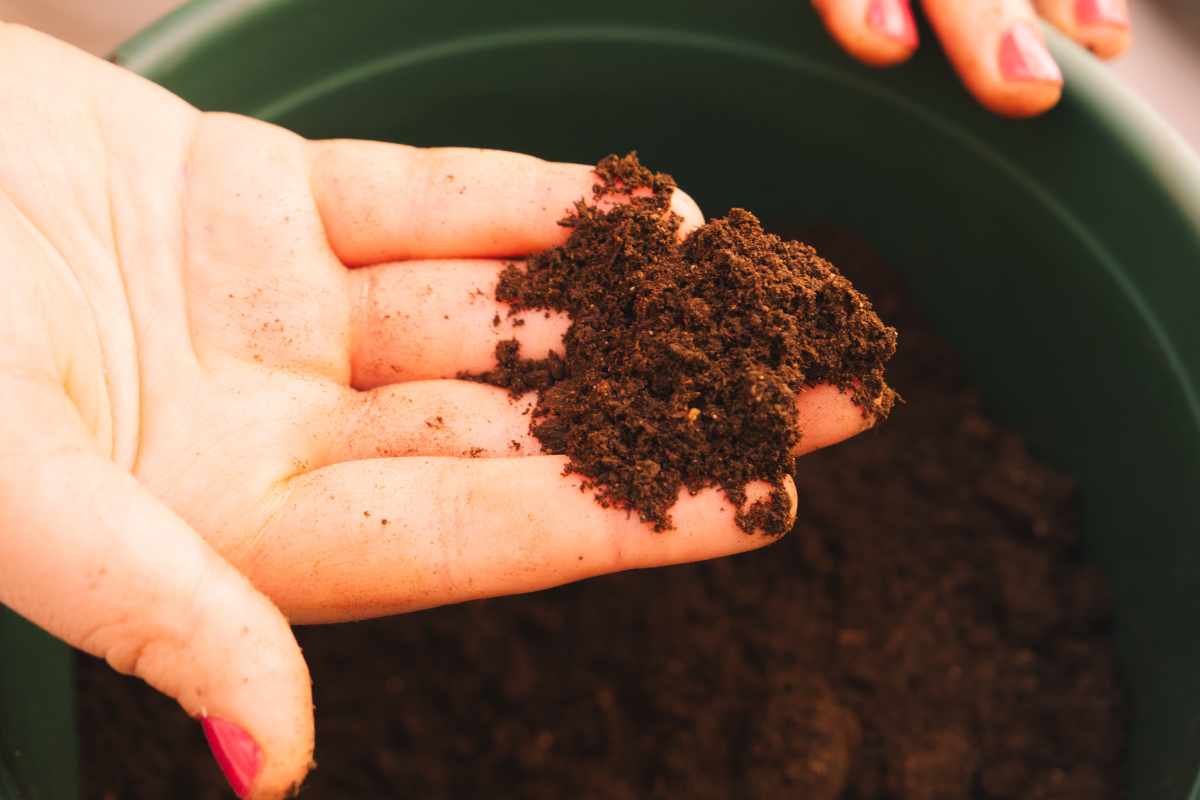
When using sawdust blocks, a mixture of sterilized hardwood sawdust and bran works best.
This combination mimics the nutrients found in their natural habitat. If you choose logs, select freshly cut hardwood that is free from mold.
Drill holes into the logs, insert mushroom spawn, and seal the holes with wax to protect against contamination.
Patience is key here, as it may take several months before the mycelium fully colonizes the substrate.
Creating the Ideal Growing Conditions
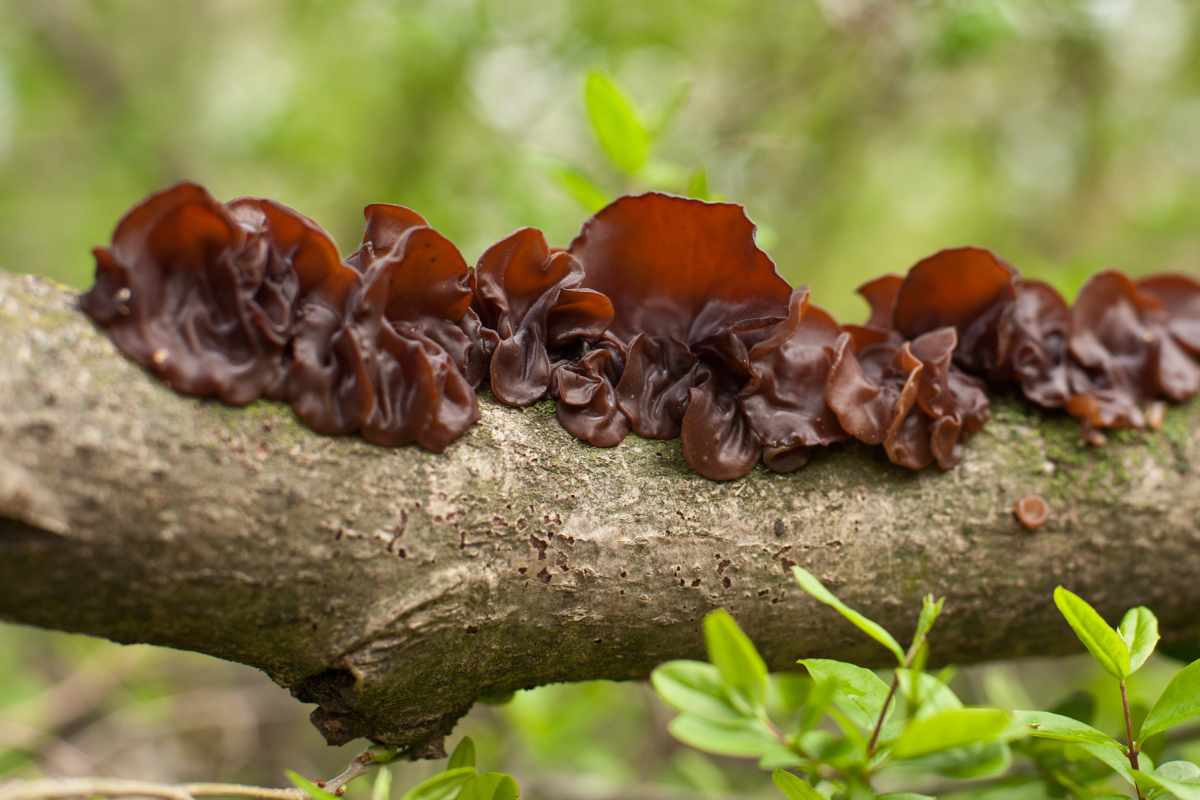
Auricularia auricula thrives in warm, humid environments.
Temperatures between 70°F and 85°F (21°C to 29°C) are most favorable for colonization, while fruiting often occurs when humidity is high and fresh air is available.
If growing indoors, you can maintain humidity by using regular misting or a humidity tent.
Outdoors, placing logs in a shaded, moist area helps recreate their natural growing environment. Consistent conditions encourage steady growth and better yields.
Recognizing the Growth Stages
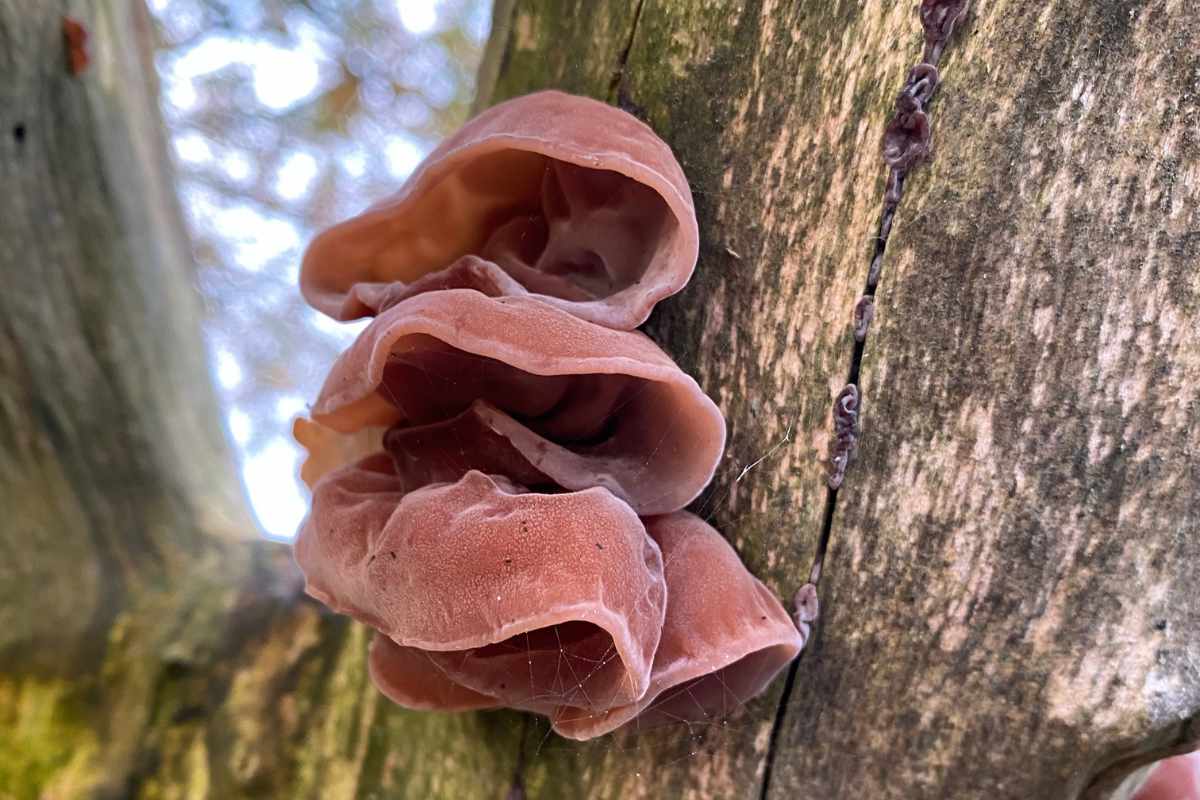
Watching Wood Ear Mushrooms develop is a rewarding process.
First, you’ll notice the white mycelium spreading across the substrate. Once it has fully colonized, small brownish formations begin to appear.
These eventually expand into ear-shaped fruiting bodies, which are ready to harvest once they reach their full size and feel firm to the touch.
Their appearance can vary, ranging from light brown to dark black, depending on growing conditions.
Harvesting and Storing
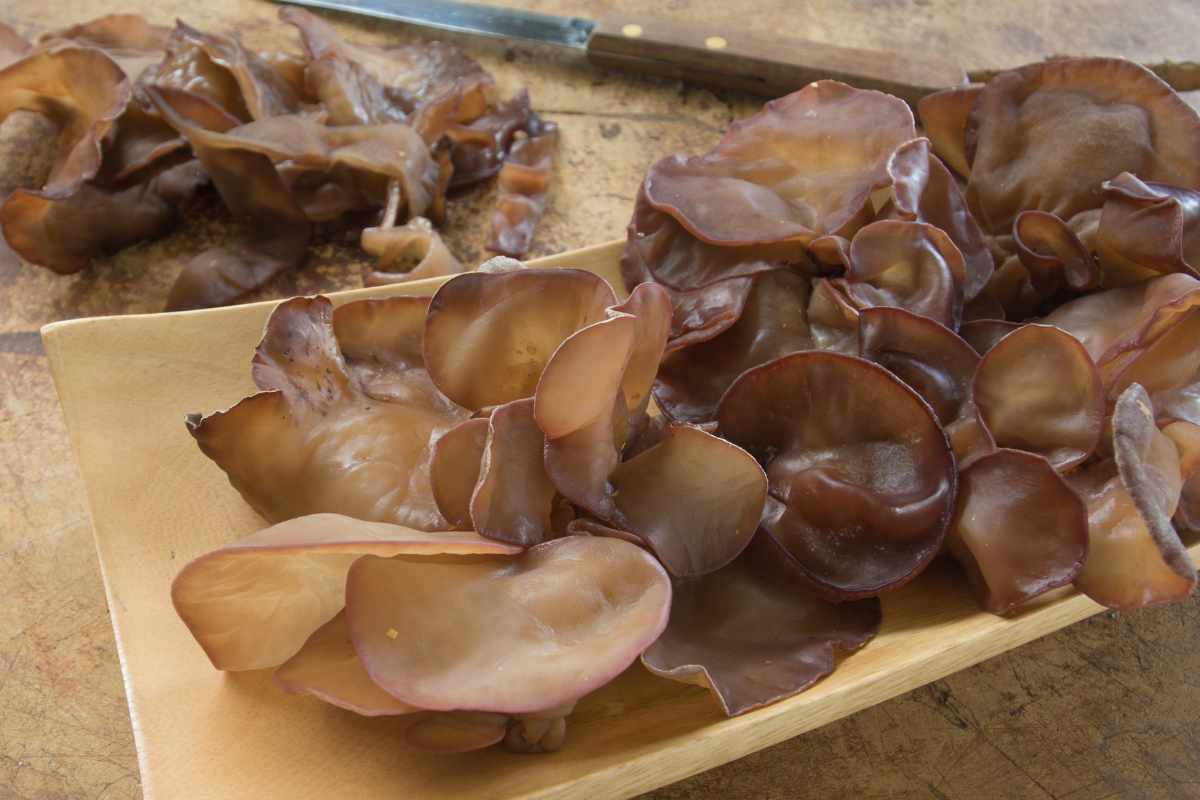
Harvesting is simple: gently twist or cut the mushrooms from the substrate.
Unlike some delicate fungi, Wood Ears are quite sturdy and can be stored easily.
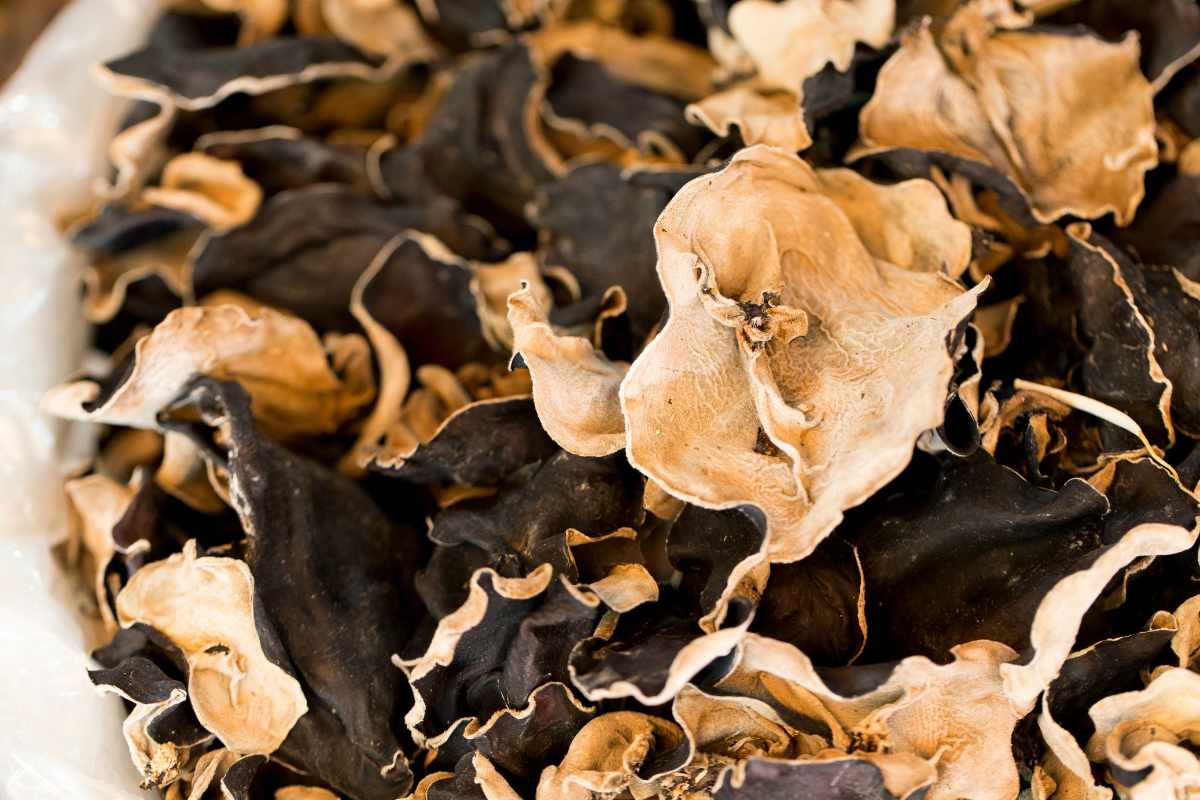
Fresh mushrooms will last several days in the refrigerator, while dried Wood Ears can be kept for months without losing flavor or texture.
In fact, drying often enhances their culinary versatility, since they rehydrate well and retain their characteristic crunch.
Common Challenges to Watch For
While generally hardy, Wood Ear Mushrooms can still face challenges.
Contamination by mold is one of the most common problems, especially if the substrate was not properly sterilized.
Maintaining good airflow and avoiding overly wet conditions helps prevent this.
Another issue is slow colonization, which can occur if the temperature is too low. Monitoring your setup regularly ensures small problems don’t become bigger setbacks.
Enjoying the Culinary Benefits
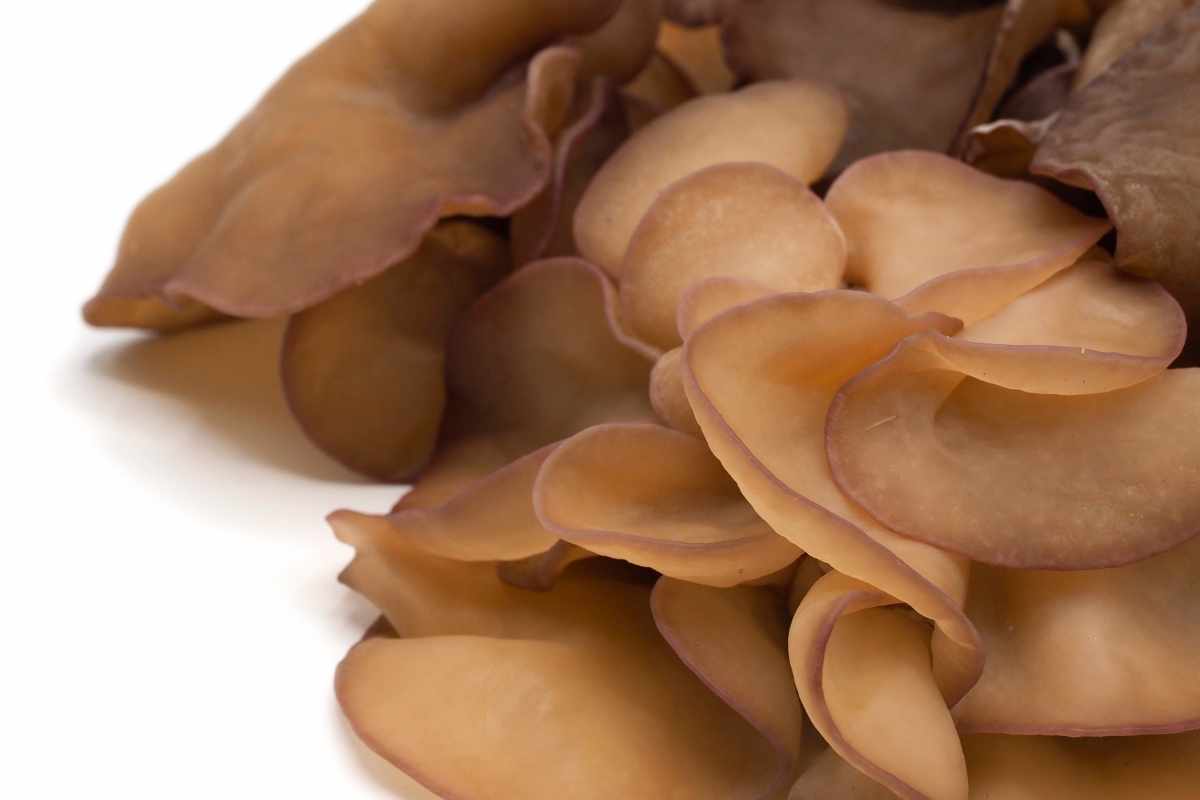
One of the best parts of cultivating Wood Ear Mushrooms is enjoying them in your cooking.
They don’t have a strong flavor, but their texture makes them a favorite addition to soups and noodle dishes.
They also absorb flavors from broths and sauces, making them incredibly versatile.
From hot and sour soup to stir-fried vegetables, Wood Ears add both nutrition and a unique mouthfeel to everyday meals.
Did you find this post useful or inspiring? Save THIS PIN to your GARDEN Board on Pinterest!
More Gardening Tips 👇🏼👇🏼