
7 Low-Maintenance Vegetable Garden Ideas (Busy People)

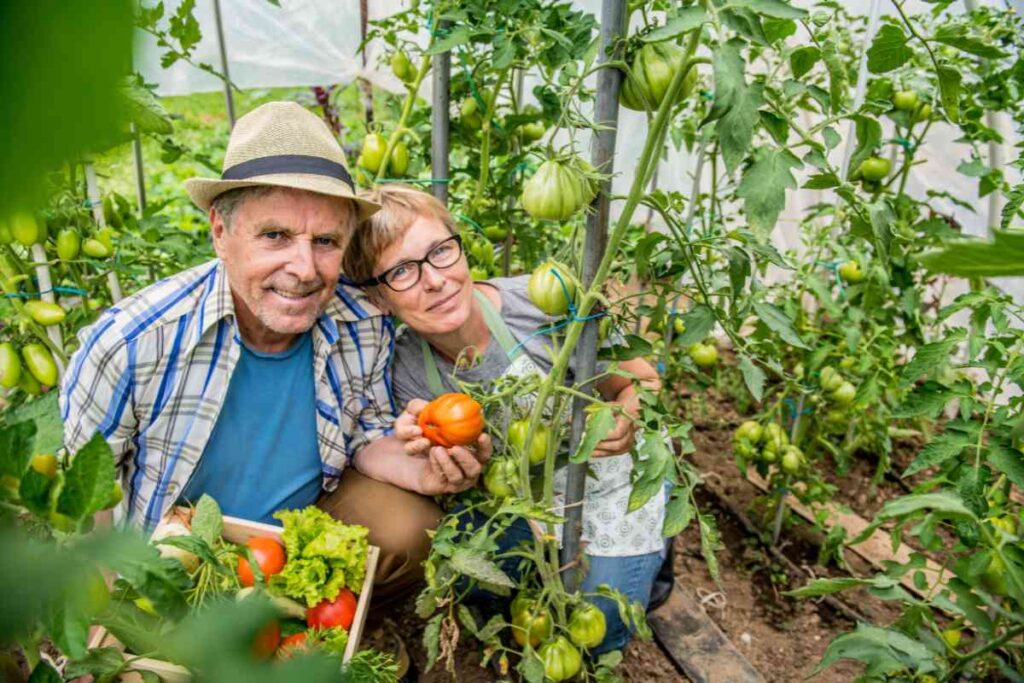
If you love the idea of homegrown veggies but your calendar says otherwise, you’re not alone. The good news: a productive vegetable garden doesn’t have to mean daily chores and constant weeding.
With the right setup, you can grow fresh food with a fraction of the effort. These low-maintenance vegetable garden ideas are designed for busy people who want simple systems, reliable crops, and less time spent “fixing problems.”
1) Start With One Raised Bed (Not a Whole Yard)
A single raised bed is one of the easiest ways to keep maintenance low—especially if you’re new or short on time. You control the soil, reduce weeds, and make watering more consistent.
Keep it low-effort:
Build or buy a bed around 4x8 ft (1.2 x 2.4 m) or smaller so it’s reachable from both sides.
Fill with quality garden soil + compost so plants grow faster and need less “rescuing.”
Add a thick mulch layer right away (more on that below).
Best low-maintenance crops for raised beds: lettuce, bush beans, radishes, peppers, herbs.
2) Go Big on Containers (Patio-Friendly, Weed-Free)
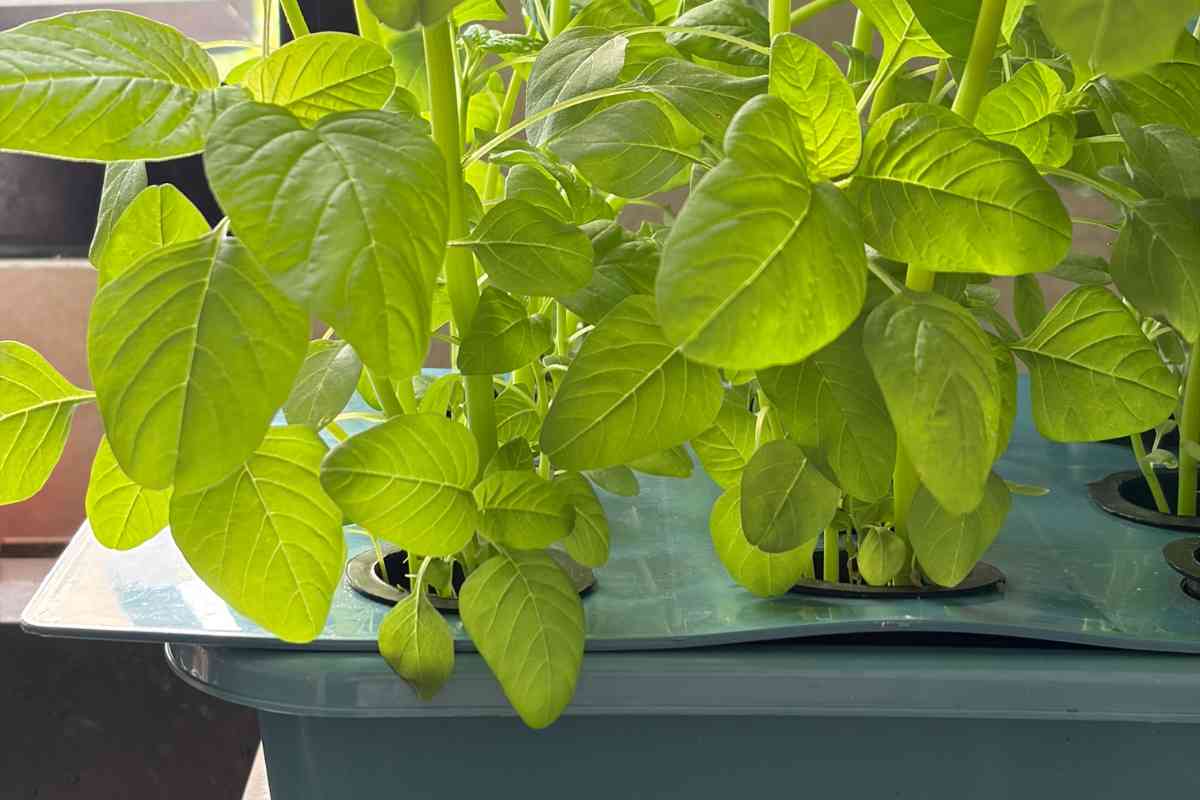
Container gardening is basically “vegetable garden on easy mode”—fewer weeds, fewer pests from soil contact, and you can place plants where they thrive.
Low-maintenance container tips:
Choose larger pots (5–10 gallons / 19–38 L) so they dry out slower.
Use a potting mix labeled for containers (garden soil compacts in pots).
Group containers together to make watering faster.
Great vegetables for containers: cherry tomatoes, peppers, salad greens, kale, bush cucumbers, basil, chives.
3) Plant a “Set-It-and-Forget-It” Crop Zone
Some veggies are naturally forgiving. Build one section of your garden around plants that don’t need constant attention, and you’ll still get harvests even when life gets hectic.
Low-maintenance all-stars:
Garlic (plant once, harvest later)
Potatoes (especially in bags or bins)
Sweet potatoes (warm climates, minimal fuss)
Zucchini (fast, productive, just give it space)
Okra (heat-tolerant and tough)
Tip: If you only have time for a few things, pick crops you actually cook with weekly. That makes the effort feel instantly worth it.
4) Use Mulch Like It’s Your Best Garden Tool

Mulch is the ultimate time-saver. It suppresses weeds, keeps soil moisture steady, and reduces how often you need to water.
Easy mulch options:
Straw (seed-free if possible)
Shredded leaves
Untreated grass clippings (thin layers)
Compost (also feeds plants)
Aim for 2–4 inches (5–10 cm) of mulch around established plants. Leave a little space around stems to prevent rot.
5) Install Simple Drip Irrigation (Or Use Soaker Hoses)
If watering is what makes gardening feel impossible, automate it. Drip irrigation and soaker hoses deliver water right where plants need it—no standing around with a hose.
Keep it simple:
Use a soaker hose in a raised bed or along a row.
Add a basic timer so watering happens even when you forget.
Water early morning for better absorption and fewer disease issues.
Even a small setup can dramatically reduce plant stress—and stressed plants are the ones that demand extra attention.
6) Try Self-Watering Planters for High-Need Crops
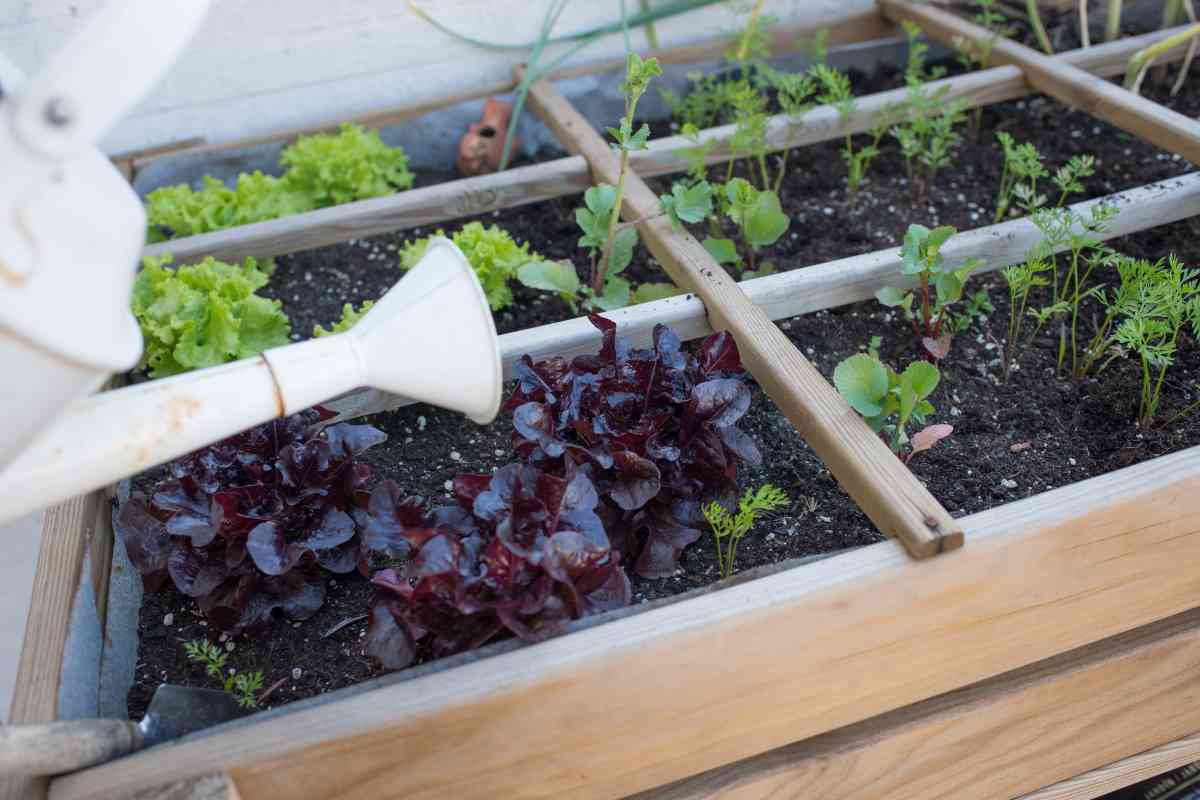
Some vegetables (like tomatoes) are thirsty and dramatic when they don’t get consistent water. Self-watering containers help keep moisture steady with minimal daily effort.
Where they shine:
Tomatoes
Peppers
Eggplant
Basil and leafy greens
Busy-person trick: Keep your “daily check” to one stop—self-watering planters in one cluster. Refill, harvest, done.
7) Grow Vertically to Reduce Mess and Make Harvesting Faster
Vertical growing isn’t just for small spaces—it can be lower maintenance because plants stay cleaner, airflow improves, and harvesting is quick.
Easy vertical options:
Trellis netting for peas and pole beans
Tomato cages (even for some cucumbers)
A sturdy A-frame trellis for climbing crops
Great veggies to grow vertically: cucumbers, peas, pole beans, cherry tomatoes (trained).
A Simple Low-Maintenance Weekly Routine (10–15 Minutes)
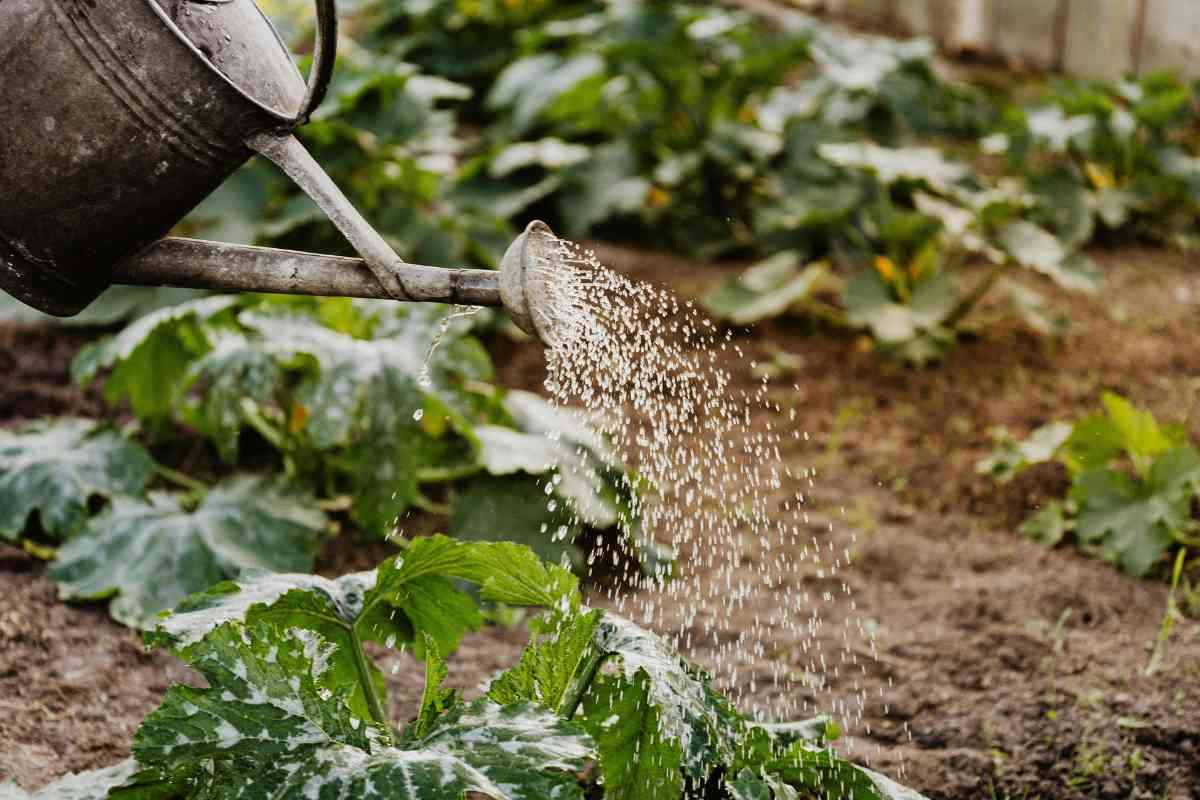
When time is tight, consistency beats intensity. Here’s a routine you can actually keep:
Quick walk-through: check for wilting, pests, or broken stems
Water check: refill self-watering planters / confirm timer is running
Harvest anything ready: prevents waste and encourages more production
Weed “only the obvious”: pull what’s big enough to spot instantly
That’s it. No perfection required.
Common Mistakes That Make a Vegetable Garden High-Maintenance
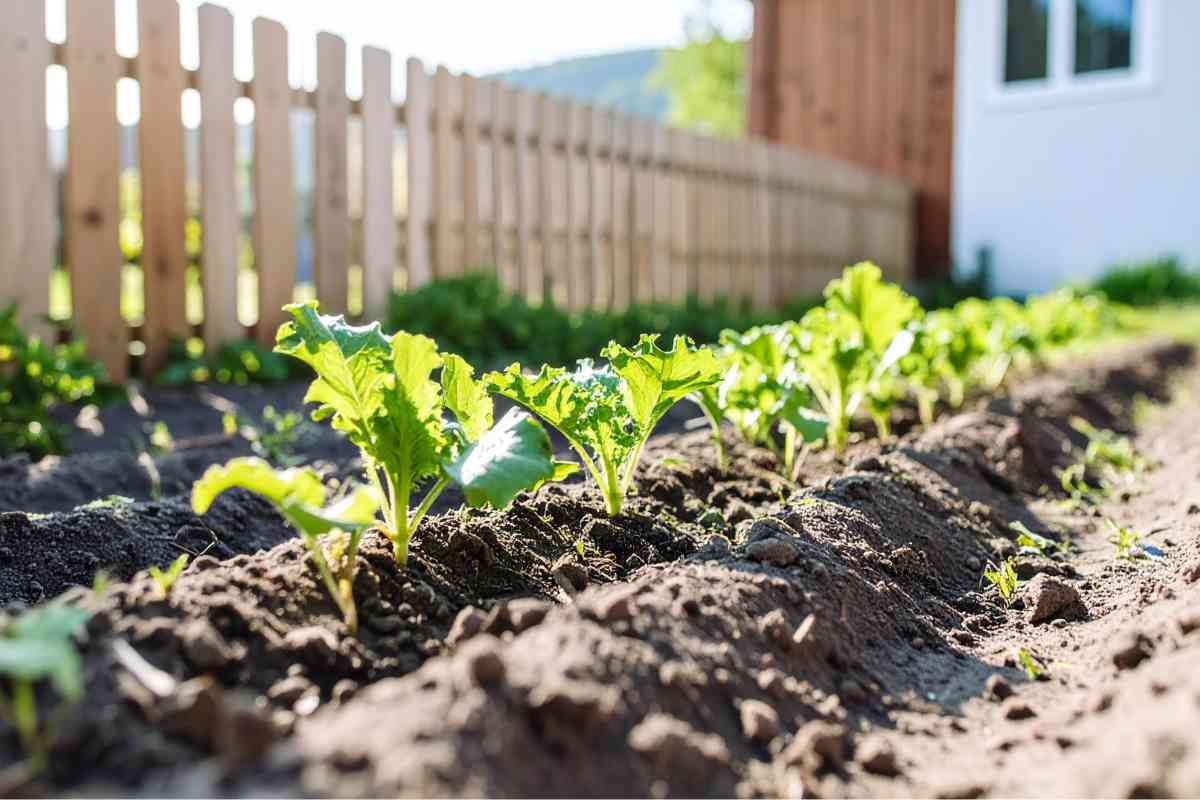
Planting too much too soon
A huge garden sounds motivating… until it becomes a chore. Start small and scale after you’ve nailed your routine.
Skipping mulch
Bare soil is an invitation for weeds and constant watering.
Choosing fussy crops first
Some plants demand attention (looking at you, cauliflower). Start with forgiving winners and add challenges later.
Underestimating container size
Tiny pots dry out fast and stress plants. Bigger containers = fewer emergencies.
Watering randomly instead of consistently
Inconsistent moisture leads to splitting tomatoes, bitter greens, and stressed plants—aka more problems to manage.
A low-maintenance vegetable garden isn’t about doing less—it’s about setting up smarter systems from the start. Pick one or two ideas that fit your space and schedule, then build from there as you gain momentum. Your future self will thank you at harvest time.
— Emily
More Gardening Tips 👇🏼👇🏼