
Fern Varieties and Care: A Complete Guide to Growing Healthy Ferns

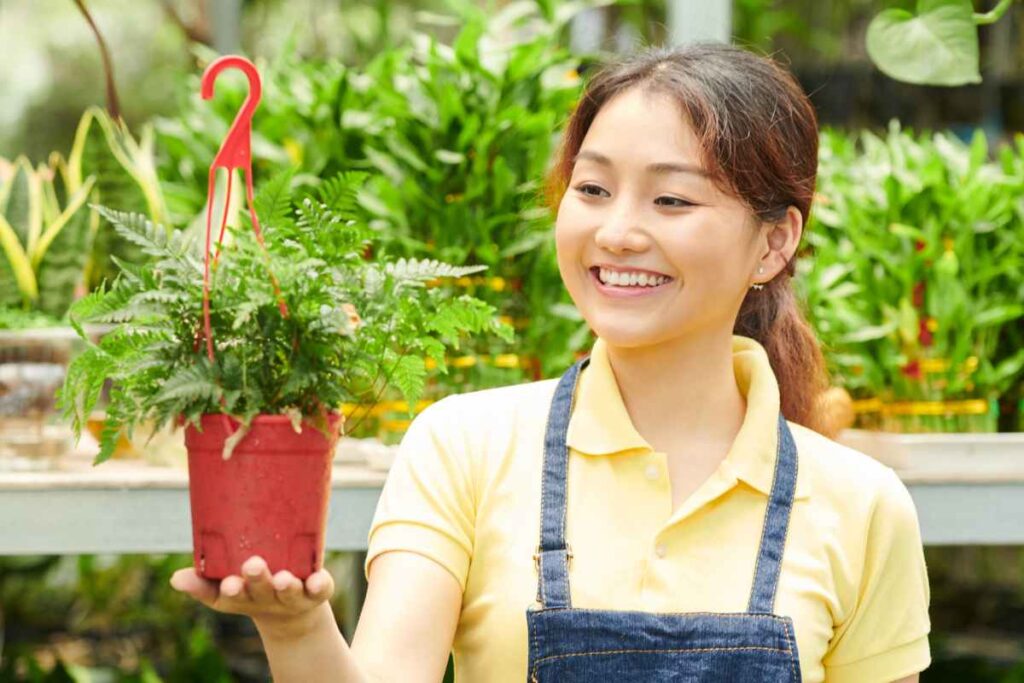
Ferns have been admired for centuries thanks to their elegant foliage, graceful texture, and ability to thrive where many other plants struggle. Whether you're decorating a cozy living room, brightening a shaded patio, or filling a woodland garden, there's a fern variety that fits your space.
In this guide, you'll discover some of the most popular fern varieties, learn what makes each one unique, and find practical care tips to help them stay lush and healthy throughout the year. Whether you're a beginner or an experienced gardener, these tips will help you grow beautiful ferns with confidence.
Why Ferns Are a Great Choice
Ferns offer much more than attractive greenery. Their delicate fronds create texture and movement, making them excellent companion plants for flowers, shrubs, and indoor collections.
Some of the biggest benefits include:
- Excellent for shaded areas where many flowering plants struggle.
- Low-maintenance once established.
- Many varieties make outstanding houseplants.
- Their lush foliage creates a calming, natural atmosphere.
- Available in sizes ranging from compact tabletop plants to dramatic landscape specimens.
Popular Fern Varieties to Grow
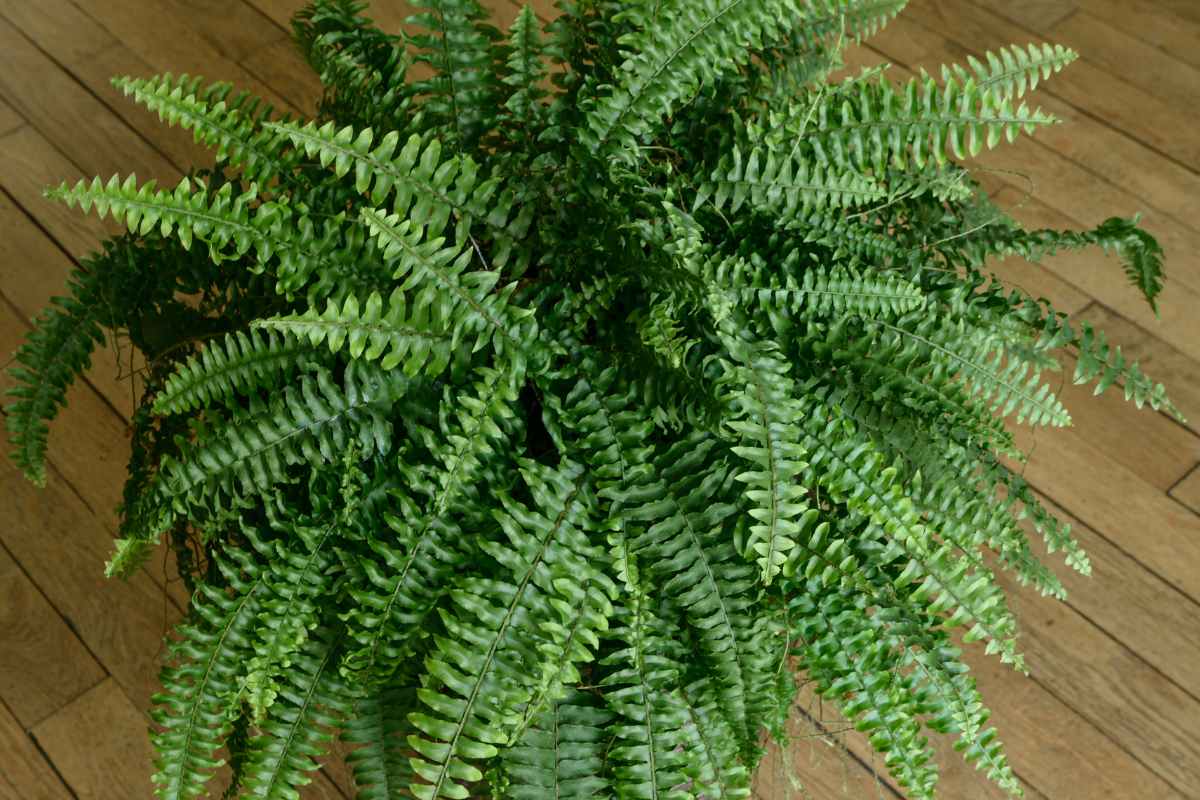
Boston Fern
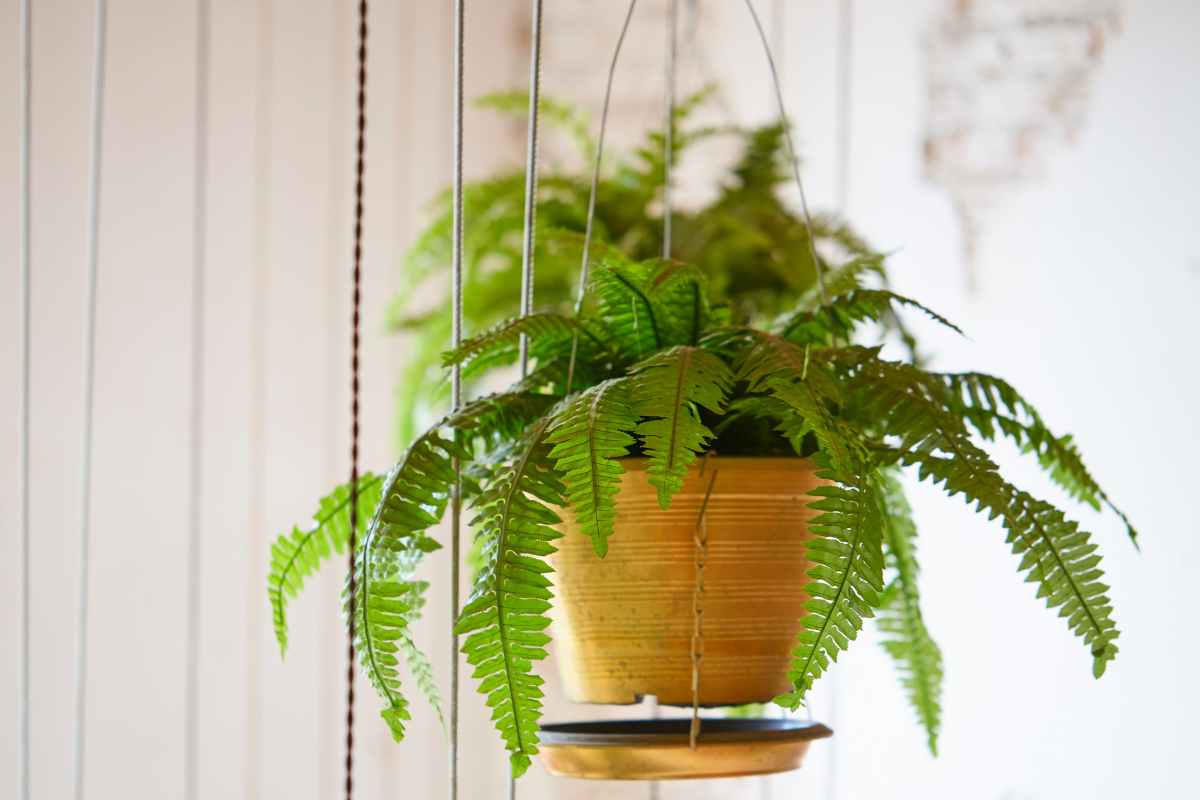
One of the most recognizable varieties, the Boston fern features arching, feathery fronds that look stunning in hanging baskets and containers.
Best for:
- Indoor spaces
- Covered porches
- Hanging baskets
Bird's Nest Fern
Unlike traditional feathery ferns, this variety produces broad, wavy leaves that grow in a rosette shape.
Best for:
- Modern interiors
- Bathrooms
- Tropical plant collections
Maidenhair Fern
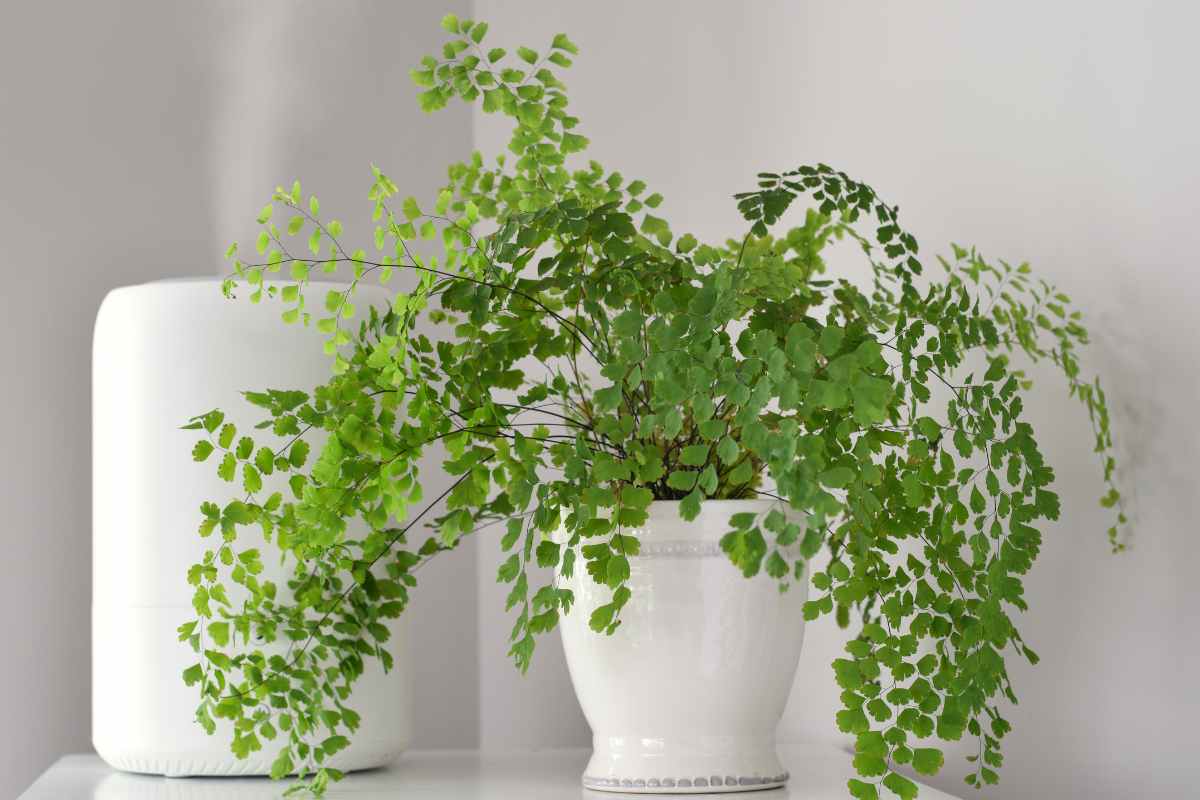
Known for its delicate stems and tiny leaflets, the Maidenhair fern is breathtaking but appreciates consistent moisture and humidity.
Best for:
- Humid indoor environments
- Decorative containers
Japanese Painted Fern
This outdoor favorite stands out with silvery foliage accented by shades of burgundy and green.
Best for:
- Shade gardens
- Woodland landscapes
- Borders
Staghorn Fern
This unique fern grows naturally attached to trees and is often mounted on wood for display.
Best for:
- Indoor statement pieces
- Tropical-style décor
Understanding the Ideal Growing Conditions
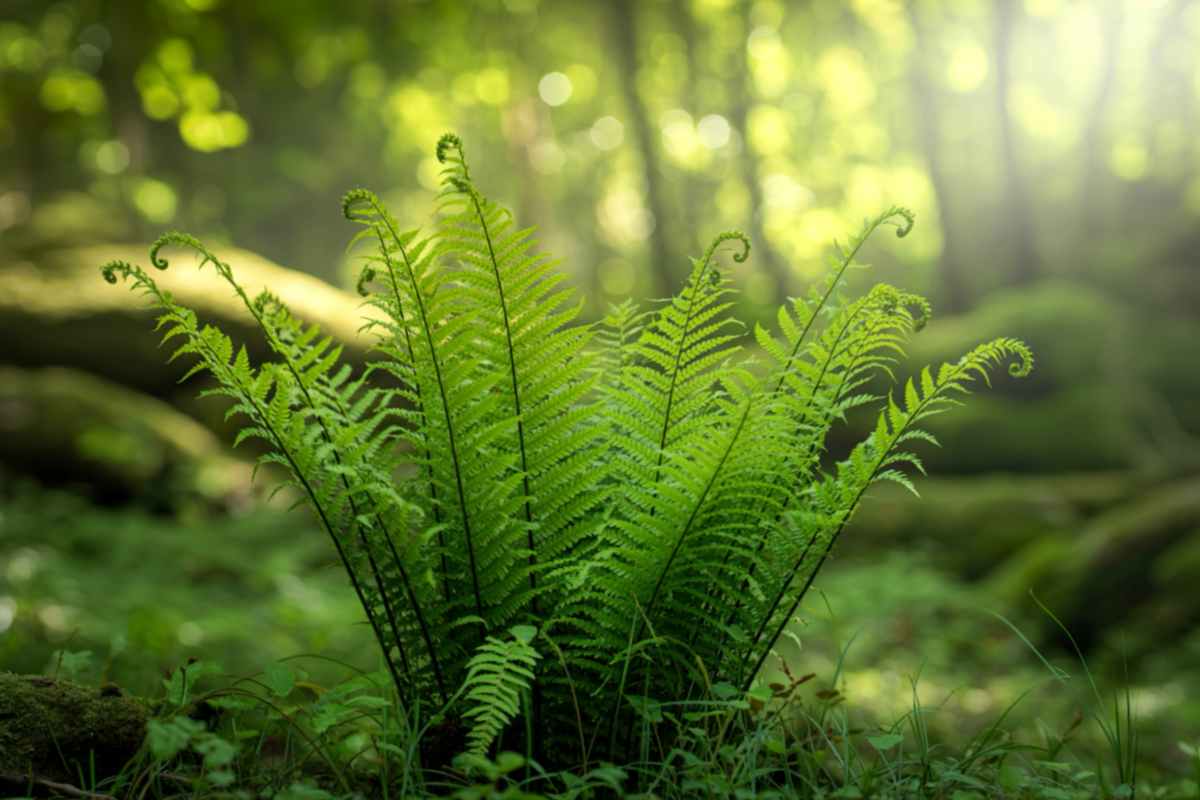
Although different species have unique preferences, most ferns share similar growing requirements.
Light
Most ferns thrive in bright, indirect light or partial shade. Direct afternoon sun can scorch delicate fronds, especially indoors.
Outdoor ferns generally perform best in dappled shade beneath trees or along north-facing garden beds.
Temperature
Most common ferns enjoy temperatures between 60–75°F (16–24°C). Protect tropical varieties from cold drafts and freezing temperatures.
Humidity
Humidity is one of the biggest factors in successful fern care.
Increase humidity by:
- Grouping plants together
- Using a pebble tray filled with water
- Running a humidifier
- Placing humidity-loving ferns in bathrooms or kitchens
Watering and Soil Tips

Proper watering is essential for healthy ferns.
Keep Soil Evenly Moist
Most ferns dislike completely drying out, but they also don't enjoy sitting in waterlogged soil.
A good routine is to water when the top inch (2.5 cm) of soil begins to feel slightly dry.
Choose Well-Draining Soil
Use a rich potting mix that retains moisture while allowing excess water to drain away. Adding compost or organic matter helps improve both drainage and moisture retention.
Feed During Active Growth
Apply a balanced liquid fertilizer at half strength every four to six weeks during spring and summer. Reduce feeding during fall and winter when growth naturally slows.
Simple Care Tips You Can Apply Today
Healthy ferns don't require complicated routines. These simple habits make a noticeable difference.
- Check soil moisture before watering.
- Remove yellow or damaged fronds regularly.
- Rotate indoor plants every few weeks for even growth.
- Dust leaves occasionally to improve photosynthesis.
- Repot when roots begin filling the container.
- Keep plants away from heating vents and air conditioners.
Even small adjustments can help your fern remain vibrant throughout the year.
Common Mistakes That Can Damage Ferns

Many fern problems are easy to prevent once you know what to watch for.
Brown Leaf Tips
Usually caused by:
- Low humidity
- Dry soil
- Excess fertilizer
Yellow Fronds
Possible causes include:
- Overwatering
- Poor drainage
- Aging foliage
Crispy Leaves
Often the result of:
- Too much direct sunlight
- Dry indoor air
- Inconsistent watering
Slow Growth
Growth may slow because of:
- Insufficient light
- Root-bound containers
- Lack of nutrients during the growing season
Observing your plant regularly allows you to correct small issues before they become larger problems.
Indoor vs. Outdoor Fern Care
While care requirements overlap, growing location makes a difference.
Indoor Ferns
- Prefer bright, indirect light.
- Need extra humidity during winter.
- Benefit from occasional leaf cleaning.
Outdoor Ferns
- Thrive in shaded garden beds.
- Appreciate mulch to help retain soil moisture.
- Often require less frequent watering once established.
Matching the right fern to the right location is one of the easiest ways to ensure long-term success.
Enjoy Lush, Healthy Ferns, All Year Long
Ferns are among the most rewarding foliage plants you can grow. With the right balance of moisture, humidity, filtered light, and well-draining soil, they reward gardeners with beautiful green fronds season after season.
Whether you choose a classic Boston fern, an elegant Maidenhair, or a striking Japanese Painted fern, a little consistent care goes a long way. Start with one variety that suits your space, and you'll soon discover why ferns remain timeless favorites for both indoor and outdoor gardens.
— Emily
More Gardening Tips 👇🏼👇🏼