
7 Monstera Plant Care Tips You Need to Know

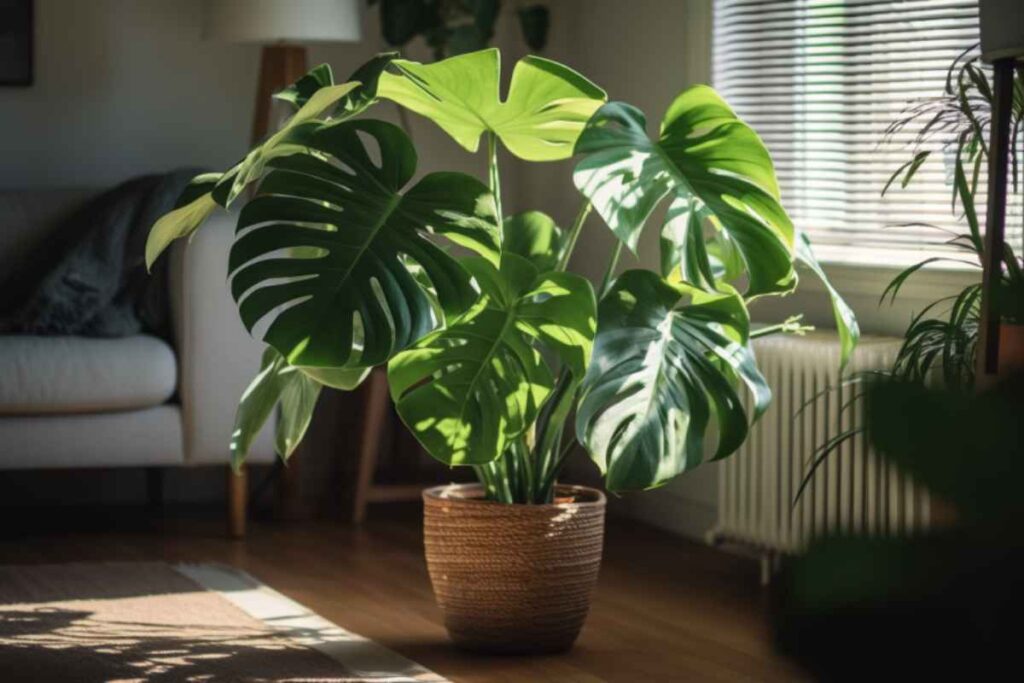
Monstera deliciosa is loved for its large, dramatic leaves and tropical look, but keeping this popular houseplant happy means paying attention to a few important growing conditions.
The good news is that Monstera plant care doesn't need to be complicated. Once you understand what your plant needs when it comes to light, water, soil, humidity, and regular maintenance, it's much easier to create a consistent care routine.
In the video below, you'll discover 7 essential Monstera care tips covering lighting, temperature and humidity, soil mixture, fertilizer, pruning, pest management, and watering.
How to Care for a Monstera Deliciosa Indoors
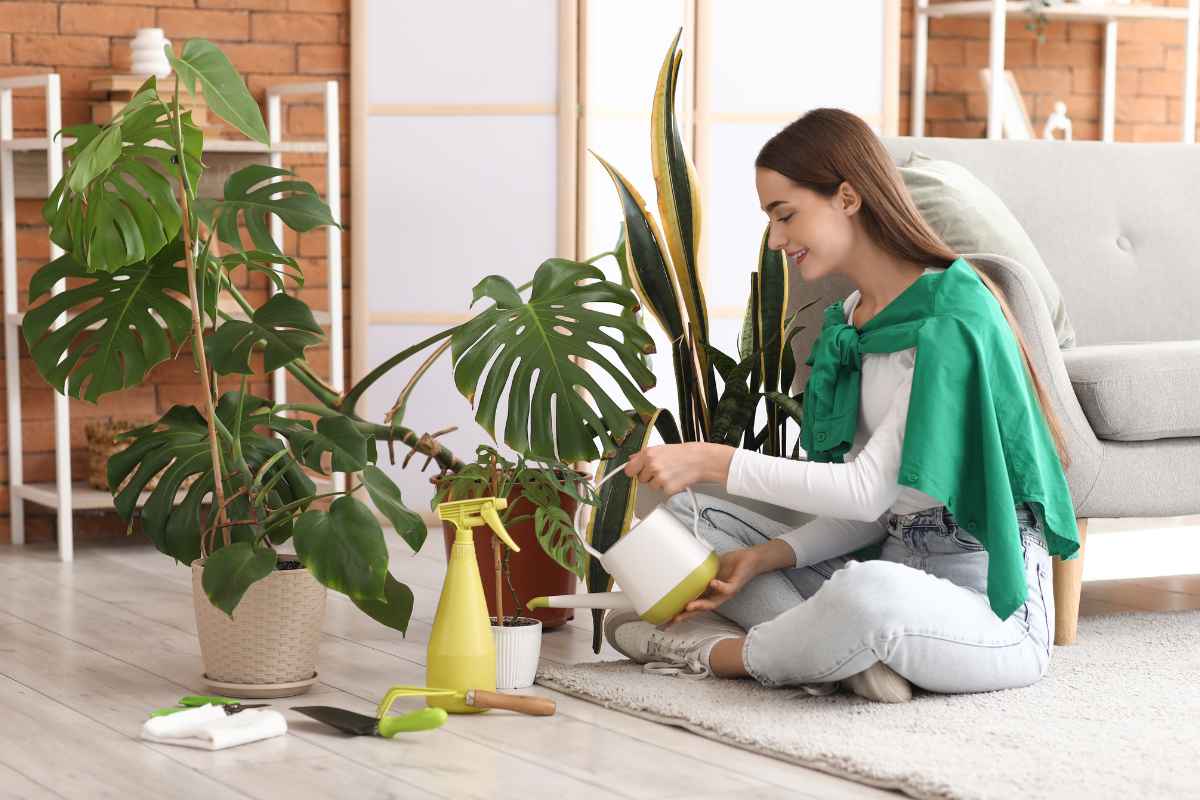
A healthy Monstera starts with the right environment. While every home is different, paying attention to light, temperature, humidity, and watering habits can help you understand how your plant responds to its growing space.
Monsteras generally appreciate bright conditions without spending long periods exposed to harsh direct sunlight. Light also plays an important role in overall growth, so the location you choose for your plant is worth considering carefully.
Temperature and humidity are another part of the equation. Since Monstera deliciosa is a tropical plant, it tends to appreciate warm, relatively humid indoor conditions. Sudden temperature changes, cold drafts, or very dry conditions can make the environment less comfortable for the plant.
Just as important is what is happening below the soil. A suitable Monstera soil mixture should allow excess water to drain rather than remaining wet for long periods. Good drainage and thoughtful watering work together, which is why focusing on one without the other can make plant care more difficult.
7 Essential Monstera Care Tips for Healthy Growth
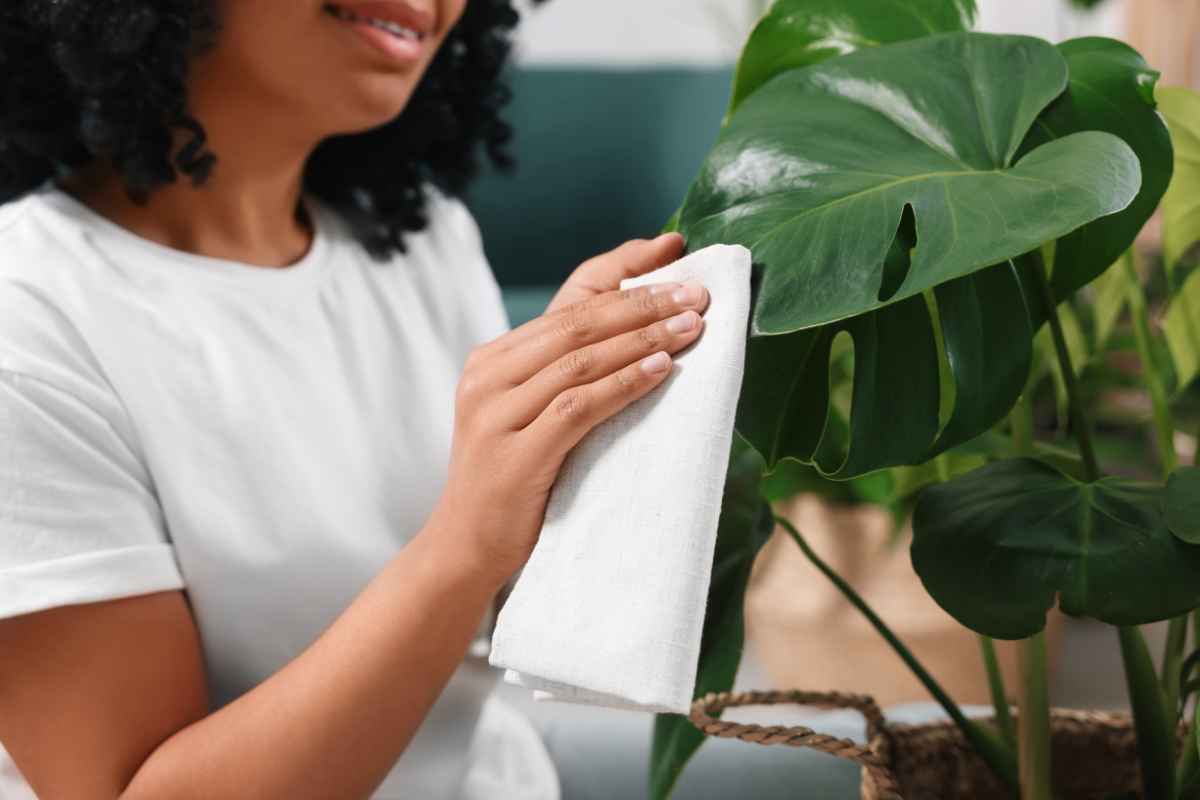
The video walks through seven areas that are worth considering as part of your regular Monstera deliciosa care routine.
1. Lighting
Choosing the right location is one of the first steps in Monstera care. Pay attention to how much light reaches your plant throughout the day and how the leaves respond to its current position.
Light conditions can change with the seasons, so a spot that works well during one part of the year may need to be reassessed later.
2. Temperature and Humidity
Indoor temperature and humidity can affect how comfortable your Monstera is in its environment. Aim for a relatively stable location and be mindful of cold drafts, heating vents, air conditioning, and other sources of sudden temperature changes.
Humidity is also worth watching, particularly when indoor air becomes noticeably dry.
3. Soil Mixture
The right soil mixture helps create a healthier environment around the roots. Drainage is especially important, since a mix that stays overly wet can make watering more difficult to manage.
When choosing or preparing soil for a Monstera, think about both moisture retention and airflow rather than simply using the heaviest potting mix available.
4. Fertilizer
Fertilizer can be part of a regular Monstera care routine, particularly during periods of active growth. However, more fertilizer isn't automatically better.
The type of fertilizer, its strength, and how often it is applied all matter. Following appropriate directions and observing how your plant responds can help you avoid unnecessary overfeeding.
5. Pruning
Pruning can help you manage the appearance and growth of your Monstera. It can also be useful when removing leaves that are damaged or no longer contributing to the plant's overall appearance.
Before making a cut, consider why you're pruning and use clean tools to reduce the chance of introducing problems to the plant.
6. Pest Management
Checking your Monstera regularly makes it easier to notice changes before they become a bigger issue. Look over the leaves, stems, and less visible areas of the plant as part of your normal care routine.
Changes in leaf appearance aren't always caused by pests, so it's helpful to inspect the plant carefully rather than immediately assuming one cause.
7. Watering
Watering is one of the most important parts of Monstera plant care, but it shouldn't be treated as a rigid calendar task. The amount of time soil takes to dry can vary depending on light, temperature, humidity, pot size, and other growing conditions.
Instead of watering automatically on a particular day, pay attention to the condition of the soil and the plant. Combining good watering habits with well-draining soil can help create a much more balanced growing environment.
Monstera Care Tips to Keep in Mind
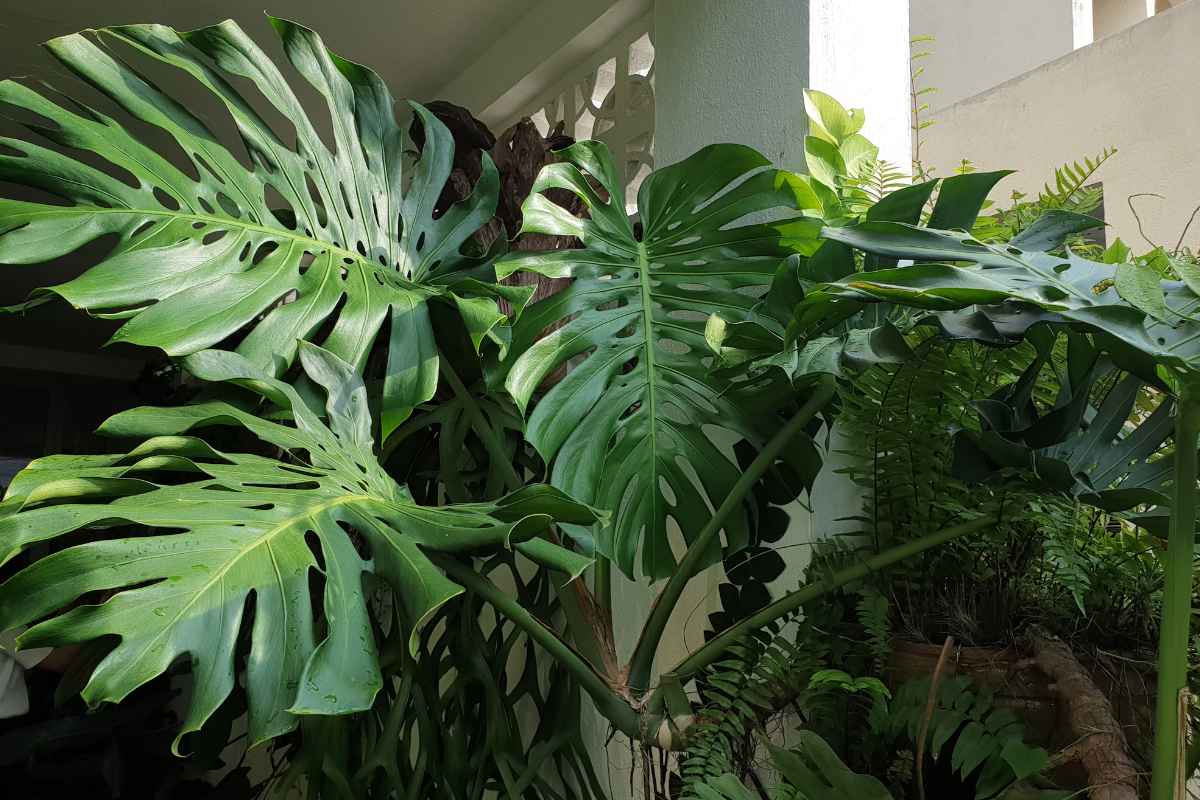
One of the easiest ways to improve your Monstera care routine is to look at the plant as a whole. Light affects how quickly the plant uses water, while temperature and humidity can influence how quickly the soil dries. Soil and drainage, in turn, affect how much moisture stays around the roots.
This is why changing several things at once can make it difficult to understand what your plant actually needs. Observe your Monstera regularly and make thoughtful adjustments based on its growing conditions.
The video below brings all seven areas together and gives you a helpful overview of what to consider when caring for a Monstera deliciosa indoors.
Monstera Deliciosa Care: See All 7 Tips in the Video
If you're trying to create a better routine for your Monstera, this video is a useful reference to keep on hand. It covers the essential areas of Monstera indoor plant care, from choosing suitable lighting and managing watering to pruning and watching for pests.
Use it alongside your own observations to better understand how your plant responds to its environment.
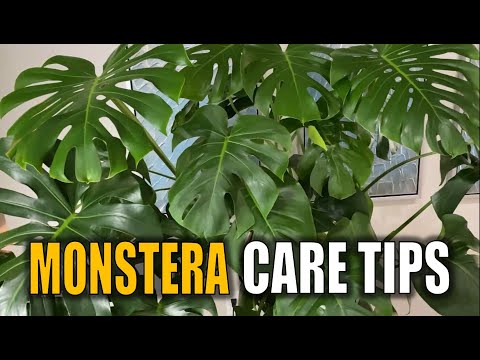
Source: MonstroFarm
Learning how to care for a Monstera becomes much easier when you focus on the basics and stay consistent. Good light, thoughtful watering, suitable soil, and regular observation can go a long way toward helping you understand what your plant needs.
Keep these seven Monstera care tips handy as you adjust your routine and watch your plant grow.
Happy growing!
Emily
More Gardening Tips 👇🏼👇🏼