
Do Succulents Need a Grow Light in Winter? How to Set One Up

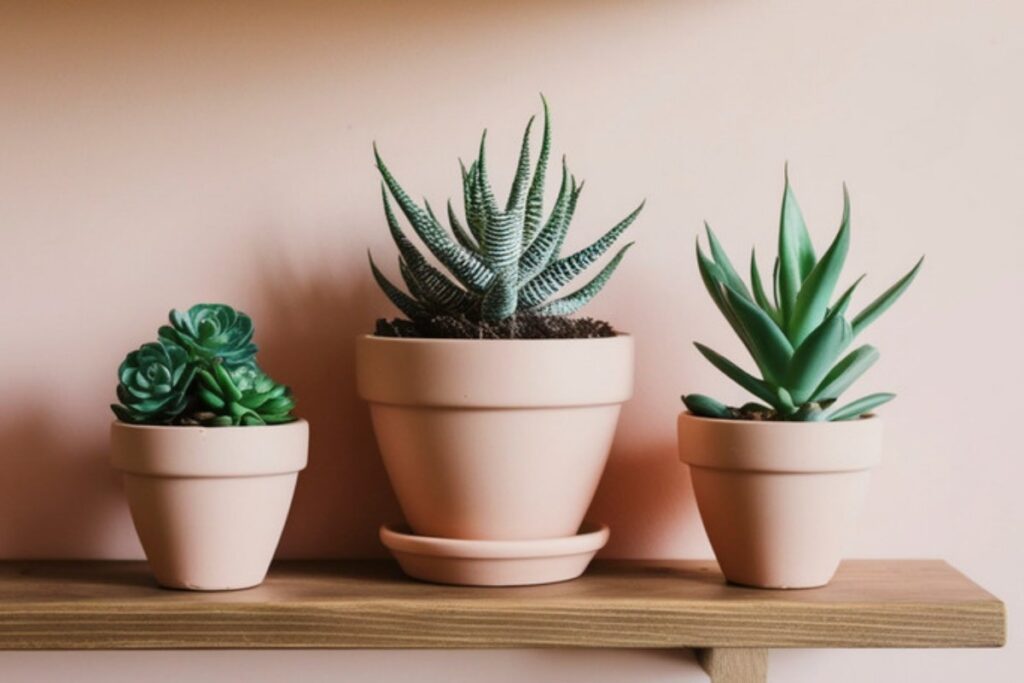
Most succulents kept indoors in winter need a grow light unless they sit in a window that gives them about six hours of direct sun. Short, dull days are not enough for these high-light plants, so they stretch, turn pale and lose their tight rosette shape. A simple LED or fluorescent light hung 6 to 12 inches above the plants and run for 12 to 16 hours a day solves the problem.
Below you'll find how to tell whether your plants are short on light, how to set up a grow light step by step, and what else to change about winter care so your succulents come through to spring looking compact and healthy.
Why Succulents Struggle Indoors in Winter
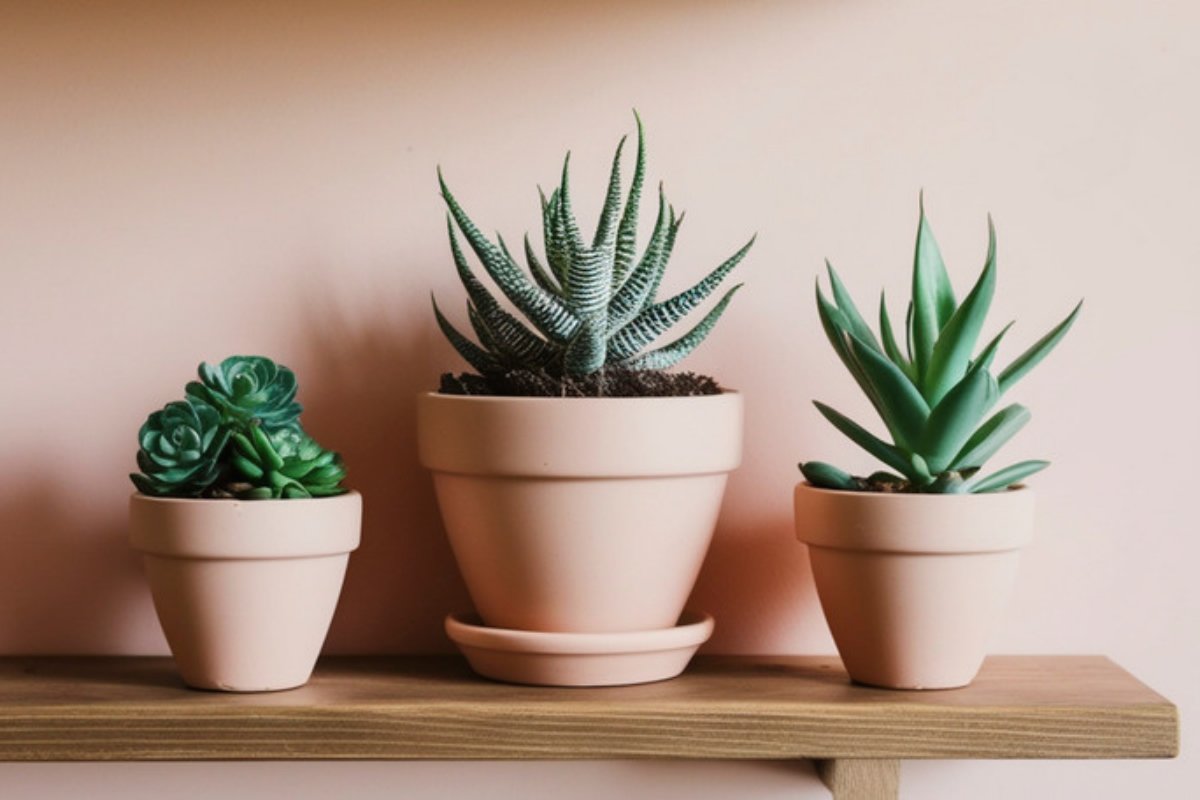
Succulents and cacti are high-light plants. In the University of Maryland Extension's light chart they sit in the "direct indoor sunlight" group, the one that needs four to six hours of direct sun a day, alongside citrus and gardenias. Iowa State University Extension adds that indoor succulents ideally get ten or more hours of bright light a day.
In winter, that is hard to manage. The sun is lower, days are shorter and many windows get only a few hours of real sun. University of Missouri Extension is blunt about it: cacti and succulents need high light intensity, and if you grow them under lamps, the lights have to be strong and close to the plants. A dim corner or a desk lamp across the room won't do the job.
Signs Your Succulent Needs More Light
Low light shows up slowly, which is why it's easy to miss until the plant has already changed shape. Watch for these signs:
- Stretched, lanky new growth. The stem gets longer and the gaps between leaves widen as the plant reaches for light.
- Pale color. New leaves come in lighter green, and colorful types lose their reds, pinks or purples.
- Flattened rosettes. On echeverias and similar plants, the leaves open up and lie flat instead of staying cupped and tight.
- Leaning. The whole plant tilts toward the window.
If you see these, more light is the fix, not more water or fertilizer. For a closer look at how much sun different succulents like, read the ideal amount of sun for succulents.
1. Start With Your Brightest Window
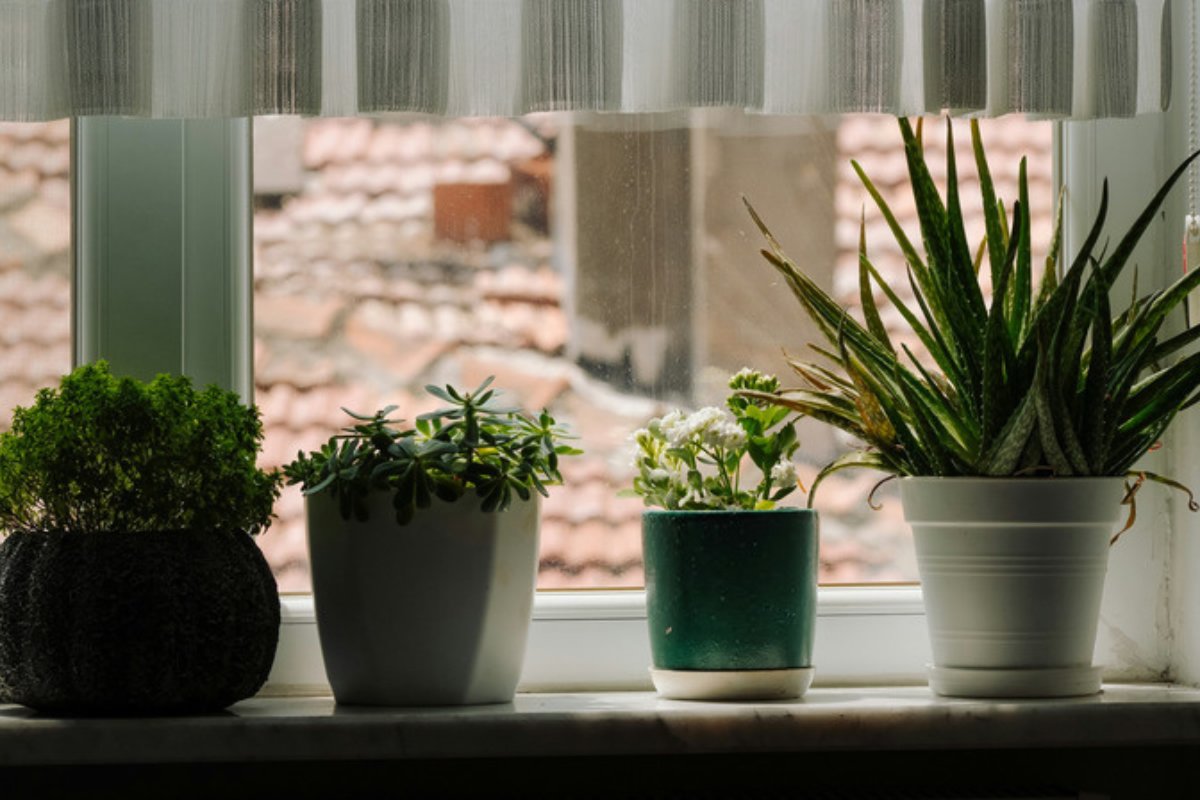
Before buying a light, check what your windows can do. University of New Hampshire Extension recommends about six hours of sun from a south-facing window, and says east or west windows usually work too. University of Kentucky Extension also points to south or west windows as the best spots for houseplants in winter.
Put the pots right where the sun falls, but keep them off cold glass. UNH suggests a draft-free spot that stays above about 50°F. If a window gives only a couple of hours of sun, or your plants are already stretching there, it's time to add a light. North-facing windows rarely give succulents enough; save those for low-light plants like the ones in our list of houseplants for north-facing windows.
2. Choose an LED or Fluorescent Grow Light
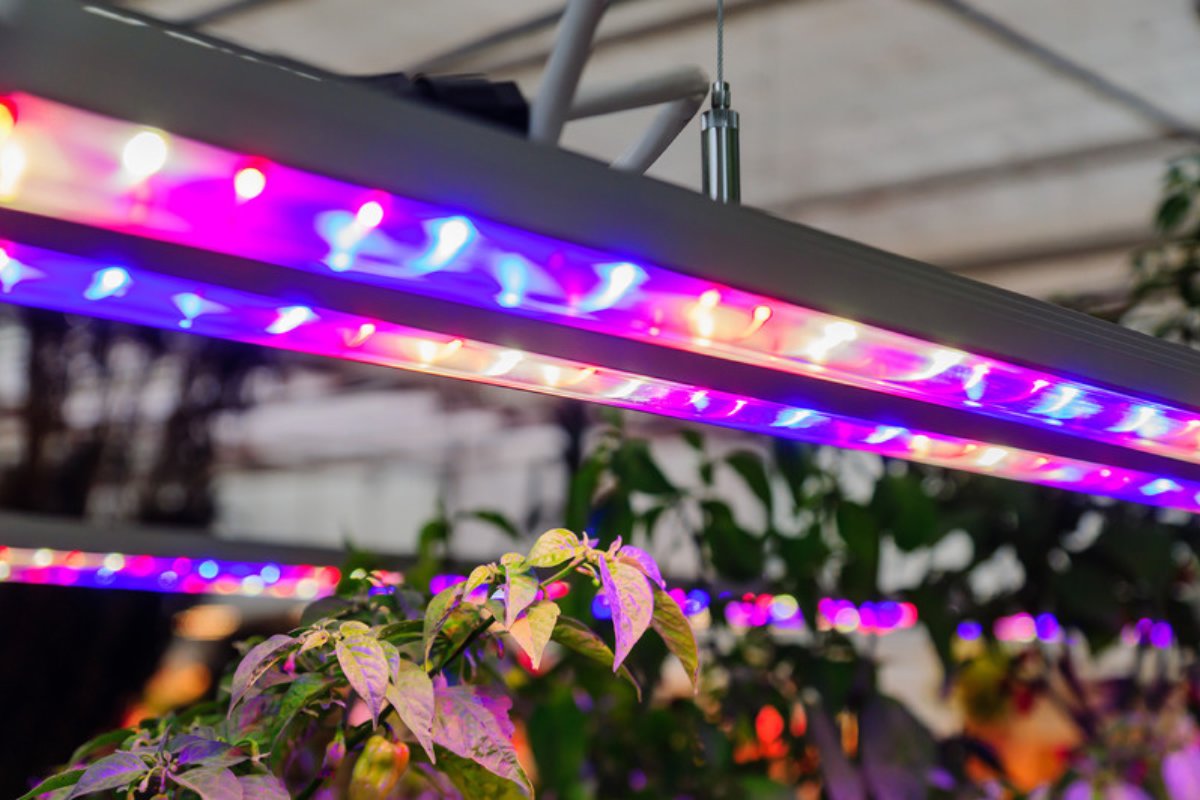
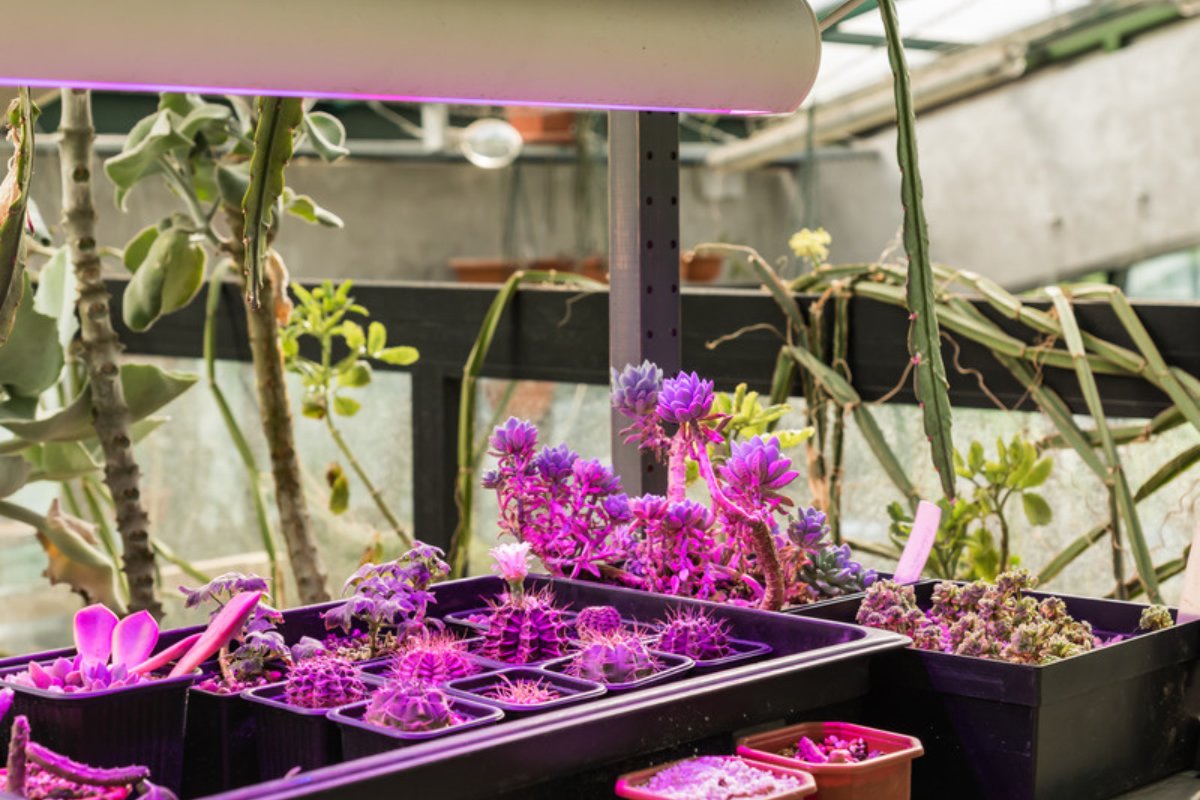
For home growers, the two practical choices are LED and fluorescent. Iowa State recommends high-output, full-spectrum fluorescent or LED grow lights for succulents. University of Missouri Extension notes that LEDs give off very little heat and need no ballasts or reflectors, and that fluorescent tubes also run fairly cool.
Plants use mostly red and blue light, which is why many grow lights glow pink or purple. Full-spectrum "white" grow lights also supply those wavelengths and are easier on the eyes in a living room. Skip ordinary incandescent bulbs: Missouri Extension warns they produce too much heat for most plants.
3. Hang the Light 6 to 12 Inches Above the Plants
Distance matters more than most people expect. Light intensity drops quickly as the lamp moves farther away, so a light that looks bright from across the room delivers very little to the plant. University of Minnesota Extension and University of Missouri Extension both recommend keeping plants 6 to 12 inches from the light source, and Iowa State says to keep succulents within 12 inches.
An adjustable shelf, a hanging fixture on chains or a clip-on light with a flexible arm makes this easy. Group plants of similar height together so they all sit at the right distance, and raise the light as they grow.
4. Put the Light on a Timer
Iowa State recommends running grow lights for 12 to 16 hours a day, and Minnesota Extension suggests 14 to 16. If your plants also get some daylight from a window, Missouri Extension says 12 to 14 hours of artificial light may be enough.
Don't leave the light on around the clock. Maryland Extension explains that most plants need a period of darkness, so keep the total, daylight included, at 16 hours or less. A simple 24-hour plug-in timer keeps the schedule steady, which Missouri Extension calls a valuable asset because lights should go on and off at the same times every day.
5. Don't Move Stretched Plants Straight Into Strong Sun
When a succulent has been living in dim light, a sudden jump to bright, direct sun can scorch it. Iowa State Extension lists this as the main cause of sun scald on succulents: brown or tan patches that don't heal, usually on the newer leaves. Damaged leaves eventually drop, and scars on stems stay for good.
Move pale or stretched plants into brighter conditions over a week or two, and do the same in spring if you plan to set them outside. Iowa State also notes that most succulents appreciate protection from hot afternoon sun.
Keep in mind that the stretched part won't shrink back. Some succulents recover over time once they get enough light, while others need to be cut back so new, compact growth can form. Barrel-type cacti are the exception: Iowa State says their narrow, misshapen growth stays with the plant even after the light improves.
6. Adjust Watering and Temperature for Winter
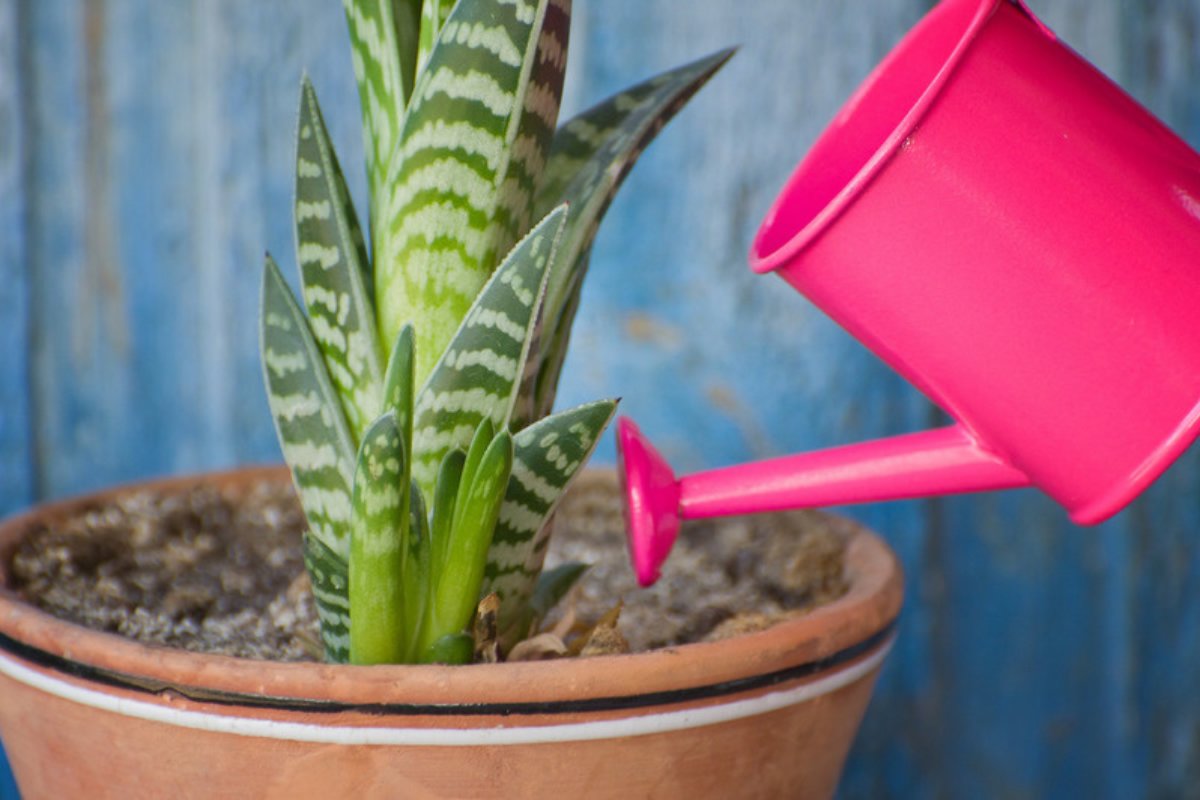
Less light means slower growth, and slower growth means the plant uses much less water. Minnesota Extension advises watering cacti and succulents in the low-light months only enough to keep them from shrinking and withering, and always letting the soil dry out completely between waterings. Kentucky Extension says drought-tolerant plants such as succulents may need water only every two to three weeks in winter; push a finger 1 to 2 inches into the soil and water only if it's dry at that depth.
Use pots with drainage holes and a fast-draining mix, since water trapped in the soil leads to rot. Our guide to proper drainage for succulents covers mixes and pots, and if a plant already looks soft and swollen, see how to save overwatered succulents.
Hold off on fertilizer until spring. Kentucky Extension recommends skipping it in winter and starting again in early spring when new growth appears.
Quick Grow Light Settings for Succulents
| Light type | LED or high-output fluorescent, full spectrum or red/blue |
| Distance | 6 to 12 inches above the plants |
| Hours per day | 12 to 16, no more than 16 in total |
| Window light | About 6 hours of sun from a south window; east or west can work |
| Winter watering | Only when the soil is completely dry |
| Minimum temperature | About 50°F, away from cold glass and drafts |
| Fertilizer | None until new growth starts in spring |
Frequently Asked Questions
Can succulents survive winter without a grow light?
Yes, if they sit in a window that gets around six hours of sun and you water sparingly. They may grow very little until spring, which is normal. If they start stretching or turning pale, that window isn't bright enough and a light will help.
How many hours a day should a grow light be on for succulents?
Run it 12 to 16 hours a day on a timer. If the plants also get some window light, the lower end of that range is usually enough. Keep the total under 16 hours so the plants get a dark period each night.
Will a stretched succulent go back to normal?
The stretched stem won't shorten. Once the plant gets enough light, new growth will be compact again. Some succulents grow out of it over time; others look better if you cut off the rosette and replant it so new growth can form.
Can a grow light burn succulents?
Missouri Extension notes that home plant-lighting fixtures make it practically impossible to give most plants too much light. Heat is the bigger risk, which is why LEDs and fluorescents are better choices than incandescent bulbs. Sudden moves from dim light into strong direct sun are what usually cause sun scald.
More gardening ideas
- Winter Survival Guide for Succulents: How to Keep Them Thriving
- How and When to Water Succulents
- How to Keep Rosemary Alive Indoors in Winter
More Gardening Tips 👇🏼👇🏼