
Tree Bonsai Styles for Beginners


The art of bonsai has fascinated gardeners for centuries. These miniature trees are more than just plants; they are living sculptures shaped through patience, technique, and creativity.
For beginners, one of the first steps is learning about the different bonsai styles.
Each style carries its own character and visual expression, and understanding them will help you decide how you want to shape and care for your tree.
Let’s explore the most popular bonsai styles and what makes each one unique.
Why Bonsai Styles Matter
When we hear the word style, we often think of fashion or design. In bonsai, style serves a deeper purpose: it guides the structure of the tree and tells a story about how it grows in nature.
By studying different bonsai styles, beginners can understand how trees interact with wind, light, and soil in the wild.
Choosing a style doesn’t mean forcing your bonsai into a rigid mold. Instead, it’s about highlighting the natural strengths of your tree.
Some species are better suited to upright growth, while others shine when shaped into cascading or dramatic forms.
The Most Common Bonsai Styles for Beginners
Formal Upright (Chokkan)
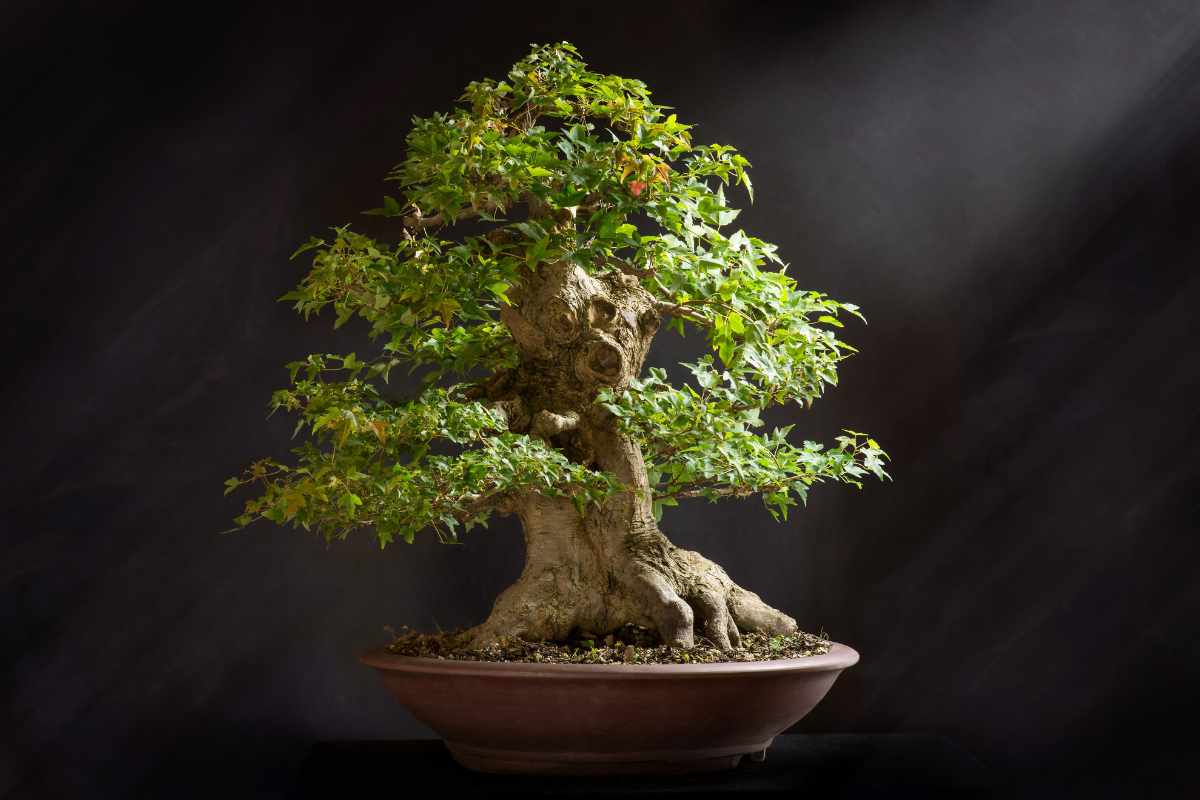
This is perhaps the most straightforward style for newcomers. The trunk grows perfectly straight and tapers naturally as it rises.
Branches are arranged in a balanced way, creating a sense of harmony and stability.
This style is often used with pines, junipers, and spruces, which naturally grow upright in the wild. Beginners find this style helpful because it teaches the basics of pruning and structure.
Informal Upright (Moyogi)
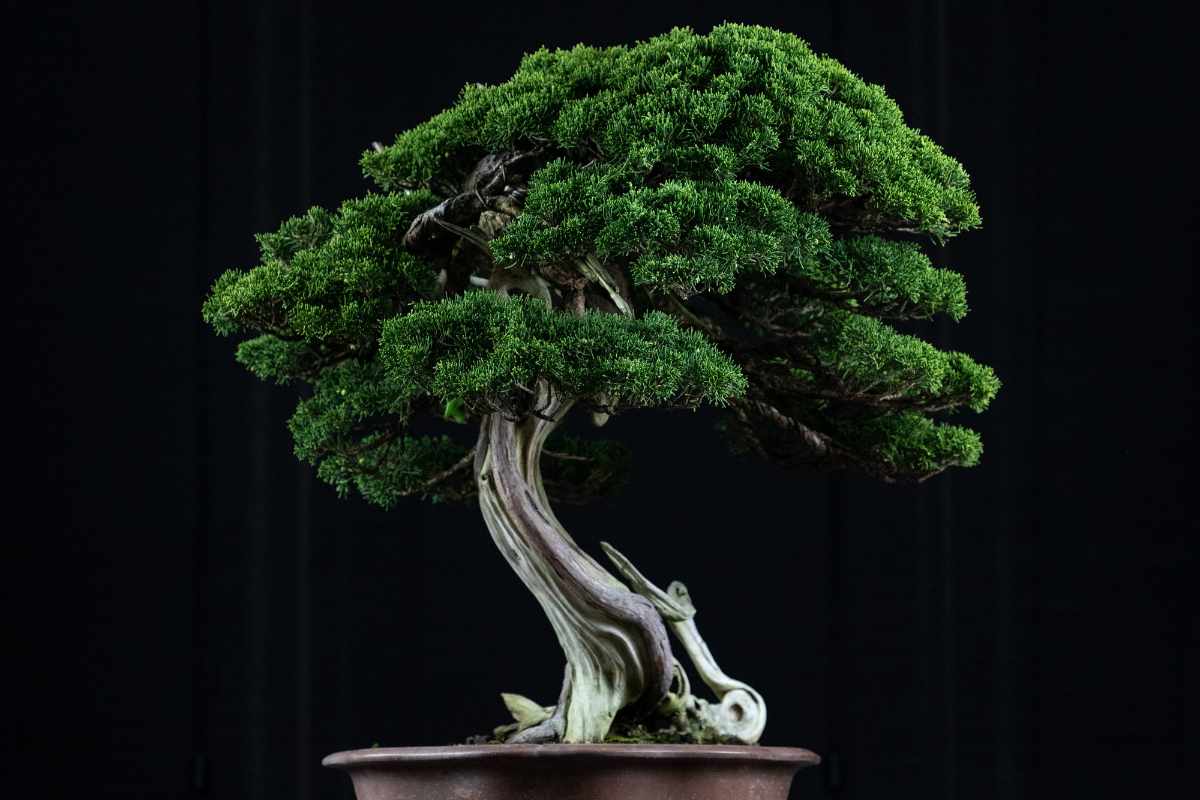
In this style, the trunk grows upward but with gentle curves instead of a straight line.
It reflects the way many trees grow in nature, adjusting to wind or obstacles.
Informal upright bonsai look dynamic and full of life, and they give beginners more flexibility to experiment with shaping techniques.
Many deciduous species adapt beautifully to this style.
Slanting (Shakan)

The slanting style shows a tree growing at an angle, as though it had to reach for light or was shaped by strong winds.
The trunk leans, but the roots spread firmly in the soil, giving balance and strength.
This style teaches the importance of root positioning and anchoring the tree visually.
Cascade (Kengai) and Semi-Cascade (Han-Kengai)

Cascade bonsai grow downward, as if they were hanging over a cliff or a riverbank.
The trunk flows down past the pot, creating a dramatic and elegant effect. Semi-cascade stops at the rim or just below the container.
These styles are more advanced, but beginners who enjoy a challenge often find them rewarding.
They require careful training of branches and attention to proportion.
Root Over Rock (Sekijoju)
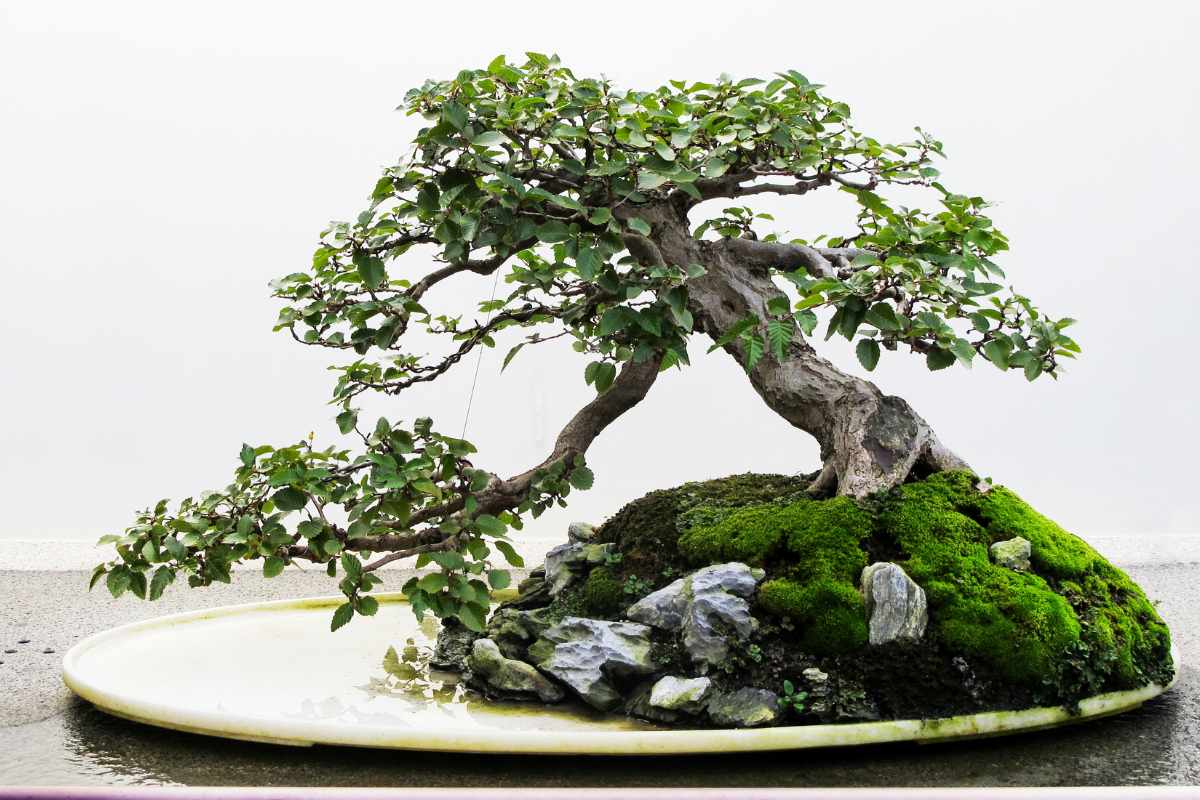
In this striking style, the roots cling to and wrap around a rock before reaching the soil.
It mirrors how trees survive in harsh environments with little earth.
For beginners, it’s a fascinating way to combine natural elements and create a strong visual impact. Patience is essential, as it takes time for the roots to integrate with the rock.
Forest (Yose-ue)
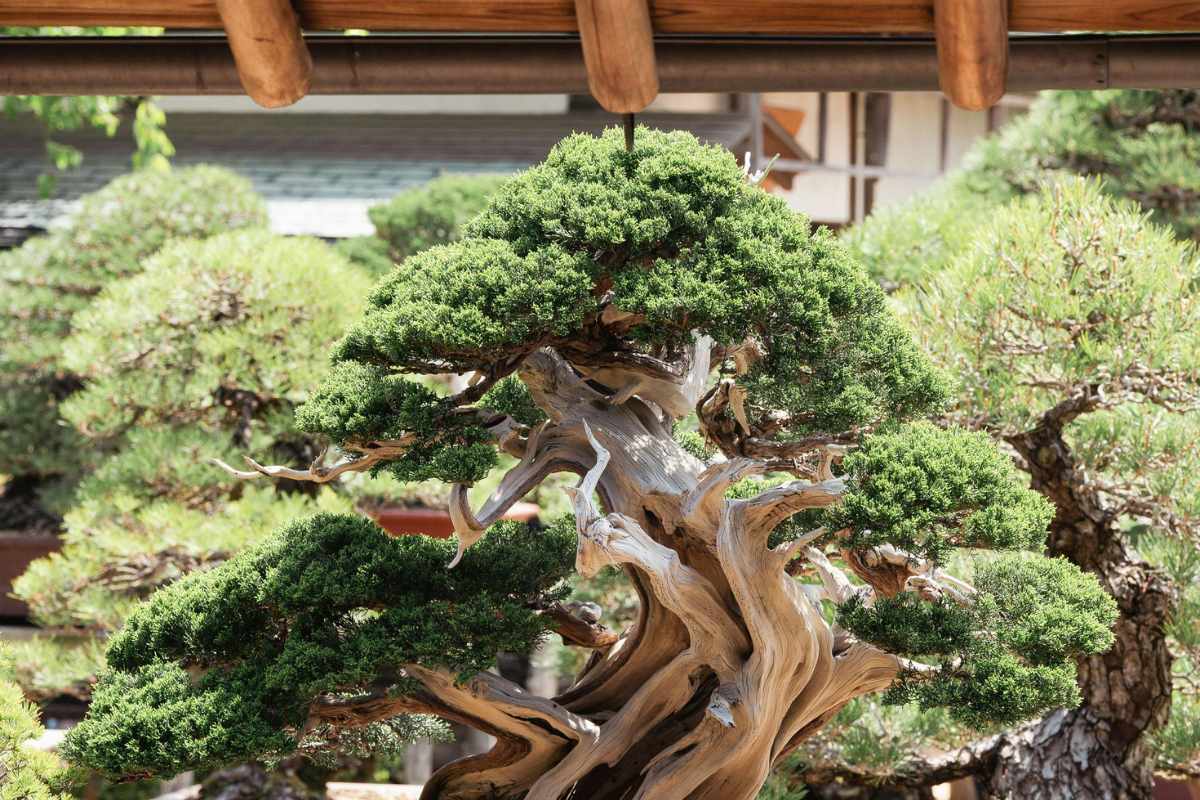
The forest style uses multiple trees planted in the same pot to mimic a small woodland.
Typically, odd numbers of trees are used to make the arrangement look more natural.
This style teaches beginners about spacing, perspective, and balance. A forest bonsai creates a miniature landscape that feels alive and harmonious.
How to Choose the Right Style
Beginners often wonder if they should pick a style before buying a tree or let the tree guide the decision.
The truth is, both approaches work. If you already know you love the look of a cascade, you can search for species with flexible trunks.
If you already own a young tree, observe its natural growth: is the trunk straight, curved, or leaning? Its form can inspire the best style.
It’s also worth considering your climate and environment.
Some species are more resilient outdoors, while others adapt better to indoor care.
Choose a style that matches not only the tree’s natural form but also your level of experience and the time you can dedicate to shaping it.
Enjoy The Video Tutorial

Source: Mă-Kè Bonsai
Don’t forget to Subscribe to our Newsletter to receive amazing tips and tricks about Gardening and the FREE Ebook Green Living Strategies!
Did you find this post Useful or Inspiring? Save THIS PIN to your GARDENING Board on Pinterest! 😊

Once again, thank you for visiting our website!
We hope you've enjoyed exploring the content we've created for you.
Give yourself the chance to learn, get inspired, and have even more fun, keep browsing...
More Gardening Tips 👇🏼👇🏼