
What Soil Does Your Bonsai Need?


When it comes to bonsai care, choosing the right soil is one of the most critical factors for ensuring your tree’s health and longevity.
While Akadama has long been a go-to choice for bonsai soil, it's important to understand its limitations and explore alternative soil components that might be better suited to your bonsai’s needs.
In this guide, we’ll walk you through everything you need to know about bonsai soil, including key ingredients, recommended mixes for various species, and tips on maintaining healthy soil.
Understanding Bonsai Soil

Bonsai trees are different from typical houseplants, and so are their soil needs. Bonsai soil must:
Provide excellent drainage to prevent waterlogging, which can lead to root rot.
Retain moisture without becoming soggy, ensuring that roots are hydrated without drowning.
Allow for proper aeration to ensure oxygen reaches the roots for healthy growth.
Unlike traditional potting mixes, bonsai soil is designed to create the perfect balance between these three qualities.
It's important to tailor the soil to your specific bonsai species and the climate you live in.
Key Components of Bonsai Soil
To create an ideal growing environment, bonsai soil typically consists of several key ingredients.
Let’s look at the most common components:
Pumice
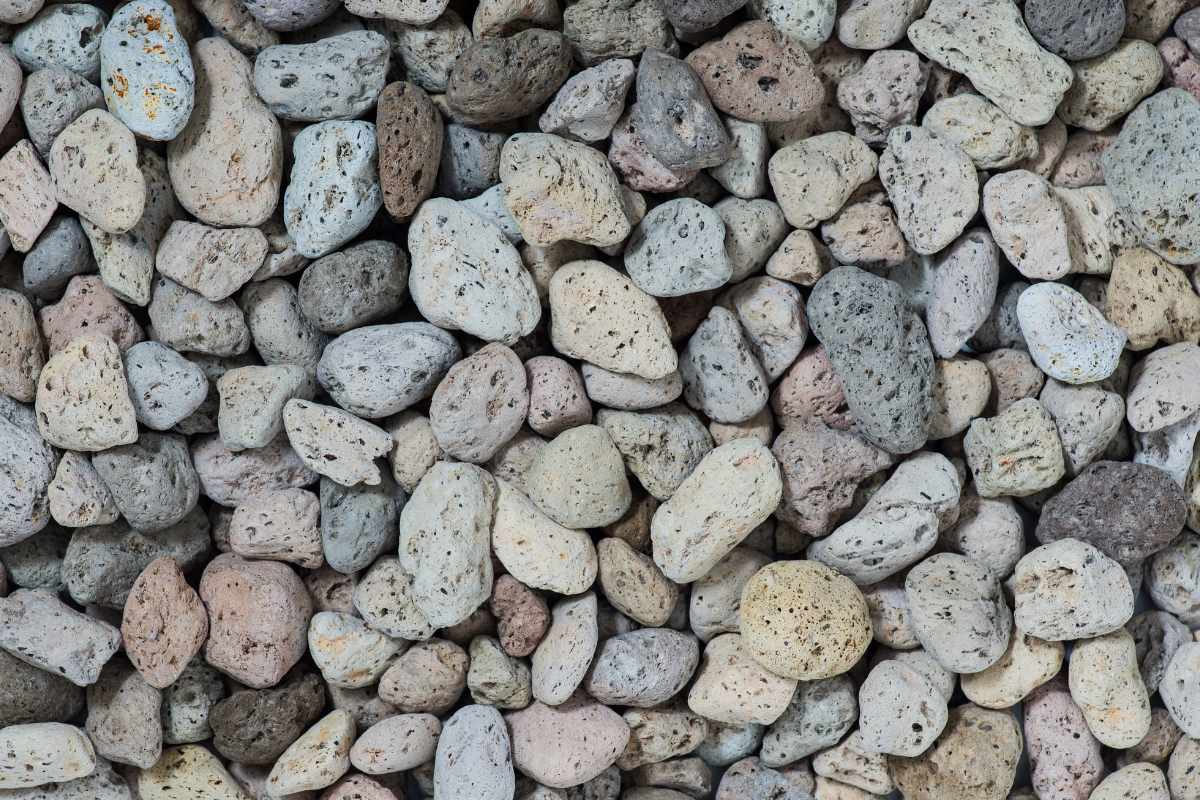
Pumice is a lightweight, porous volcanic rock that provides excellent drainage and aeration.
It helps prevent soil compaction and promotes strong root development.
Unlike organic materials, pumice does not break down over time, making it a durable and long-lasting component for bonsai soil.
Lava Rock
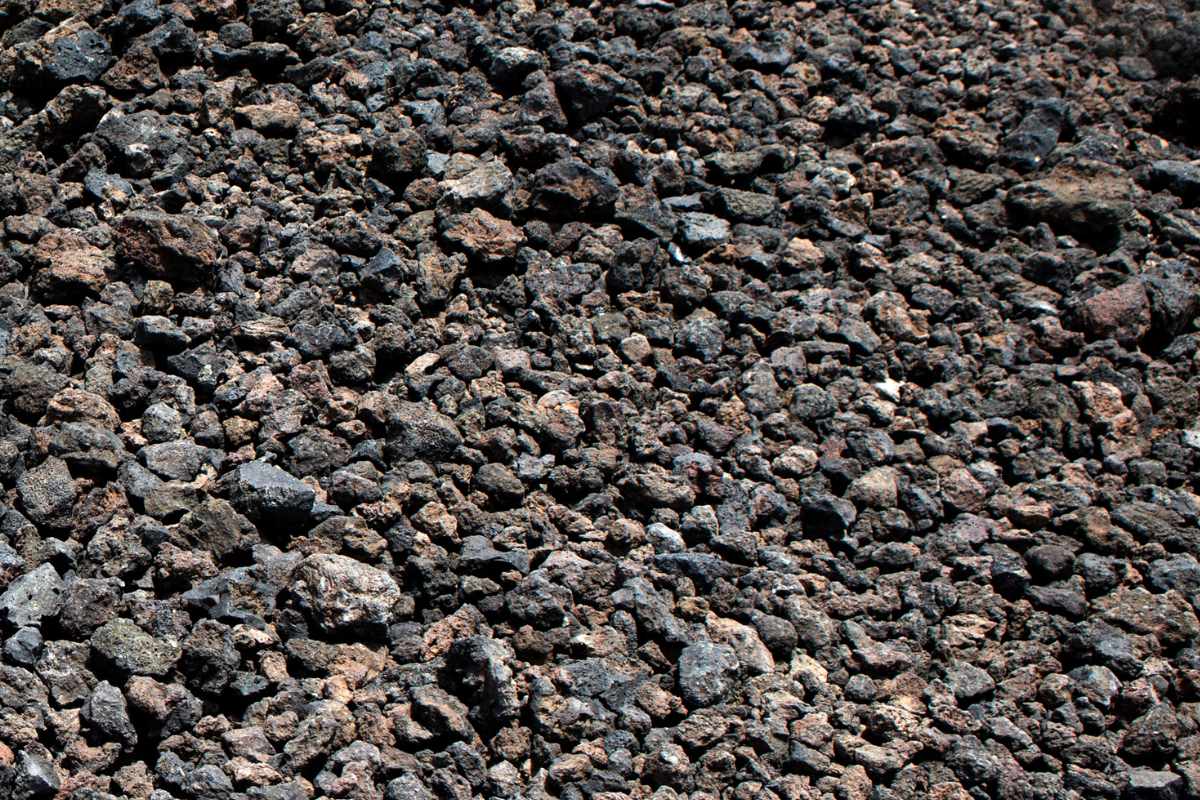
Lava rock is another volcanic material used in bonsai soil. It aids in maintaining soil structure, provides good drainage, and promotes healthy root growth.
It is especially effective in helping soil retain moisture while preventing compaction, making it perfect for many types of bonsai.
Akadama
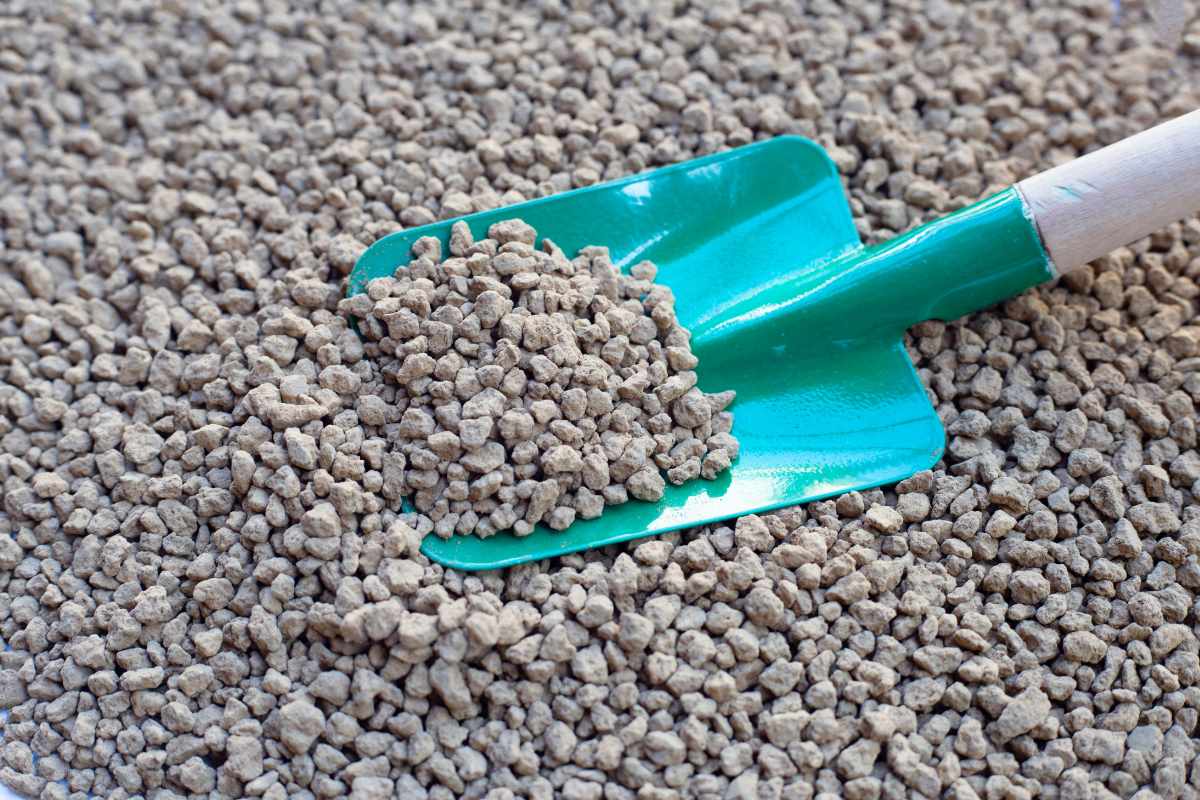
Akadama is a granular volcanic clay that retains moisture and provides nutrients to the bonsai.
However, it has a significant drawback—it breaks down over time, which can reduce its effectiveness as a substrate.
As Akadama decomposes, it can become compacted, which negatively affects drainage and aeration.
For this reason, many bonsai enthusiasts are now opting for alternatives like pumice and lava rock, which do not break down.
Organic Matter (Pine Bark, Coconut Coir)
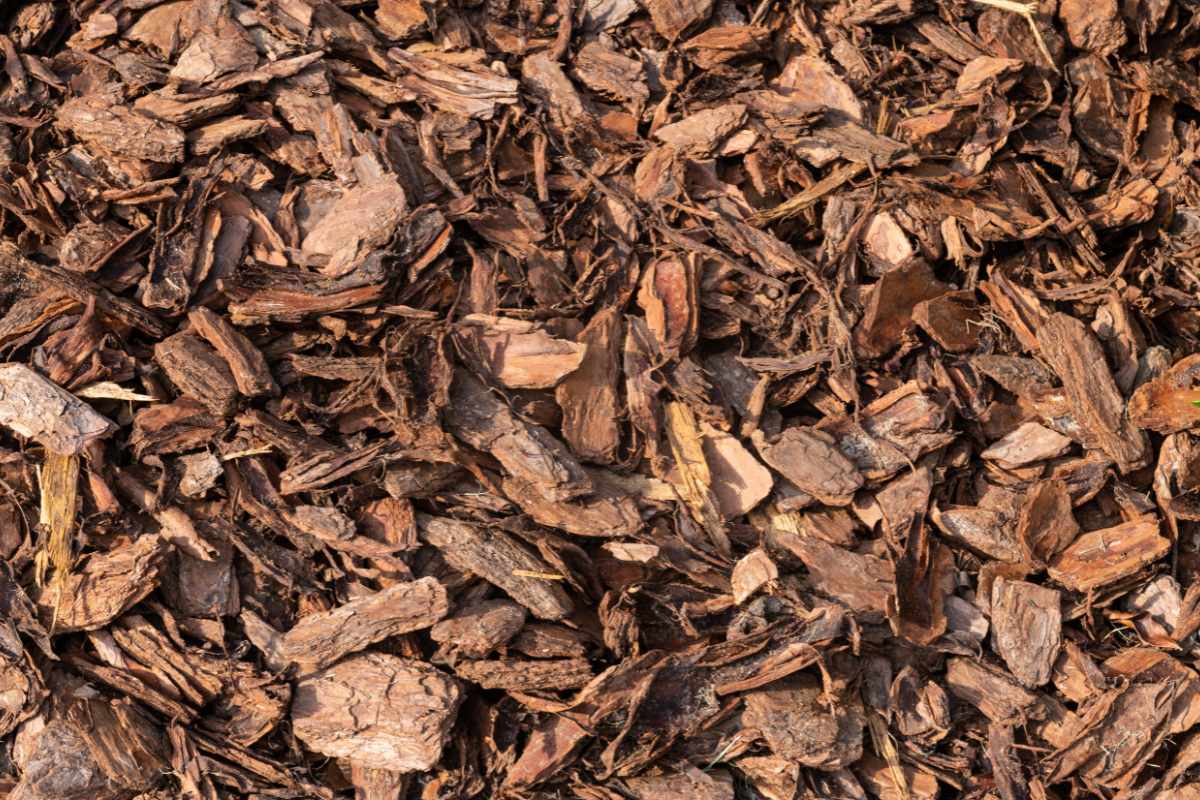
Organic materials like pine bark or coconut coir help retain moisture and nutrients in the soil.
These are especially important for tropical and subtropical bonsai species that require more moisture.
Organic matter also improves soil structure, making it easier for roots to spread and grow.
Recommended Soil Mixes for Different Bonsai Species
The ideal soil mix will depend on your bonsai’s species, as well as the climate in which you live.
Below are recommended mixes for some common bonsai types:
| Bonsai Species | Soil Mix Composition |
|---|---|
| Deciduous Trees | 50% Pumice, 25% Lava Rock, 25% Organic Matter |
| Coniferous Trees | 40% Pumice, 40% Lava Rock, 20% Organic Matter |
| Tropical Trees | 40% Pumice, 20% Lava Rock, 40% Organic Matter |
These mixes are designed to provide the perfect balance of drainage, aeration, and moisture retention, but feel free to adjust them based on your specific tree’s needs.
Maintaining and Refreshing Bonsai Soil

Bonsai soil should be refreshed regularly to ensure that it continues to support your tree’s health.
Over time, soil components can break down or become compacted, which can affect water drainage and root development. Here’s how to maintain and refresh your bonsai soil:
Repotting: Bonsai trees should be repotted every 2-3 years. During repotting, trim the roots and replace the old soil with a fresh mix tailored to your bonsai’s needs.
Refreshing Soil: You can also refresh the soil by removing the top layer and replacing it with fresh material. This process can help rejuvenate the soil without full repotting.
Monitor Moisture Levels: Ensure that the soil is not retaining too much water. Overwatering can lead to root rot, while underwatering can stress the tree.
Environmental Considerations

While Akadama has been a traditional choice, it’s important to consider its environmental impact.
The process of extracting and shipping Akadama can be resource-intensive, and the material itself breaks down over time, which requires more frequent repotting.
As an alternative, pumice and lava rock are more sustainable choices since they do not decompose and are abundant in certain regions.
Final Thoughts

Choosing the right soil for your bonsai is essential for its health and well-being.
While Akadama has been traditionally used, it may not be the best long-term solution due to its tendency to break down.
By using a mix of pumice, lava rock, and organic matter, you can create a more sustainable and durable growing environment for your bonsai.
Keep in mind the specific needs of your bonsai species, and don’t forget to maintain and refresh the soil regularly to ensure your tree thrives for years to come.
By selecting the right soil and maintaining it properly, you can enjoy a flourishing bonsai that remains healthy and beautiful for generations.
Enjoy The Video Tutorial

Source: Bonsai Mirai
Did you find this post Useful or Inspiring? Save THIS PIN to your GARDENING Board on Pinterest! 😊

More Gardening Tips 👇🏼👇🏼