
How to Select Material for Your First Bonsai Trees!


Starting your journey in bonsai is exciting, but also a little overwhelming. One of the most important steps is choosing the right material for your first bonsai tree.
The tree you select will not only shape your learning experience but also influence how successful—and enjoyable—your first attempt will be.
Understanding what “material” means and how to evaluate it is the key to building a strong foundation.
What Does Bonsai “Material” Mean?
When bonsai enthusiasts talk about “material”, they are referring to the plant you will shape into a bonsai.
It can be a young sapling, a nursery plant, or even a collected specimen from the wild.
Good material gives you room to practice styling while still being healthy enough to thrive.
Think of it as your raw canvas—just as an artist chooses quality paper or paints, a bonsai grower must choose the right starting tree.
Preparing Before You Buy

Before heading to a nursery or ordering online, it’s essential to consider your climate, lifestyle, and goals.
If you live in a temperate climate, junipers, maples, and pines can thrive outdoors.
In a warmer or tropical region, ficus or jade are more forgiving.
If you only have space indoors, look for species that tolerate indoor conditions, such as ficus or dwarf jade.
Taking time to match your environment with the species will save you frustration later.
How to Evaluate Bonsai Material
When inspecting potential bonsai trees, use a simple checklist to guide you.
1. Health of the Tree
A healthy tree is non-negotiable. Look for vibrant foliage, pest-free leaves, and firm bark.
Avoid plants with yellowing leaves, mushy roots, or obvious infestations.
A strong, healthy tree will withstand pruning, wiring, and repotting much better than a weak one.
2. The Root System

Roots are the lifeline of your bonsai. Ideally, look for surface roots (nebari) that spread evenly around the base of the trunk.
Avoid trees that are rootbound, with roots circling tightly inside the pot.
If possible, gently lift the plant from its container to check for healthy, white roots.
3. Trunk Structure and Taper
A good trunk gives your bonsai character. Look for a thick base that gradually narrows as it rises—this is called taper.
Straight, broom-like trunks are less desirable unless you plan a formal style.
Slight curves, natural movement, and textured bark will give your tree a mature, aged appearance even when young.
4. Branch Placement
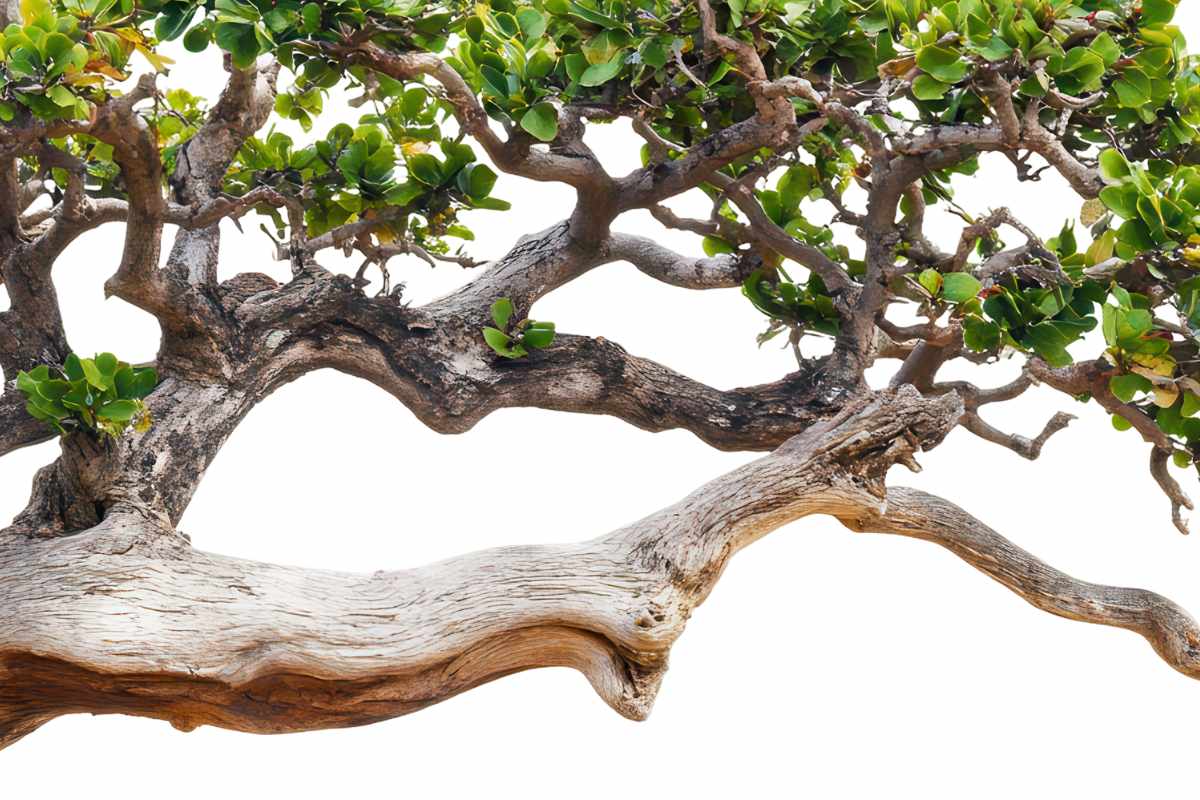
Branches should be well-spaced and not all emerging from the same point.
Ideally, you want lower branches that are thicker and stronger than those above.
This creates a sense of balance and realism. Avoid material where branches cross awkwardly or grow straight upward.
Beginner-Friendly Species to Consider
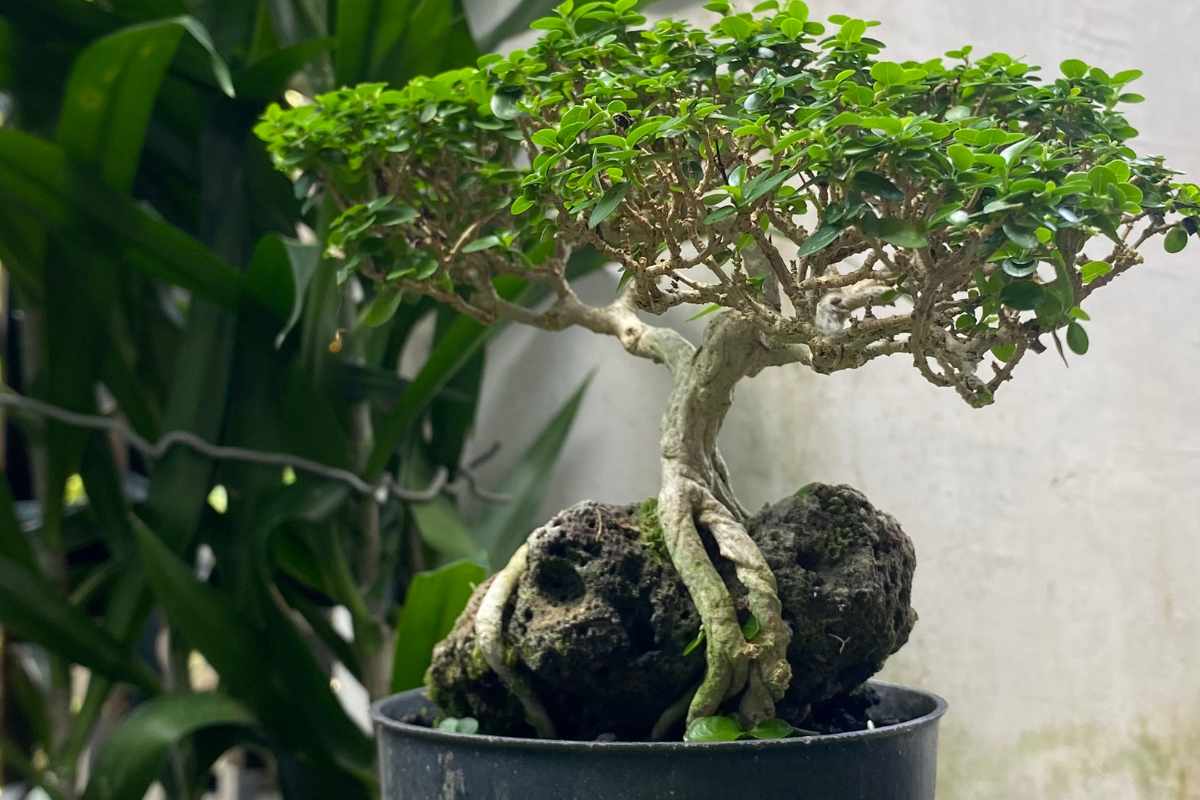
Some species are easier to manage and more forgiving of mistakes.
Here are a few recommended bonsai trees for beginners:
Juniper – Hardy, easy to prune, and classic in appearance. Best kept outdoors.
Ficus – A strong indoor option that tolerates lower light and irregular watering.
Chinese Elm – Very adaptable, with fine leaves that respond well to pruning.
Dwarf Jade (Portulacaria afra) – A succulent species requiring little water and great for beginners in warm climates.
Each of these trees gives you a balance of flexibility, resilience, and aesthetic potential.
Where to Find Bonsai Material
Choosing the right place to buy is as important as choosing the tree itself.
Local nurseries often have young trees that can be trained into bonsai. Look in the shrub or ornamental tree section.
Specialized bonsai shops carry pre-bonsai material already shaped for beginners.
Online sellers can offer variety, but be cautious—read reviews, ask for recent photos, and confirm the tree’s health guarantee.
Bonsai clubs or shows are excellent places to find affordable, well-cared-for material and to get advice from experienced growers.
Taking the Next Step in Your Bonsai Journey
Selecting the right bonsai material is just the beginning. Once you bring your tree home, you’ll need to learn about watering, soil, pruning, and styling techniques.
But with a strong, healthy starting point, you set yourself up for years of learning and enjoyment.
Remember: bonsai is about patience and observation. The first tree you choose may not become a showpiece, but it will teach you the skills and confidence needed to grow.
Treat it as both an experiment and a companion, and the journey will be deeply rewarding.
Enjoy The Video Tutorial Bonsai

Source: Bonsai Mirai
Don’t forget to Subscribe to our Newsletter to receive amazing tips and tricks about Gardening and the FREE Ebook Green Living Strategies!
Did you find this post Useful or Inspiring? Save THIS PIN to your GARDENING Board on Pinterest! 😊

Once again, thank you for visiting our website!
We hope you've enjoyed exploring the content we've created for you.
Give yourself the chance to learn, get inspired, and have even more fun, keep browsing...
More Gardening Tips 👇🏼👇🏼