
Bonsai Technique - Root Over Rock


The Root Over Rock bonsai technique is one of the most visually striking and challenging styles in the art of bonsai.
It involves growing a tree so that its roots cling and drape over a rock, creating a natural, sculptural look that reflects resilience and the harmony between tree and stone.
This technique not only enhances the tree’s beauty but also symbolizes the adaptability and perseverance of nature.
What Is Root Over Rock?
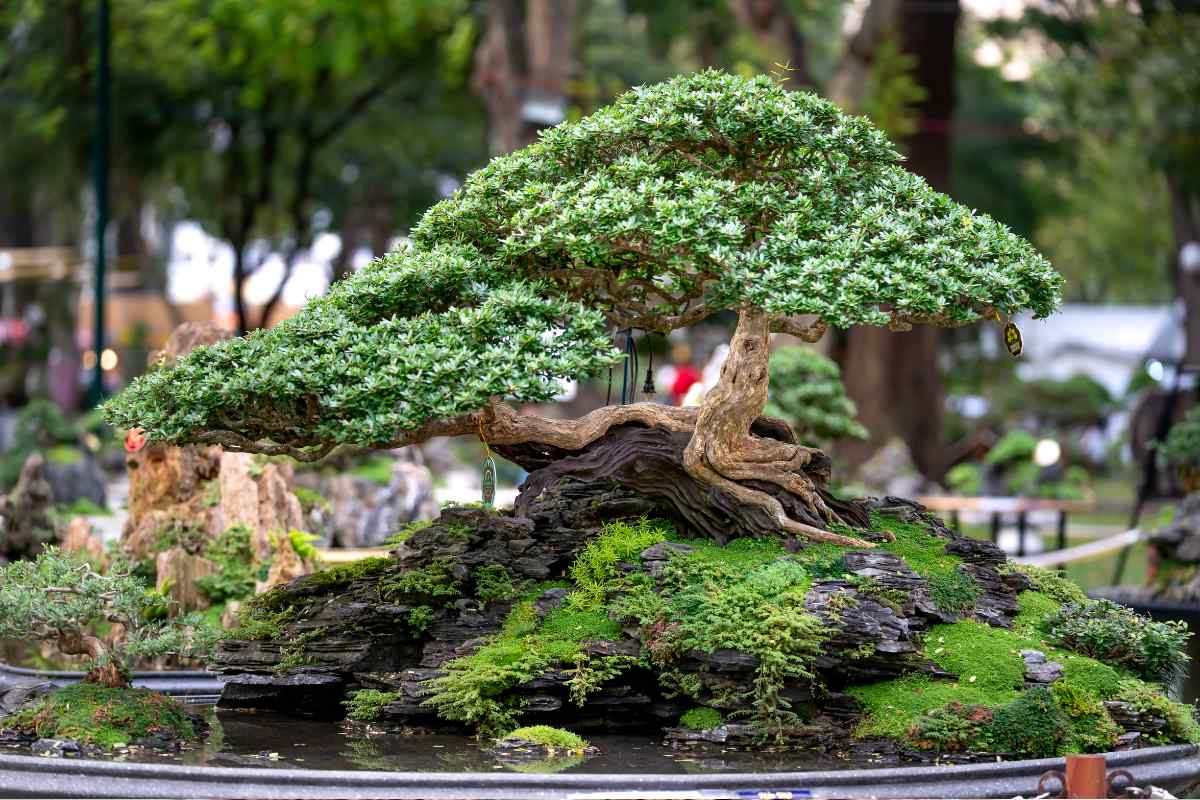
In this style, a young tree is placed on top of a rock, and its roots grow down and around it over time.
The result is a tree whose roots appear to sprout naturally from the rock itself, creating a dramatic, sculptural effect.
This method is ideal for bonsai enthusiasts looking for a project that combines patience, skill, and striking visual results.
Materials Needed

Before starting, gather the following materials:
Rock – Choose one with cracks, crevices, or rough surfaces to help roots grip.
Young tree – Species like Ficus, Chinese Elm, or Serissa work well.
Bonsai soil – A well-draining mix is essential.
Aluminum wire – For securing the tree to the rock.
Sphagnum moss – Helps maintain moisture around the roots.
Plastic wrap or cling film – Keeps roots in contact with the rock.
Temporary pot – For initial growth and root development.
Step-by-Step Guide
1. Prepare the Rock
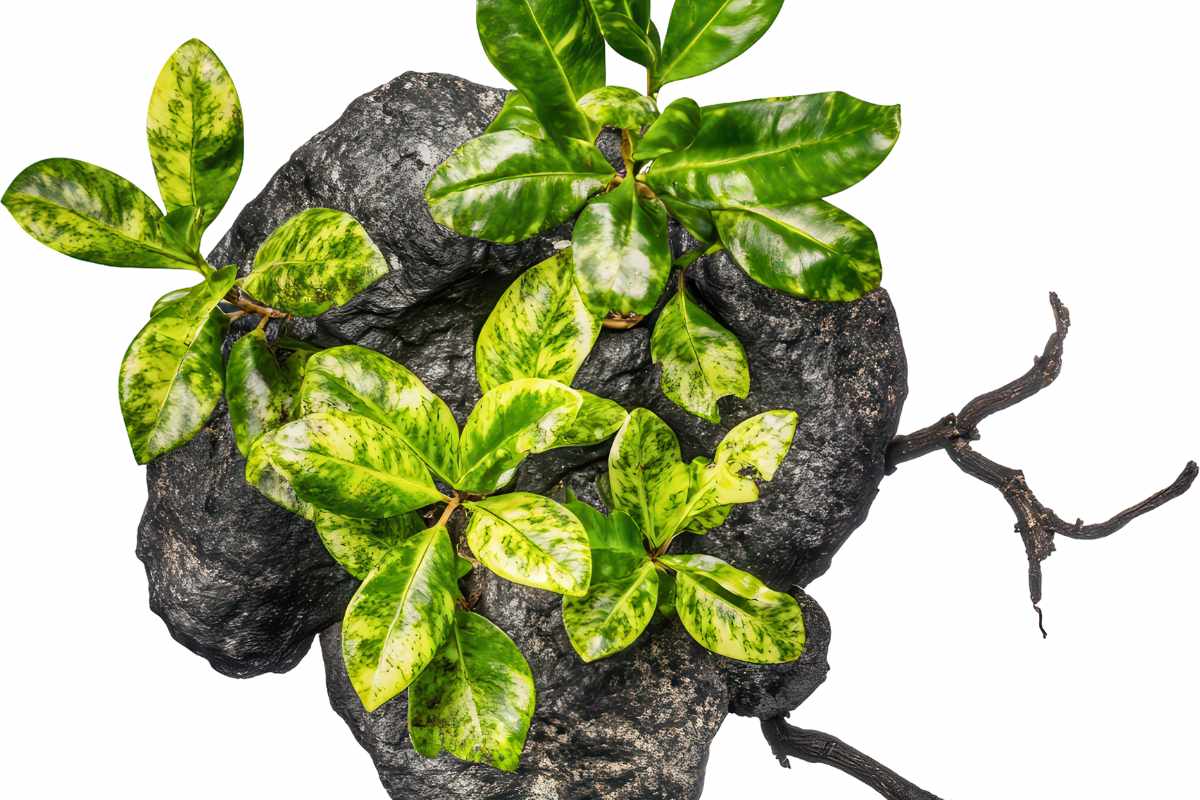
Select a rock with grooves or cavities suitable for root placement.
Clean the rock thoroughly and ensure it has a stable base to support the tree.
2. Prepare the Tree
Remove the tree from its pot and gently clean the roots. Trim any overly long or damaged roots.
For younger trees, consider planting them in a tall temporary pot for a year to encourage longer roots.
3. Position the Tree on the Rock
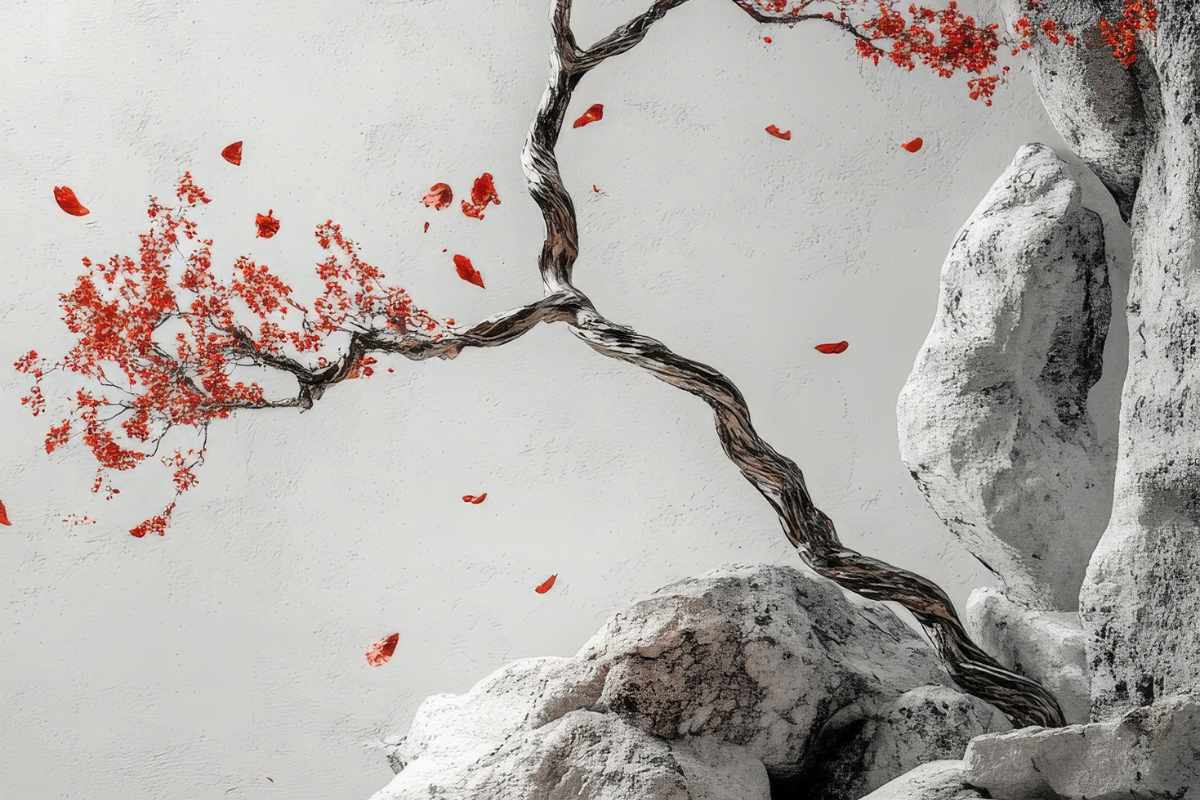
Place the tree on the rock, making sure the roots can extend over the surface naturally.
Use aluminum wire to secure the tree without damaging the roots.
4. Wrap the Roots
Cover the exposed roots with damp sphagnum moss.
Wrap them with plastic wrap to maintain contact with the rock and retain moisture.
5. Plant in a Temporary Pot

Place the rock with the tree into a temporary pot.
Fill around the roots with bonsai soil, ensuring space for growth, and water thoroughly.
6. Aftercare
Position the bonsai in a spot with bright, indirect light and moderate temperatures.
Keep the soil moist but not waterlogged. Check regularly to ensure roots remain in contact with the rock and adjust the moss or wrap as needed.
Expected Growth Timeline

The Root Over Rock technique requires patience. During the first year, focus on root development.
Roots will gradually adhere to the rock, creating the desired appearance.
Full integration can take several years, depending on the species and growing conditions.
Additional Tips

Recommended species include Ficus, Chinese Elm, Serissa, and Cotoneaster, which adapt well to this style.
Avoid overwatering: Excess moisture can lead to root rot.
Be patient: Don’t rush the process—development takes time.
Monitor progress: Adjust care as needed to ensure healthy root and foliage growth.
The Root Over Rock bonsai technique is more than just a creative challenge—it’s a rewarding journey that teaches patience, observation, and care.
Watching your tree gradually embrace the rock and transform into a living work of art is a deeply satisfying experience for any bonsai enthusiast.
Enjoy This Video Tutorial

Source: We are The Bonsai Supply
Don’t forget to Subscribe to our Newsletter to receive amazing tips and tricks about Gardening and the FREE Ebook Green Living Strategies!
Did you find this post Useful or Inspiring? Save THIS PIN to your GARDENING Board on Pinterest! 😊

Once again, thank you for visiting our website!
We hope you've enjoyed exploring the content we've created for you.
Give yourself the chance to learn, get inspired, and have even more fun, keep browsing...
More Gardening Tips 👇🏼👇🏼