
Companion Planting with Companion Planting Chart


Companion planting is the art and science of growing two or more plant species together so they can benefit each other — improving growth, repelling pests, enriching the soil, and saving space.
While many lists online rely on folklore, modern research confirms that some plant partnerships truly work when you understand why they do.
In this updated guide, we’ll explain how companion planting works, highlight the most effective pairings, and show you how to avoid common mistakes.
Use it alongside your chart to plan a balanced, thriving garden this season.
How Companion Planting Works
Key Mechanisms
Pest control and pollinator attraction:
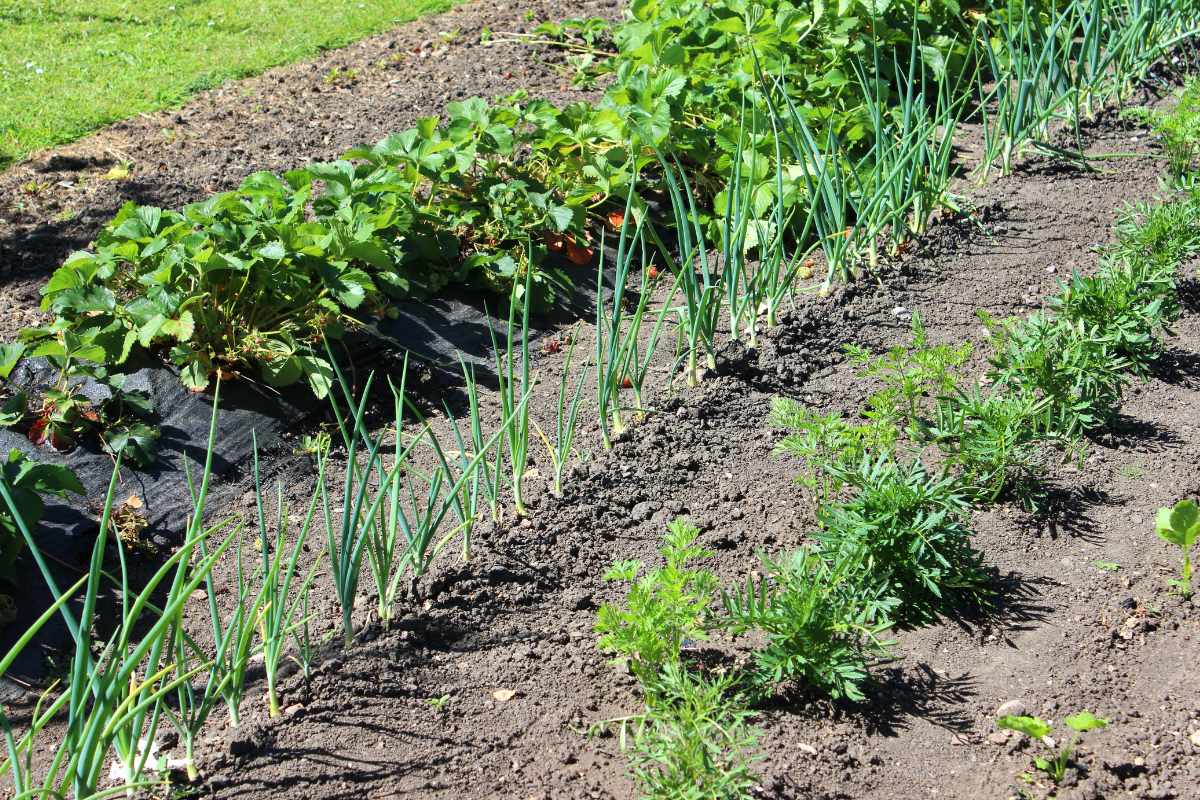
Certain plants release natural compounds that repel pests or attract beneficial insects like ladybugs and bees. Basil, for example, can deter aphids when grown near tomatoes.Soil health and microbial activity:
Combining plants with different root depths and nutrient needs can enrich the soil and support a diverse microbiome. Studies have shown that companion systems can boost enzyme activity and soil fertility.Efficient use of space and light:
Taller plants can provide shade for those who prefer less sunlight, while ground covers help retain moisture and suppress weeds.Physical barriers and trap crops:
Some species act as living shields or sacrificial plants to protect more delicate crops from pests.
A Word of Caution
Not all combinations are backed by strong evidence.
Treat companion planting as part of an integrated approach that includes crop rotation, healthy soil, and proper watering — not as a one-step solution.
Proven Benefits

Increased biodiversity helps prevent pest outbreaks.
Better soil structure thanks to a mix of root systems.
Improved pollination when flowers are interplanted with vegetables.
Efficient use of space for small gardens or raised beds.
Reduced need for chemical pesticides when natural pest deterrents are in place.
Using Your Companion Planting Chart
Your chart is the perfect quick reference to see which plants grow best together and which ones should be kept apart.
When using it:
Focus on combinations with clear functional benefits, like pest control or nutrient exchange.
Keep spacing in mind — companions work only if each has room to breathe.
Observe results each season and adapt. What works in one region or microclimate might not in another.
| Garden crop | Companion plants | Plants to avoid |
| Beans | Broccoli Cabbage Carrots Cauliflower Corn Cucumbers Eggplant Garden peas Potatoes Radishes Squash Strawberries Tomatoes | Beets Members of the onion family (onions, garlic, leeks, shallots, scallions, chives) Peppers |
| Carrots | Beans Garden peas Lettuce Onions Tomatoes | Dill Parsnips Parsley |
| Cabbage and other cole crops (broccoli, Brussels sprouts, collard greens, kale, kohlrabi, rutabagas, turnips) | Other cole crops Onions Potatoes | Pole beans Strawberries Tomatoes |
| Corn | Beans Cucumbers Garden peas Melons Potatoes Squash | Tomatoes |
| Cucumbers | Beans Beets Corn Onions Garden peas Radishes | Melons Potatoes |
| Garden peas | Beans Carrots Corn Cucumbers Eggplant Peppers Radishes Spinach Tomatoes | Members of the onion family Potatoes |
| Garlic | Beets Carrots Cole crops Eggplant Peppers Potatoes Tomatoes | Beans Garden peas |
| Lettuce | Corn Pumpkins Radishes Squash | Cole crops |
| Melon and watermelon | Broccoli Corn Garlic Radishes | Potatoes |
| Onions | Beets Carrots Cole crops Lettuce | Beans Peas |
| Peppers | Basil Onions | Beans |
| Potatoes | Beans Cole crops Corn Lettuce Spinach Radishes | Eggplant Peppers Tomatoes |
| Summer squash/zucchini | Beans Corn Garden peas Radishes | Potatoes |
| Tomatoes | Basil and other herbs Carrots Cucumbers Squash as part of a three-way companion partnership | Cole crops Corn Potatoes |
How to Start Companion Planting
Evaluate your space:
Determine sunlight levels, soil type, and available area before choosing plants.Pick your main crops:
Choose two or three vegetables you want to grow and look for one or two helpful companions that support them.Prepare the soil:
Add compost or organic matter to create a fertile, well-draining base.Follow proper spacing:
Don’t overcrowd — healthy airflow is key for pest and disease control.Take notes:
Track what works well in your garden. Your local conditions — not just general advice — will teach you the most.
Final Tips for Choosing the Right Companions
Pair plants with complementary growth habits — tall and short, deep and shallow roots.
Combine aromatic herbs with vegetables to repel insects naturally.
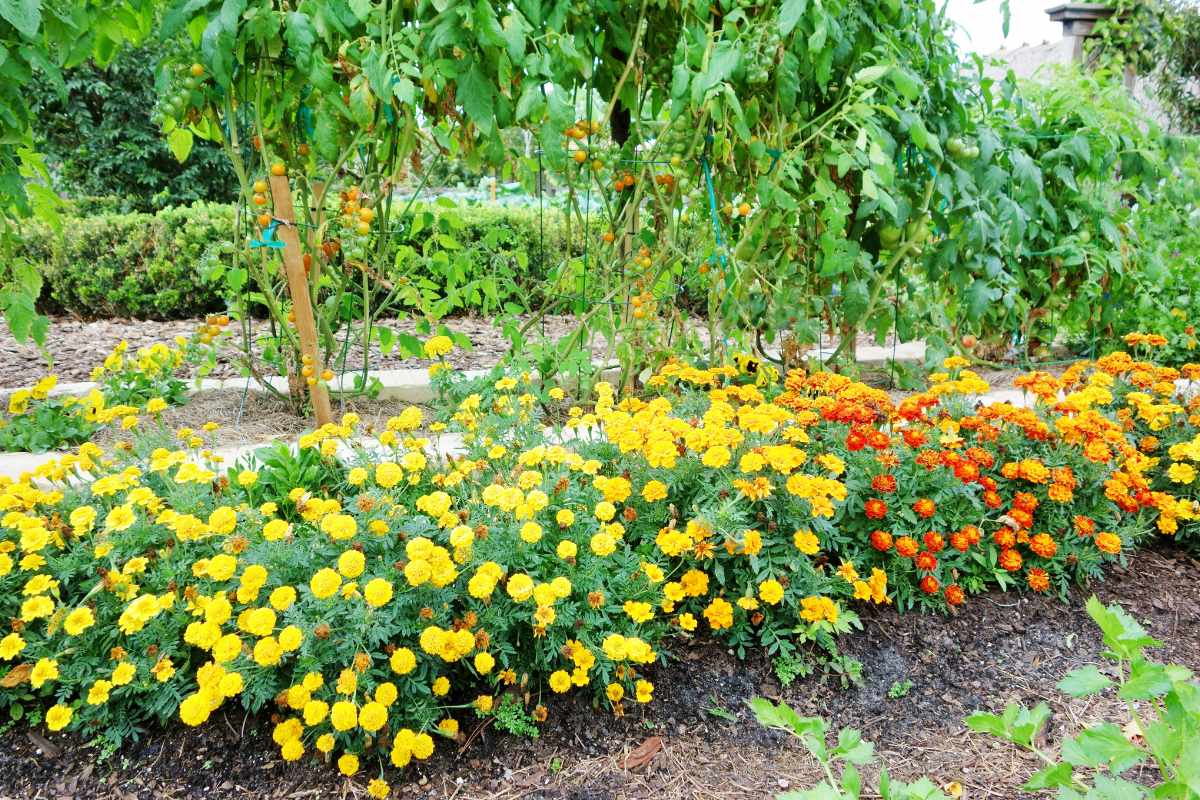
Add pollinator-friendly flowers like marigolds, calendula, or nasturtiums between your crops.
Rotate plant families every season, even within companion systems.
Start small — a few smart pairings can show great results without overwhelming your garden plan.
Don’t forget to Subscribe to our Newsletter to receive amazing tips and tricks about Gardening and the FREE Ebook Green Living Strategies!
Did you find this post Useful or Inspiring? Save THIS PIN to your GARDENING Board on Pinterest! 😊

Once again, thank you for visiting our website!
We hope you've enjoyed exploring the content we've created for you.
Give yourself the chance to learn, get inspired, and have even more fun, keep browsing...
More Gardening Tips 👇🏼👇🏼