
Chives vs. Scallions: The Flavor & Growth Compared


Chives and scallions are often confused due to their similar appearance, but they are distinct in terms of flavor, growth habits, and culinary uses.
Both are easy to grow in home gardens, and each has unique characteristics that make them valuable in the kitchen.
In this article, we’ll explore the botanical differences, growing tips, and best ways to use both chives and scallions in your garden and kitchen.
1. Botanical Differences
Chives
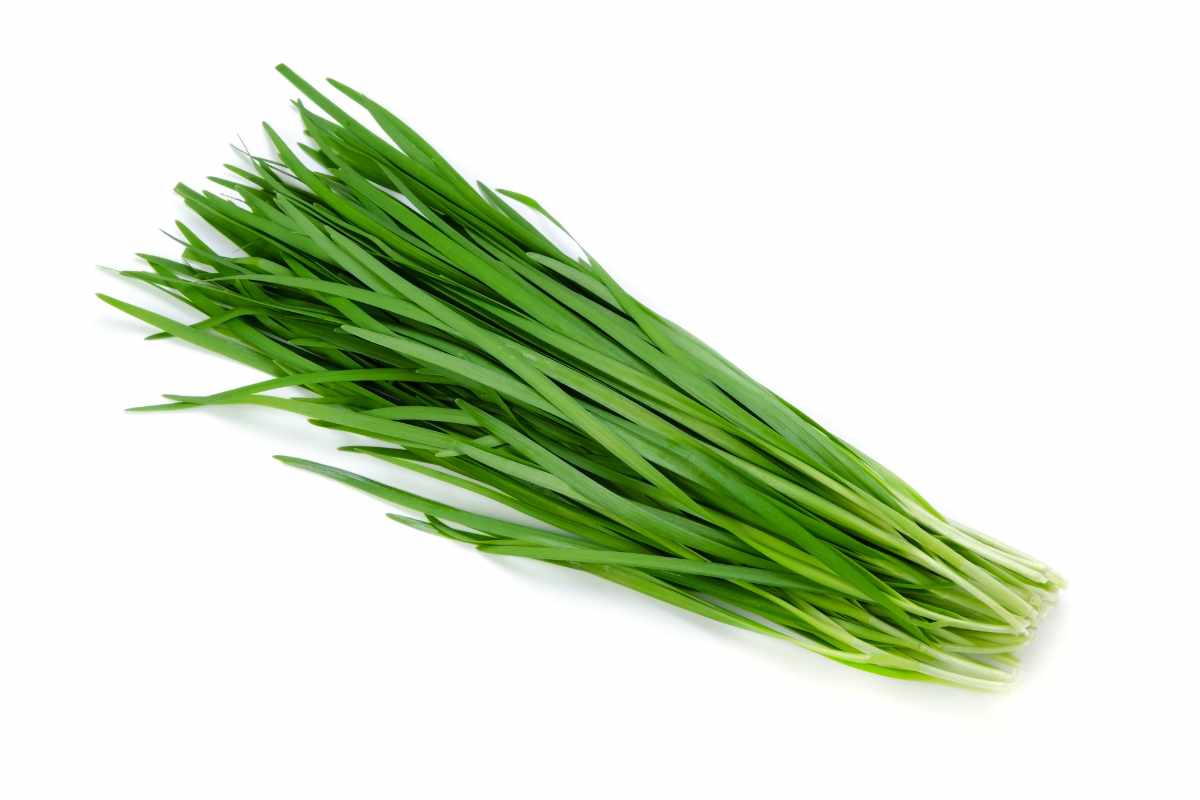
Botanical Name: Allium schoenoprasum
Description: Chives are a perennial herb, meaning they will regrow year after year. They have slender, hollow leaves and produce small purple flowers. Chives have a delicate onion flavor and are milder than many other members of the onion family.
Scallions
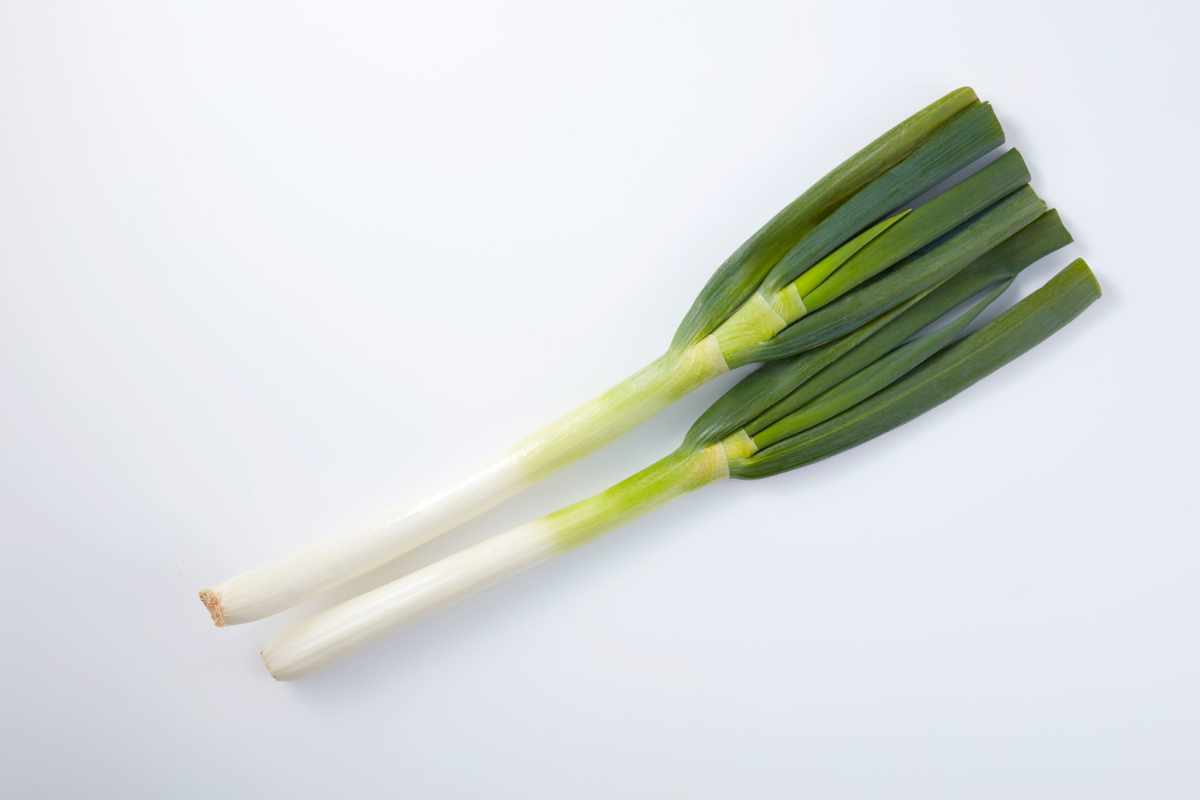
Botanical Name: Allium cepa
Description: Scallions, also known as green onions, are immature onions harvested before the bulb fully develops. They have long, white stalks and green tops. Scallions are typically grown as annuals and have a sharper onion flavor, with the white part being more pungent than the green tops.
2. Visual Comparison
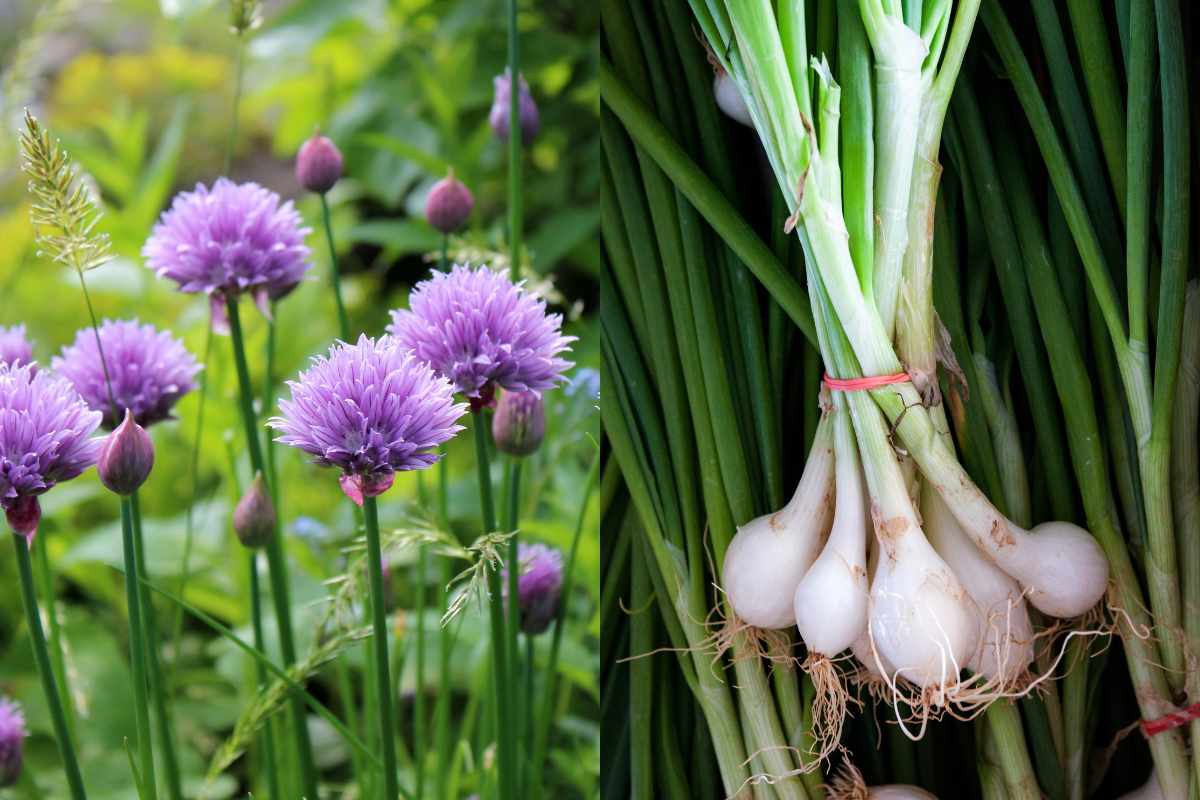
Chives
Chives are easily recognizable by their thin, hollow, grass-like leaves.
They grow in clumps and can reach up to 12 inches in height.
In the spring and summer, they bloom with small purple flowers, adding beauty to your garden.
Scallions
Scallions have long, white stems and tender green tops.
The white part of the stem is thicker and more substantial, while the green portion is thinner and delicate.
Scallions do not form a bulb like regular onions, making them distinct from other Allium varieties.
3. Growing Tips
Chives
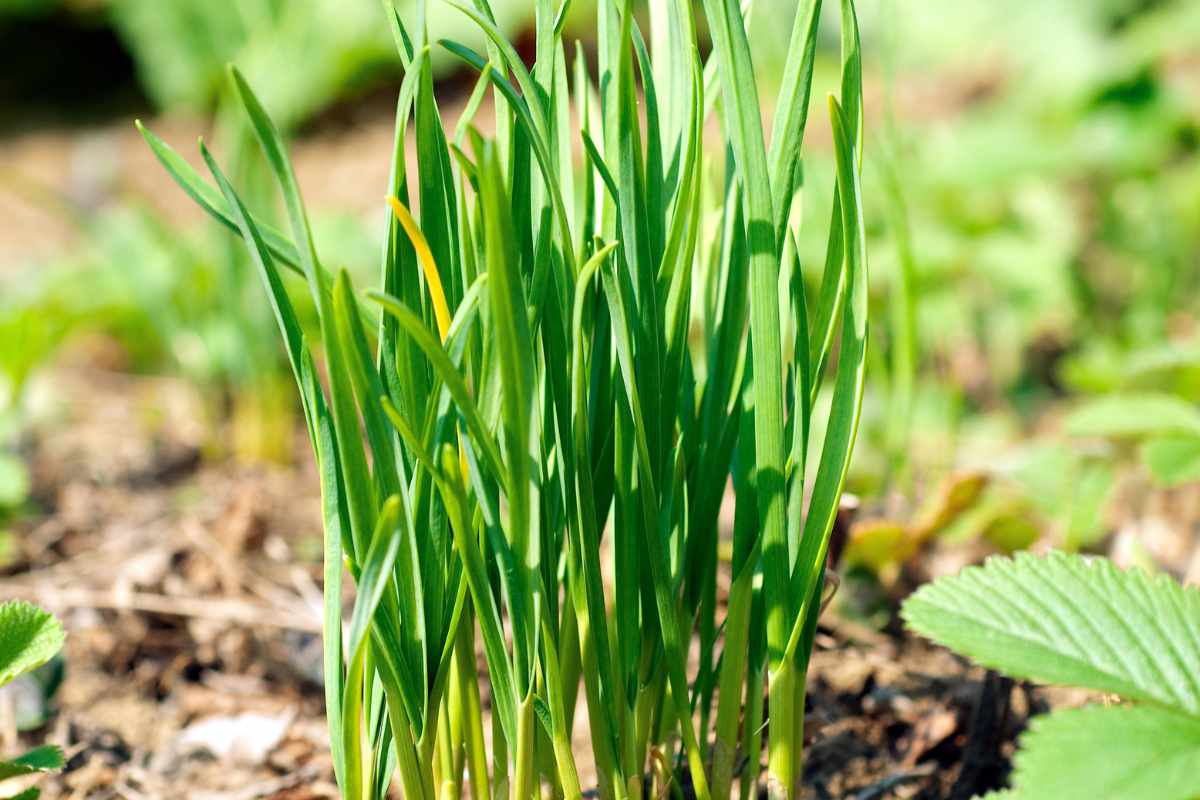
Planting: Chives thrive in well-drained, fertile soil and require at least 6 hours of sunlight per day. They are hardy in most climates and can survive winter in many regions.
Care: Once established, chives are easy to care for. Trim the leaves regularly to encourage fresh growth and remove any flower buds to prevent the plant from going to seed.
Harvesting: Harvest chives once they have reached a few inches tall. Snip the leaves with scissors, cutting them back to about 2 inches from the base.
Scallions
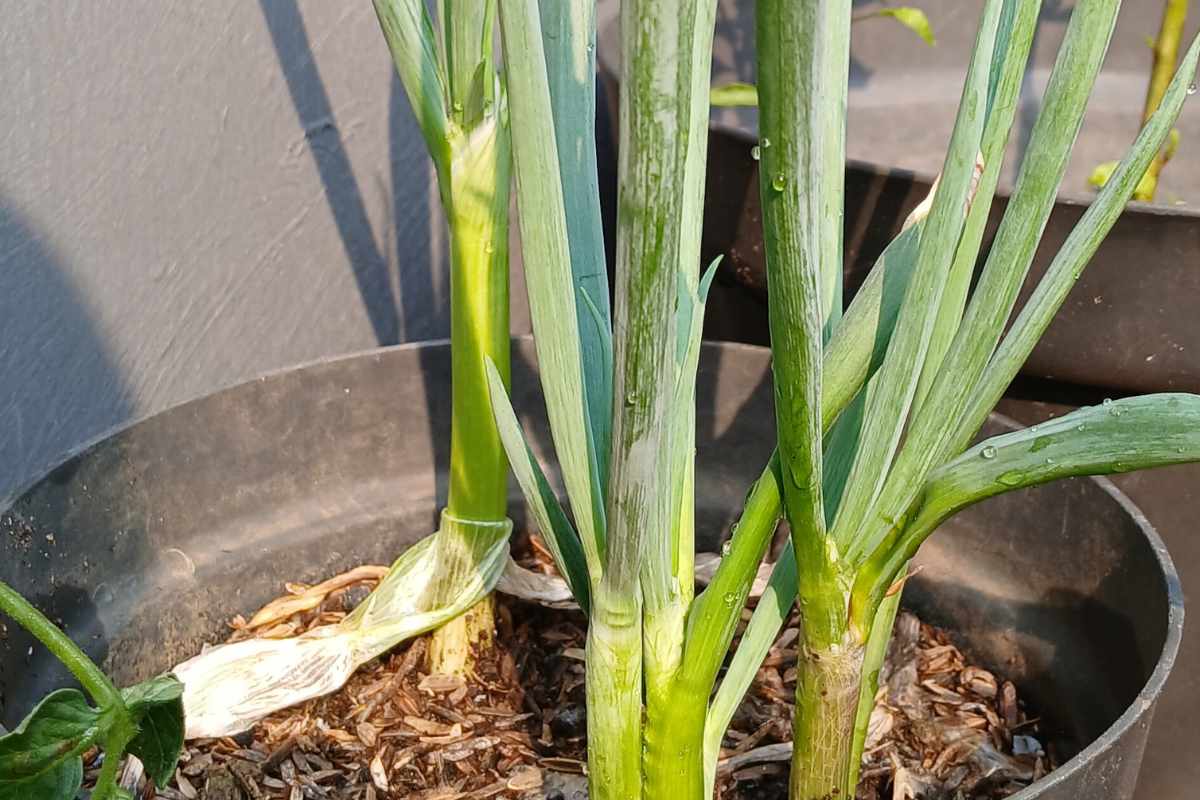
- Planting: Scallions grow best in slightly cooler conditions, requiring full sun and well-drained soil. They can be grown from seeds, sets (small bulbs), or even the root ends of store-bought scallions.
Care: Keep the soil consistently moist, and harvest when the stems reach about 6-8 inches. Scallions can be grown in garden beds, containers, or even regrown from kitchen scraps.
Harvesting: Scallions are typically harvested once they are large enough to eat. You can harvest the entire plant or trim the green tops, allowing the plant to regenerate.
4. Flavor Comparison
Chives
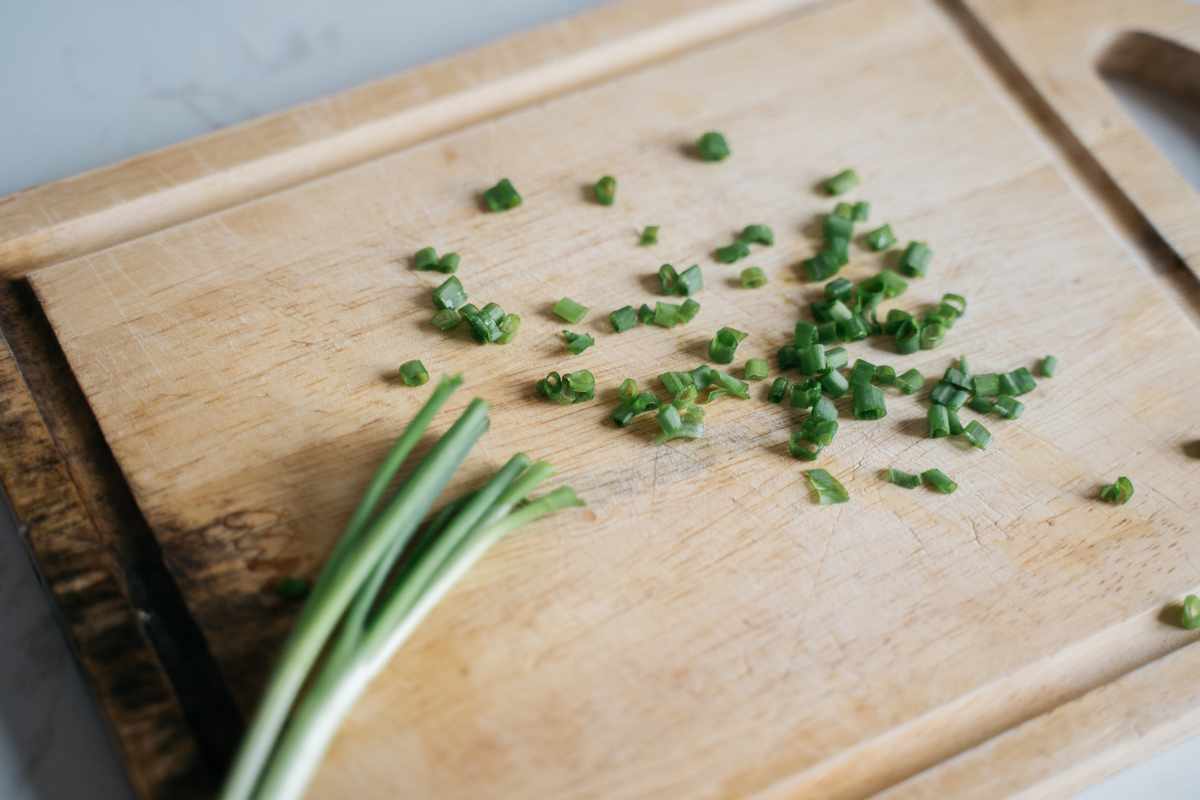
Chives have a mild, delicate flavor that is reminiscent of onions but much more subtle.
Their grass-like taste makes them perfect for fresh dishes like salads, omelets, and as a garnish for baked potatoes and soups.
Scallions
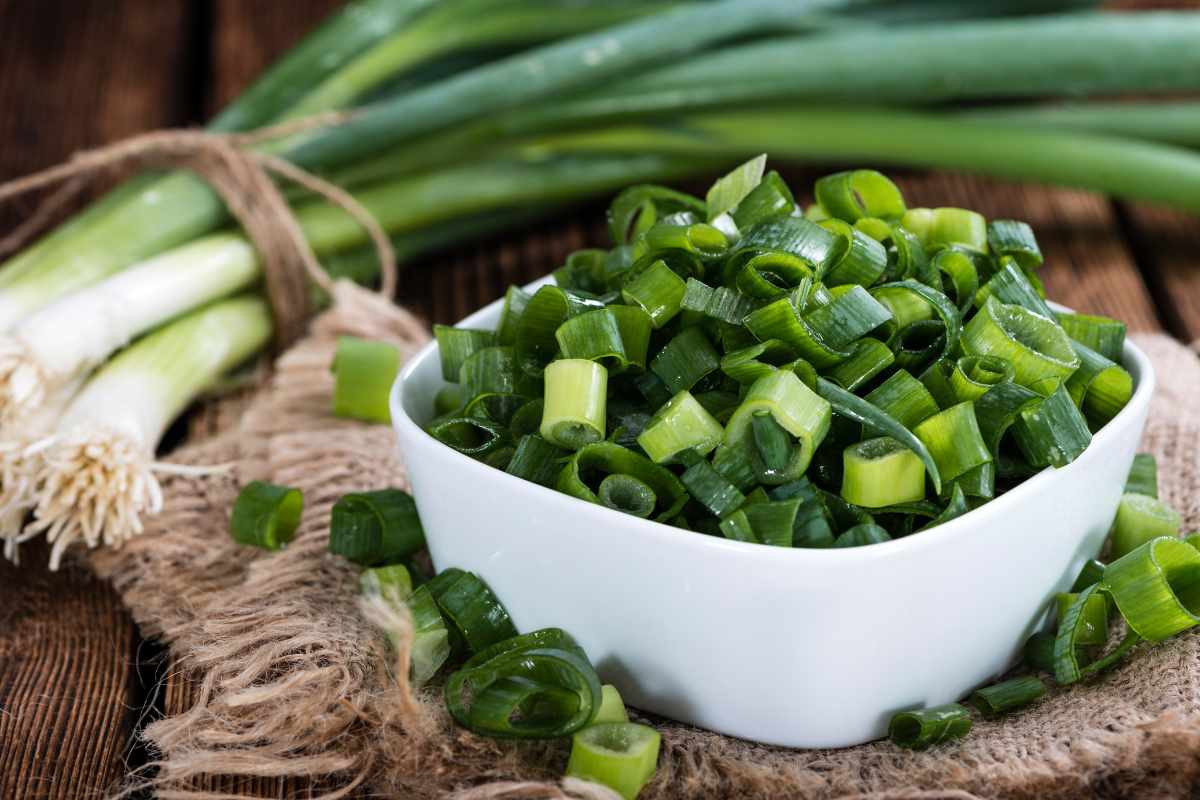
Scallions have a sharper, more pronounced onion flavor.
The white part of the scallion is stronger and more pungent, while the green top offers a milder taste.
Scallions are versatile in both raw and cooked dishes, adding a punch of flavor to stir-fries, salsas, and soups.
5. Growing Seasons
Chives
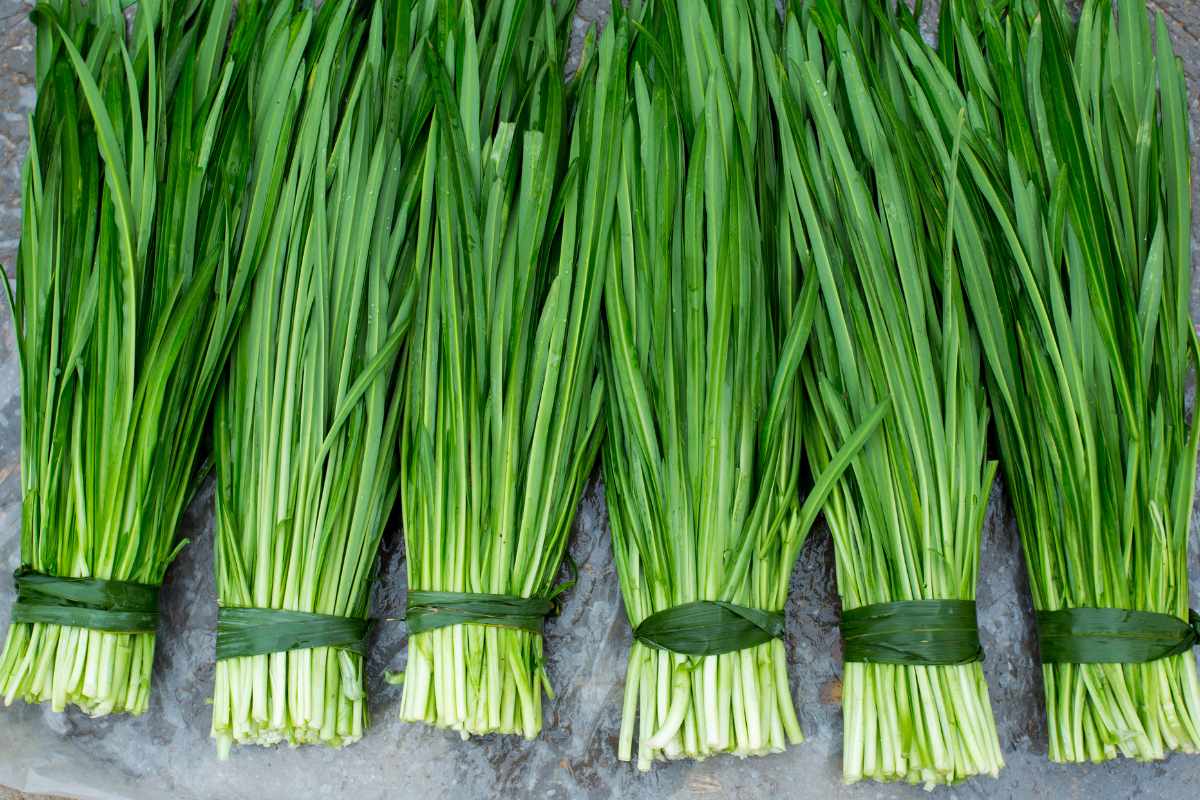
Chives are hardy perennials, meaning they will come back year after year with minimal care.
Once established, they will continue to grow throughout the growing season and even into winter in milder climates.
You can cut back the old growth in spring to allow for fresh shoots.
Scallions
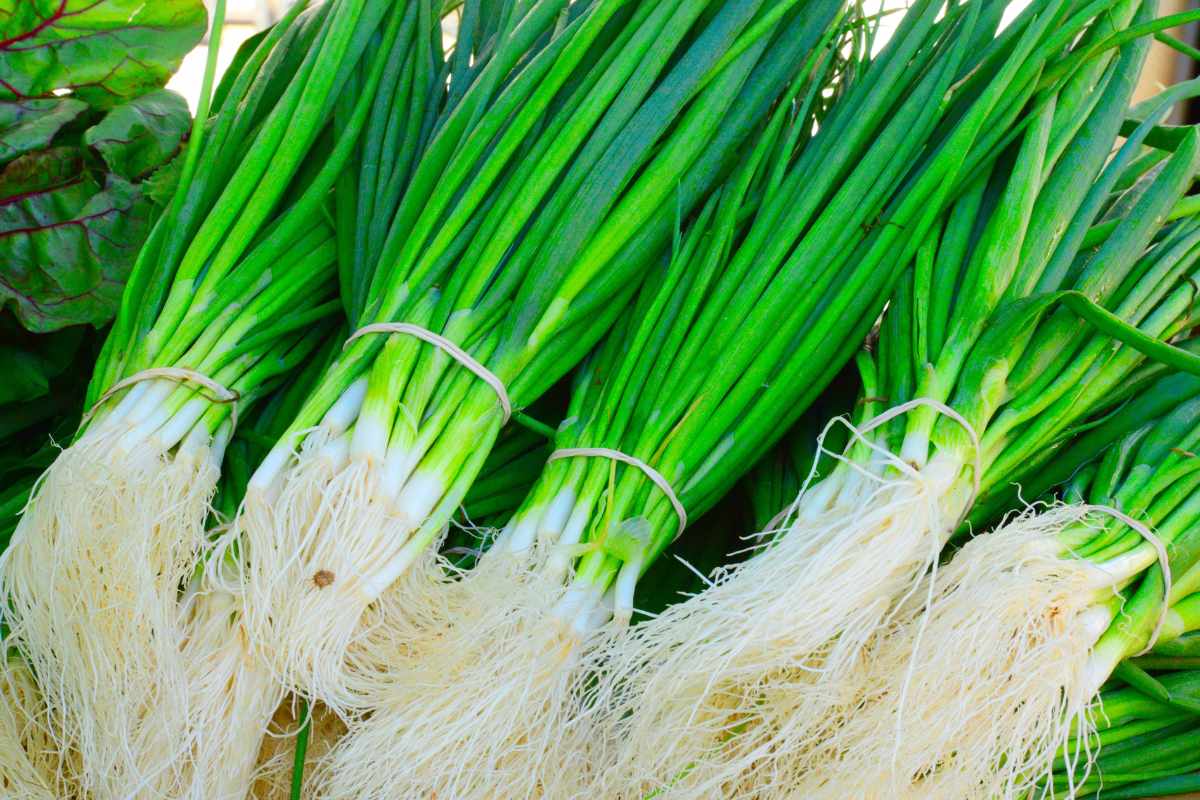
Scallions are annuals, meaning they complete their life cycle in one growing season.
However, you can regrow scallions from the root ends in water, allowing you to harvest them multiple times throughout the year.
Plant scallions in early spring, and they can be harvested by late summer or early fall.
6. Pest and Companion Planting
Chives

Chives are great for companion planting because they attract beneficial insects, like bees and butterflies, which can improve the pollination of nearby plants.
They can also help repel aphids, making them a great addition to vegetable gardens.
Scallions
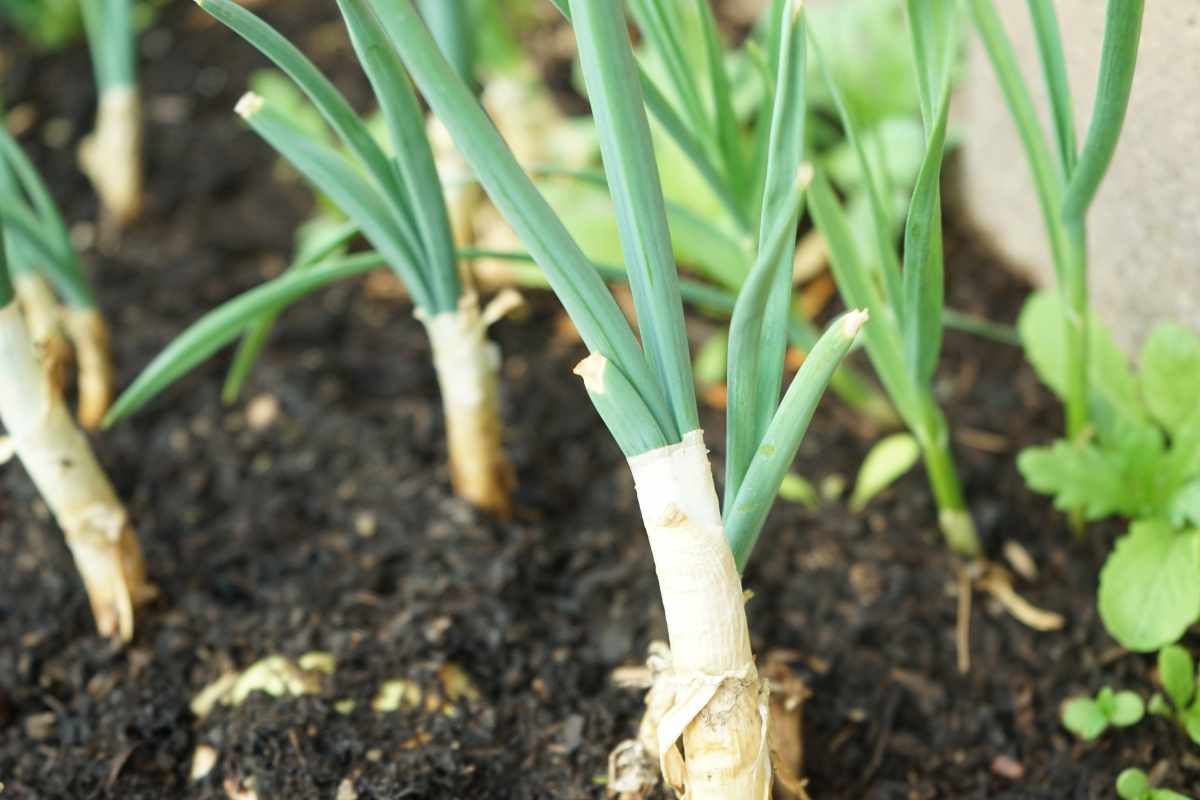
Scallions can help deter pests like aphids and other insects that might harm nearby plants.
They are also known to be a great companion plant for tomatoes, carrots, and lettuce, helping to improve growth and flavor.
Which One Should You Grow?
Both chives and scallions are excellent choices for your garden, offering versatility and flavor.
Chives are hardy perennials that provide fresh leaves year after year, while scallions are fast-growing annuals that are perfect for quick harvests.
Whether you're looking to add a subtle onion flavor with chives or a sharper taste with scallions, both plants are easy to grow and will thrive with minimal care.
By understanding the differences in growth, flavor, and use, you can make the most of these two wonderful herbs in your garden and kitchen.
Enjoy This Video Tutorial
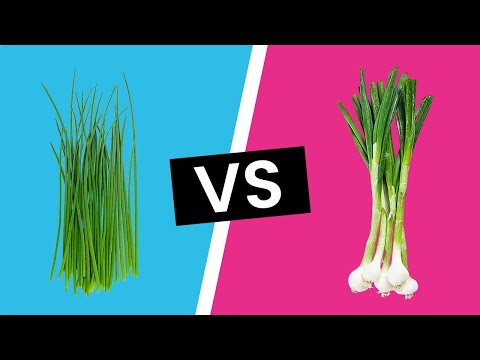
Source: Jerry James Stone
Don’t forget to Subscribe to our Newsletter to receive amazing tips and tricks about Gardening and the FREE Ebook Green Living Strategies!
Did you find this post Useful or Inspiring? Save THIS PIN to your GARDENING Board on Pinterest! 😊

Once again, thank you for visiting our website!
We hope you've enjoyed exploring the content we've created for you.
Give yourself the chance to learn, get inspired, and have even more fun, keep browsing...
More Gardening Tips 👇🏼👇🏼