
Growing Pioppino Mushrooms and Reishi Harvest


Growing Pioppino Mushrooms and Reishi Harvest is a satisfying combo for any home grower: fast-fruiting pioppino (Agrocybe aegerita) for the pan, and a lacquered reishi mushroom (Ganoderma) for wellness projects.
In today’s curated video pick, Southwest Mushrooms shows a tidy pioppino clean-up followed by a glossy reishi cut—perfect inspiration if you’re exploring modern mushroom cultivation at home.
What You’ll See: Pioppino Flush & Reishi Cut
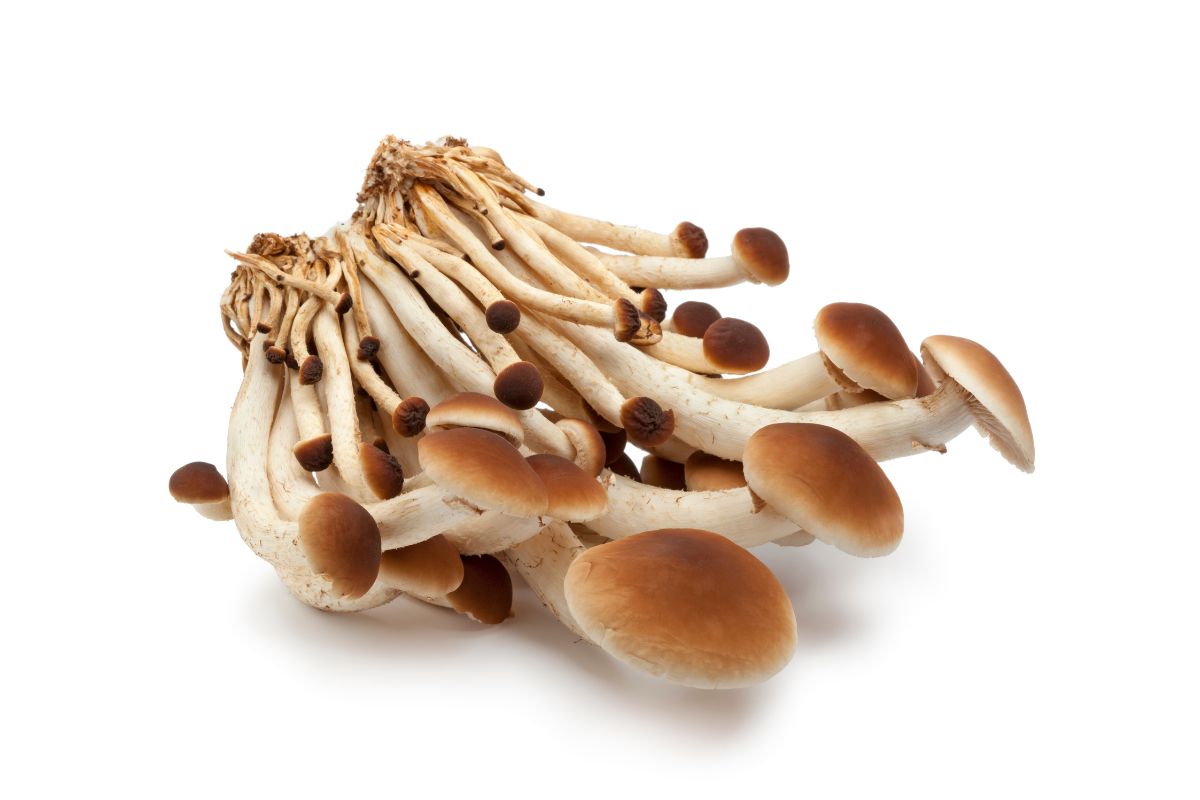
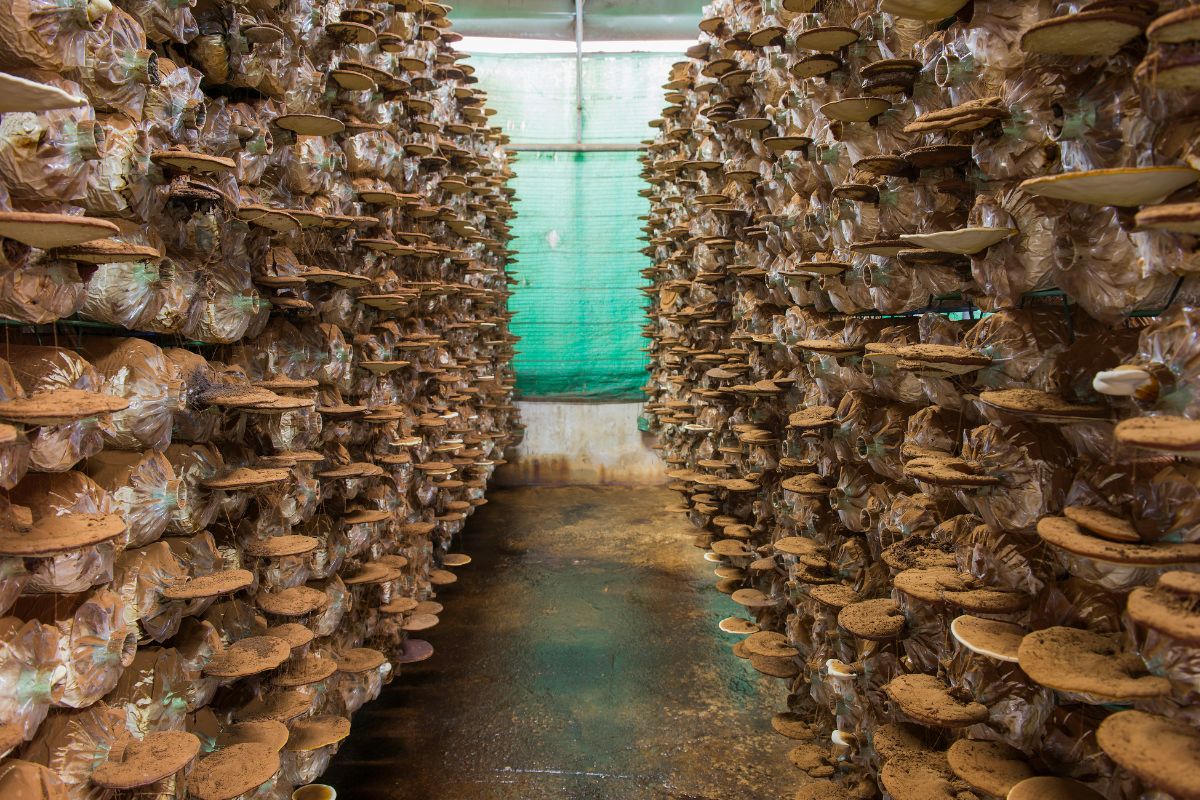
The footage walks through a productive room with mushrooms growing in neat blocks. You’ll notice tight clusters of pioppino with firm stems and darker caps—ideal texture for sautéing.
The creator demonstrates how to remove spent clusters cleanly so the substrate can focus on the next wave.
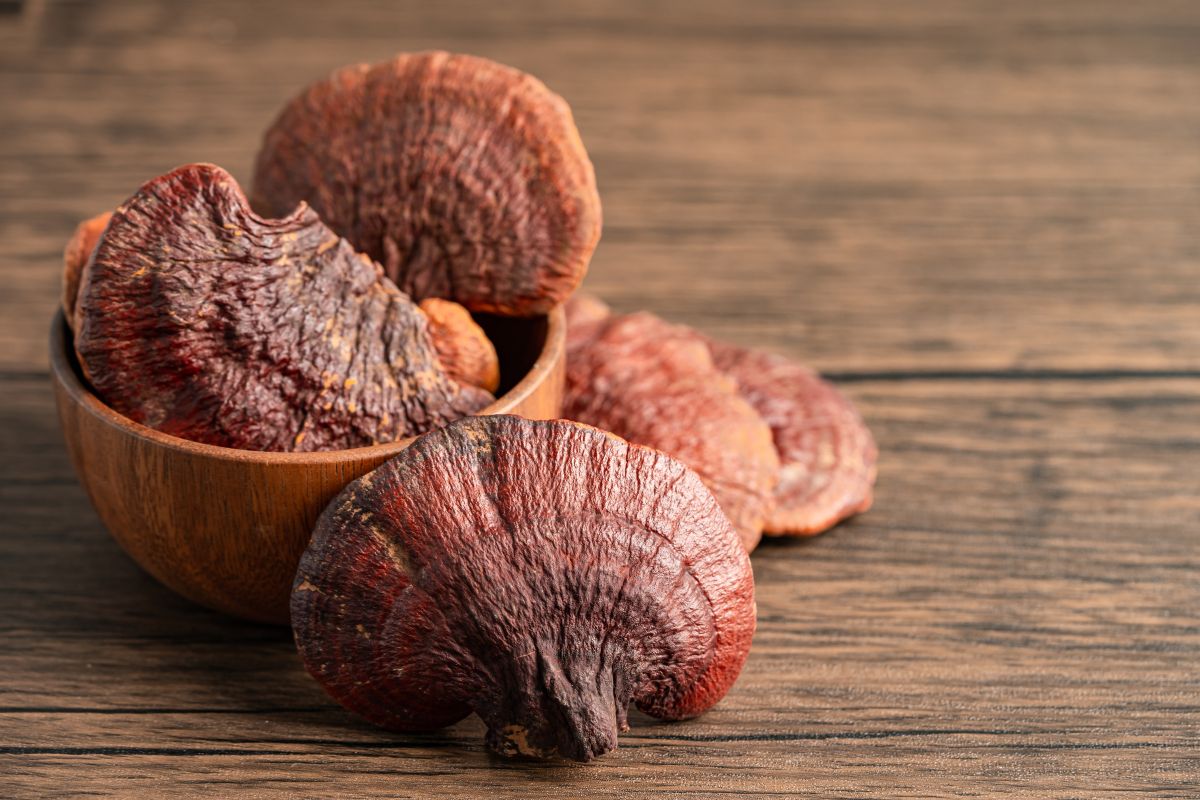
Then comes the reishi harvest: varnished, fan-shaped conks with white growth margins.
The cut is deliberate to protect both the specimen and the block, a useful reference for anyone looking to grow reishi mushrooms without damaging the mycelium for future flushes.
Home Mushroom Growing Guide: Tools, Space, Rhythm
If you’re starting from scratch, a simple mushroom grow kit is the fastest way to learn the rhythm—hydration, airflow, and lighting—before diving into grain spawn and sterilization.
A kit lets you practice daily observation so you can tell when pins are forming and when caps are ready.
This video complements a practical home mushroom growing guide: keep humidity high, provide gentle fresh air exchange, and harvest before pioppino caps fully flatten.
Consistent habits beat fancy gear; a clean workspace and steady routine make all the difference in mushroom cultivation.
 Names & Notables: Pioppino and “Mushroom Reishi”
When browsing mushroom names, you’ll see pioppino also called “black poplar” or “chestnut agrocybe,” while reishi appears as lingzhi, Ganoderma lucidum, or simply mushroom reishi on supplement labels.
Knowing aliases helps you find accurate cultivation info and reputable cultures.
Why grow reishi? Many value the traditional benefits of reishi mushroom—commonly discussed for immune support and stress balance—though you should research responsibly.
Later, we’ll note simple, kitchen-friendly ideas on how to use reishi mushrooms.
 Identification Indoors: Read the Room, Read the Fruiting Body
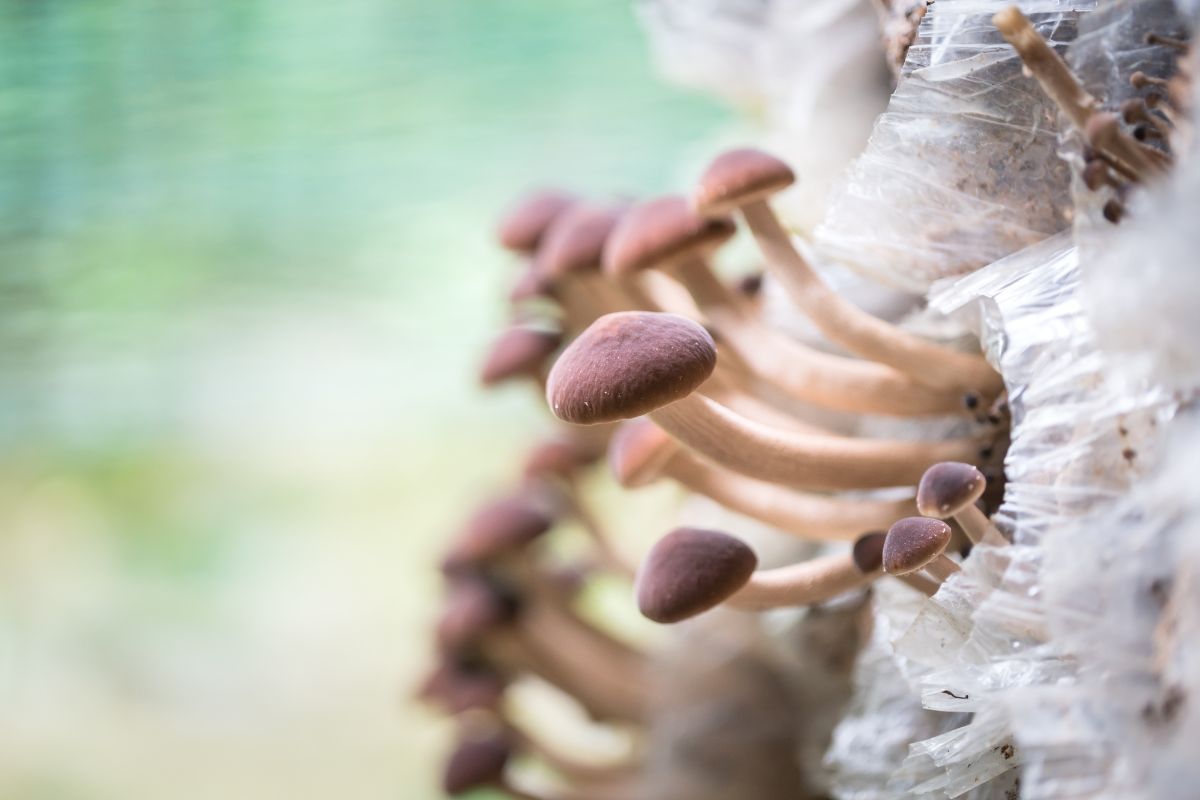
Curious about how to identify indoor mushrooms? Indoors, you control variety and substrate, so identification is mostly about confirming maturity: color, cap shape, gill or pore development, and the fresh white growth edge on reishi.
Avoid cross-contamination by labeling each block and keeping tools sanitized.
For pioppino, harvest when caps are still slightly curved and the veil is near breaking. For reishi mushrooms, that creamy white rim signals active growth; many growers wait until the rim thins and the cap fully varnishes before cutting.
 Kitchen & Apothecary: Using Your Harvest
Pioppino cooks like a dream—meaty stems that stay al dente. Sear hot with butter or olive oil, then finish with thyme or soy.
For reishi, focus on how to use reishi mushrooms in preparations: slice thin and simmer long for a tea or make a dual extract for pantry use. Its flavor is assertive and best as a tonic, not a sauté.
Label jars by date and variety; consistent notes turn today’s success into next month’s habit. Your own logbook is a powerful companion to any video demonstration.
Pioppino vs. Portobello: Different Paths, Same Discipline
If you’ve wondered how to grow portobello mushrooms at home, the steps share a family resemblance—cleanliness, controlled humidity, and correct harvest window—but substrates and fruiting conditions differ.
Portobello (a mature cremini) favors composted manure substrates, while pioppino thrives on hardwood-rich blocks.
Mastering pioppino first builds great instincts you can transfer to agar work, grain spawn, and bulk substrates—skills that also help when you later scale or experiment with other species.
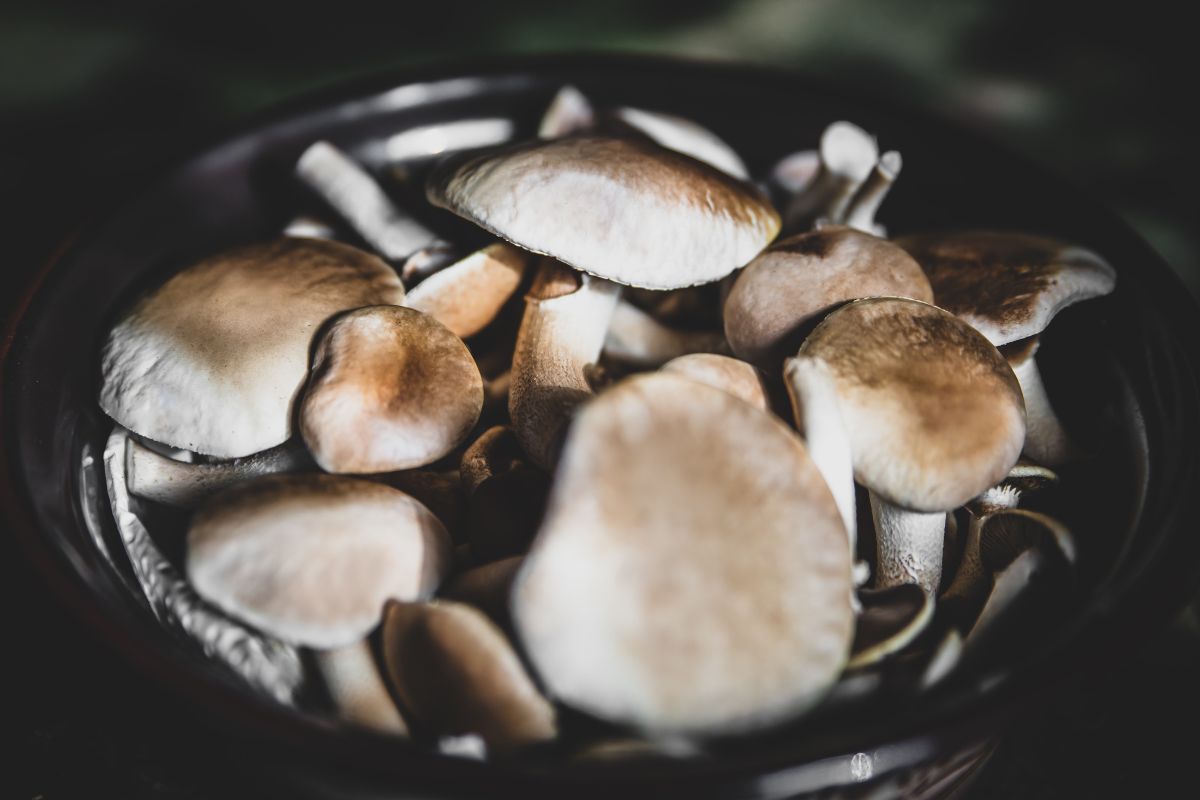 Tips We Loved in “Growing Pioppino Mushrooms and Reishi Harvest”
The clip emphasizes tidy workspace habits, careful cuts, and prompt post-harvest cleanup.
Those small disciplines keep blocks productive and help prevent off-odors or mold—universal lessons for anyone learning to grow reishi mushrooms and pioppino side by side.
Video credit: Southwest Mushrooms (YouTube). This summary highlights what you’ll learn and why it’s worth watching; the techniques and design choices belong to the original creator.
Enjoy This Video Tutorial About

Source: Southwest Mushrooms
Don’t forget to Subscribe to our Newsletter to receive amazing tips and tricks about Gardening and the FREE Ebook Green Living Strategies!
Did you find this post Useful or Inspiring? Save THIS PIN to your GARDENING Board on Pinterest! 😊

Once again, thank you for visiting our website!
We hope you've enjoyed exploring the content we've created for you.
Give yourself the chance to learn, get inspired, and have even more fun, keep browsing...
More Gardening Tips 👇🏼👇🏼