
9 Raised Bed Garden Mistakes Beginners Should Avoid


9 Raised Bed Garden Mistakes Beginners Should Avoid—and how to fix them—are front and center in this helpful YouTube video.
Below you’ll find a practical, plain-English summary tailored for home gardeners so you can start your raised vegetable gardens with confidence and grow a truly thriving garden.
Why Beginners Struggle With Raised Beds
Raised beds promise easier weeding, warmer soil, and tidy rows. But the first season often exposes weak spots: poor raised garden bed soil, overcrowding, and rushed setup.
The creator of the video (original author credited on YouTube) highlights common pitfalls so you can sidestep them on day one.
Think of your beds as a system: design, soil, irrigation, and crop choice must work together.
When one piece is off—like ignoring soil ph or skipping soil testing—yields fall and pests move in. The notes below translate each mistake into simple action steps.
Design Before You Dig
Jumping straight to construction without a plan is mistake #1. Map paths, sun exposure, and hose reach first. A clear raised bed garden design saves time and plants later.
If you’re eyeing metal garden beds for durability, note their footprint and height so tools and wheelbarrows still pass comfortably.
For small lots, a tidy backyard raised garden layout with 2–3 beds may outperform a sprawling grid.
Keep beds narrow enough to reach the middle from both sides; that prevents soil compaction and supports healthier roots in your raised veggie beds.
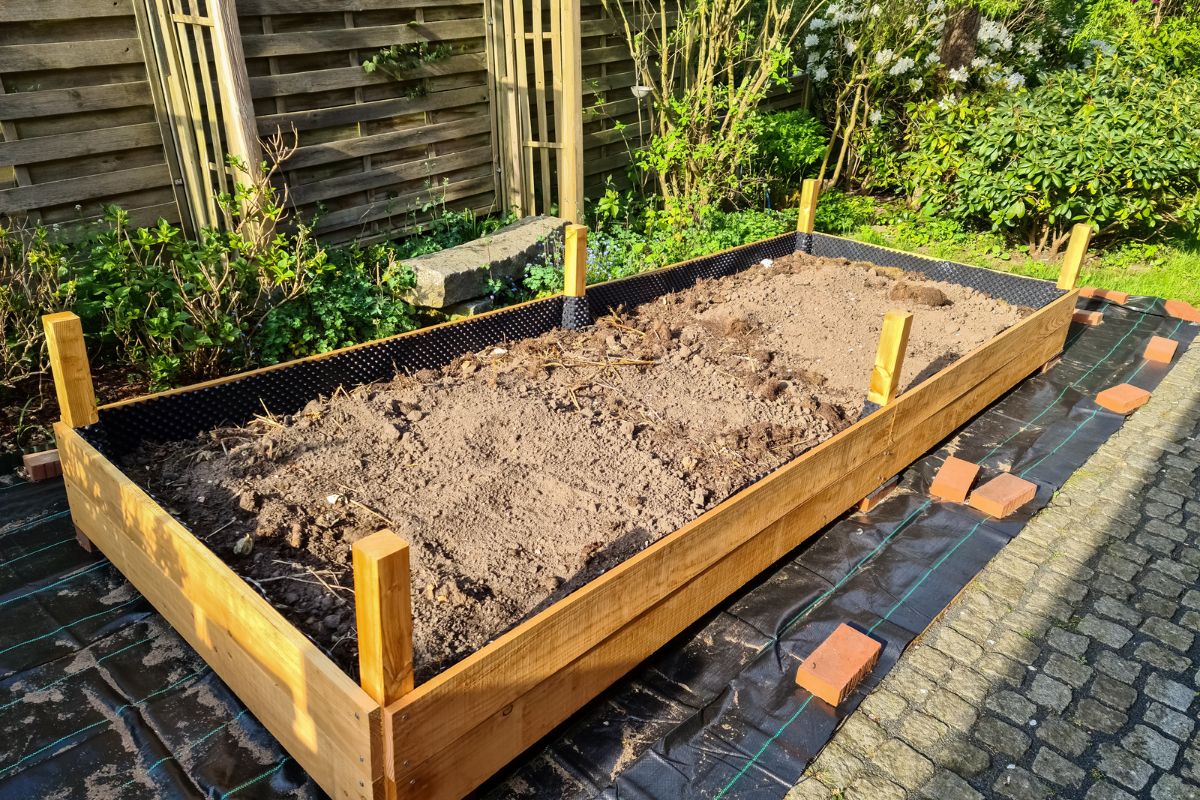
Don’t Skimp on Soil (or Test Results)
Filling beds with random top soil is a fast track to disappointment. The video stresses blending a balanced raised garden bed soil mixture rather than cheap fillers.
Start with quality compost, mineral-rich topsoil, and a coarse component for drainage.
Check soil ph early; simple soil testing kits reveal if amendments are needed. Neutral to slightly acidic ranges suit most summer vegetable crops. When pH is off, nutrients lock up—even the best fertilizer won’t help.
Plants, Spacing, and Seasonal Fit
Another big mistake is planting anything, anywhere. Choose plants for raised beds that match sun, climate, and bed depth. Deep-rooted tomatoes love tall beds; shallow greens thrive in shallower profiles.
Overcrowding strains moisture and invites disease.
Match crops to season. Heat lovers like peppers and tomatoes are classic summer vegetable choices, while cool greens bolt in midsummer. A well-planned crop rotation supports consistent harvests in your raised vegetable gardens.
 Watering and Mulch Habits
Beginners often water too lightly. In raised beds, soil drains faster, so install a simple drip line and mulch. Mulch stabilizes moisture and temperature, helping roots explore the whole profile of your raised garden bed soil.
Consistent, deep irrigation reduces blossom end rot and bitter flavors. It’s a small upgrade that propels a truly thriving garden.
Pest Prevention Starts on Day One
Waiting until you see damage is mistake #6. Build pest prevention into the setup: fine mesh covers for brassicas, copper tape for slugs, and tidy bed edges to deter hiding spots. Healthy spacing and airflow also cut disease risk.
Crop diversity matters. Interplanting flowers and herbs can confuse pests and attract beneficial insects that keep your raised veggie beds in balance.
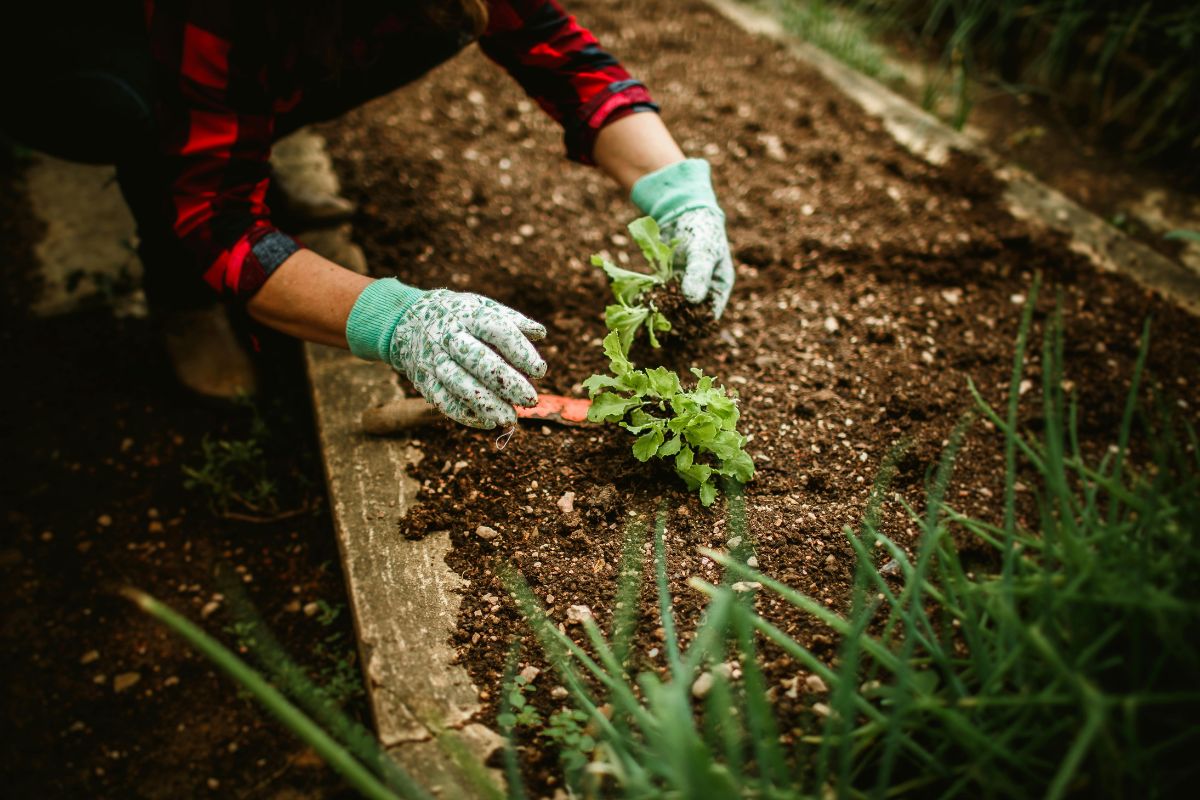 Preparation Beats Speed
Another common slip is rushing construction. Solid prep pays off: square corners, secure sides, and level beds.
If you’re making raised beds from wood, pre-drill to prevent splits; if assembling metal garden beds, use the included braces to avoid bowing under soil weight.
Site prep helps too. Clear weeds thoroughly. If you must loosen native soil, learn how to dig garden beds without inverting layers, then add compost. These garden bed preparation tips protect soil life and drainage.
Step-By-Step Setup: A Safe Overview
Plan your footprint and height first—smart garden bed preparation ideas include cardboard weed barriers and mulch paths. Then assemble frames.
For an easy weekend project, browse free raised garden bed plans suited to your tools and budget, or explore raised garden beds diy kits if you prefer a faster lane.
Fill in layers with your chosen raised garden bed soil mixture, finish with compost, and water to settle. Finally, plant thoughtfully: right crop, right season, right spacing.
In other words, this is how to prepare a garden bed for success before the first seed goes in.
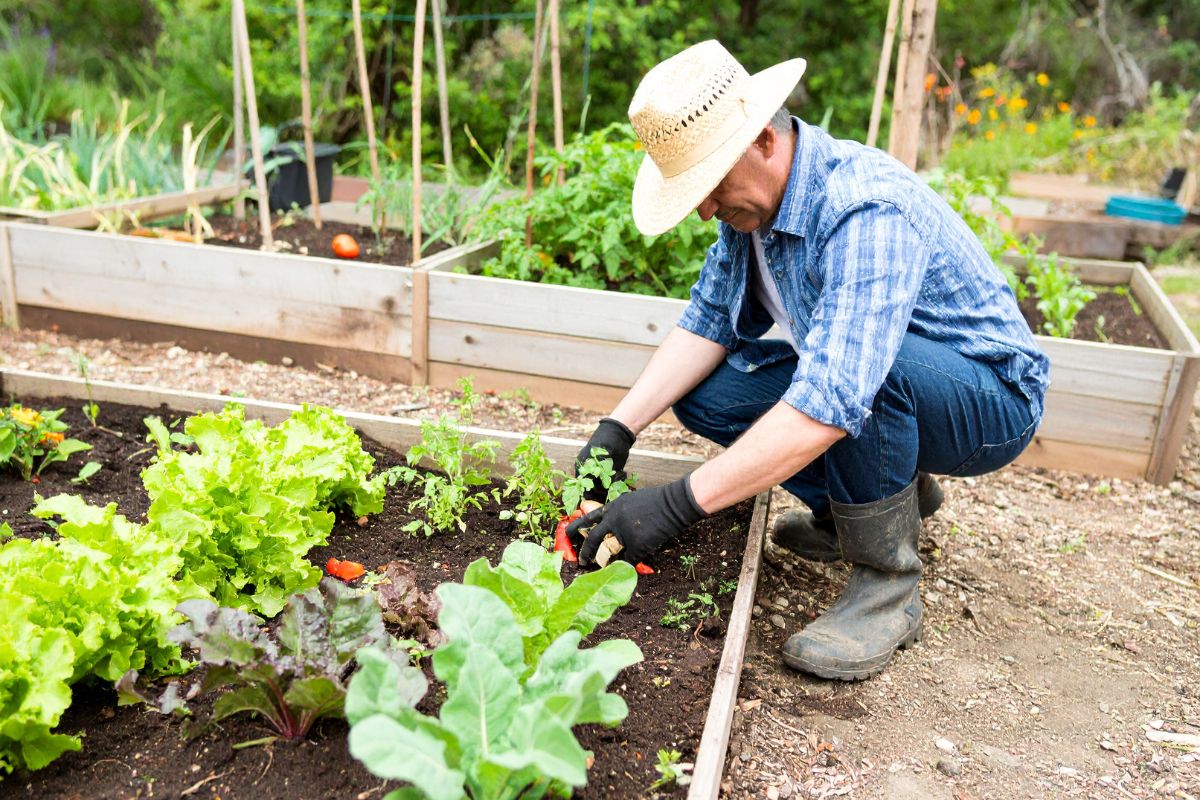 Maintenance: The Quiet Advantage
Top up compost each season, recheck pH annually, and keep beds mulched. This prevents nutrient decline in raised vegetable gardens and maintains structure in your custom soil blends.
With these habits, your backyard raised garden becomes easier every year, and your raised bed garden design delivers the steady harvests you imagined.
Key Takeaways From the Video
Design first, test soil, plant for the season, and build in pest prevention. These four habits eliminate most beginner mistakes and set up your raised veggie beds for long-term success.
The original video provides visual examples and extra context from the creator. We recommend watching in full to see bed layout options, soil textures, and spacing demos you can copy at home.
Enjoy This Video Tutorial About Vegetables Tips and Tricks
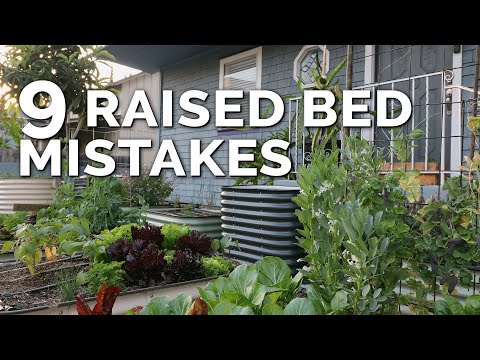
Source: Epic Gardening
Don’t forget to Subscribe to our Newsletter to receive amazing tips and tricks about Gardening and the FREE Ebook Green Living Strategies!
Did you find this post Useful or Inspiring? Save THIS PIN to your GARDENING Board on Pinterest! 😊

Once again, thank you for visiting our website!
We hope you've enjoyed exploring the content we've created for you.
Give yourself the chance to learn, get inspired, and have even more fun, keep browsing...
More Gardening Tips 👇🏼👇🏼