
Using Ground Covers in Vegetable Gardens


Using Ground Covers in Vegetable Gardens is a smart way to suppress weeds, save water, and improve soil quality while still growing veggies you love.
Below you’ll find practical choices—from edible cover crops to living mulches—and clear tips on how to integrate them without sacrificing yields.
What “Ground Covers” Mean For Veggie Beds
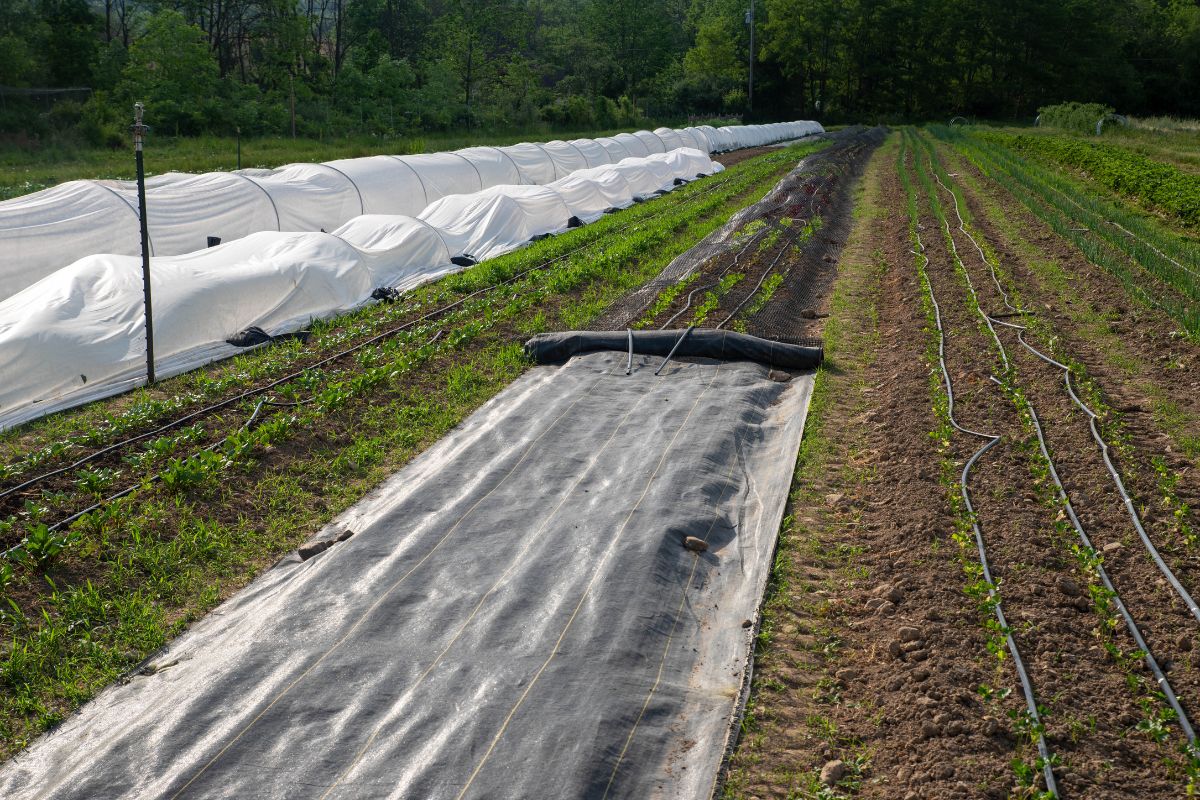
In edible gardens, “ground cover” can be a living plant, an organic mulch, or a temporary green manure sown between crop cycles.
Unlike ornamental lawns, these covers are chosen to protect the soil, feed microbes, and make the space easier to manage.
The right mix depends on bed size, climate, and crop rotation.
Cool climates often lean on quick, shallow-rooted species for spring crops, while hot, dry areas benefit from drought-tough species that shade soil without hogging moisture.
Core Benefits: Weeds Down, Soil Up
Consistent cover keeps sunlight off bare soil, reducing weed germination and watering frequency.
As leaves and roots break down, they add organic matter to improve soil quality and structure, which supports better root growth and water infiltration.
Some cover crops to improve soil even unlock tied-up nutrients or scavenge leftovers after harvest, so fewer fertilizers are needed over time.
 Nitrogen Fixation: Living Fertility
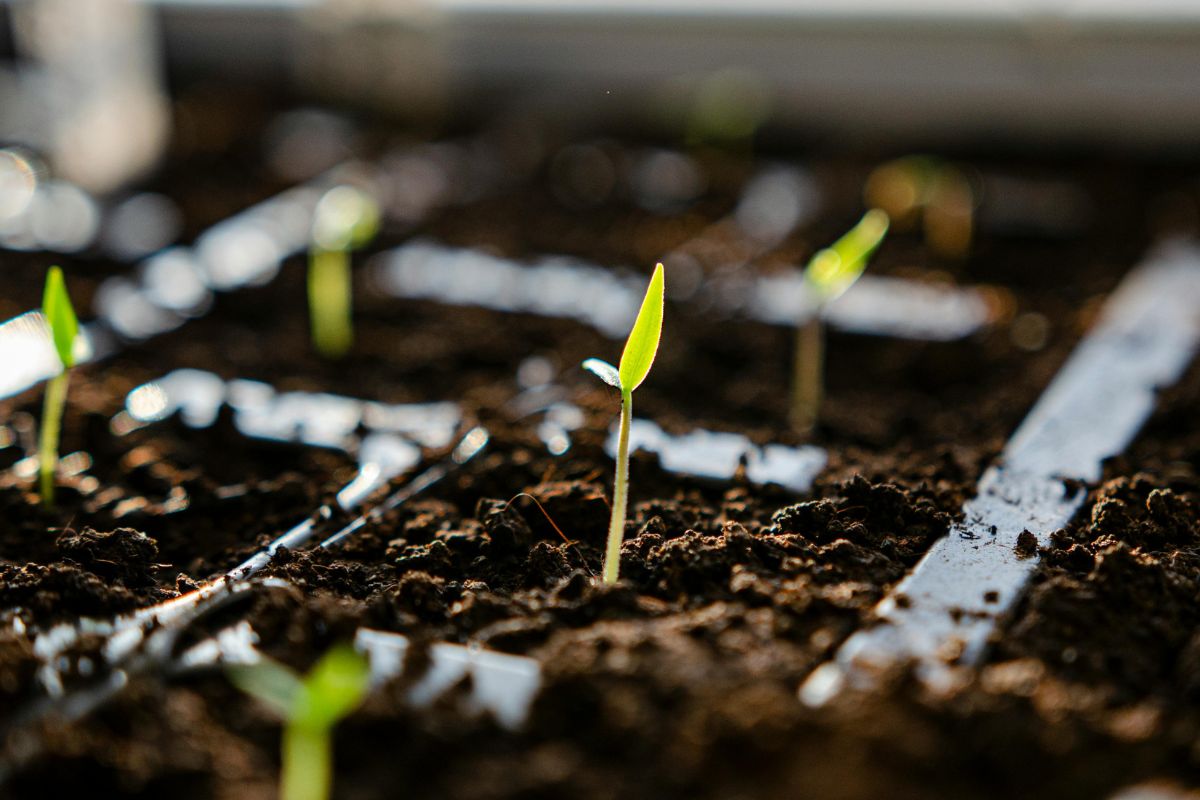
Legumes such as clover, field peas, and vetch are champions of nitrogen fixation. With the help of rhizobia bacteria on their roots, they pull nitrogen from the air and store it in nodules.
When you cut and drop that biomass, it releases plant-available nitrogen for the next crop.
Blend legumes with grasses like rye or oats to balance carbon and nitrogen. The grass anchors soil; the legume feeds it. This duo is especially handy before nutrient-hungry tomatoes, corn, or brassicas.
Choosing Species: Low, Tough, And Useful
If you want a low maintenance ground cover that won’t compete heavily, look for compact species that tolerate foot traffic and frequent trimming. Creeping thyme, white clover, and chamomile are popular around bed edges.
Gardeners often ask about the best low growing ground cover for pathways and borders. White micro-clover is a standout: it stays short, tolerates mild trampling, and quietly fixes nitrogen, all while looking tidy.
 Edible Options You Can Eat
Edible cover crops give you two wins: protection and harvest. Mache (corn salad), purslane, and baby mustards can be clipped for salads while shielding soil. Sweet alyssum isn’t a salad green, but it draws beneficial insects that help keep pests in check.
For spring crops, try a quick cycle of pea shoots or radish as a living mulch between slower plants like onions or broccoli. Harvest tops lightly and leave roots in place to feed soil life.
Raised Beds: Tight Spaces, Big Payoffs
In compact gardens, the best cover crop for raised beds is one that germinates fast, stays shallow-rooted, and terminates easily—think buckwheat in summer or field peas in the shoulder seasons.
They’re easy to chop and drop before planting the next round.
When every square inch matters, plan pathways and interplanting so you know how to plant crops efficiently.
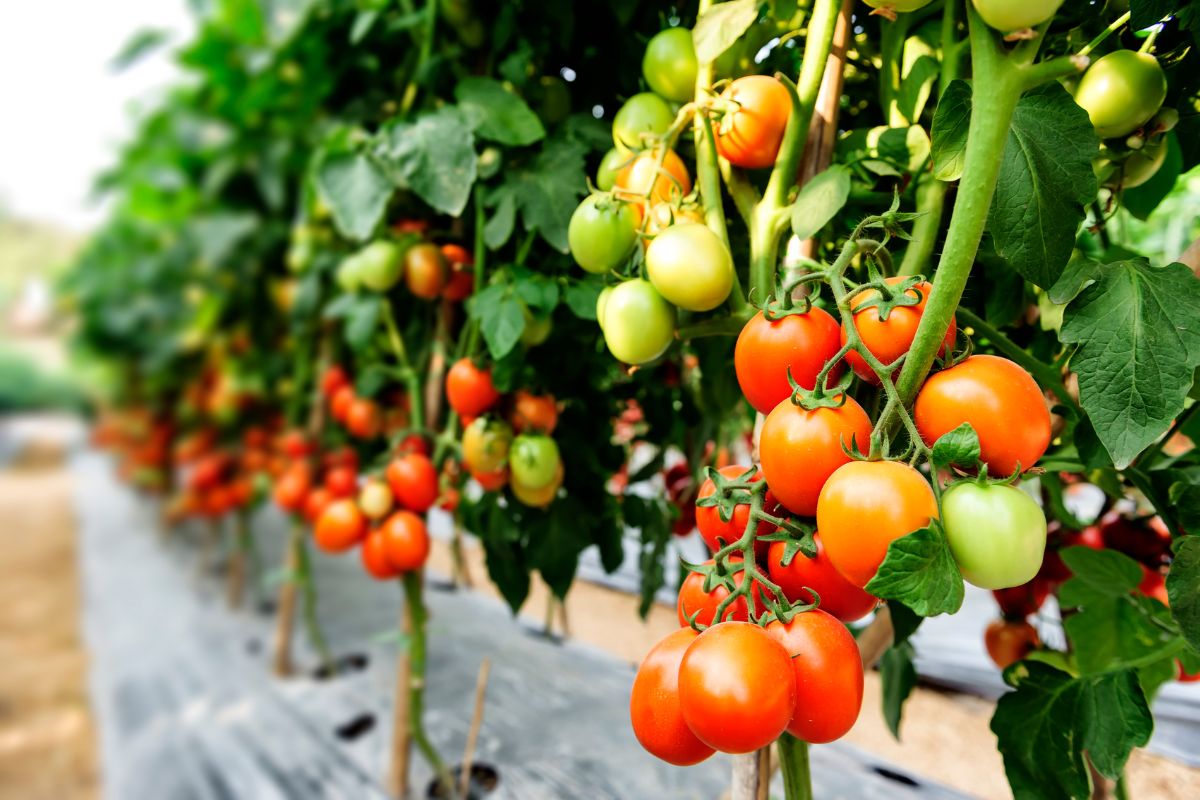
Keep covers to the edges or between rows, and prune regularly so they shade soil—not your tomatoes.
 Weather-Smart Cover: Hail, Heat, And Heavy Rain
If you’re wondering how to protect crops from hail, pair living ground cover with overhead protection. Low covers cushion soil and prevent mud splash, while removable hail cloth or flexible hoops disperse impact.
After storms, ground covers speed recovery by preventing compaction and erosion.
During heat waves, dense foliage acts like living shade cloth at soil level, lowering evaporation so your irrigation works harder for you.
Beyond Lawns: Rethinking the Space
Many gardeners discover that ground cover alternatives to grass can turn side yards and margins into productive zones. Perennial clover or thyme around beds reduces mowing and opens up pollinator habitat that benefits crops.
In arid regions, a xeriscape ground cover strategy—using drought-tolerant living carpets, gravel bands, and mulched basins—keeps beds accessible and water-wise while maintaining clean airflow around plants.
 Natural vs. Artificial Ground Cover
Woven fabrics and biodegradable papers are useful tools, but lean on them thoughtfully.
An artificial ground cover can suppress weeds in tough spots or under perennials, yet living covers do more: they feed soil biology, moderate temperature, and offer habitat.
Use synthetics as a temporary aid while establishing living systems, then transition to plants and organic mulches for long-term resilience.
Design Moves And Alternative Yard Ideas
Want fresh, alternative yard ideas that still support vegetables? Thread narrow ribbons of micro-clover between raised beds, add stepping stones set in creeping thyme, and edge with edible flowers like nasturtium.
You’ll get a cohesive look that also boosts pollination.
For modern lines, mix gravel paths with living strips. This hybrid reads clean and contemporary while delivering the performance of a living mulch—great inspiration for anyone considering ground cover alternatives to grass.
 Quick Picks For Different Goals
If fertility is the target, lean legumes for nitrogen fixation. If rapid cover is key, fast buckwheat ahead of spring crops delivers biomass in weeks.
If aesthetics matter, thyme and micro-clover offer the tidy look many homeowners want.
Whatever you choose, rotate covers so they don’t become pests, and time termination two to three weeks before heavy feeders to avoid nutrient tie-up.
Next Steps
Ready to keep growing veggies while protecting your soil? Start with a small bed, test one living mulch, and scale what works.
If you garden in a courtyard or drought-prone area, a xeriscape ground cover plan with edible pockets can be a stylish, water-wise win.
 Explore More Practical Guides
Browse our latest how-tos for veggie beds, interplanting, and water-wise designs to keep learning how to plant crops efficiently without sacrificing harvests.
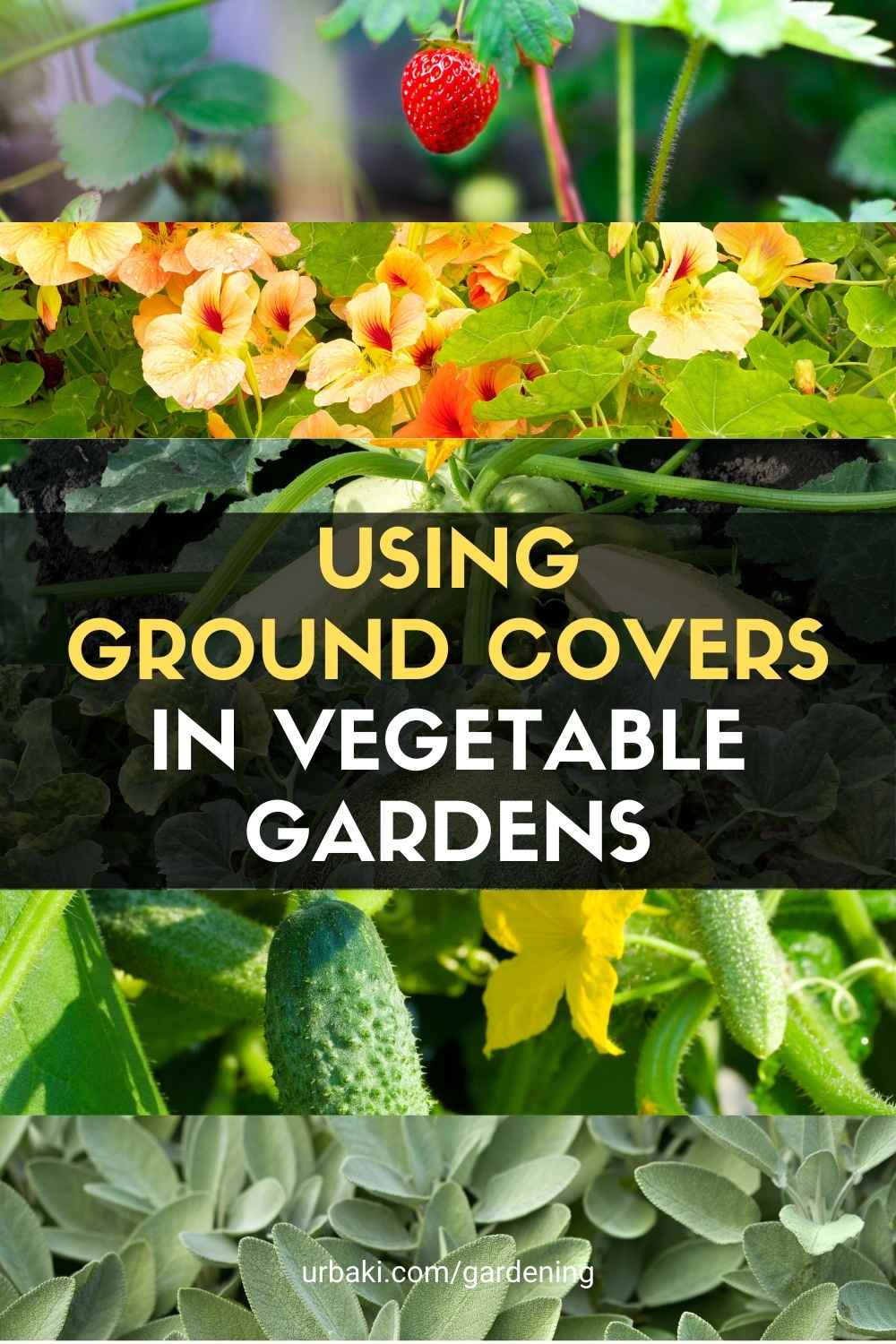
Did you find this post Useful or Inspiring? Save THIS PIN to your GARDENING Board on Pinterest! 😊
 Once again, thank you for visiting our website!
We hope you've enjoyed exploring the content we've created for you.
Give yourself the chance to learn, get inspired, and have even more fun, keep browsing...
More Gardening Tips 👇🏼👇🏼