
3 Best Bonsai Trees for Beginners - Which Bonsai Tree Should I Get?


Here you will find the three favorite bonsai trees for beginners. In this video, you will learn about the species that make the best first bonsai purchase. These bonsai trees are easy to find, easy to care for, and they look great!
All you need to do now is buy one!
The three ideal bonsai trees to start with are:
Chinese Cork Bark Elm
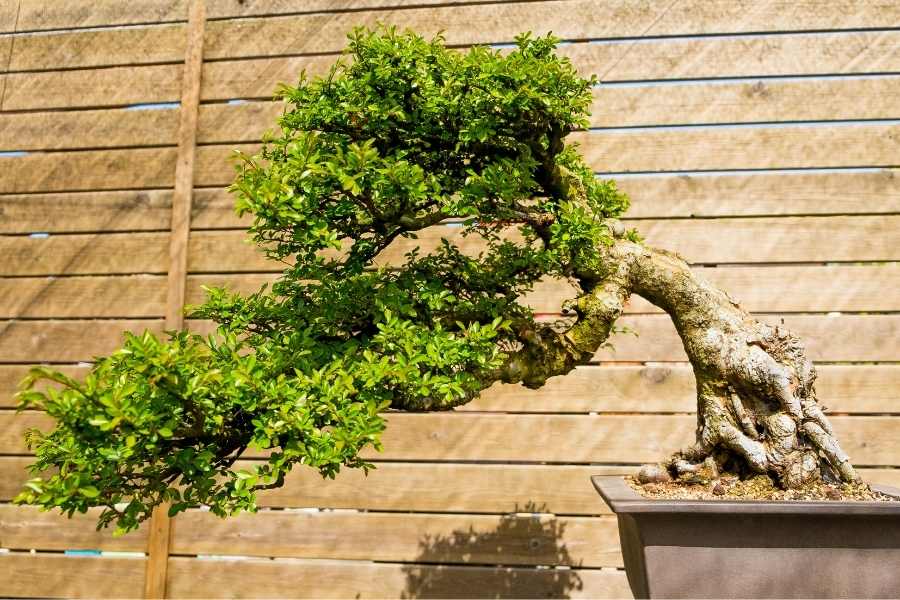
To give it the full name: Ulmus parvifolia Jacq. corticosa - The Cork bark Chinese elm is a variety of the Chinese elm, but with one very important difference, its bark is amazing. Fully hardy and frost tolerant at 5-7 degrees Celsius, this elm is easy to maintain and trains like a bonsai.
Feed right, prune regularly, and keep well watered in the summer and voila. Very attractive fall color that can include yellow, brown, green, and red at the same time.
Cotoneaster

Cotoneasters are small trees, shrubs, or ground cover plants native to Europe, North Africa, and Asia. Most species have small, glossy, dark green leaves, tiny white flowers in the spring, followed by small, round, apple-shaped fruits that are red, orange, or yellow (or in some cases bluish-black) in the fall.
Cotoneasters are often used for hedges, ornamentals, and topiaries and are also very popular for bonsai. A good raw material is often found in gardens, garden centers, or ancient graves.
Cotoneaster is a good choice for attractive trees, especially small bonsai trees, such as Shohin, Kifu, or Chuhin, and is also highly recommended for beginners.
Portulacaria Afra
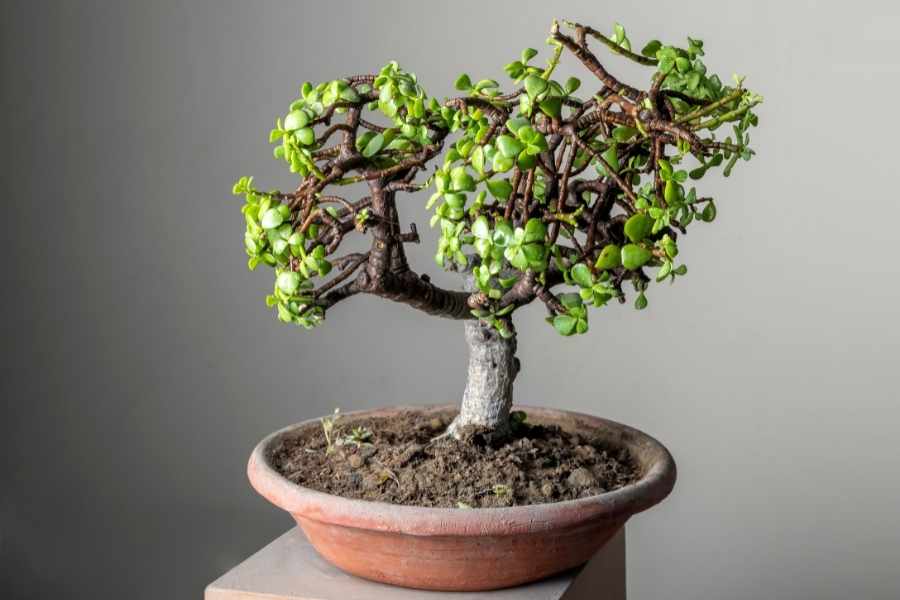
Native to the arid regions of South Africa, dwarf jade is a small, fleshy, soft, and woody tree that grows up to 3 m (10 ft). It has a thick stem, but a thin branch structure with thick green leaves and oval succulents.
During the fall months, the white flowers bloom occasionally, but only if there are dry spells in season. The bark is green and smooth when young and takes on a reddish-brown color with aging.
Dwarf jade is very similar to jade (Crassula ovata) and the same care guidelines apply to both species. As the name suggests, dwarf jade has smaller leaves, making it more suitable for growing bonsai.
Enjoy The Video Tutorial

Source: Gro Bonsai
Did you find this post Useful or Inspiring? Save THIS PIN to your GARDENING Board on Pinterest! 😊
More Gardening Tips 👇🏼👇🏼