
Avoid These 5 Deadly Squash Growing Mistakes


Squash, with its bountiful harvest and delicious flavors, has earned its place as a beloved vegetable in gardens worldwide.
However, even for experienced gardeners, growing squash can sometimes prove challenging.
To ensure a successful and rewarding squash-growing experience, it's crucial to avoid common pitfalls that can lead to disappointment and frustration.
In this article, we'll explore the five deadly mistakes you can't afford to make when growing squash, along with essential tips for cultivating a thriving squash patch.
1. Planting Too Early or Too Late
Timing is everything when it comes to growing squash. Planting too early in the season, when the soil is still cold and temperatures are prone to frost, can stunt growth or even kill young plants.
On the other hand, planting too late may not allow enough time for squash to mature before the first frost of the fall.
For most regions, it's best to wait until all danger of frost has passed and the soil has warmed to around 60°F (15.5°C) before planting squash seeds or seedlings.
By choosing the right time to plant, you'll give your squash a head start in its growth journey.

2. Overwatering or Underwatering
Squash plants require consistent and adequate watering to flourish, but finding the right balance is crucial.
Overwatering can lead to root rot and other diseases, while underwatering can cause stress to the plants and negatively impact fruit development.
To maintain the ideal moisture level, water deeply but infrequently. Aim to provide about one inch of water per week, either through rainfall or manual watering.
Additionally, consider using mulch around the base of the plants to retain soil moisture and reduce the need for frequent watering.
3. Neglecting Pollination
Squash plants rely on pollination to produce fruit, and without proper pollination, your efforts may be in vain.
While some varieties are self-pollinating, many types require the assistance of bees or other pollinators to transfer pollen between male and female flowers.
Encourage pollinators to visit your garden by planting pollinator-friendly flowers nearby and avoiding the use of harmful pesticides.
If pollinator activity is limited, you can hand-pollinate squash by transferring pollen from male to female flowers using a small brush or cotton swab.

4. Ignoring Pest and Disease Management
Squash plants are susceptible to various pests and diseases, including squash bugs, vine borers, powdery mildew, and more.
Ignoring these threats can lead to devastating consequences for your squash harvest.
Regularly inspect your plants for any signs of pest infestation or disease.
Promptly remove and destroy affected plant parts and consider using natural remedies or organic pesticides to control pests.
Applying neem oil or releasing beneficial insects, like ladybugs or praying mantises, can be effective in managing pests in an eco-friendly manner.
5. Planting Too Close Together
Squash plants are vigorous growers and can quickly spread across the garden if planted too closely together.
Crowded plants compete for sunlight, water, and nutrients, leading to reduced yields and increased vulnerability to diseases.
When planting squash, ensure that each plant has enough space to spread its leaves and vines without overlapping with neighboring plants.
Proper spacing not only improves air circulation and reduces disease risk but also facilitates ease of maintenance and harvesting.
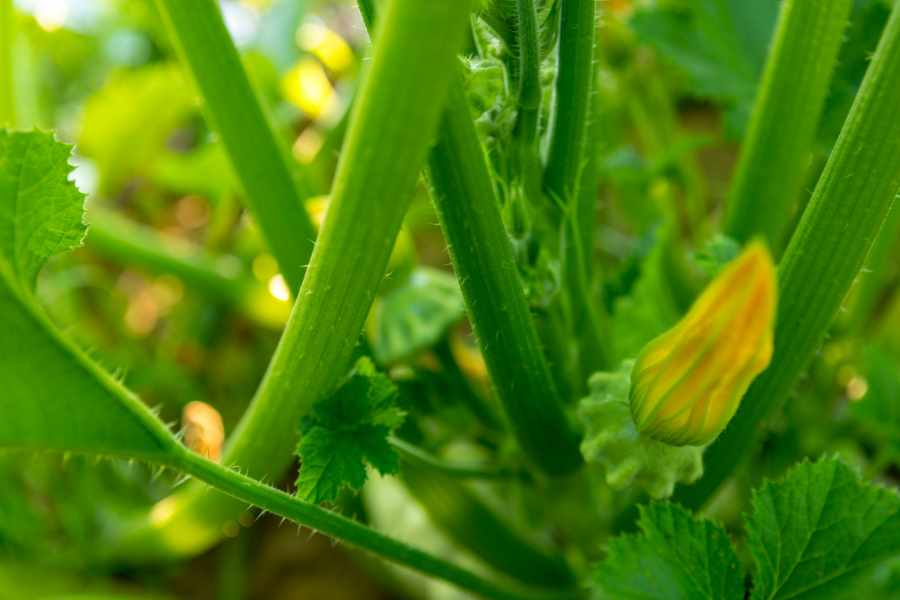
By avoiding these deadly mistakes and implementing these essential tips, you'll set the stage for a flourishing and productive squash harvest.
Growing squash can be a highly rewarding experience, providing you with an abundant supply of delectable vegetables for your table.
We hope you enjoy this video about 5 Deadly Squash Growing Mistakes
Source: jamesprigioni
Did you find this post Useful or Inspiring? Save THIS PIN to your GARDENING Board on Pinterest! 

Once again, thank you for visiting our website!
We hope you've enjoyed exploring the content we've created for you.
Give yourself the chance to learn, get inspired, and have even more fun, keep browsing...
More Gardening Tips 👇🏼👇🏼