
CALADIUM: Plant Care & Growing Guide


Few foliage plants stop traffic like a vibrant caladium plant. Those heart-shaped leaves—splashed with pinks, whites, and lime—turn shady corners into showpieces.
This practical guide to Caladium Plant Care covers light, soil, watering, feeding, and seasonal storage so you’ll know exactly how to keep color coming, indoors or out.
Caladium Plant Care Basics
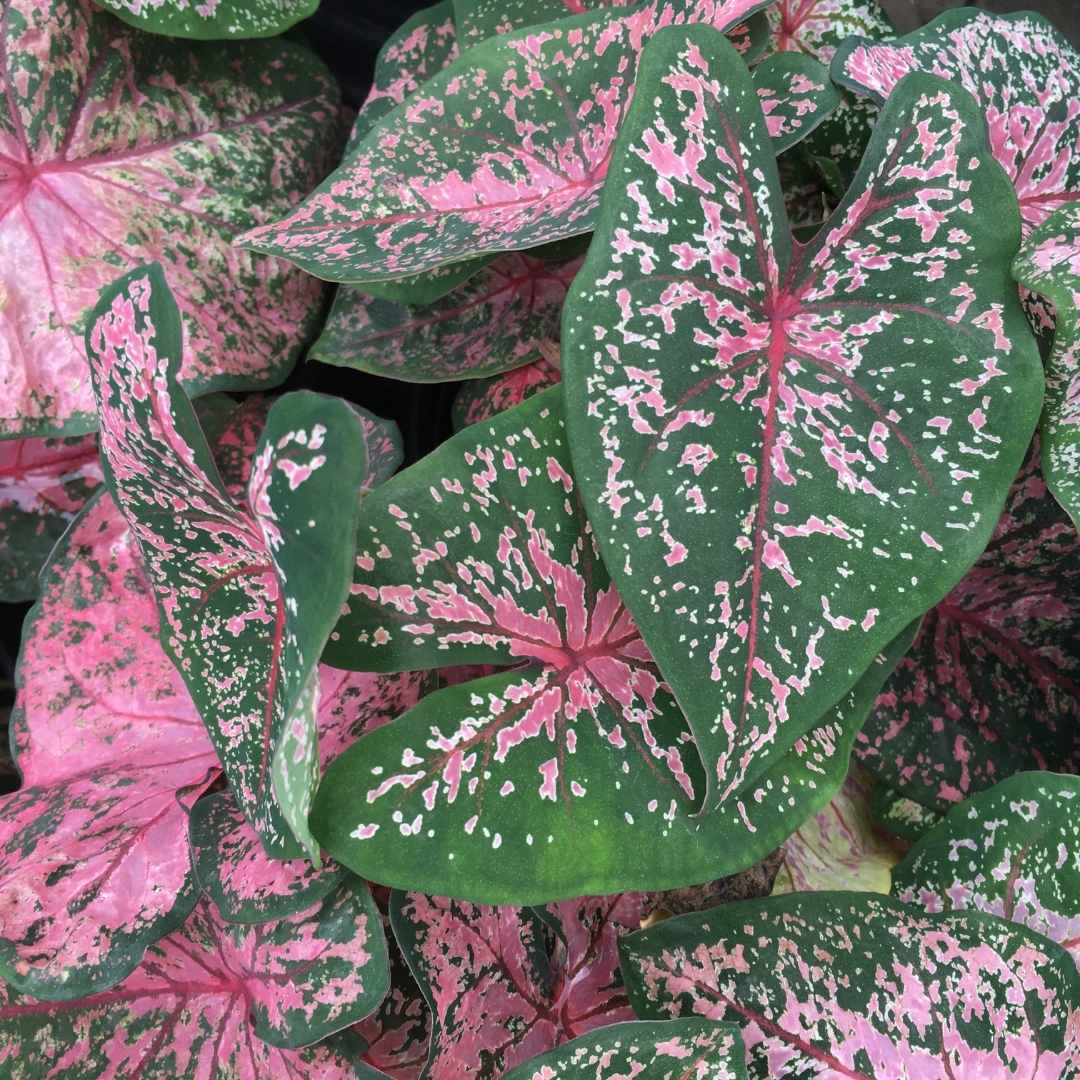
Caladiums are tropical tubers that thrive in warm temperatures, bright filtered light, and consistently moist (never soggy) soil. Think of them as warm-weather sprinters: once heat arrives, growth explodes; when temperatures cool, they rest.
Where summers are short, start tubers early in containers or buy sprouted plants. Outdoors, wait until soil is reliably warm before planting. These fundamentals are the core of successful caladium care.
Light & Temperature
Most fancy-leaf varieties prefer bright, indirect light or morning sun with afternoon shade. Too much harsh sun can bleach or scorch leaves; too little light yields muted color. Sun-tolerant cultivars can handle more rays, especially in cooler climates.
Warmth is non-negotiable. Daytime temps of 70–85°F (21–29°C) and nights above 60°F (16°C) keep foliage lush. If you’re growing indoors, place pots near a bright window with sheer curtains and keep them away from cold drafts.
Soil & Planting

Use a light, airy mix: quality potting soil loosened with perlite or fine bark. In beds, amend with compost for drainage and nutrients. Plant tubers 1–2 inches deep with the knobby “eyes” facing up and space them 8–12 inches apart for a full look.
Container growers can tuck multiple tubers in a wide pot for instant impact. Ensure excellent drainage holes—caladiums dislike standing water. Good structure underpins great color, one of the most overlooked Caladium Care Tips.
Watering That Works
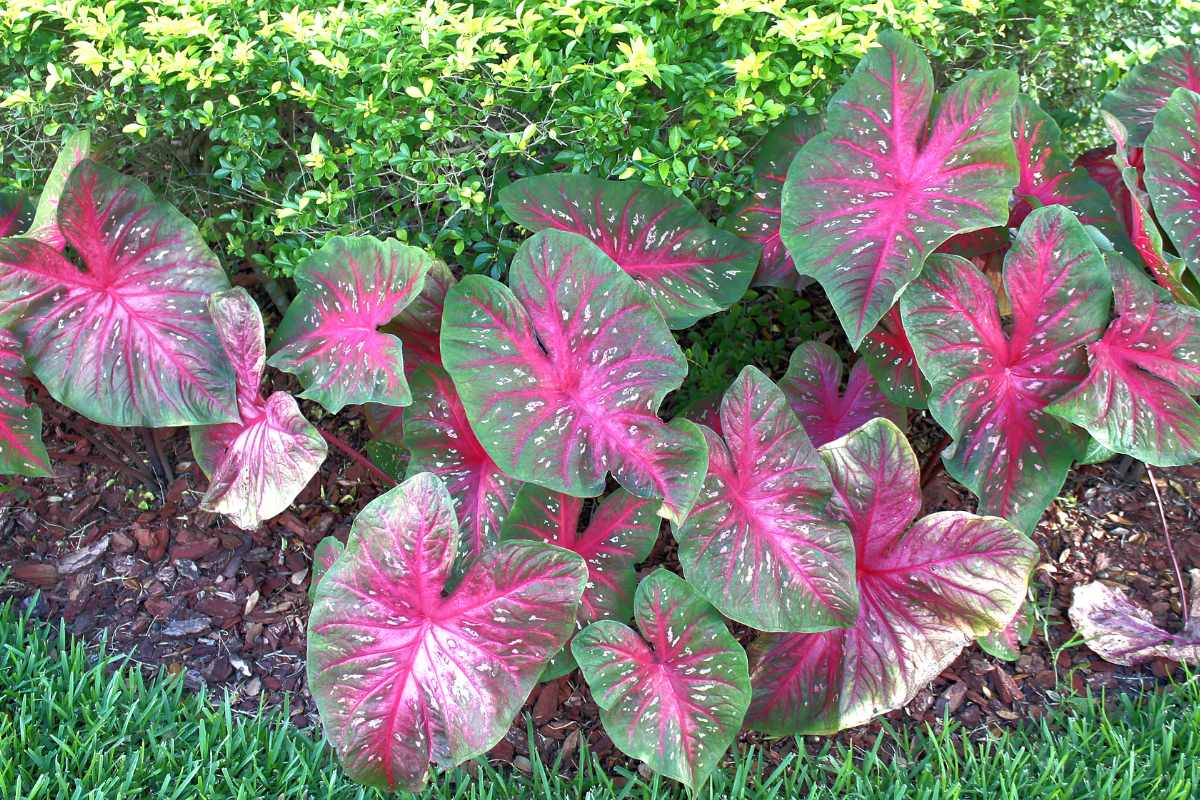
Caladiums like steady moisture. Water when the top 1 inch (2–3 cm) feels dry, then soak thoroughly so water reaches the root zone. Avoid the “sip every day” habit; deep, even watering produces larger, crisper leaves.
Mulch beds with shredded leaves to stabilize moisture and temperature. Indoors, use saucers to catch excess but empty them after 10 minutes. Strong watering discipline is central to dependable Caladium Plant Care.
Feeding for Vivid Color
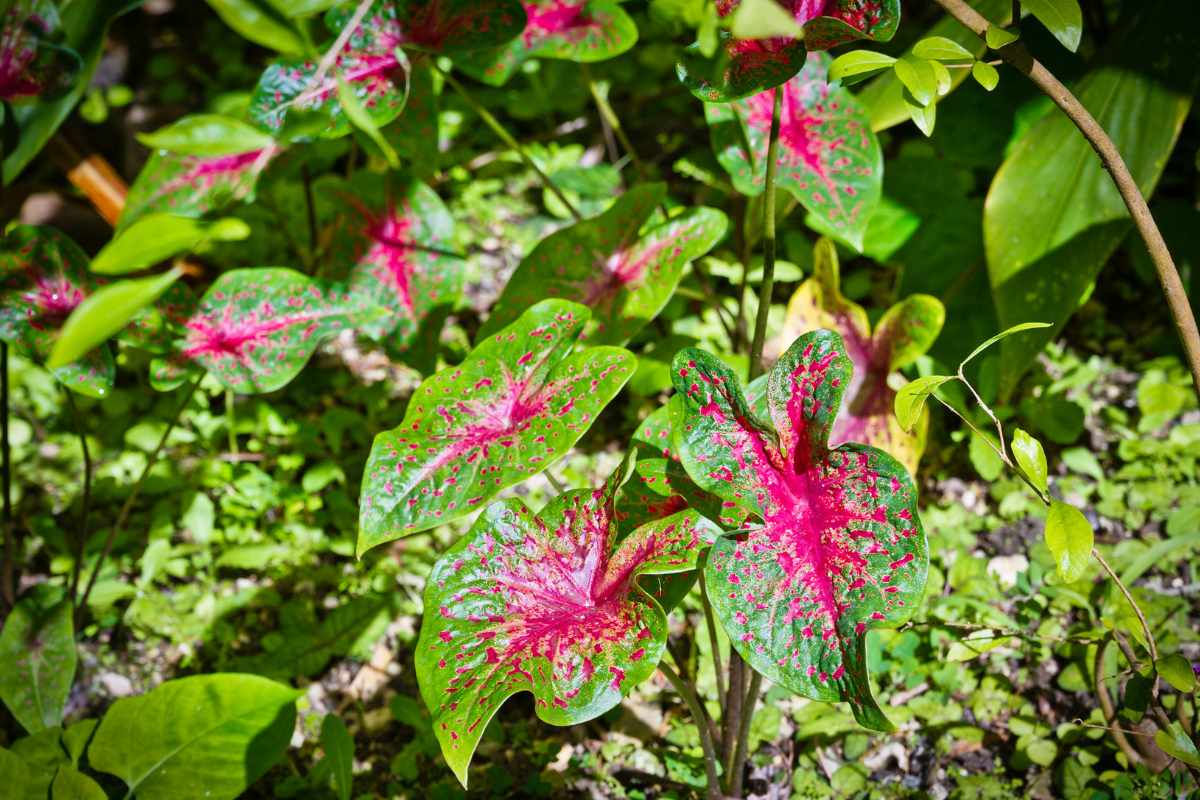
Foliage needs fuel. During active growth, feed every 3–4 weeks with a balanced, dilute liquid fertilizer, or mix in a slow-release granule at planting. Too much nitrogen can soften colors; moderate, regular feeding keeps patterns vivid.
Leaf color is your indicator panel: if hues fade despite good light, your plant may need a gentle nutritional nudge. Combine feeding with consistent moisture for the best payoff.
Indoors vs. Outdoors
Outdoors, caladiums shine in shaded borders, porch boxes, and under trees. Indoors, they’re seasonal stars—treat them as a living bouquet near bright windows. Rotate pots weekly so leaves color evenly and don’t lean.
If indoor air is dry, cluster plants together or add a pebble tray for humidity. This small tweak supports leaf turgor and gloss, a subtle but effective piece of caladium care.
Design Ideas & Companions
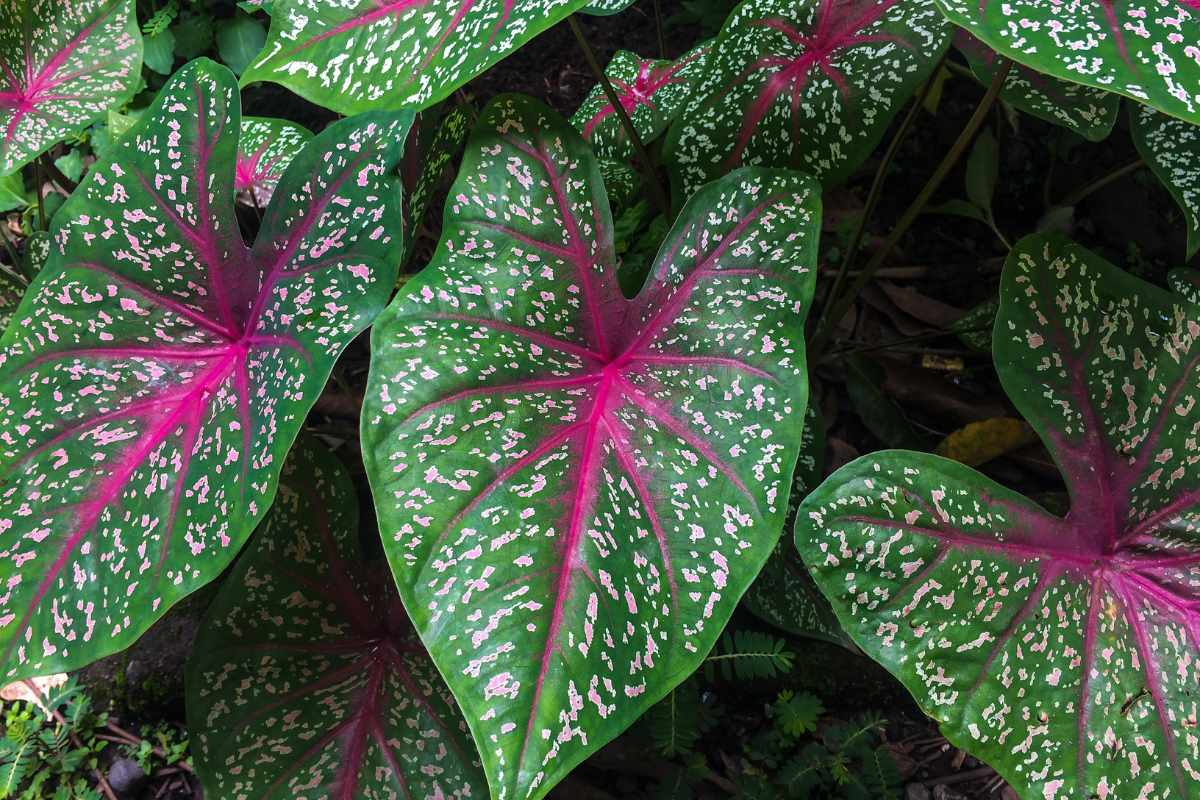
Use bold varieties as focal points and lighter patterns as fillers. Pair caladiums with ferns, coleus, or impatiens for layered texture in shade. In containers, mix tall thriller plants with trailing vines and a center of dramatic caladium hearts.
Repeat a color across the bed—pink veining here, white freckles there—to tie spaces together. These easy design choices elevate gardens without extra work.
How To Grow Caladium Plants From Start to Finish
Warm tubers indoors 4–6 weeks before your last frost date. Pot shallowly in moist mix, provide warmth and bright light, and keep evenly moist. Once outside temps stabilize, harden off plants for a few days and transplant to beds or decorative pots.
Maintain the rhythm: light feedings, deep watering, and regular rotation. With this cycle, you’ve mastered the essentials of How To Grow Caladium Plants whether your goal is patio drama or indoor color.
Pests, Problems & Easy Fixes
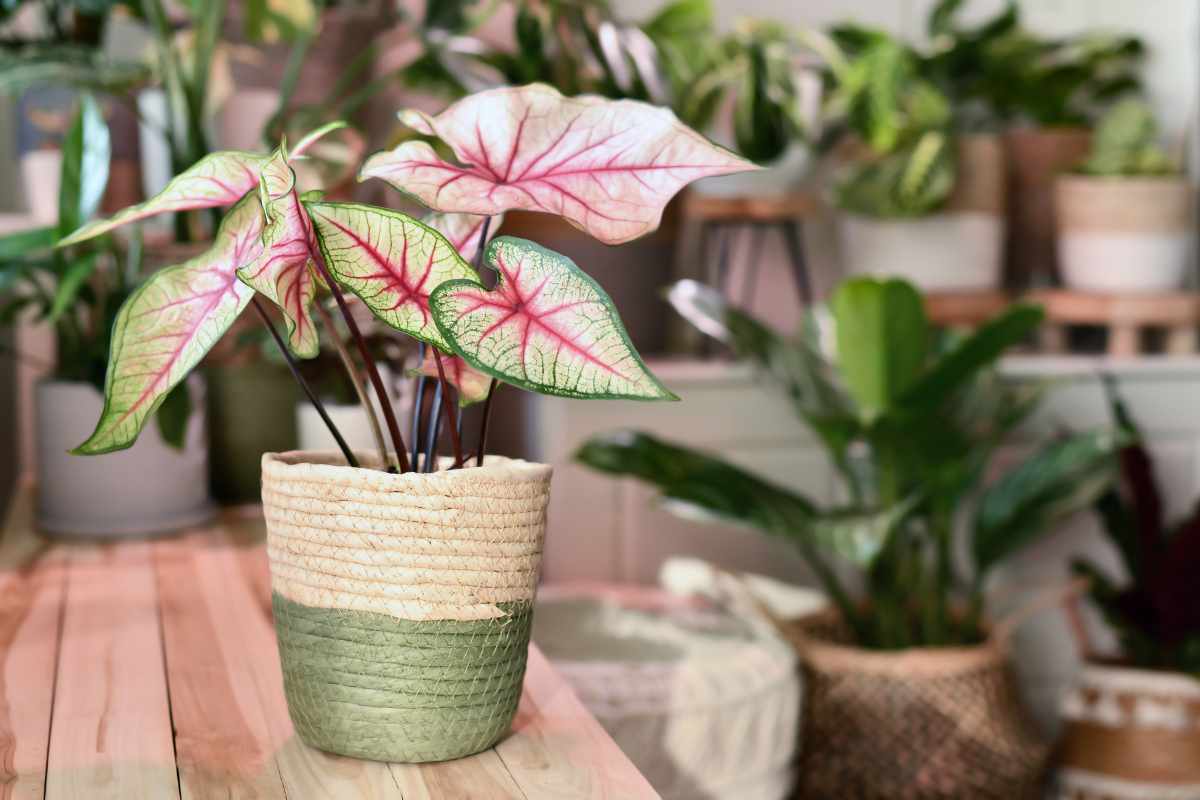
Leaf scorch or fading: Reduce direct sun and increase filtered light. Droop or curl: Usually underwatering; soak thoroughly and resume steady moisture. Yellowing with wet soil: Improve drainage and let the mix dry slightly before watering again.
Watch for spider mites in hot, dry spells—rinse foliage and use insecticidal soap if needed. Good airflow and clean leaves go a long way in prevention.
End-of-Season: Storing Tubers
As days shorten and growth slows, reduce watering. After foliage naturally declines, lift tubers before frost. Brush off soil, cure in a warm, airy spot for a week, then store in dry peat or paper bags at 60–70°F (16–21°C).
Label colors and patterns so next spring’s layout is effortless. Proper storage turns seasonal beauty into a yearly tradition—hallmark knowledge for long-term caladium plant success.
Frequently Asked Questions
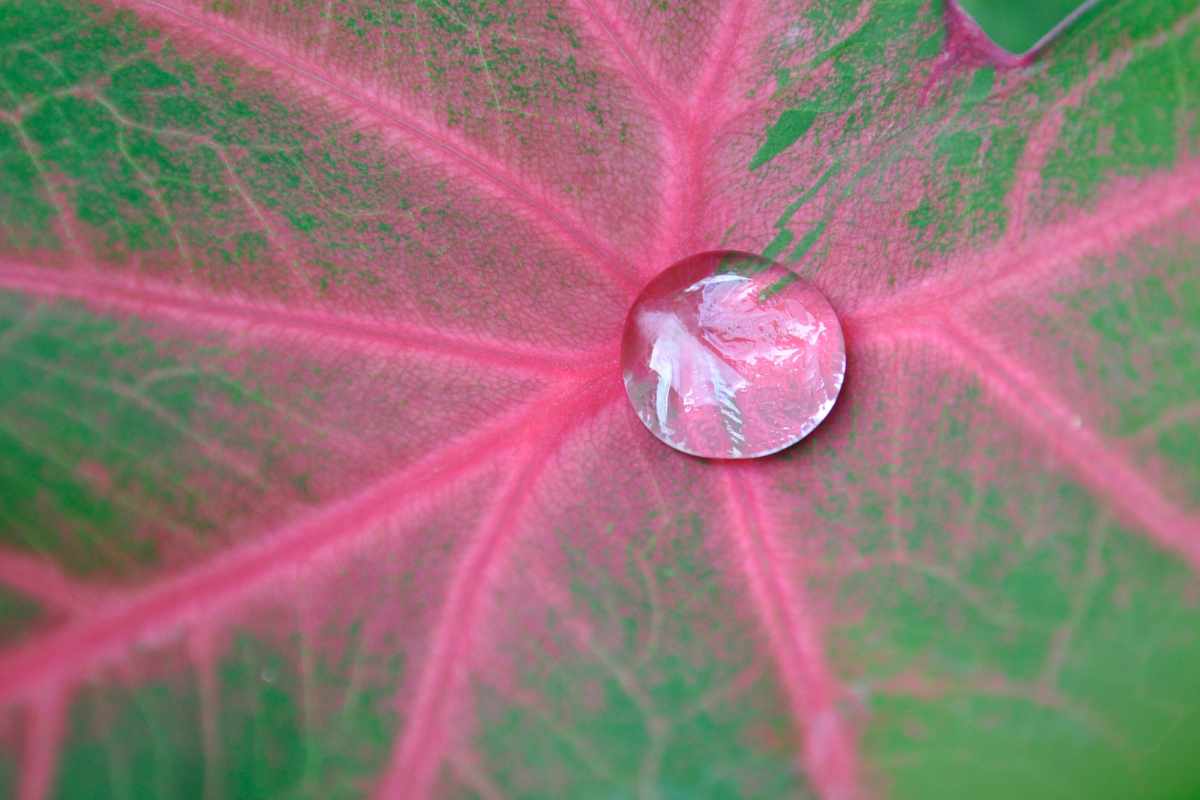
Are caladiums perennial? In warm zones (USDA 9–11), yes. Elsewhere, treat them as annuals or lift and store tubers. Do they need full sun? Most don’t; bright shade is best, though sun-tolerant types can handle morning sun.
Can caladiums grow indoors year-round? They can, but many naturally rest. If leaves decline in winter, allow dormancy—resume care when new eyes sprout in spring. This ebb and flow is normal in Caladium Plant Care.
Quick-Cal Guide (Save This)
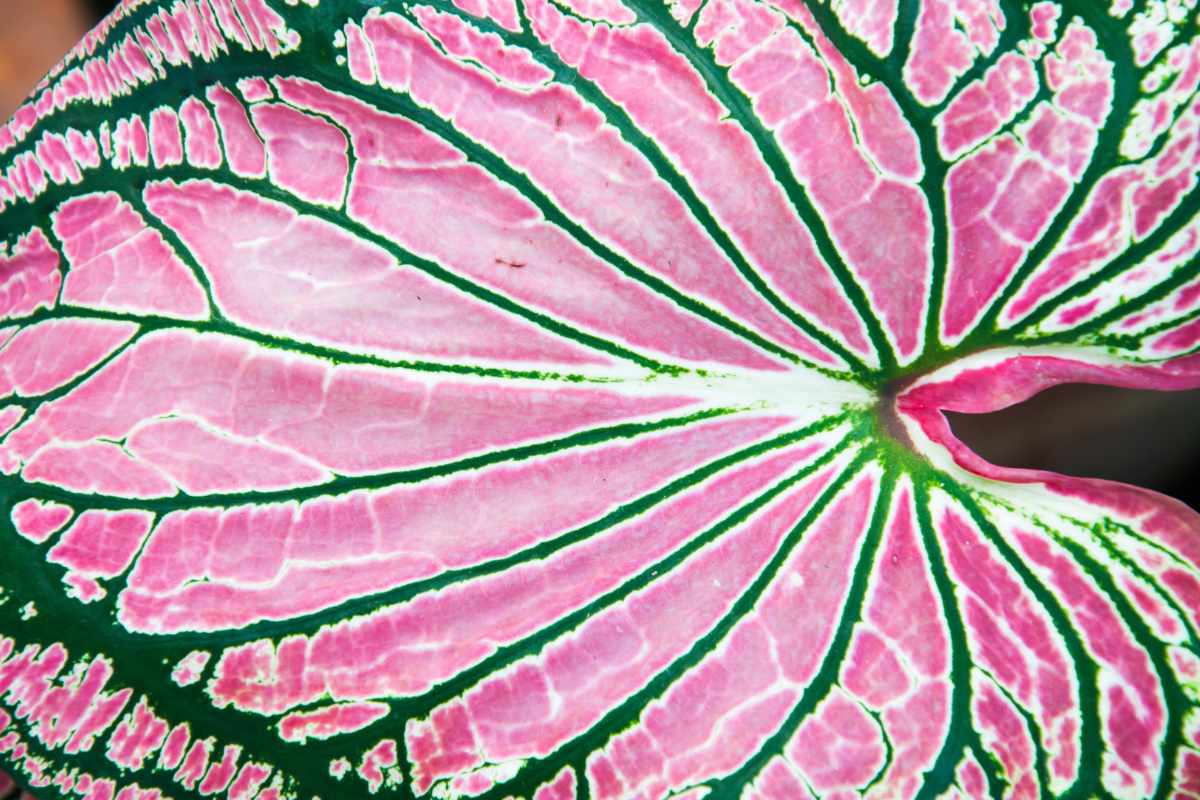
Light: Bright, filtered. Water: Keep evenly moist. Soil: Airy, well-drained. Feed: Light but regular. Store: Lift tubers before frost and cure warm.
Follow these Caladium Care Tips and your displays will be lush all season long.
Keep Growing with Urbaki
Ready to try new color combos, containers, or shade pairings? Explore more foliage-forward guides on Urbaki Gardening and level up your caladium plant results from spring to storage.
Enjoy The Video Tutorial

Source: Tropical Plant Addict
More Gardening Tips 👇🏼👇🏼