
Drying and Propagating Sage From The Garden


Propagating sage from the garden is one of the fastest, most rewarding ways to expand your herb patch without buying new plants.
In this video review, we break down what you’ll learn, when to take cuttings, the pros and cons of water vs. soil, and essential aftercare so your cuttings mature into hardy, aromatic plants.
If you’ve ever wondered how to root sage in water or the simplest way to propagate sage with basic tools, you’re in the right place.
What You’ll Learn From the Video
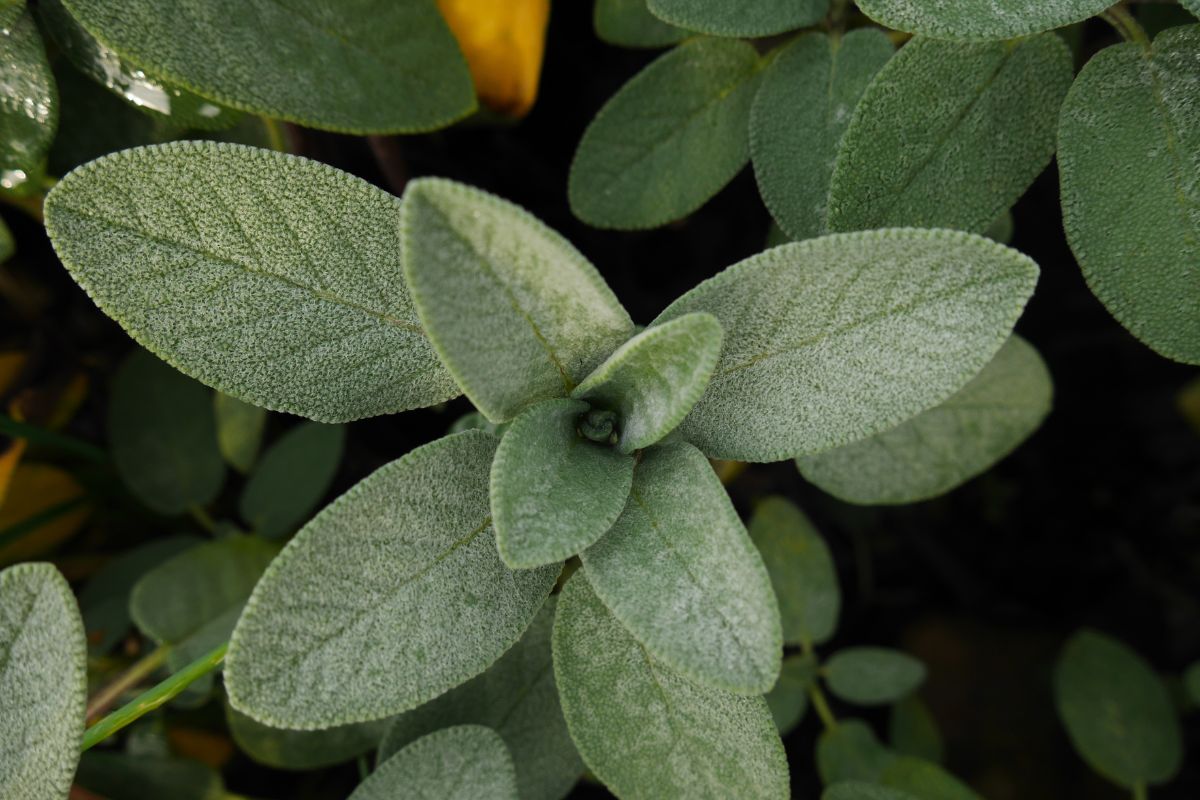 The creator shows a clear, beginner-friendly method for taking sage from cuttings, preparing them, and setting them up for fast root development.
You’ll see the exact stem type to choose, how much foliage to keep, and how to stage your cuttings so they don’t wilt.
Because it’s a visual walkthrough, it demystifies how to propagate sage without turning it into a rigid, step-by-step technical manual.
Expect practical cues—what healthy tissue looks like, how firm the stems should feel, and how to judge hydration—so you can adapt to your own garden conditions.
There’s also a helpful comparison between water and potting mix, so you can decide whether to start with sage water rooting or go straight to a light, free-draining medium.
Either way, you’ll finish confident about propagating sage successfully.
When and How to Take Cuttings
 Timing matters. Semi-ripe stems—those that are no longer floppy but not fully woody—tend to root reliably. Morning is best, when plants are fully hydrated.
Snip below a node (the little bump where leaves meet stem) and keep the cutting shaded while you prep it.
The video’s approach to how to propagate sage from cuttings emphasizes simplicity: remove lower leaves, keep a small leaf pair at the top, and minimize stress.
That balance gives you the vigor of fresh growth plus enough structure for roots to form.
If you’re curious about how to grow sage from cuttings after they root, the key is gentle transitions: bright, indirect light first, then gradually more sun as roots strengthen.
A light pinch once plants establish encourages bushier growth later.
Water vs. Soil: Which Start Is Best?
 Starting in water lets you watch roots form and can be reassuring for first-timers. If you choose water, the clip illustrates how to root sage in water using a clear jar and fresh, room-temperature water.
Change it every few days to keep oxygen levels high and prevent slime.
Soil starts leapfrog the transplant step. Use a gritty, well-aerated mix and firm it gently so cuttings stand up but aren’t smothered.
Whether you begin in water or soil, humidity is your friend—bagged cuttings or a simple dome help limit leaf stress until roots take over.
Either route works; pick the one you’ll maintain consistently. The real secret is clean tools, moderate light, and steady moisture rather than any single “magic” trick.
Aftercare: Light, Feeding, and First Prune
 New plants need stability more than fertilizer. Once roots are 2–3 inches long (water) or cuttings resist a gentle tug (soil), pot up into a well-draining mix and move to brighter light.
This is where classic sage plant care tips kick in: avoid soggy pots, let the top inch dry between waterings, and give 6–8 hours of sun once established.
Introduce a diluted, balanced feed only after you see fresh growth. Airflow matters—crowded benches invite mildew. A small fan or extra spacing keeps foliage dry and fragrant.
Your first shaping cut is crucial. Lightly pruning sage above a leaf node encourages branching and a fuller look. Over time, routine pruning sage plants extends productivity by keeping stems youthful.
Troubleshooting Common Pitfalls
 Droop and leaf drop usually mean too much heat or too little humidity; add shade and mist the air (not the leaves) around the plants.
Blackened stem bases suggest overly wet media—loosen the mix and water less frequently.
If water-rooted cuttings stall, refresh the water more often and trim back to clean tissue.
For soil starts, check that the container drains freely and that light is bright but not scorching.
Remember, there isn’t a single right way to propagate sage; the video’s biggest value is teaching you what healthy progress looks like—firm stems, perky leaves, and steady new growth—so you can course-correct quickly.
Creator Credit & Why We Recommend It
This tutorial is presented clearly, with steady close-ups and practical guidance that gardeners can apply immediately.
We recommend it because it balances encouragement with real-world checkpoints, perfect for anyone learning how to propagate sage or scaling up a kitchen herb garden.
Enjoy This Video Tutorial About Planting Herbs

Source: Khang Starr
Don’t forget to Subscribe to our Newsletter to receive amazing tips and tricks about Gardening and the FREE Ebook Green Living Strategies!
Did you find this post Useful or Inspiring? Save THIS PIN to your GARDENING Board on Pinterest! 😊
 Once again, thank you for visiting our website!
We hope you've enjoyed exploring the content we've created for you.
Give yourself the chance to learn, get inspired, and have even more fun, keep browsing...
More Gardening Tips 👇🏼👇🏼