
FAST & EASY Pruning Bonsai Trees for Beginners

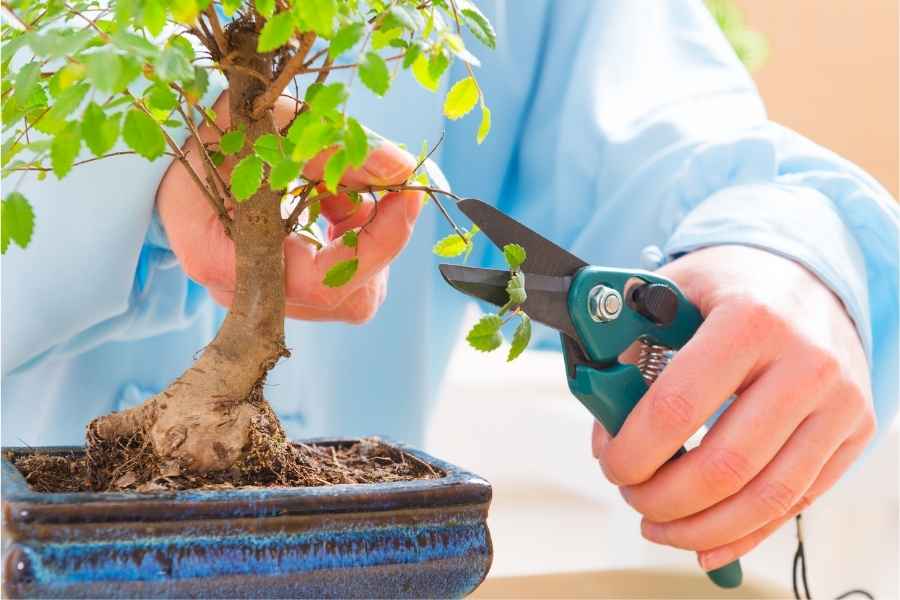
Bonsai is the art of shaping living trees into miniature landscapes, and this curated video offers a clear, inspiring overview for beginners.
Below you’ll find what to watch for, how to apply the ideas at home, and where these insights fit in a broader context of plant care and design.
What You’ll Learn From The Video
The video walks through foundational concepts that matter for healthy bonsai plants: selecting vigorous plants, understanding containers, and reading the tree’s response over time.
You’ll see how subtle wiring and pruning choices guide growth without forcing it.
It also demonstrates how to evaluate soil texture and drainage, which directly influences watering frequency and fertilizer timing.
Think of it as practical plant care distilled into visuals: observe, adjust, and keep records so your tree improves season after season.
The creator emphasizes restraint—doing a little, then letting the tree recover. That cadence is essential to any living art form and sits at the heart of accessible bonsai techniques.
 Species Spotlight: Ficus And Pines
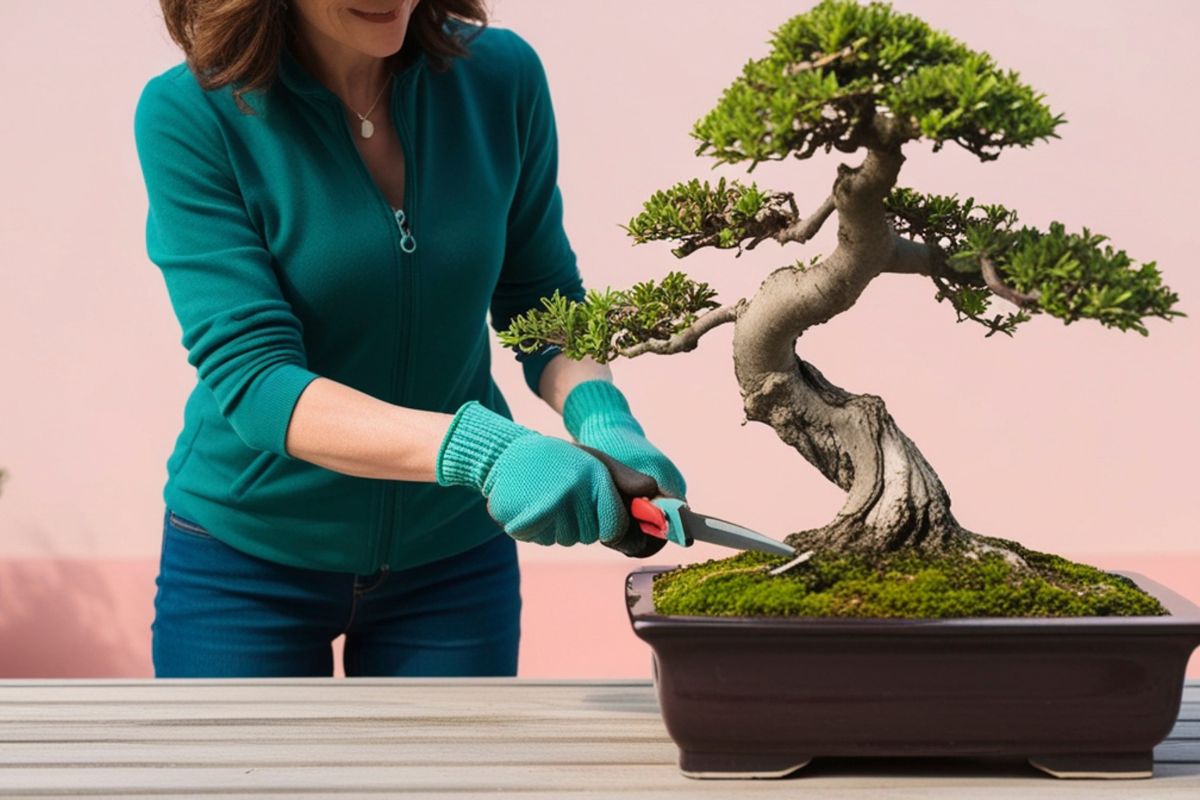
If you’re drawn to tropicals, the tutorial pairs nicely with the forgiving nature of a Ficus Bonsai.
Varieties like ginseng ficus bonsai are sturdy, root-proud trees that tolerate indoor light better than most.
For brighter rooms, an elegant Ficus Altissima Bonsai rewards you with vibrant foliage while staying compact.
Conifers bring a different rhythm. A pinus nigra bonsai (Austrian pine) responds well to seasonal candle work, while a Pinus Densiflora Bonsai (Japanese red pine) offers delicate needles and classic silhouettes.
Both demand patience, but their texture pays off in refined structure and enduring character.
Succulent options exist too: a Portulacaria Afra Variegata Bonsai (often called variegated “elephant bush”) is great for warm, bright spots and sparse watering.
Its creamy leaf margins bring an unexpected lightness to any shelf or desk.
 From Techniques To Living Art
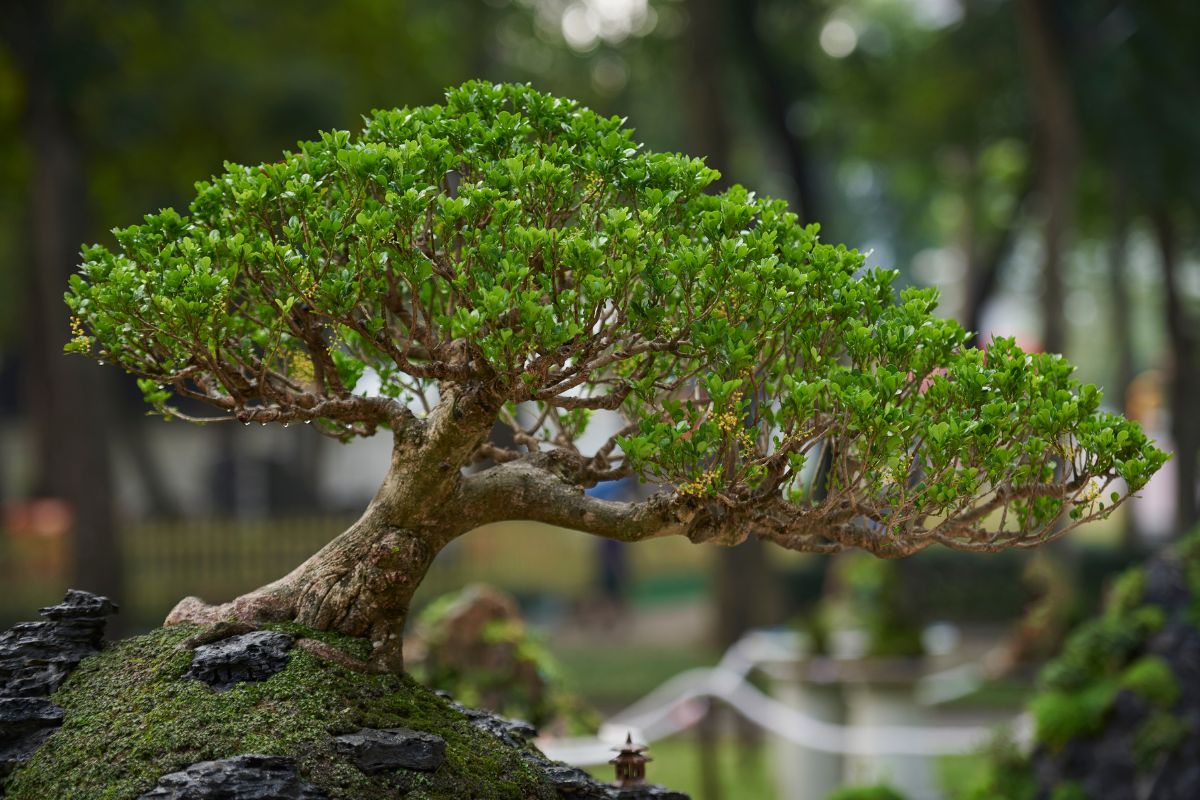
While the video focuses on fundamentals, it also hints at composition—the bridge between skill and bonsai art. Choosing pot proportions, trunk angle, and negative space helps a tree feel balanced from all sides.
Keep a small sketchbook and note which angles, lines, and textures resonate with you.
As you practice bonsai techniques, remember that design is iterative. Wire is temporary, but movement becomes permanent as branches lignify. That is where everyday training evolves into lasting style.
Over time, these choices can cohere into a personal collection—a tabletop bonsai garden that reflects your taste across species, seasons, and forms.
 Display Ideas: From Arbor To Interior Style
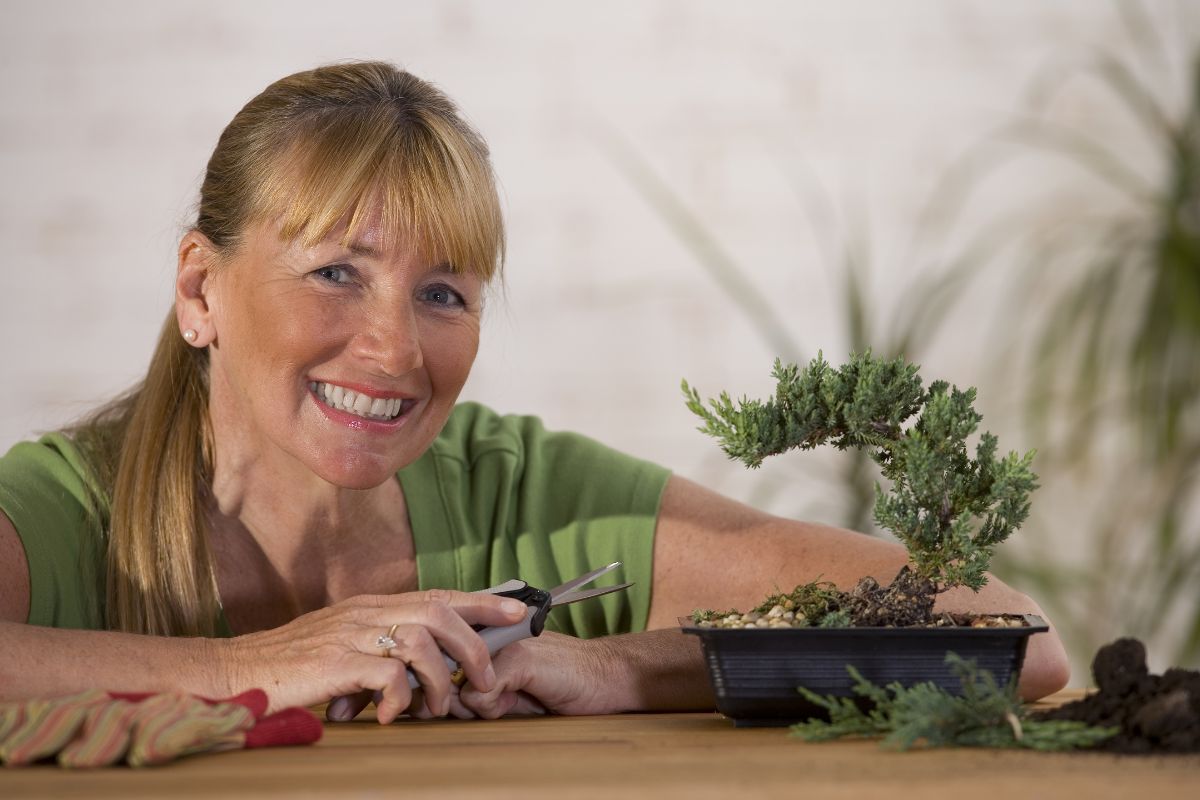
Outdoors, a simple bench or a small arbor can frame your collection while providing dappled light. Indoors, position a single tree against textured walls to underscore scale.
If you enjoy ornamented interiors, you can even pair a clean-lined tree with Baroque Decor to create a striking contrast between organic minimalism and ornate detail.
Container choices also influence mood. Unglazed earth tones emphasize bark and trunk lines; soft glazes highlight flowers when seasonally present. Keep the visual story coherent: one focal point per shelf beats a crowded tableau.
For apartment growers, think compact. A window-ledged forest planting or a solo desktop ficus brings nature within reach and fits perfectly into potted gardening when outdoor space is limited.
 Care Essentials You Can Apply Today
Water deeply, then wait until the mix approaches dryness—frequency depends on species, pot size, and climate.
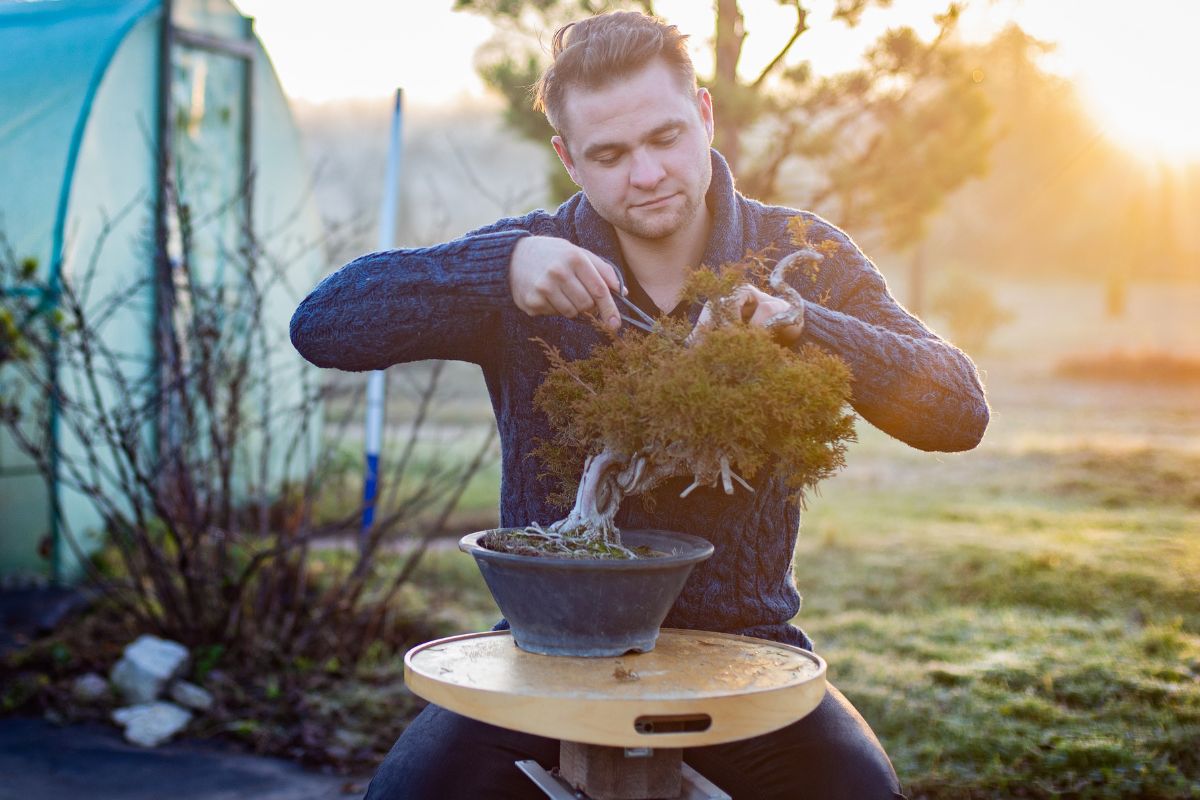
Trim for light and airflow; remove crossing shoots; and repot on schedule so roots remain vigorous. These evergreen habits keep bonsai plants resilient.
If you’re new to wiring, start light and practice on expendable shoots. Combine gentle bends with directional pruning to establish taper and movement without stress.
Feed modestly through the growing season and pause during dormancy for pines.
Finally, keep notes. Recording seasonal responses builds intuition faster than any single tutorial and turns routine bonsai ficus maintenance into an intentional craft.
 Bonsai Techniques You’ll See In The Video
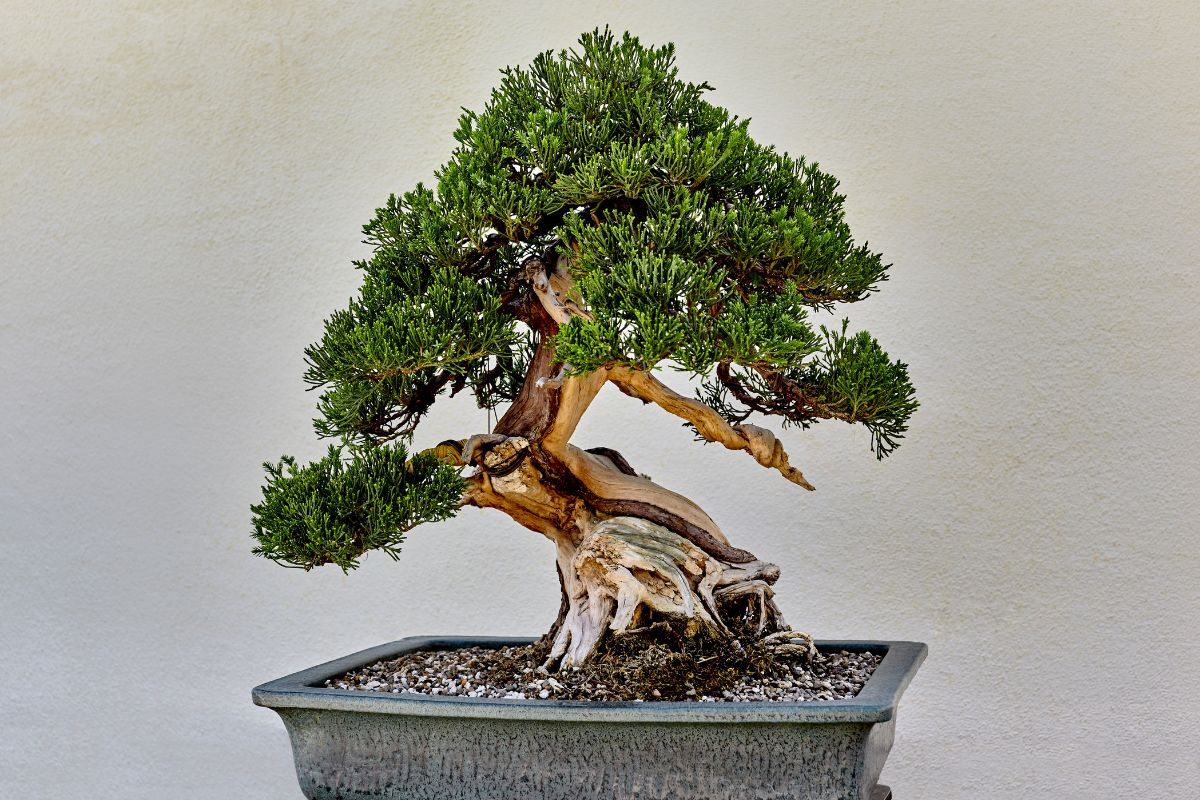
Look for safe pruning angles, anchor points for wire, and timing cues for pine candle pinching. Notice how the presenter lets the tree dictate pace—an approach that prevents setbacks and speeds progress in the long run.
Use these scenes to create your own checklist: observation, light pruning, recovery, structural adjustment, and styling. With repetition, the workflow becomes second nature and your collection—whether ficus, pine, or succulent—matures gracefully.
This resource complements books and classes, but it’s uniquely helpful to see technique applied on real trees in real time.
Watch The Tutorial
We’re sharing this educational video to guide your next steps. All creative credit belongs to the original YouTube creator linked below. For full context, tips, and visuals, watch here:
Enjoy This Video Tutorial About Bonsai

Source: Gro Bonsai
Did you find this post Useful or Inspiring? Save THIS PIN to your GARDENING Board on Pinterest! 😊

More Gardening Tips 👇🏼👇🏼