
Fatsia Japonica Care Guide: A Bold Plant for Shady Gardens


If your garden struggles with low light and feels more shadowy than sun-soaked, Fatsia japonica might be exactly what you need.
With its large, glossy leaves and lush, tropical look, this plant brings bold texture and year-round interest to the darkest corners of your landscape.
Also known as Japanese aralia, Fatsia japonica is a low-maintenance evergreen shrub that thrives in shade and partial shade, making it a favorite among gardeners working with challenging light conditions. In this care guide, you’ll learn how to grow, maintain, and style this striking plant with ease.
Meet Fatsia Japonica
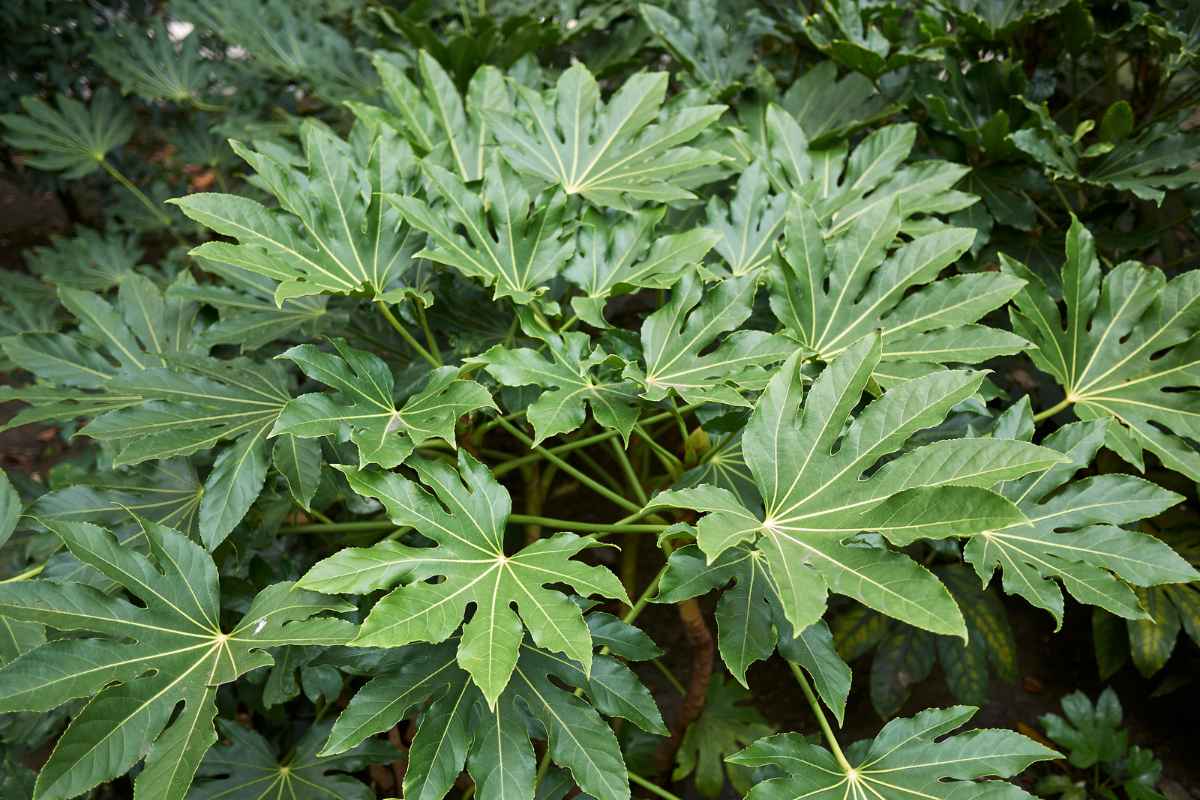
Native to Japan, Korea, and Taiwan, Fatsia japonica is part of the Araliaceae family, which includes ivy and schefflera. It typically grows as a broadleaf evergreen shrub, reaching heights of 6 to 10 feet (1.8 to 3 meters) with an equally wide spread.
Its standout features include:
Large, hand-shaped leaves with deep lobes
Glossy, leathery foliage that stays green year-round
White, spherical flowers in autumn
Black berries that follow the blooms and attract birds
Fatsia’s architectural foliage makes it perfect for contemporary gardens, woodland plantings, or even container displays on shaded patios.
Ideal Growing Conditions
Fatsia japonica is adaptable, but it does best when given the right environment.
Light
Fatsia is a true shade-lover. It grows well in:
Full shade
Dappled or filtered sunlight
Morning sun with afternoon shade
Avoid intense direct sunlight, especially in hot climates, as it can scorch the leaves.
Soil
This plant prefers:
Moist, well-drained soil
Slightly acidic to neutral pH
Organic matter or compost-rich beds
Heavy clay or overly dry soils should be improved with compost and mulch.
Watering
Fatsia likes consistent moisture, especially when young. Once established, it becomes more drought-tolerant, but dry spells may cause leaf drooping.
Water when the top inch of soil feels dry
Avoid letting the soil dry out completely or stay soggy
Temperature and Hardiness
Fatsia japonica is hardy in USDA zones 8–10. It can tolerate light frost, but prolonged freezing may damage the leaves.
In cooler climates, it can be grown in containers and moved indoors during winter.
Planting Tips
In the Ground:
Choose a shaded, sheltered spot protected from strong wind.
Dig a hole twice as wide and as deep as the root ball.
Mix in organic compost for better drainage and nutrition.
Water well after planting and mulch around the base to retain moisture.
In Containers:
Use a large pot with drainage holes
Fill with quality potting mix, ideally blended for outdoor shrubs
Keep the container in a shady spot—great for patios, balconies, or entrances
Container-grown fatsia may need more frequent watering than in-ground plants.
Ongoing Care
Pruning
Fatsia is generally low-pruning, but you can:
Trim back leggy growth in spring
Remove damaged or yellowing leaves as needed
Shape lightly to control size and maintain a bushy form
Don't be afraid to cut it back if it gets too big—it responds well to pruning.
Feeding
Feed in spring and midsummer with:
Balanced slow-release fertilizer
Or liquid feed during the growing season
Avoid overfeeding—Fatsia grows steadily without heavy fertilizing.
Mulching
Apply a 2–3 inch layer of mulch around the base:
Retains soil moisture
Suppresses weeds
Insulates roots in winter
Keep mulch away from the stem to prevent rot.
Common Problems and Fixes
Fatsia japonica is relatively pest-free, but here are a few issues to watch for:
Yellowing Leaves
Often due to overwatering or poor drainage
Check soil moisture and adjust watering
Leaf Burn
Caused by too much direct sun
Move to a shadier location or use shade cloth
Aphids or Scale
Wipe leaves with insecticidal soap
Rinse with water or treat with neem oil
Indoor Growing
Fatsia also makes a striking houseplant, especially in bright but indirect light.
Tips for Growing Indoors:
Place near an east- or north-facing window
Water when the top 1–2 inches of soil are dry
Mist occasionally or use a humidity tray
Rotate regularly for even growth
Avoid heating vents and cold drafts, which can stress the plant.
Landscaping with Fatsia Japonica
Fatsia brings a tropical flair to shady garden corners. Here’s how to use it effectively:
Underplant with ferns, hostas, or heucheras
Combine with bamboo or palms for a jungle vibe
Use as a foundation plant in modern designs
Add to woodland borders or under tree canopies
Plant in large patio containers for year-round interest
It also looks great paired with ornamental grasses, hydrangeas, or shade-loving perennials.
Varieties to Explore
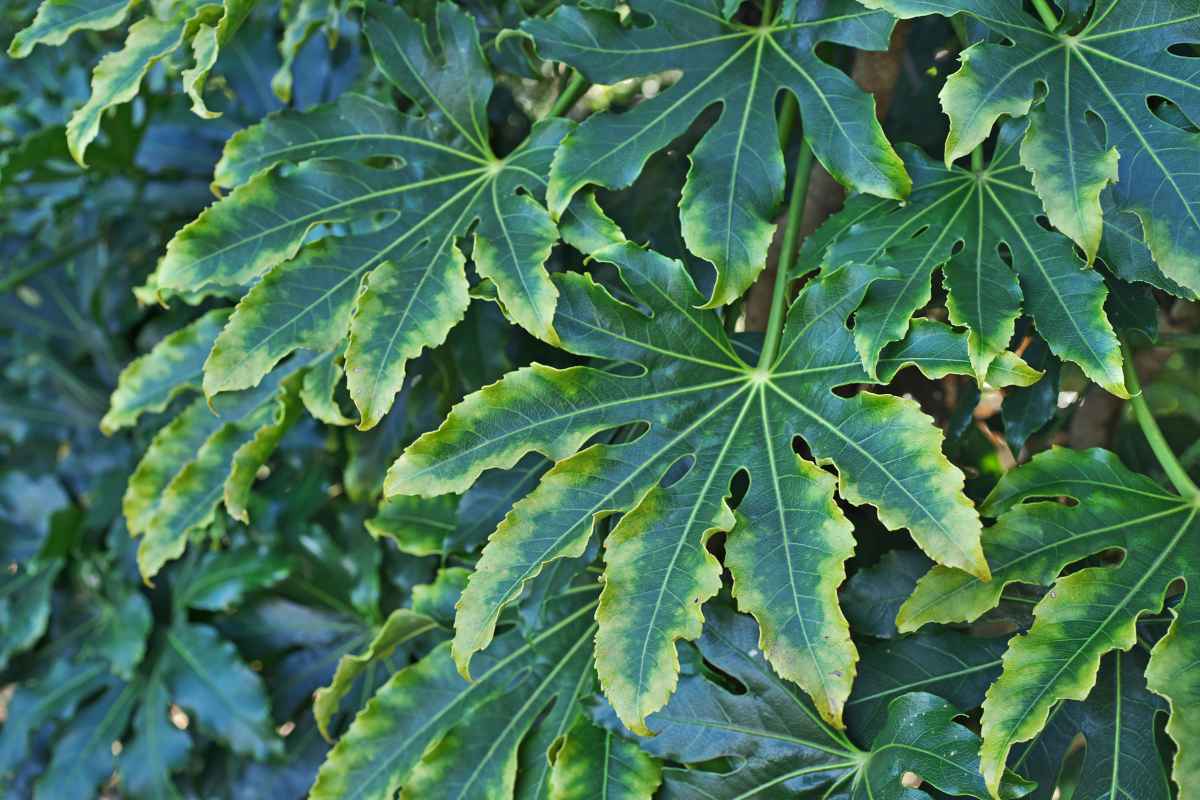
While the classic green Fatsia is beautiful on its own, there are some eye-catching cultivars:
‘Spider’s Web’
Mottled white and green leaves
Compact and slightly slower-growing
Adds a dramatic, variegated effect
‘Variegata’
Cream-edged leaves
Best grown in partial shade (too much sun may bleach the edges)
Both are ideal for adding contrast to darker garden areas.
If you’re looking for a plant that thrives in shade, Fatsia japonica delivers in style. It’s bold, evergreen, easy to care for, and incredibly adaptable. With just a little attention to soil and watering, it rewards you with year-round greenery and a touch of tropical flair—even in the shadiest parts of your garden.
It’s proof that shade doesn’t have to mean dull. With Fatsia in your garden, texture, form, and drama are always in play.
Did you find this post useful or inspiring? Save THIS PIN to your GARDEN Board on Pinterest!
More Gardening Tips 👇🏼👇🏼