
Growing Philodendron Erubescens Indoor

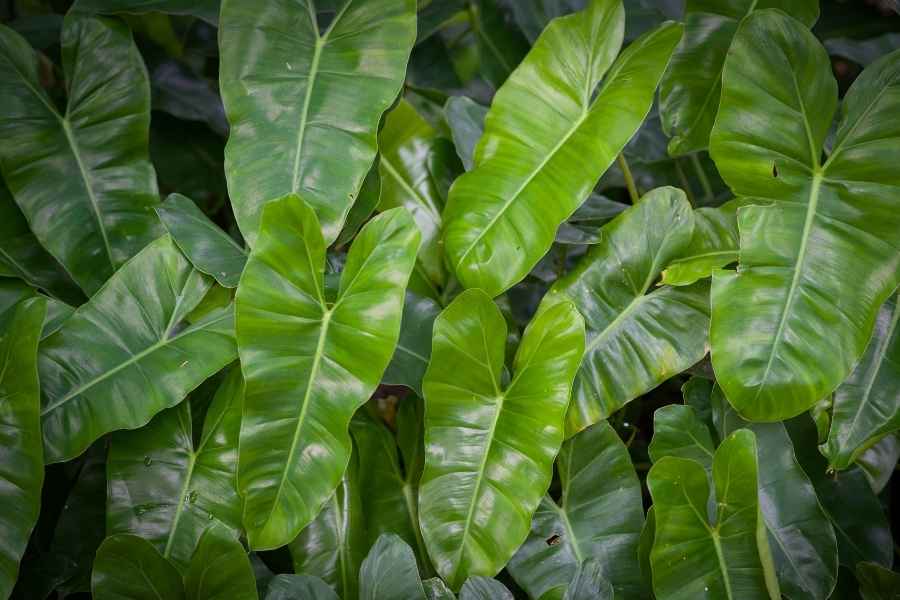
philodendron erubescens is a vigorous climber with velvety, flushed foliage that adds instant drama to any room.
If you’re searching for a statement philodendron erubescens plant that’s forgiving and fast, this guide delivers practical, no-nonsense tips on lighting, watering, soil, support, and everyday maintenance.
You’ll learn how to grow philodendron erubescens with confidence—whether you want a compact shelf accent or a lush, totem-trained centerpiece.
Meet The Plant

Often called the blushing philodendron, philodendron erubescens is prized for its deep green leaves that can flush bronze or burgundy, plus long petioles that glide up a support.
It’s a tropical aroid, which means it thrives in bright, filtered light and appreciates consistent warmth and humidity indoors.
This species climbs by producing aerial roots along the nodes. Given a moss pole or coco totem, it quickly transforms from a modest juvenile into a fuller specimen with broader leaves and richer color.
That adaptability makes it a strong candidate for apartments and home offices alike.
Light, Temperature & Humidity
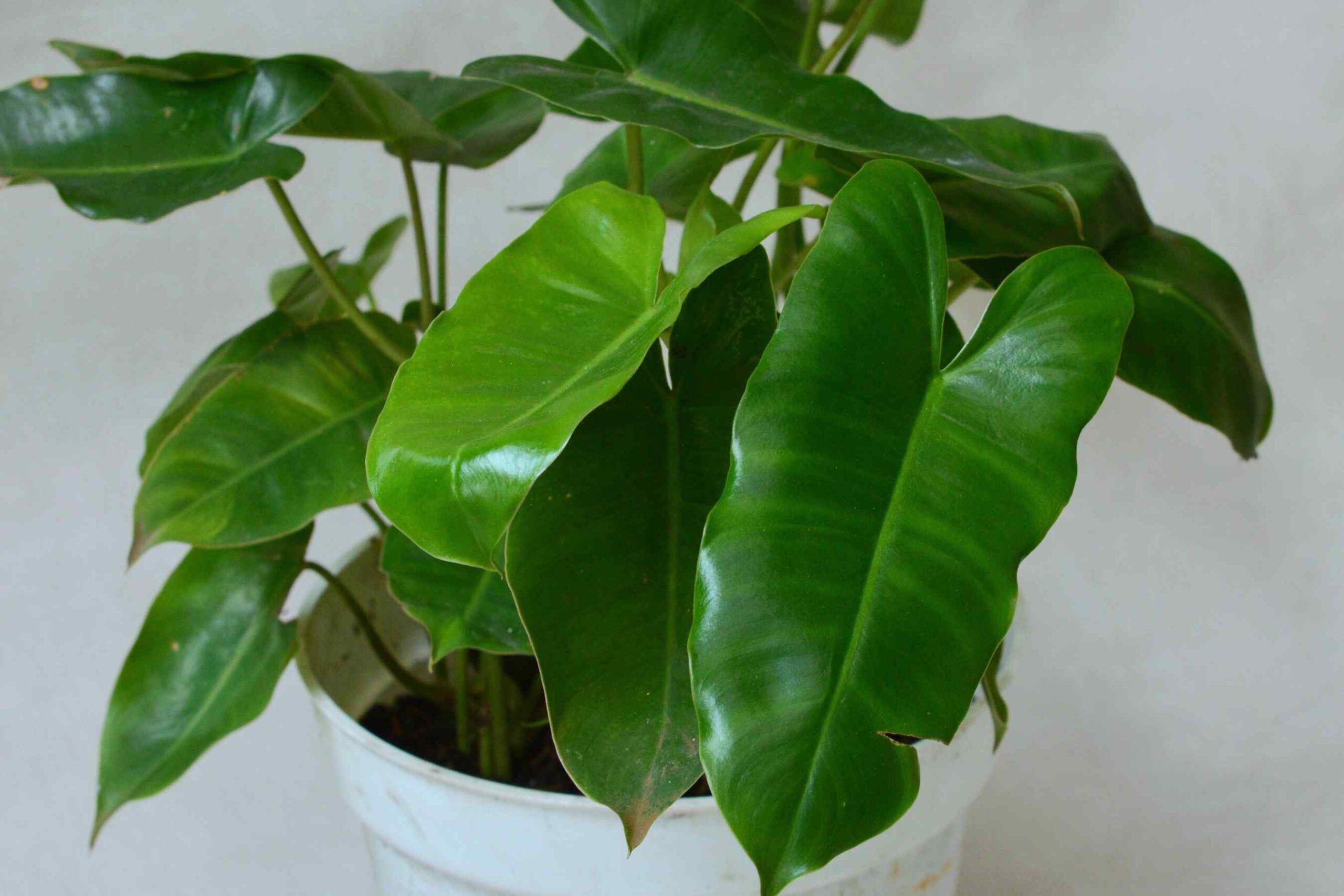
Light: Aim for bright, indirect light—think an east window or a few feet back from a sunny south exposure. Several hours of soft morning sun can intensify the burgundy tones, but avoid harsh afternoon rays that scorch leaves.
Temperature: Keep the plant in a stable 65–80°F (18–27°C) range. Drafts and cold snaps stress growth, so pull pots away from winter windows and AC vents.
Humidity: While adaptable to average homes, the plant looks its best with 50–60% humidity. Group plants, add a pebble tray, or run a small humidifier near your philodendron erubescens plant for crisper edges and steady new leaves.
Soil, Watering & Feeding
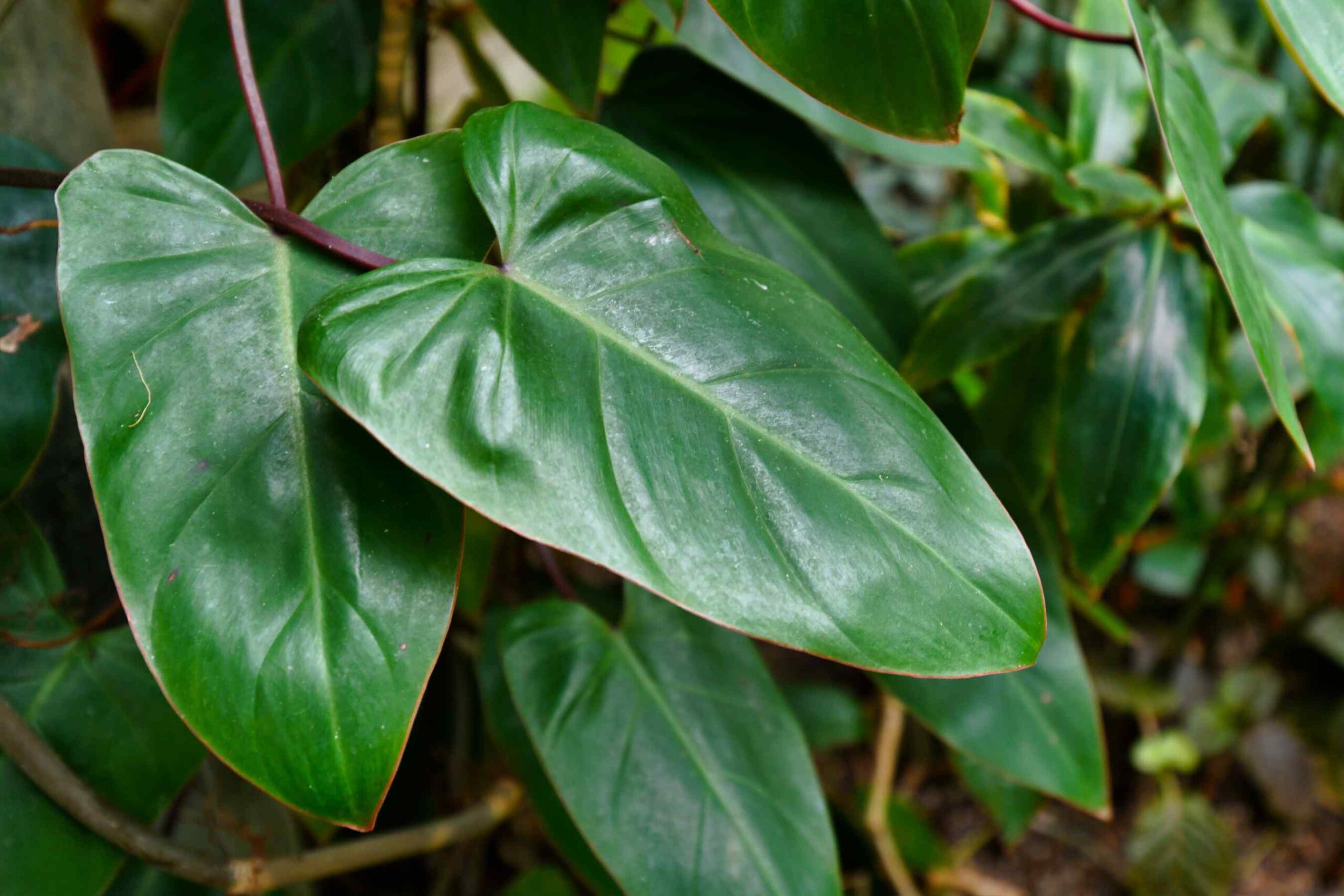
Soil: Use an airy, well-draining mix—quality potting soil blended with chunky orchid bark, perlite, and a bit of coco coir. The goal is to retain moisture while delivering plenty of oxygen to the roots.
Water: Water thoroughly when the top inch (2–3 cm) is dry. Let extra water drain; never let the pot sit in a saucer. If leaves curl or droop, you may be slightly late—water and they typically perk up within hours. Yellowing across older leaves often signals overwatering.
Fertilizer: During active growth (spring through early fall), feed every 4–6 weeks with a balanced, diluted liquid fertilizer. In lower light or winter, reduce frequency to avoid soft, leggy growth.
Support, Pruning & Repotting
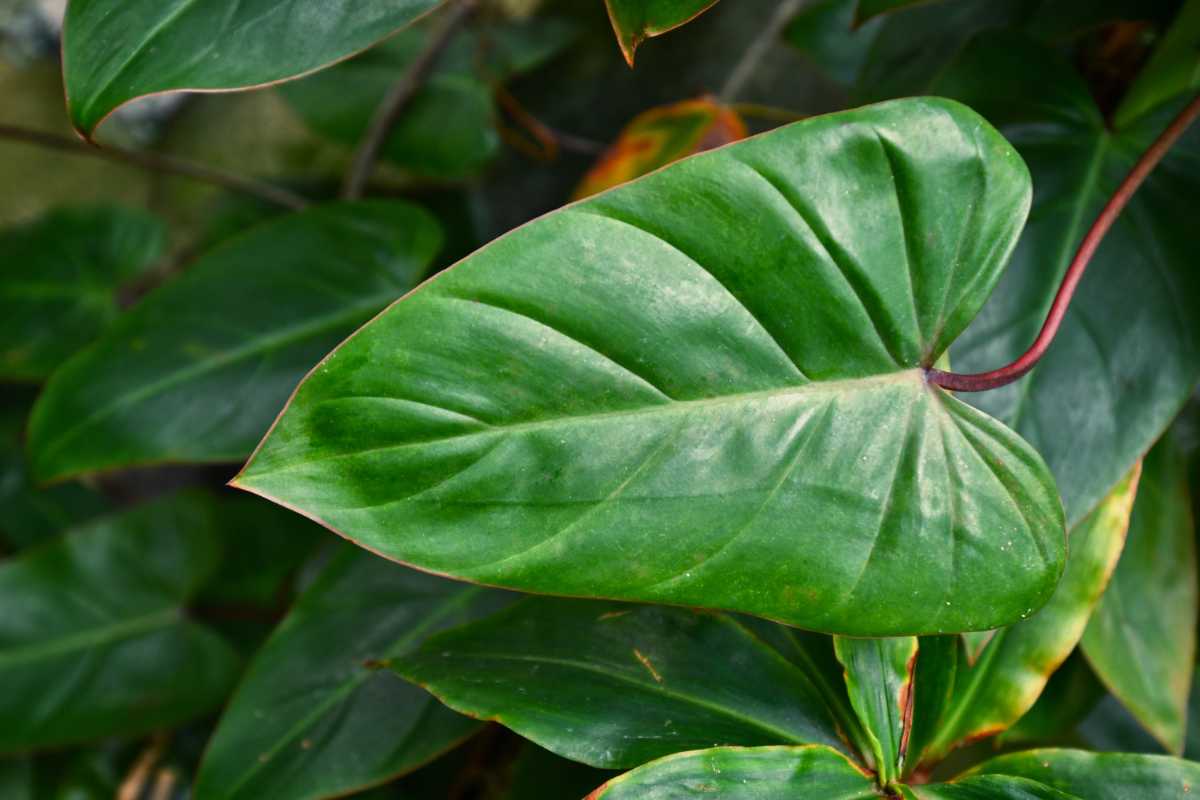
Support: A moss pole or coco totem encourages upright, denser growth. Tie stems loosely with soft plant ties as they climb. More nodes against the pole = larger, more dramatic leaves.
Pruning: For tidy, compact form, tip-prune above a node. This encourages branching and a fuller silhouette. Remove yellow or damaged foliage to channel energy into healthy growth.
Repotting: Refresh into a slightly larger pot every 1–2 years, or when roots circle the base. Choose a container with drainage and keep the same airy mix that supports excellent philodendron erubescens care.
How To Grow Philodendron Erubescens (Step-By-Step)
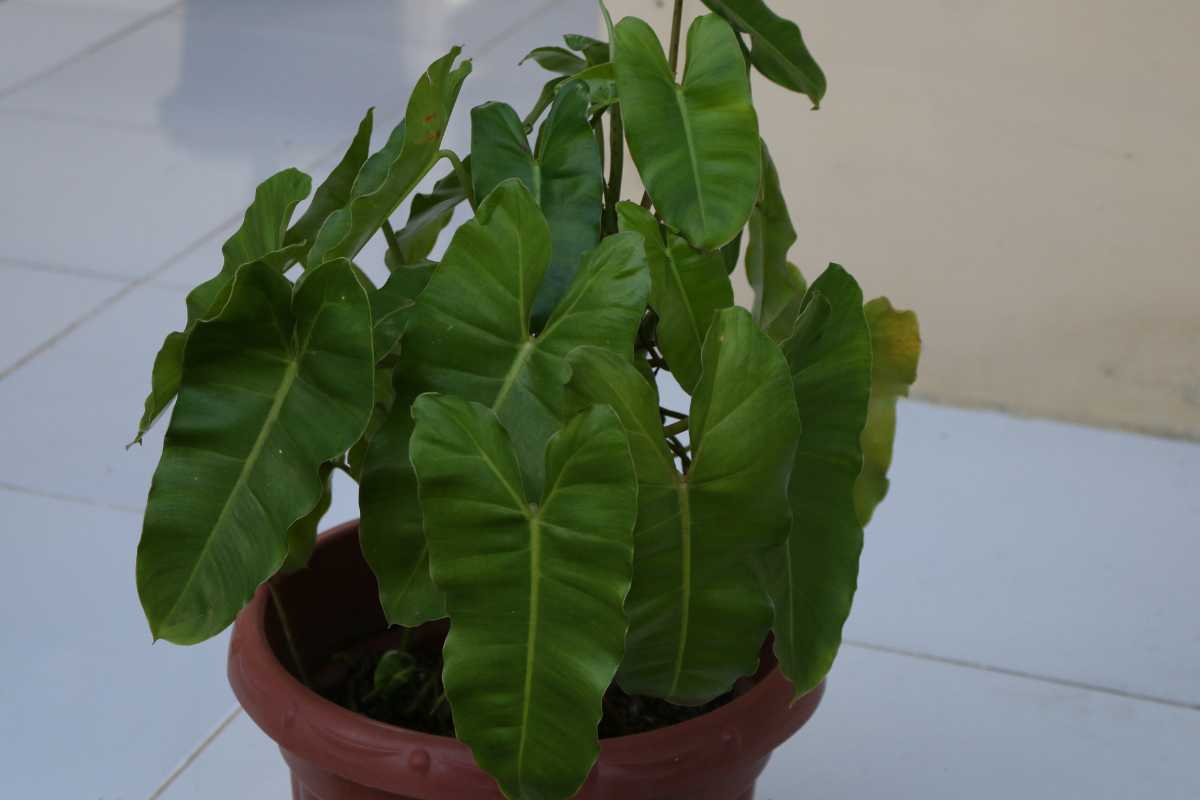
1) Choose the right spot: Bright, indirect light and steady warmth. If your windows are dim, supplement with a full-spectrum grow light positioned above the canopy.
2) Pot with purpose: Use an 6–8 inch (15–20 cm) pot with drainage and the airy aroid mix described above. Insert a moss pole at planting to avoid root disturbance later.
3) Water smartly: Deeply water, then wait for the top layer to dry. In winter, expect slower uptake—adjust accordingly.
4) Feed lightly: Dilute fertilizer to half strength during the growing season. Too much food in low light equals stretchy, pale growth.
Philodendron Erubescens Propagation
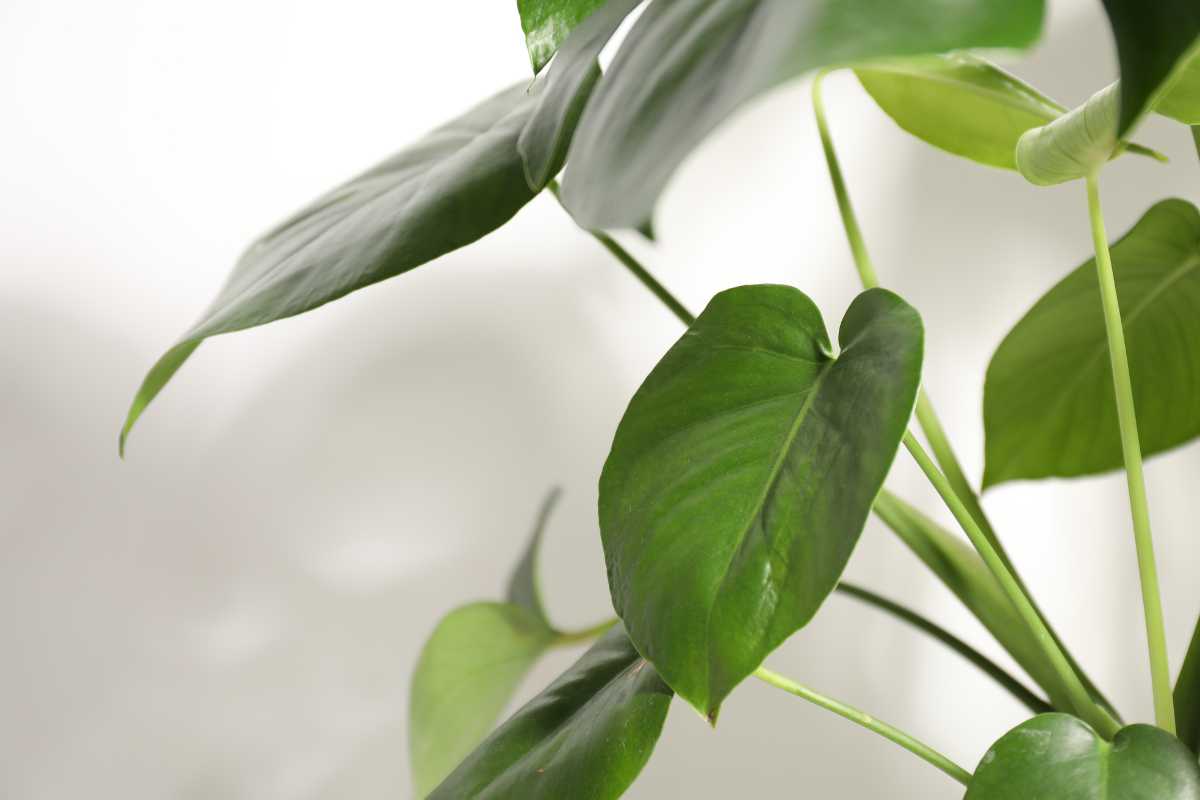
Propagation is straightforward and highly rewarding. Take 1–2 node stem cuttings with at least one healthy leaf. Remove the lowest leaf to expose the node; that’s where roots will form.
Root in water, sphagnum moss, or perlite. Keep cuttings warm (70–80°F / 21–27°C) and bright but out of direct sun. Change water weekly or lightly mist moss/perlite to maintain moisture without getting soggy.
Once roots reach 2–3 inches (5–7 cm), pot the cutting in your aroid mix and provide a small stake. Gradually transition to normal care. This simple routine makes philodendron erubescens propagation a great entry point for new collectors.
Troubleshooting & Quick Fixes
Brown tips or edges: Usually low humidity or underwatering. Boost humidity and water more consistently. Check that your pot isn’t too small, which can speed drying.
Yellow leaves: Most often overwatering or compacted soil. Loosen the mix, increase light, and allow a longer dry-down period between waterings.
Leggy growth: Not enough light. Move closer to a window or add a grow light 8–12 inches above the plant. Prune to a healthy node to rebuild a fuller form.
Pests (mites, mealybugs, thrips): Isolate, rinse leaves, then treat with insecticidal soap or neem on a 7–10 day cycle until clear. Improve airflow and avoid dusty leaves to prevent reinfestations.
Styling Your Space

Let vines climb a moss pole beside a reading chair for a cozy, modern jungle vibe. On shelves, train stems gently along a thin trellis to keep leaves facing the light and camera-ready.
Pair the plant with lighter-leaf companions—like variegated pothos or satin scindapsus—for contrast that highlights the deep tones of philodendron erubescens. Matte ceramic planters, brass accents, and warm woods amplify its sophisticated look.
Seasonal Rhythm & Growth Timeline
Expect bursts of growth in spring and summer when light increases. That’s the perfect time to upsize pots, top-dress with fresh mix, and attach new ties as vines climb.
Growth slows in late fall and winter. Reduce watering, skip fertilizer, and keep the plant warm and bright. This gentle pause sets the stage for a strong spring comeback and makes long-term philodendron erubescens care easier.
Enjoy This Video Tutorial About Philodendron Erubescens Houseplant Care
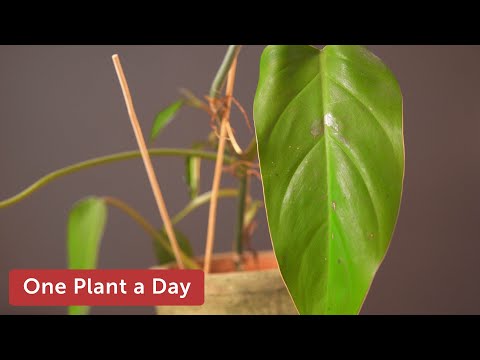
Source: Summer Rayne Oakes
More Gardening Tips 👇🏼👇🏼