
How To Get Started Growing Mushrooms At Home


Growing mushrooms at home can seem intimidating, but with the right approach, it’s a fun and rewarding hobby.
Whether you’re looking for fresh mushrooms for cooking or simply want to experiment with indoor gardening, this guide walks you through everything from choosing your mushrooms to harvesting, including practical tips and common mistakes to avoid.
Choosing the Right Mushroom and Setup
Select the Mushroom Variety
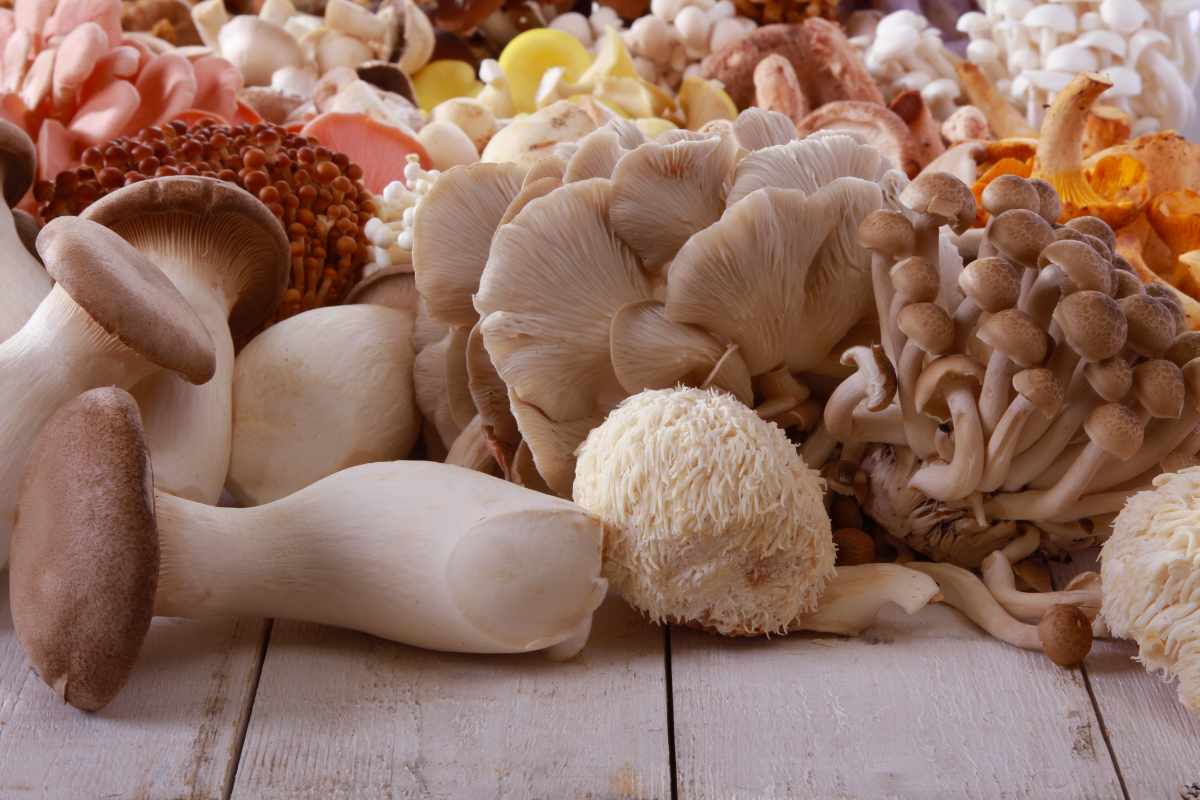
Start with beginner-friendly mushrooms such as oyster mushrooms (Pleurotus ostreatus).
They grow quickly and thrive on simple substrates, making them perfect for first-time growers.
Decide whether you’ll grow indoors (ideal for apartments or controlled spaces) or outdoors (in a shaded garden area or shed).
Prepare Your Equipment and Substrate
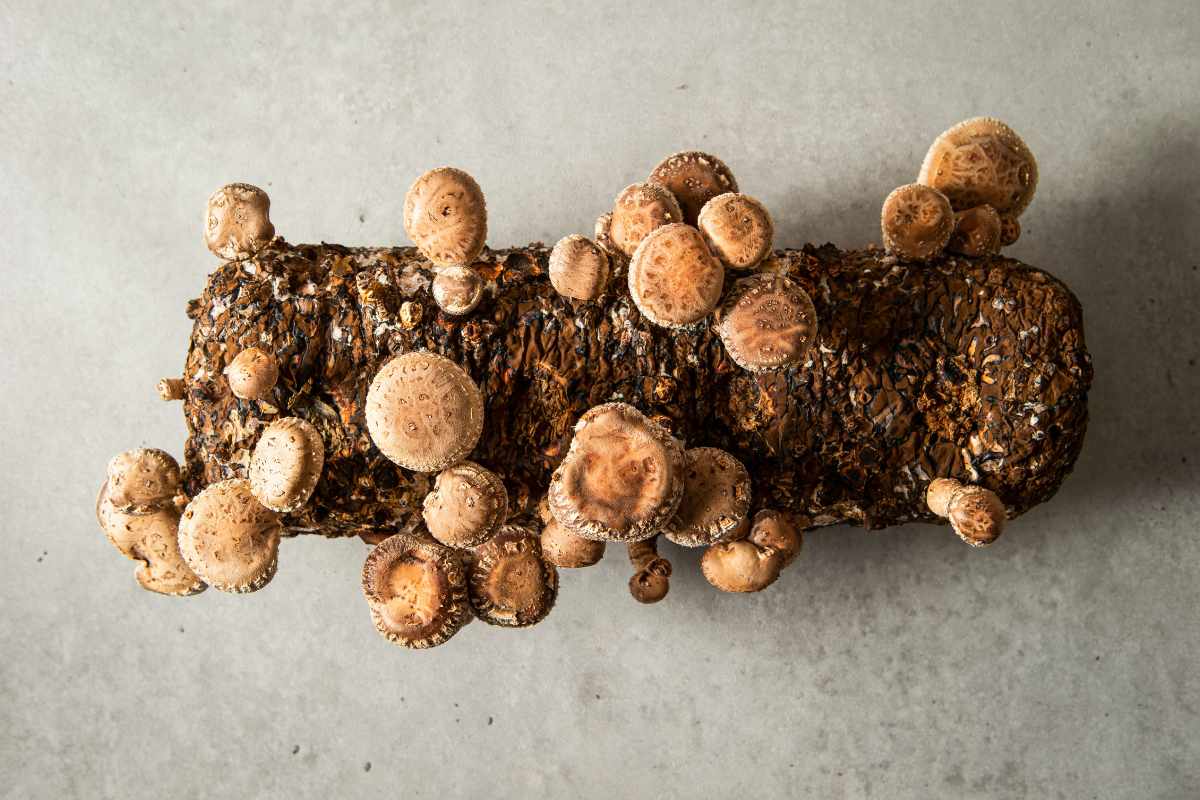
A mushroom growing kit is the easiest way to start, as it comes with pre-inoculated substrate and clear instructions.
If you prefer to do it from scratch, you’ll need:
A container with drainage or a breathable bag
A suitable substrate (straw, wood chips, sawdust, or compost)
Mushroom spawn (the “seed” of your mushrooms)
Make sure your substrate is properly sterilized or pasteurized to prevent contamination.
Step-by-Step: From Inoculation to Harvest
1. Prepare the Substrate
Moisten the substrate thoroughly, but avoid overwatering.
Pasteurize or sterilize to reduce the risk of unwanted mold or bacteria.
2. Inoculate with Spawn
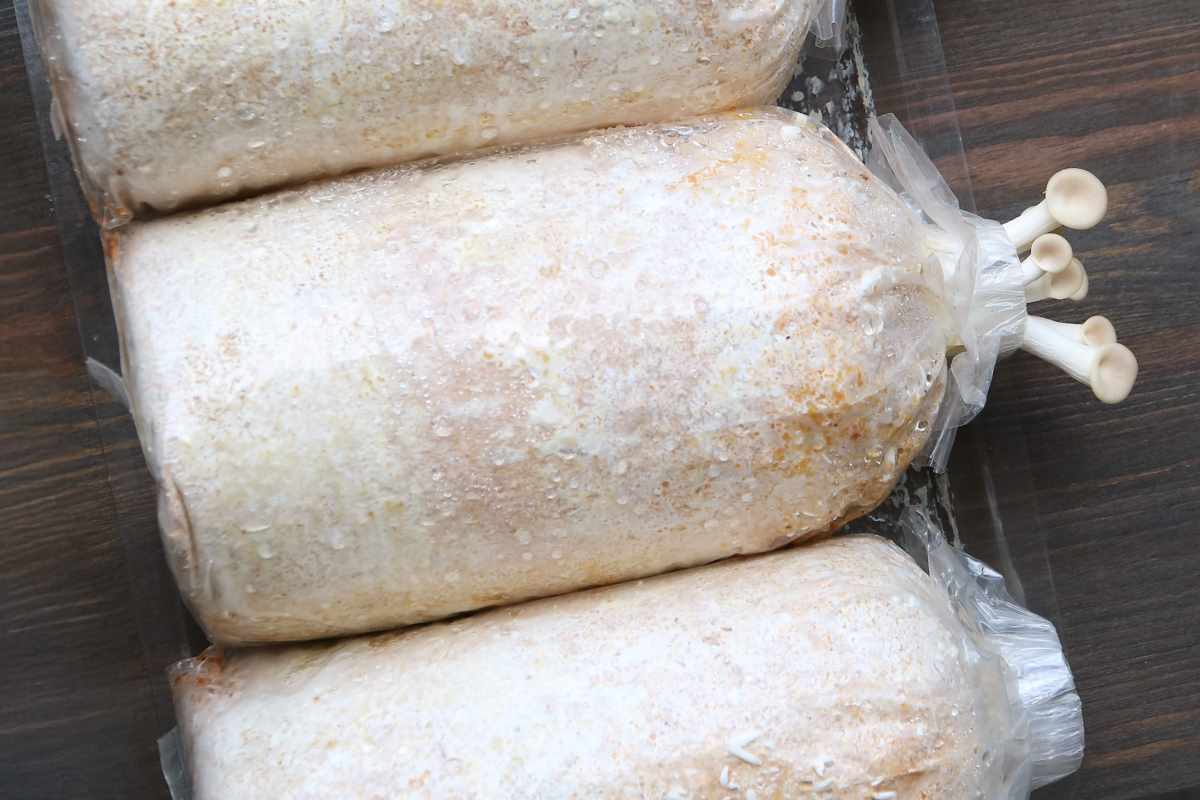
Mix the spawn evenly into the prepared substrate.
Work in a clean environment to minimize contamination, and make sure your tools and hands are sanitized.
3. Incubate / Colonize
Place your container in a warm, stable environment (around 68–77°F / 20–25°C).
Allow the mycelium to fully colonize the substrate before moving on to fruiting.
4. Fruiting
Once colonization is complete, adjust temperature, humidity, and light to encourage mushroom growth.
Most mushrooms require high humidity, indirect light, and fresh air circulation to develop healthy fruiting bodies.
5. Harvest
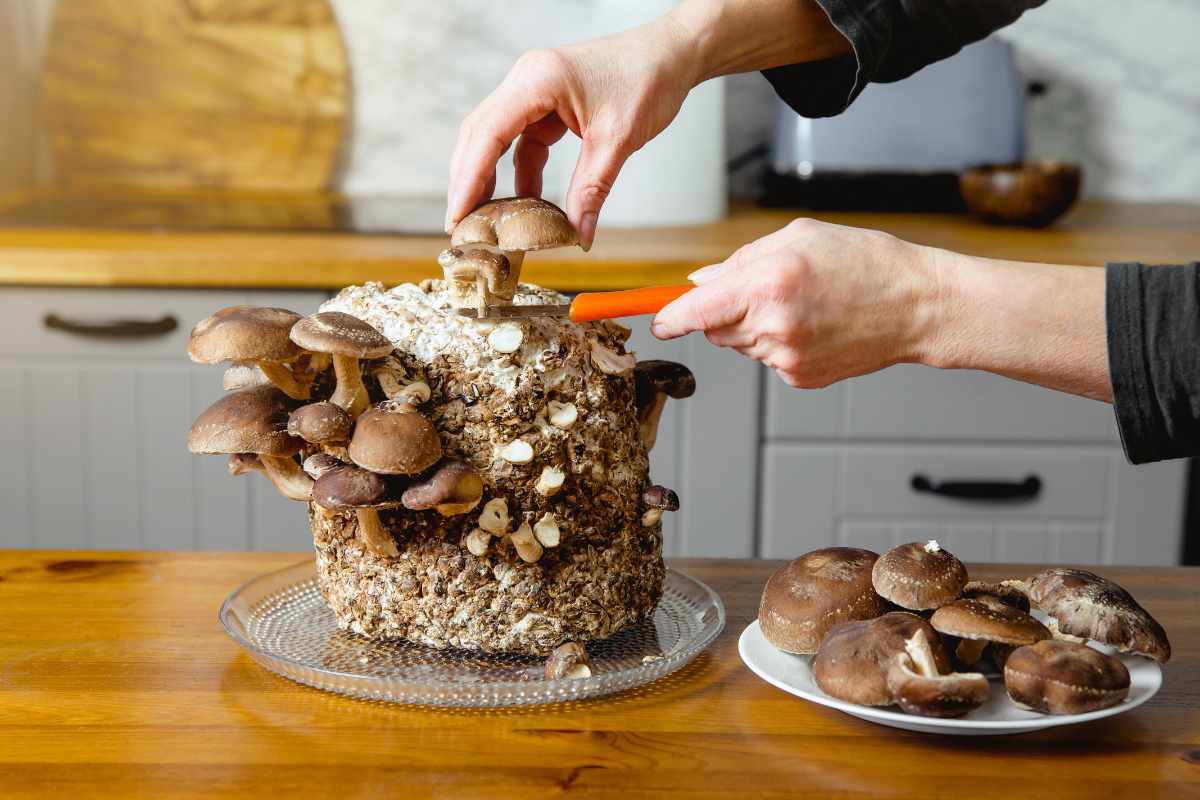
When the mushroom caps are fully formed, harvest by gently twisting or cutting them at the base.
Many setups allow a second or third flush from the same substrate.
Common Problems & Solutions
Contamination: Green, black, or unusual mold usually indicates improper substrate preparation or poor airflow.
Slow growth or no mushrooms: Check temperature, humidity, light levels, and spawn quality.
Excess moisture: Overwatering can cause rot or bacterial growth.
Limited space: Mushrooms need room to develop; ensure adequate vertical and horizontal space.
Tips for Beginners
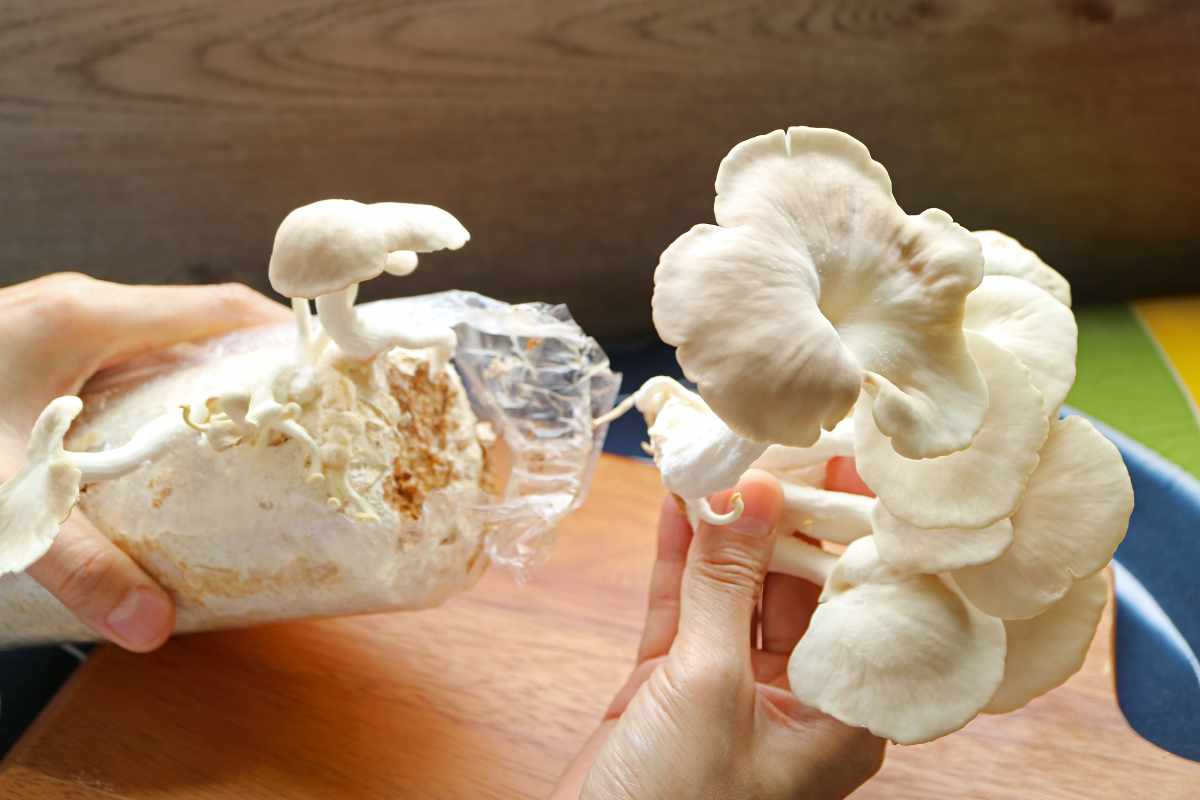
Start with a kit if this is your first attempt.
Keep a log of temperature, humidity, and watering to learn what works best.
Use chlorine-free water for misting or substrate hydration.
Maintain proper airflow; consider a small humidifier if your indoor air is dry.
Document your first grow with photos—it helps track progress and learn for future grows.
Why Grow Mushrooms at Home?
Growing mushrooms at home offers fresh, flavorful mushrooms, a hands-on learning experience, and the satisfaction of cultivating your own food.
It’s a simple, beginner-friendly hobby that can fit into small spaces, indoors or outdoors, and even be a fun educational project for children.
Enjoy This Video Tutorial
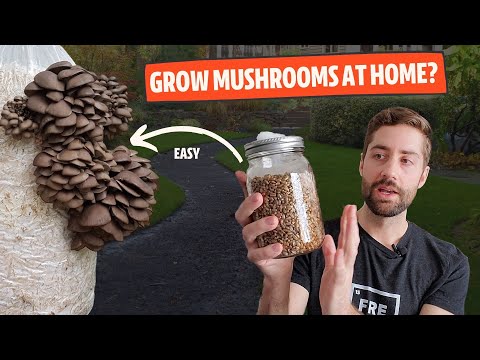
Source: FreshCap Mushrooms
Don’t forget to Subscribe to our Newsletter to receive amazing tips and tricks about Gardening and the FREE Ebook Green Living Strategies!
Did you find this post Useful or Inspiring? Save THIS PIN to your GARDENING Board on Pinterest! 😊

Once again, thank you for visiting our website!
We hope you've enjoyed exploring the content we've created for you.
Give yourself the chance to learn, get inspired, and have even more fun, keep browsing...
More Gardening Tips 👇🏼👇🏼