
How to Grow and Care for Tree Philodendron (Philodendron bipinnatifidum)


Hello, how are you today? Welcome to our blog About Gardening. We hope you are very well and looking forward to a new post or Gardening Tutorial.
Today we want to share with you a special post:
Tree Philodendron (Philodendro bipinnatifidum): Care Guide
The philodendron tree (Philodendron bipinnatifidum) is a large plant native to the tropical regions of South America, namely Brazil, Bolivia, Argentina, and Paraguay.
This tropical aroid also grows naturally on the eastern and Gulf coasts of the United States and is popular as a houseplant. Grown primarily for its large and unique foliage, the philodendron tree is easy to grow and adds a tropical feel to any space.
| Botanical Name | Philodendron bipinnatifidum, Thaumatophyllum bipinnatifidum |
| Common Name | Tree philodendron, lacy tree philodendron, Philodendron selloum, horsehead philodendron |
| Plant Type | Perennial |
| Mature Size | 15 ft. tall outdoors, 10 ft. spread outdoors; 6 ft. tall indoors, 8 ft. spread indoors. |
| Sun Exposure | Partial |
| Soil Type | Loamy, moist but well-draining |
| Soil pH | Neutral, alkaline |
| Bloom Time | Spring, summer |
| Flower Color | White, green |
| Hardiness Zones | 9a, 9b, 10a, 10b, 11a, 11b |
| Native Area | South America |
| Toxicity | Toxic to pets |
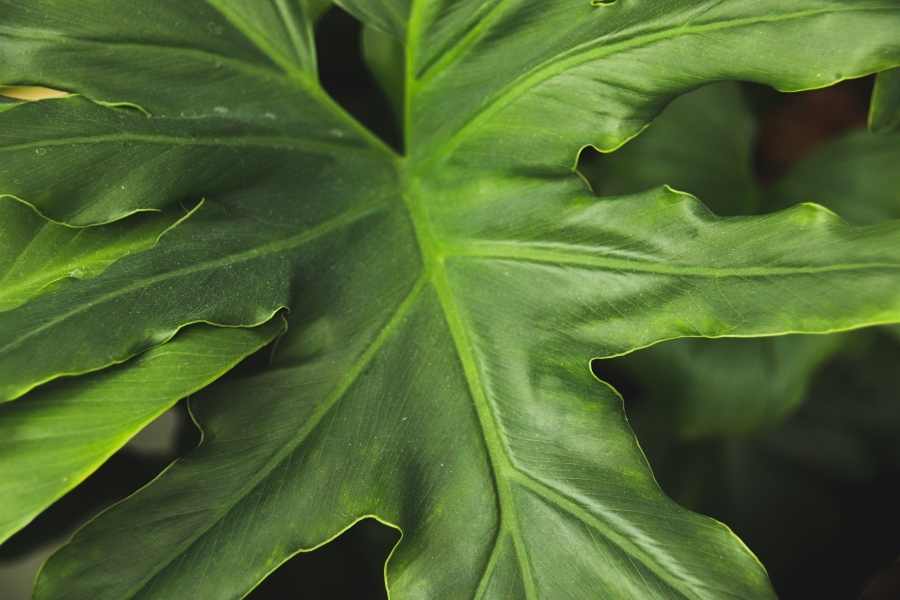
Tree Philodendron Care
If its common name is any indication, Philodendron bipinnatifidum can grow very large depending on the environment. In its native habitat, this tropical plant can reach 15 meters in height with leaves up to 5 meters long.
However, when grown indoors, it usually grows only 5 to 6 feet tall, with leaves 2-3 feet long.
Like many other types of philodendron, the tree philodendron is not fussy about its care and grows well indoors as a houseplant. As long as it receives sunlight and regular watering, it will be happy.
Tip
The large leaves of the tree's philodendron can easily collect dust when grown indoors, which can make photosynthesis difficult. Be sure to regularly clean the sheets with a damp cloth or paper towel to prevent dust from getting in.
Light
The tree philodendron performs best in places that receive medium to bright indirect light. South and west facing windows are ideal locations for a tree philodendron when grown indoors. As with most varieties of philodendron, the philodendron tree does not do well in low light conditions. Lack of light can cause stunting or growth of long legs. The leaves of a tree's philodendron reach the closest light source, so it is best to rotate the plant regularly to maintain uniform growth on all sides.
Soil
This member of the aroid family prefers moist but well-drained soil rich in organic matter. Use a mixture of one part perlite, one part orchid bark, and one part peat or coconut.
Water
Water your tree's philodendron as soon as the top two inches of soil are dry. The soil should always be moist, but never soggy. The tree's philodendron is relatively drought tolerant when needed, but grows best with constant watering.
However, avoid overwatering at all costs, as the tree's philodendron is susceptible to root rot.
Temperature and humidity
The philodendron tree enjoys warm and humid environments. When grown indoors, average home temperature and humidity levels are generally sufficient for this tropical plant, as long as it is not placed too close to a drafty heating vent or window.
If you notice your plant's leaves turning yellow or developing crisp edges, this may be an indication that your plant needs more moisture and may benefit from a humidifier or pebble tray. Outdoors, the tree's philodendron can grow in USDA zones 9a through 11b.
Fertilizer
Use a balanced fertilizer once a month during the growing season to encourage strong, healthy growth. Stop fertilizing in the fall and winter months when the plant is dormant to avoid burning fertilizers.
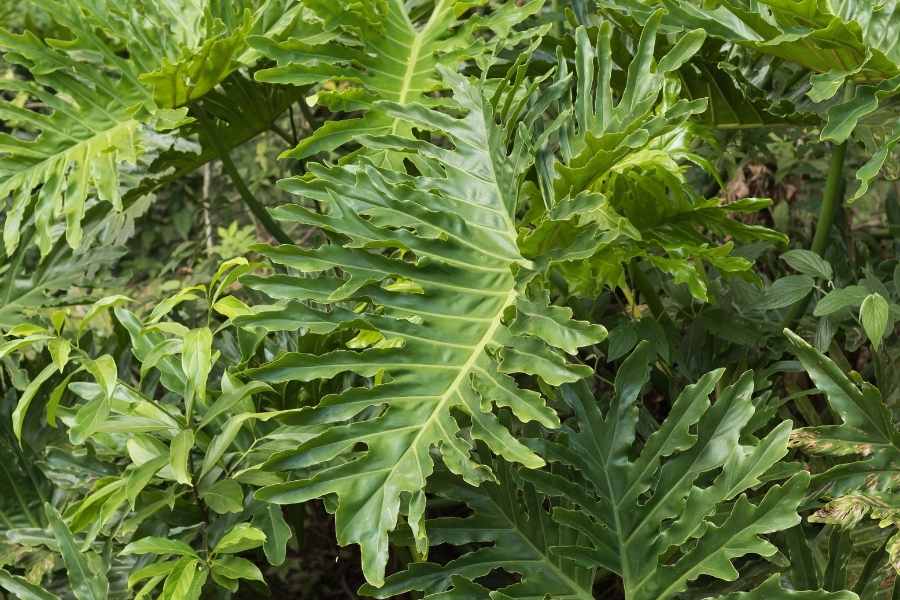
Is Tree Philodendron Toxic?
Like other plants in the Araceae family, the tree's philodendron contains insoluble calcium oxalate crystals that make it toxic to pets and children if ingested. If your pets or children are known to get into your plants, it may be best to avoid the tree's philodendron altogether. If you suspect tree philodendron poisoning, call your doctor or veterinarian immediately to seek treatment.
Symptoms of Poisoning
- Burning and irritation of the mouth, tongue, and throat
- Excessive drooling
- Difficulty swallowing
- Vomiting
Propagating Tree Philodendron
The tree's philodendron can be propagated through stem cuttings. As these plants grow so large, it may be necessary to trim the stems at some point to contain the size of the plant. Instead of throwing out these seedlings, you can propagate them to create new plants.
To make a cut, make a clean cut under the stem knot. Each stake should have 2-3 leaves and a few stem knots that will be submerged in water. Place the fresh stake in water and place it in a location that receives bright, indirect light.
Change the water every week to keep it fresh. After a few weeks, you should start to see little roots form. Once the roots are 1 to 2 inches long, the cutting can be moved from the water to the potting medium.
Common Pests and Diseases
These tropical plants are susceptible to some common pests such as spider mites, mosquito fungi, aphids, and scale insects. Regular inspection of the leaves for signs of pests is the best way to detect infestations early and eradicate them quickly.
Tree philodendrons are also susceptible to root rot, which occurs as a result of improper watering or compacted soil. Soft stems and dying brown leaves are signs of root rot, which can quickly kill a plant.
If you catch root rot early enough, you can save the plant by cutting off the rotten parts and propagating the remaining stem to create new roots.
Enjoy This Video Tutorial About How to Care for Your Tree Philodendron
Source: Apartment Therapy
Did you find this post Useful or Inspiring? Save THIS PIN to your GARDENING Board on Pinterest! 😊

Once again, thank you for visiting our website!
We hope you've enjoyed exploring the content we've created for you.
Give yourself the chance to learn, get inspired, and have even more fun, keep browsing...
More Gardening Tips 👇🏼👇🏼