
How to Start a Bonsai for Beginners

Bonsai is more than just growing a small tree in a pot — it’s the art of shaping, nurturing, and connecting with nature on a miniature scale.
For beginners, the process may feel intimidating, but starting a bonsai is much easier than it seems once you understand the basics.
This guide will walk you through everything you need, from choosing the right plant to caring for your bonsai year-round.
Master the Art of Bonsai – Explore Essential Books on Growing and Shaping Bonsai!


Understanding Bonsai Basics
A bonsai tree is not a special species of plant. It’s an ordinary tree or shrub grown in a container and shaped through careful pruning, wiring, and maintenance.
The goal is to create a miniature version of a full-sized tree, highlighting beauty, proportion, and balance.
For beginners, it’s important to start with hardy species that forgive mistakes, and to focus on learning the rhythm of pruning, watering, and seasonal care.
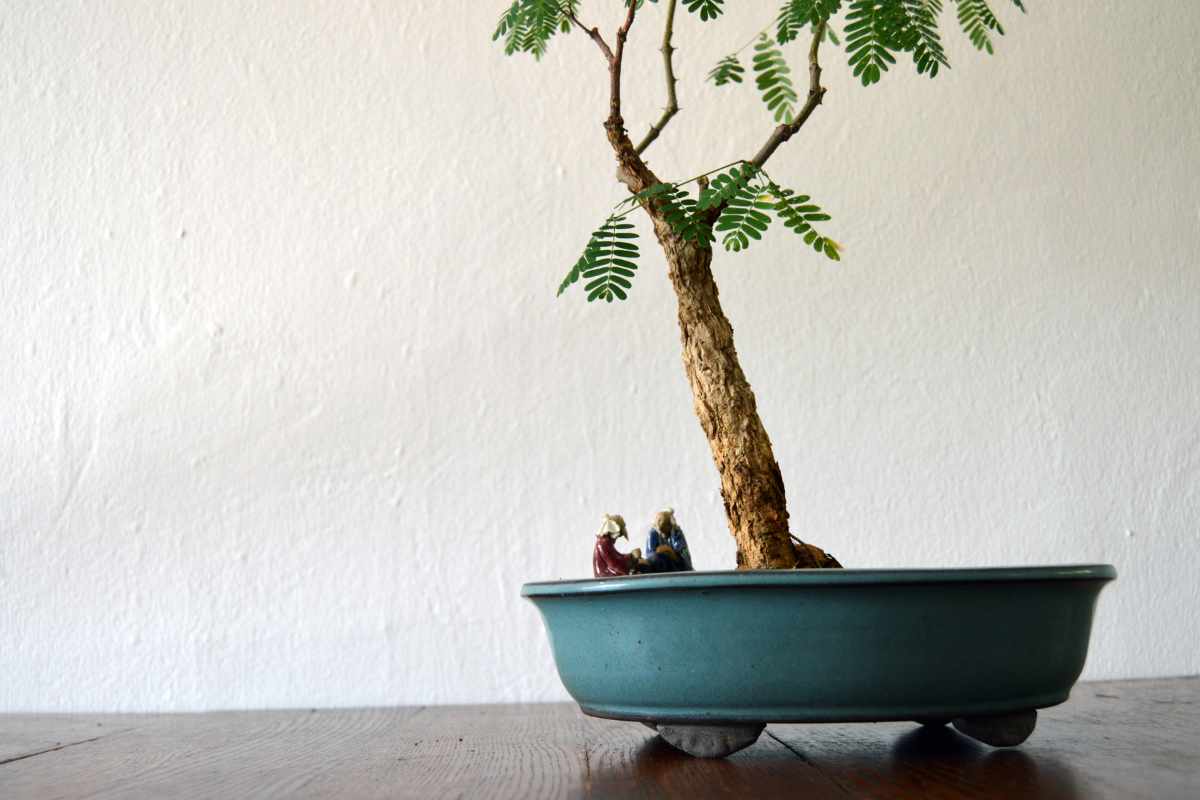
Choosing the Right Plant
Not every plant thrives as a bonsai. Some species are more tolerant of pruning, root trimming, and container growth. Here are great options for newcomers:
Ficus – Hardy, adaptable, and ideal for indoor growing.
Chinese Elm – Fast-growing and easy to shape.
Juniper – A classic bonsai, best grown outdoors.
Jade Plant – A succulent variety that requires less water.
When selecting a plant, check for:
A thick trunk for visual impact.
Healthy, flexible branches.
Signs of strong root growth.
Tools and Materials You’ll Need
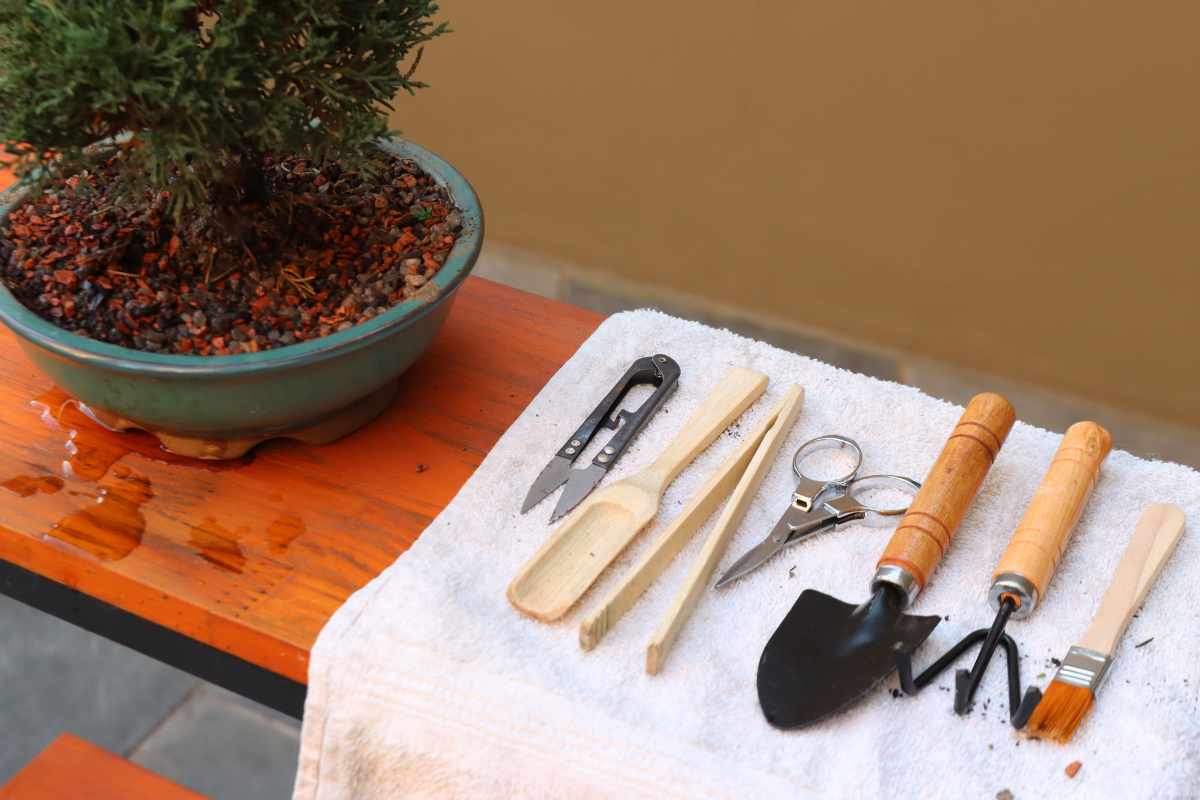
Starting bonsai doesn’t require expensive gear, but having the right tools makes shaping easier. Beginners should gather:
Pruning shears for cutting branches.
Concave cutters for removing larger branches cleanly.
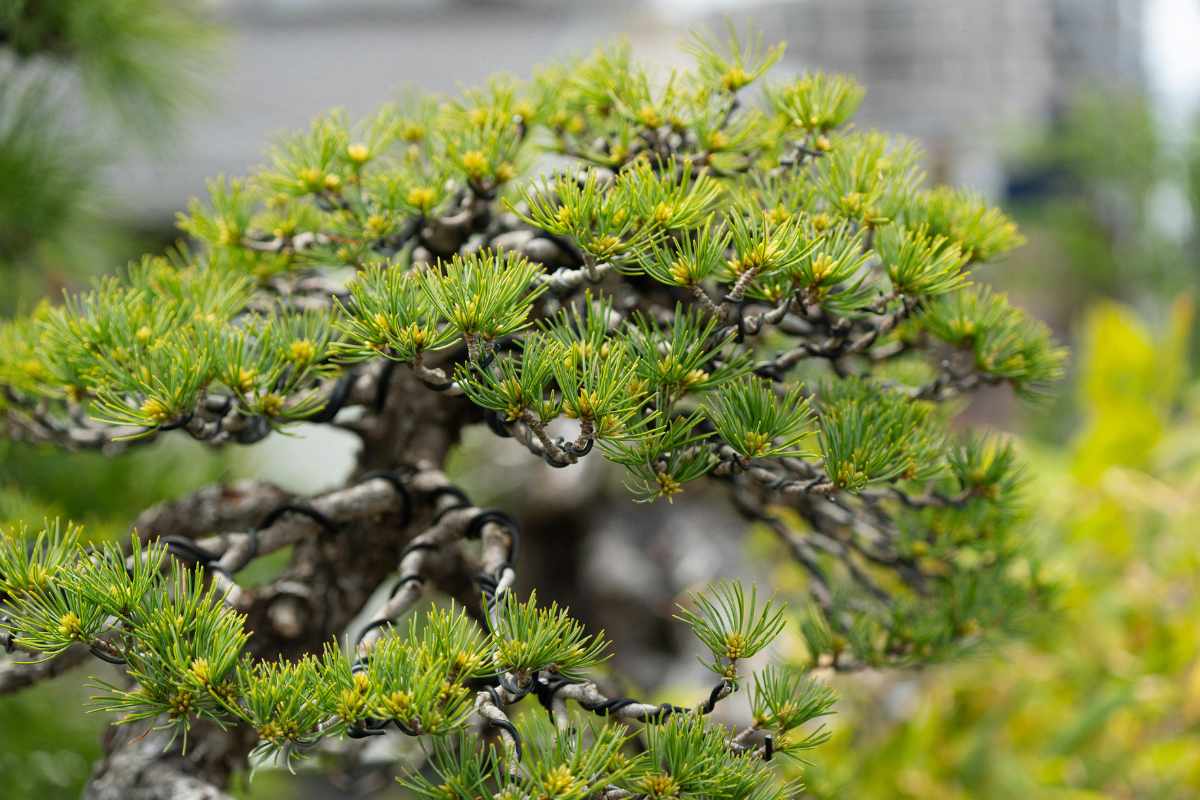
Bonsai wire (aluminum or copper) for shaping branches.
Bonsai pot with good drainage.
Soil mix (well-draining with akadama, pumice, or grit).
Chopsticks or root hooks for untangling roots.
Invest in quality tools gradually — you can start with the basics and add more as your skills develop.
Step-by-Step: Starting Your Bonsai
1. Selecting Nursery Stock
Visit a garden center and choose a young tree or shrub. Nursery stock is affordable and already has a trunk with some shape.
Look for plants with a natural character, evident in the placement of the trunk or branches.
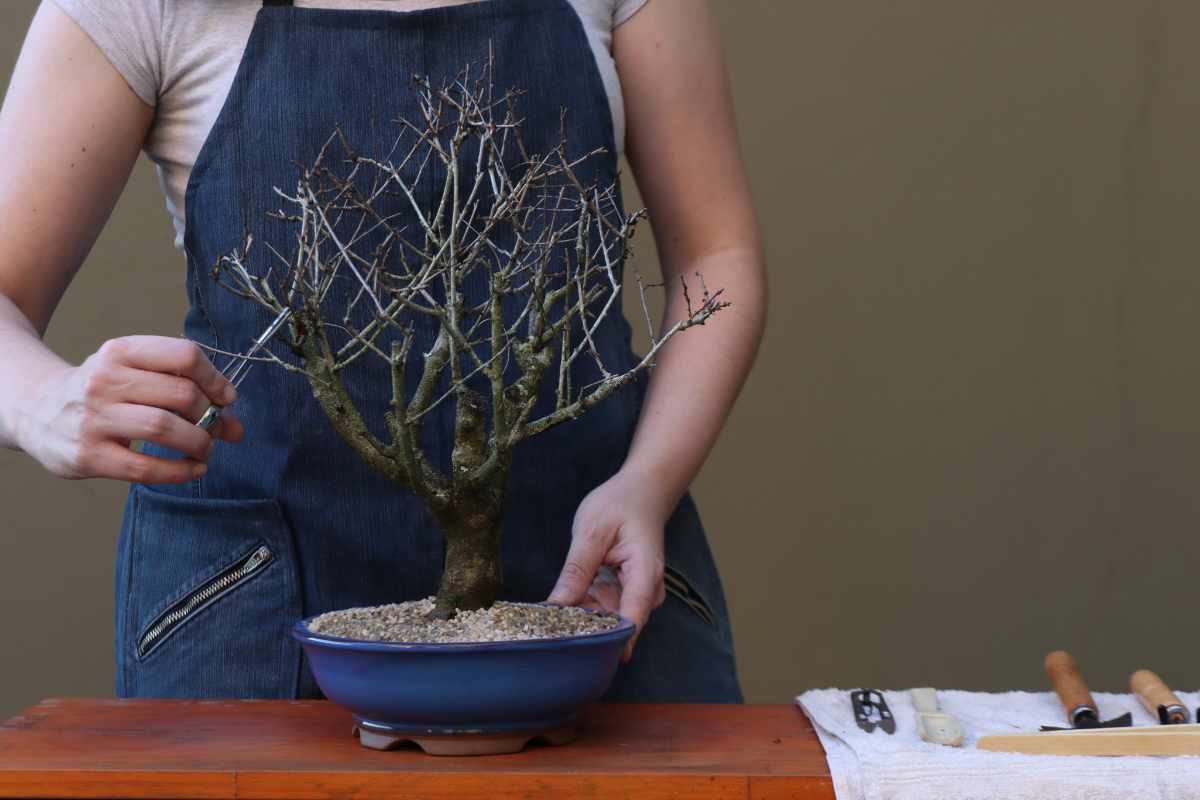
2. Pruning for Shape
Remove unnecessary branches, especially those crossing or growing inward.
Beginners should prune lightly — the goal is to reveal structure, not strip the plant. Always step back and check the balance before cutting further.
3. Wiring and Training
Use bonsai wire to bend branches into the desired form.
Wrap gently at a 45-degree angle and avoid cutting into bark.
Leave the wire in place for a few months, then remove it before it scars.
4. Repotting and Root Work
Repot every 1–2 years for young bonsai. Trim long roots, keep fine feeder roots, and place the tree in fresh soil.
Proper drainage is key — never let roots sit in stagnant water.
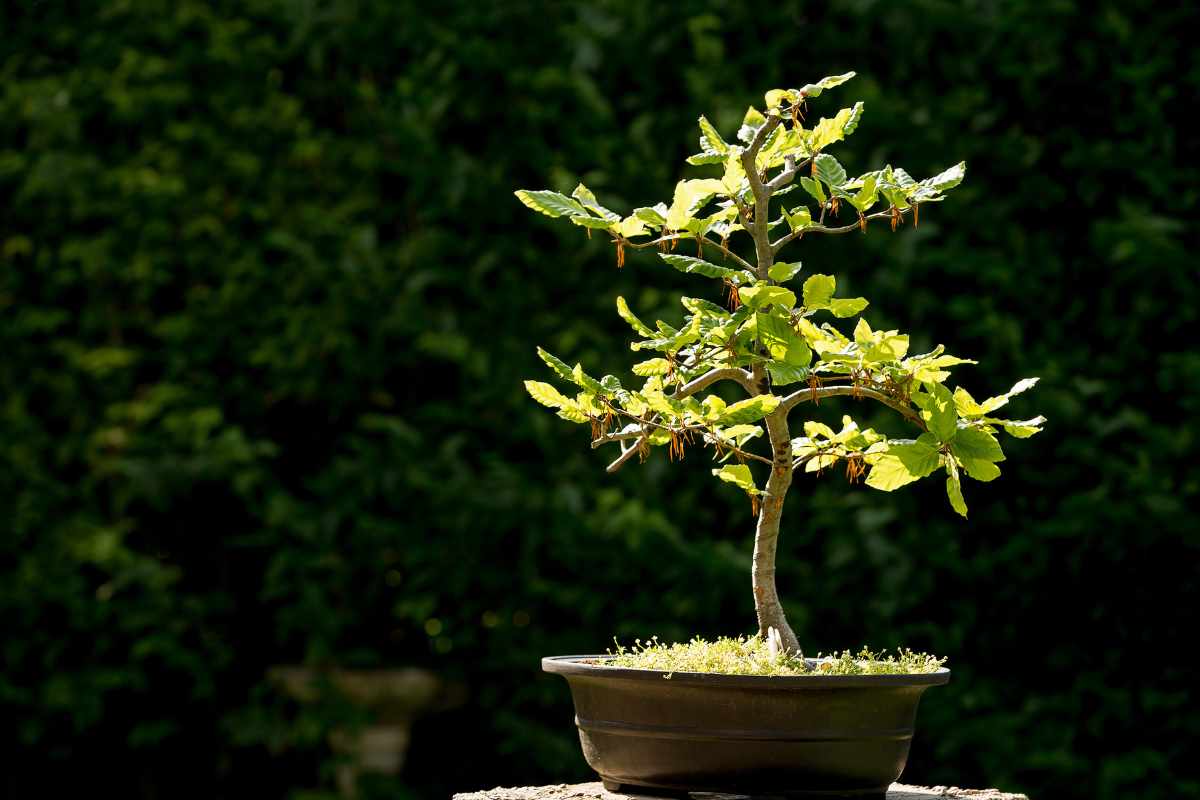
Watering and Fertilizing
Watering is the most common challenge for beginners. Check soil daily:
Water thoroughly when the topsoil feels slightly dry.
Avoid shallow watering — soak until water drains from the bottom.
Fertilizing is essential since bonsai grow in limited soil.
Use a balanced liquid fertilizer every two weeks during the growing season. In winter, reduce feeding.

Seasonal Care and Timeline
Bonsai are living trees that follow natural cycles. Here’s a simple timeline for beginners:
Spring: Best time for repotting and major pruning.
Summer: Monitor water needs closely; wire new growth.
Autumn: Fertilize to strengthen roots before dormancy.
Winter: Protect outdoor bonsai from frost; reduce watering.

Common Mistakes to Avoid
Overwatering: Roots can rot if soil stays wet.
Using regular potting soil: Bonsai need fast-draining mixes.
Pruning too aggressively: Cutting too much weakens the tree.
Leaving wires too long: They may scar the branches.
Bringing Art and Patience Together
Growing a bonsai is not a weekend project but a lifelong practice. Each cut, wire, and watering builds a relationship with your tree.
Beginners often discover that patience is the true skill bonsai teaches.
By starting with the right plant, using proper tools, and following a simple care routine, anyone can create a thriving miniature tree at home.
Enjoy The Video Tutorial
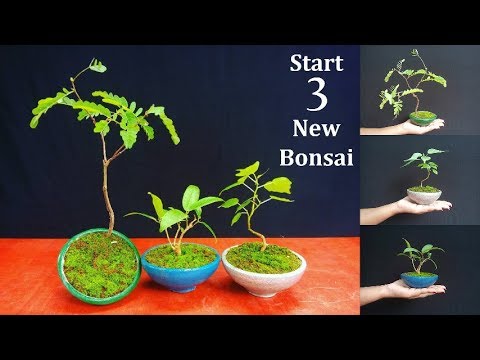
Source: Green plants
Don’t forget to Subscribe to our Newsletter to receive amazing tips and tricks about Gardening and the FREE Ebook Green Living Strategies!
Did you find this post Useful or Inspiring? Save THIS PIN to your GARDENING Board on Pinterest! 😊

Once again, thank you for visiting our website!
We hope you've enjoyed exploring the content we've created for you.
Give yourself the chance to learn, get inspired, and have even more fun, keep browsing...
Last update on 2026-01-03 / Affiliate links / Images from Amazon Product Advertising API

More Gardening Tips 👇🏼👇🏼