
Lady Palm: Indoor Plant Care & Growing Guide


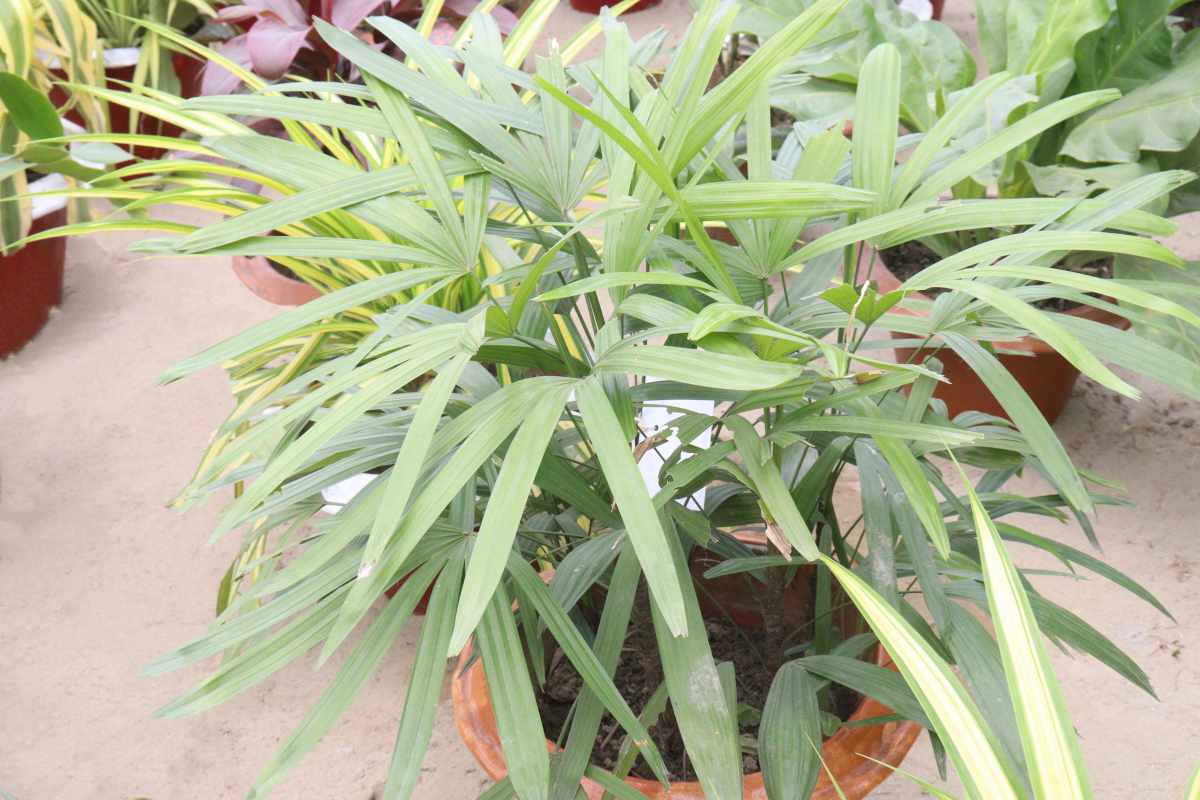
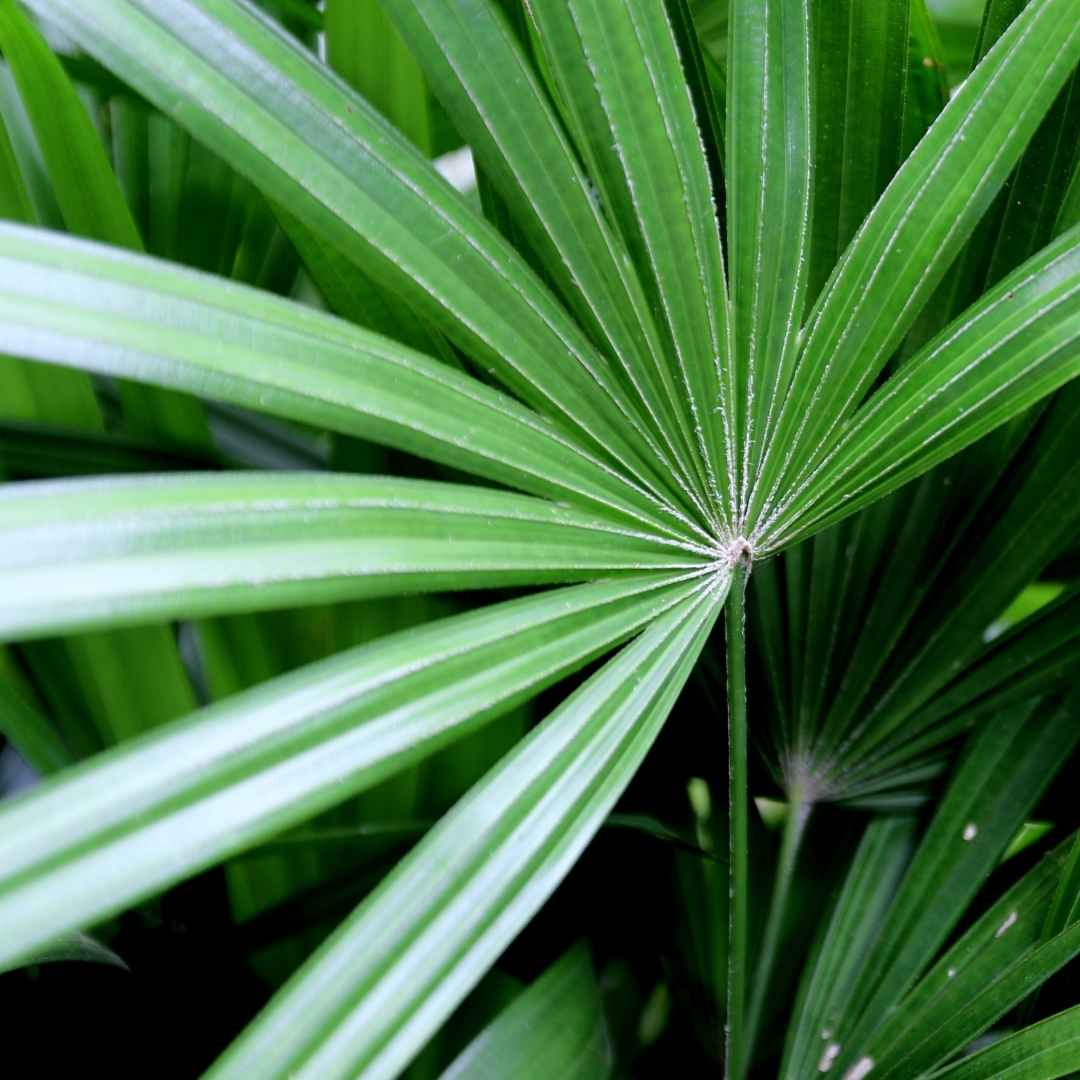
The Lady Palm, scientifically known as Rhapis excelsa, is a versatile and elegant indoor plant valued for its slender, fan-like leaves and moderate growth.
Its tropical appearance makes it a popular choice for homes and offices, offering a touch of greenery without demanding constant attention.
While generally tolerant, providing the right conditions is essential for keeping this plant healthy and vibrant.
Light Requirements

Lady Palms thrive in bright, indirect light, but they are also adaptable to medium or low light conditions.
Direct sunlight can scorch the leaves, causing brown tips or faded foliage.
For best results, place your plant near an east- or north-facing window or provide filtered light.
Even in lower light, the plant will grow, though its leaves may be smaller and less vibrant.
Watering
Maintaining consistent moisture is important, but overwatering can lead to root rot.
Allow the top 2–3 centimeters of soil to dry out before watering again. Use a pot with proper drainage and avoid letting water collect at the bottom.
During the winter months, reduce watering slightly as the plant’s growth slows down.
Soil and Potting
Lady Palms prefer a well-draining soil that retains some moisture without becoming waterlogged.
A mix of peat or coconut coir with perlite or orchid bark works well. Choose a pot that is only slightly larger than the root system.
This plant tolerates being somewhat root-bound better than being in a pot that is too large.
Temperature and Humidity
This plant enjoys temperatures between 65–80°F (18–27°C). Avoid placing it in cold drafts or near heaters and air conditioners.
Lady Palms appreciate moderate to high humidity.
If the indoor air is dry, especially during winter, mist the leaves or use a small humidifier to keep the plant comfortable.
Fertilization
Feed your Lady Palm with a balanced, diluted liquid fertilizer during the growing season, typically spring and summer.
Apply every 4–6 weeks at half the recommended strength.
Do not fertilize during the fall and winter months when the plant’s growth naturally slows down.
Repotting and Propagation

Repot your Lady Palm every 2–3 years or when the roots begin to crowd the pot.
Propagation is best achieved through division: separate individual clusters of stems, ensuring each has its own root system, and replant them in fresh soil.
Avoid cutting stems or leaves for propagation, as this method rarely succeeds.
Common Problems and Solutions
Even with proper care, Lady Palms can encounter a few issues:
Brown leaf tips: Usually caused by low humidity or water with high mineral content. Increase humidity and use filtered or room-temperature water.
Yellowing leaves: Often a result of overwatering. Check the soil’s drainage and allow it to dry slightly before watering again.
Curling or dry leaves: Indicates underwatering or low humidity. Mist regularly or raise ambient humidity.
Slow growth or pale leaves: Can result from insufficient light. Consider relocating to a brighter spot or closer to indirect sunlight.
Pests: Occasionally, the plant may be infested with spider mites or scale insects. Wipe leaves clean and treat affected areas with mild insecticidal soap if necessary.
Pet Safety

The Lady Palm is non-toxic to cats and dogs, making it a safe choice for households with pets.
Bringing Tropical Elegance Indoors
With the right care, the Lady Palm offers long-lasting beauty and a sophisticated tropical vibe.
Its upright, fan-shaped foliage creates a serene and elegant atmosphere, perfect for living rooms, offices, or low-light corners.
By maintaining proper light, humidity, and watering practices, your Lady Palm will flourish and remain a stunning feature in your indoor garden.
Did you find this post Useful or Inspiring? Save THIS PIN to your GARDENING Board on Pinterest! 😊

More Gardening Tips 👇🏼👇🏼