
How to Keep a Living Christmas Tree Alive and Plant It After the Holidays

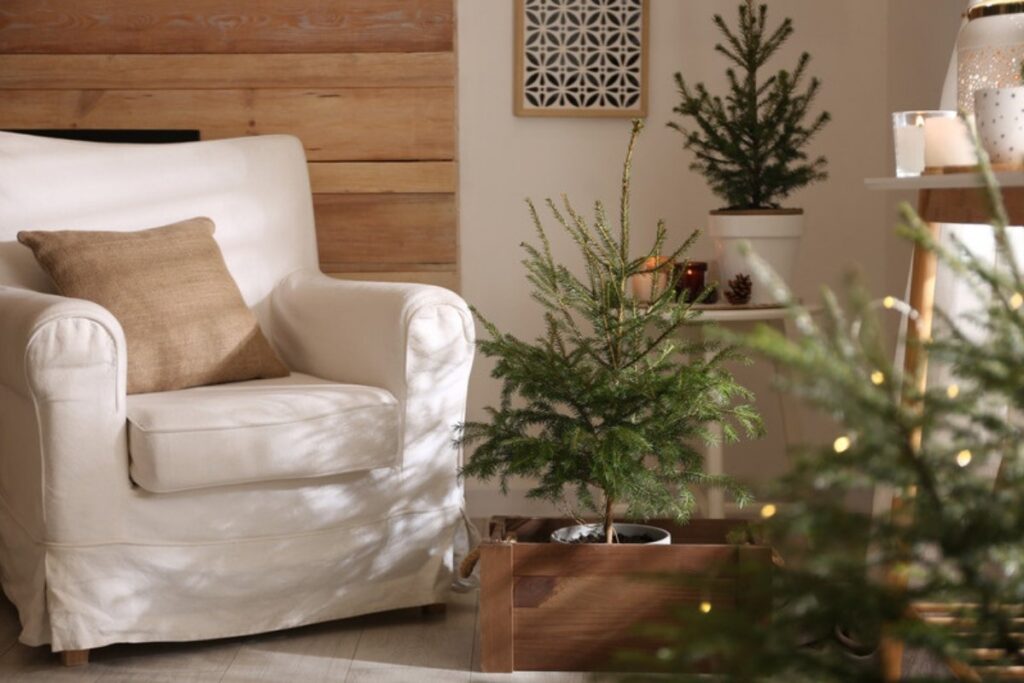
A living Christmas tree gives you the scent and look of a real tree without cutting one down, and once the holidays are over it can go into the yard and keep growing for years. The catch is that a dormant evergreen isn't built to spend weeks in a warm, dry living room. With some planning and a short indoor stay, your odds of success go up a lot.
Here's how to choose the right tree, how to look after it inside, and how to plant it once the decorations come down.
1. Choose the Right Tree for Your Yard
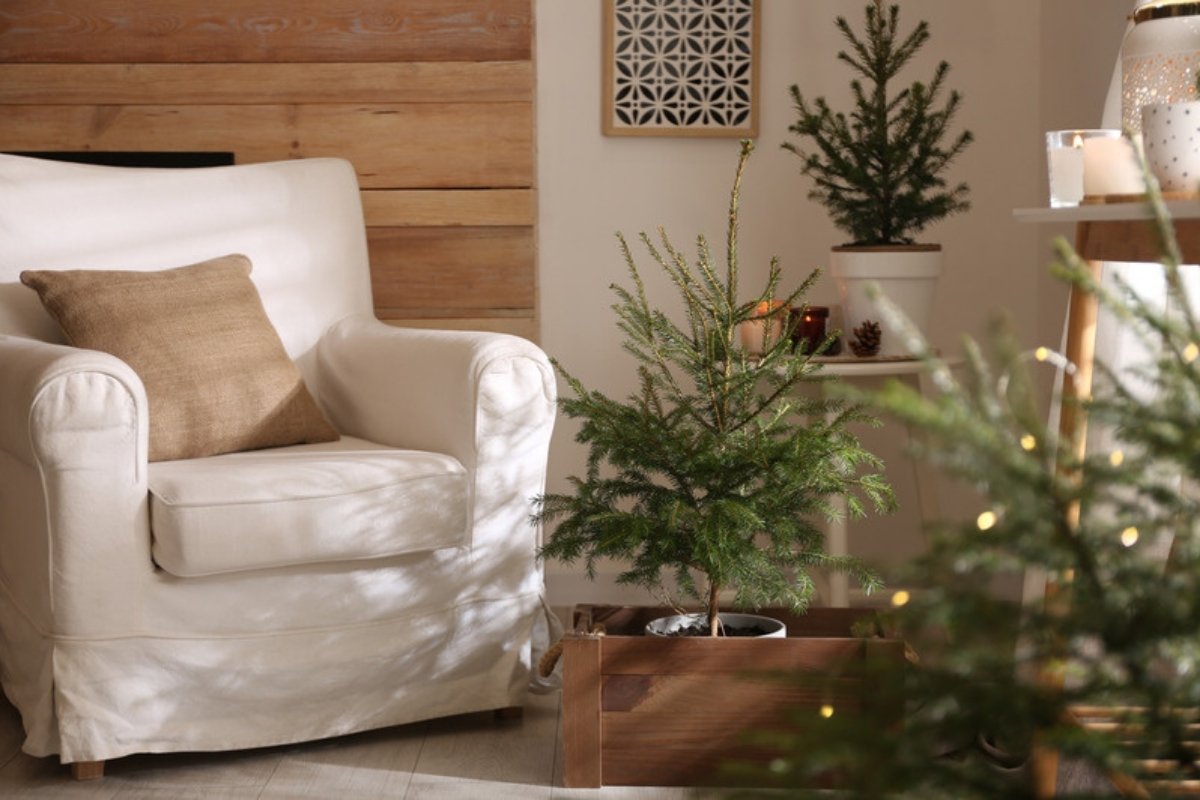
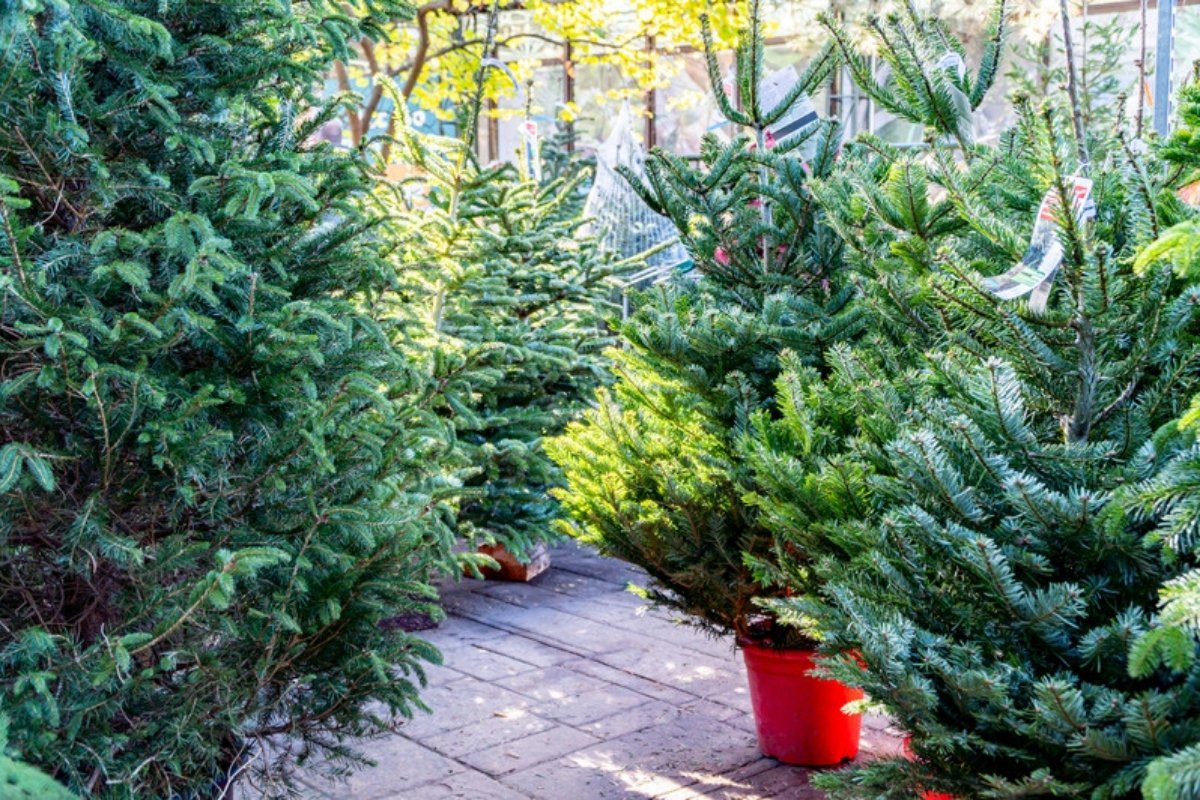
Living trees are sold in two ways. Container trees are usually small tabletop sizes. Some can be planted out later, while others are meant to stay in a pot, so check the tag for winter hardiness. Balled and burlapped (B&B) trees are dug from a field with a large root ball wrapped in burlap or fabric, and they need to be planted outdoors.
Think smaller than you would for a cut tree. A damp root ball is very heavy: the Chicago Botanic Garden notes that a 5-foot balled tree can weigh up to 200 pounds, so you may need a furniture dolly to move it. NC State Extension recommends that trees meant for the landscape be no taller than five to six feet.
Pick a species that grows well where you live, and check its mature size, because most will get far bigger than they look on the lot. Pines, firs and spruces are the usual choices, and arborvitae, yews and hollies can also be decorated and planted afterward. In cooler regions, Norway spruce, Colorado blue spruce and eastern white pine are common picks. In the warm South, Clemson and NC State list options such as eastern red cedar, Leyland cypress, Virginia pine and Arizona cypress varieties like 'Carolina Sapphire'. Fraser fir is a classic Christmas tree, but NC State notes it usually won't survive more than a few years at lower elevations.
Before you buy a B&B tree, check that the root ball is firm. A loose or flattened root ball is unlikely to survive.
2. Dig the Planting Hole Before the Ground Freezes
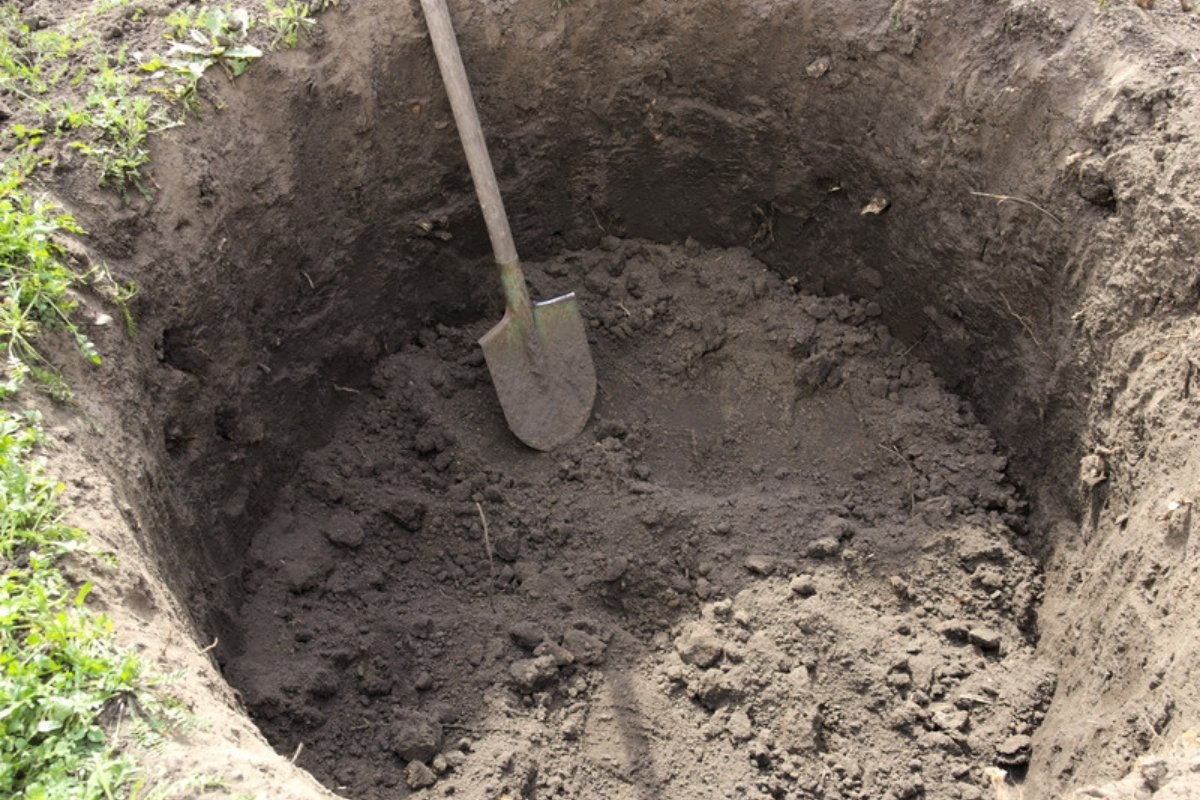
This step is easy to forget, and it's the one that saves you in January. In cold-winter areas, dig the hole in fall (the Chicago Botanic Garden suggests November) while the soil is still workable. Choose a spot in full sun with well-drained soil, and leave room for the tree's mature spread.
Store the soil you dig out in a garage or shed so it doesn't freeze into a solid lump. You can loosely fill the hole with straw or mulch, or cover it with a tarp until planting day.
Make the hole wide rather than deep. Clemson recommends a hole at least twice as wide as the root ball and the same depth, while Penn State Extension suggests making it 1 to 2 feet wider than the root ball, with sides that taper outward. Planting too deep is a common reason new trees fail.
3. Ease the Tree Indoors Slowly
Your tree is dormant when you buy it, and you want to keep it that way. Leave it outside until just before you plan to decorate, in a shady spot or on the north side of the house, out of direct sun.
Then give it a stopover. Before bringing it inside, keep it in an unheated garage, porch or shed so the change in temperature isn't so sudden. Illinois Extension suggests about three to four days, and Penn State suggests one to two weeks for B&B trees.
When you move it, don't carry the tree by its trunk and don't drop it on the root ball. A broken, loose root ball is unlikely to survive.
4. Keep the Indoor Stay Short and Cool
This is the rule that matters most. Warm indoor air can break dormancy, and a tree that starts growing indoors in December will struggle when it goes back out into the cold. Illinois Extension and Penn State recommend about four to five days inside and no more than a week. Some guides allow up to 7 to 10 days at most, but shorter is safer.
Place the tree in the coolest part of the room, away from heating vents, fireplaces and direct sun. Turning the thermostat down a few degrees helps, especially when nobody is in the room. Use LED or small low-heat lights rather than incandescent bulbs, which give off more heat.
5. Check the Root Ball Every Day
Indoor air dries a root ball out quickly, so check it daily. The goal is evenly moist, never soggy or flooded.
- B&B trees: set the root ball in a watertight container such as a large plastic tub or galvanized bucket, with a layer of gravel or stones in the bottom so the roots don't sit in water.
- Container trees: they drain fast. Put a large saucer underneath and water evenly, without leaving the pot standing in water.
- The ice trick: a scoop of crushed ice on top of the root ball melts slowly and makes watering easy without spills.
NC State notes that a full-size tree can use up to a gallon of water a day. Don't add fertilizer to the water.
6. Move It Back Outside Gradually
When the holidays are over, reverse the process. Put the tree back in the unheated garage or porch for three to four days so it can readjust before planting. If there's a hard cold snap, wait for a milder day, and keep the roots moist the whole time.
Plant as soon as you can after that, as long as the ground can be worked. If it's already frozen, store the tree in an unheated, wind-protected spot such as a garage, keep it watered, and plant it in spring. If you don't have a sheltered place indoors, set it somewhere out of the prevailing wind and mulch the root ball.
7. Plant It the Right Way
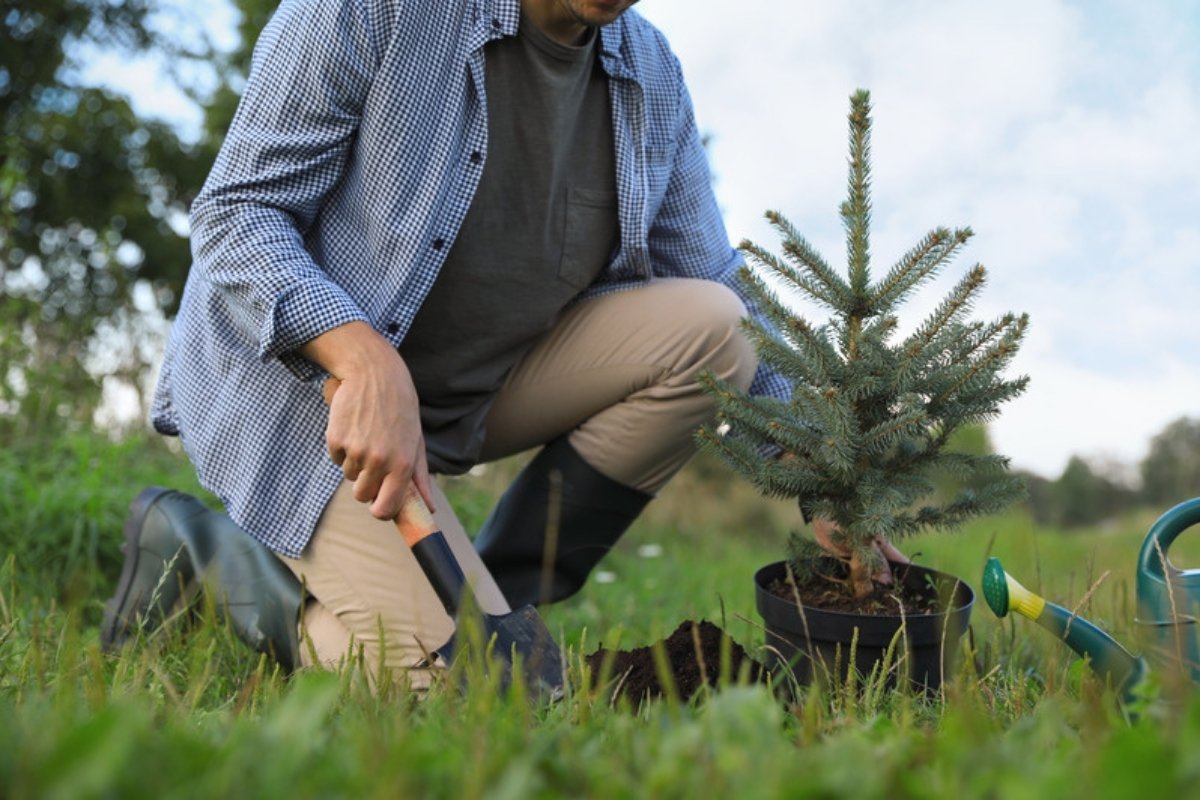
Set the tree in the hole so the root flare, where the trunk begins to widen, sits level with the ground or slightly above it. You may need to loosen the burlap or brush away some soil to find it.
Remove any wire, twine and synthetic burlap, because synthetic material breaks down poorly and can restrict the roots. For container trees, take off the pot and loosen any roots circling the outside of the root ball.
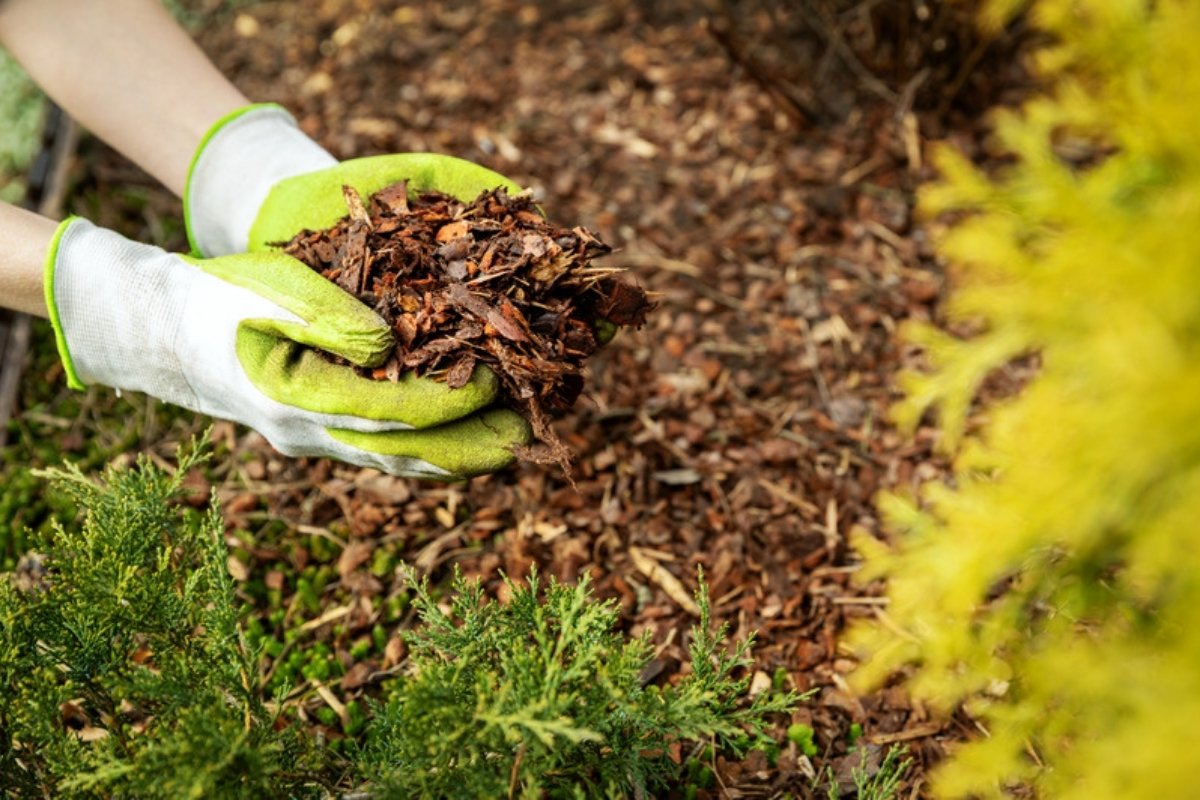
Backfill in stages, firming each layer, then water well to settle the soil and remove air pockets. Finish with 2 to 3 inches of mulch over the root area. Straw works well too and helps the roots adjust to cold soil. Hold off on fertilizer until spring.
The first year is the critical one. Evergreens can dry out over winter, so the deep watering at planting time matters, and in spring you'll want to water regularly whenever rainfall falls short. In windy spots, stake the tree, but don't strap the trunk tightly.
Living Christmas Tree Quick Facts
- Good choices: pines, firs, spruces, arborvitae, yews or hollies that are hardy where you live
- Size: no more than 5 to 6 feet tall for a home landscape
- Dig the hole: in fall, before the ground freezes
- Time indoors: about 4 to 5 days, no more than a week
- Acclimation: a few days in an unheated garage or porch before and after
- Watering: check the root ball daily and keep it moist, not flooded
- Mulch: 2 to 3 inches after planting
- Fertilizer: none until spring
Frequently Asked Questions
How long can a living Christmas tree stay inside?
Aim for four to five days and no longer than about a week. Some sources allow up to 10 days, but the longer the tree stays in a warm house, the more likely it is to break dormancy.
Can I keep my living Christmas tree in its pot?
Some small container trees are sold to stay potted year-round, while others are meant to be planted out. Check the plant tag. Balled and burlapped trees need to go in the ground.
What if the ground is frozen after Christmas?
Keep the tree in an unheated, sheltered place such as a garage, water it when the root ball starts to dry, and plant it in spring as soon as the soil can be worked. That's exactly why digging the hole in fall makes life easier.
More Gardening Ideas
- Top Small Evergreens for Your Garden
- How to Create The Perfect Christmas Garden
- Care Guide for The Norfolk Island Pine
- Growing Guide of The Lemon Cypress Tree
With good timing and a short, cool stay indoors, this year's Christmas tree can become a permanent part of your garden, growing a little taller every holiday season.
More Gardening Tips 👇🏼👇🏼