
5 Best Trees for Small Gardens That Won’t Take Over Your Space

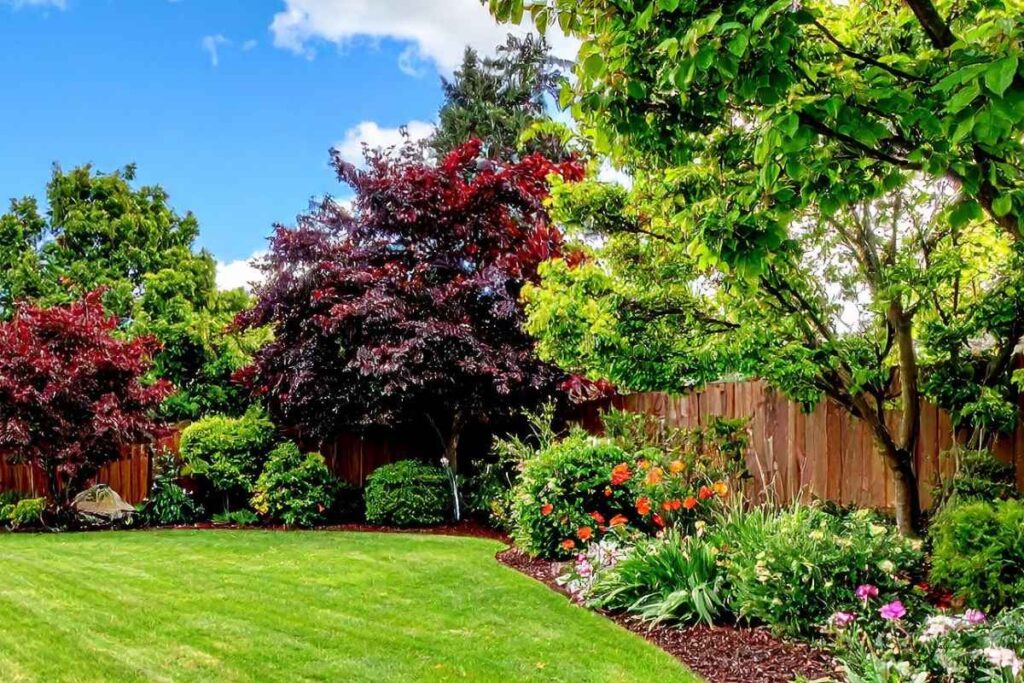
When your outdoor space is limited, the right tree can add privacy, shade, and seasonal color—without turning your garden into a constant pruning project.
The key is choosing trees with naturally compact growth, well-behaved roots, and a mature size that fits your layout.
In this guide, you’ll find five small-garden-friendly trees plus practical tips for planting, spacing, and long-term care. If you want that “lush backyard vibe” in a smaller footprint, this one’s for you.
If you’re still planning your layout, these small garden design ideas will help you make the most of every inch.
What “Small-Garden-Friendly” Really Means
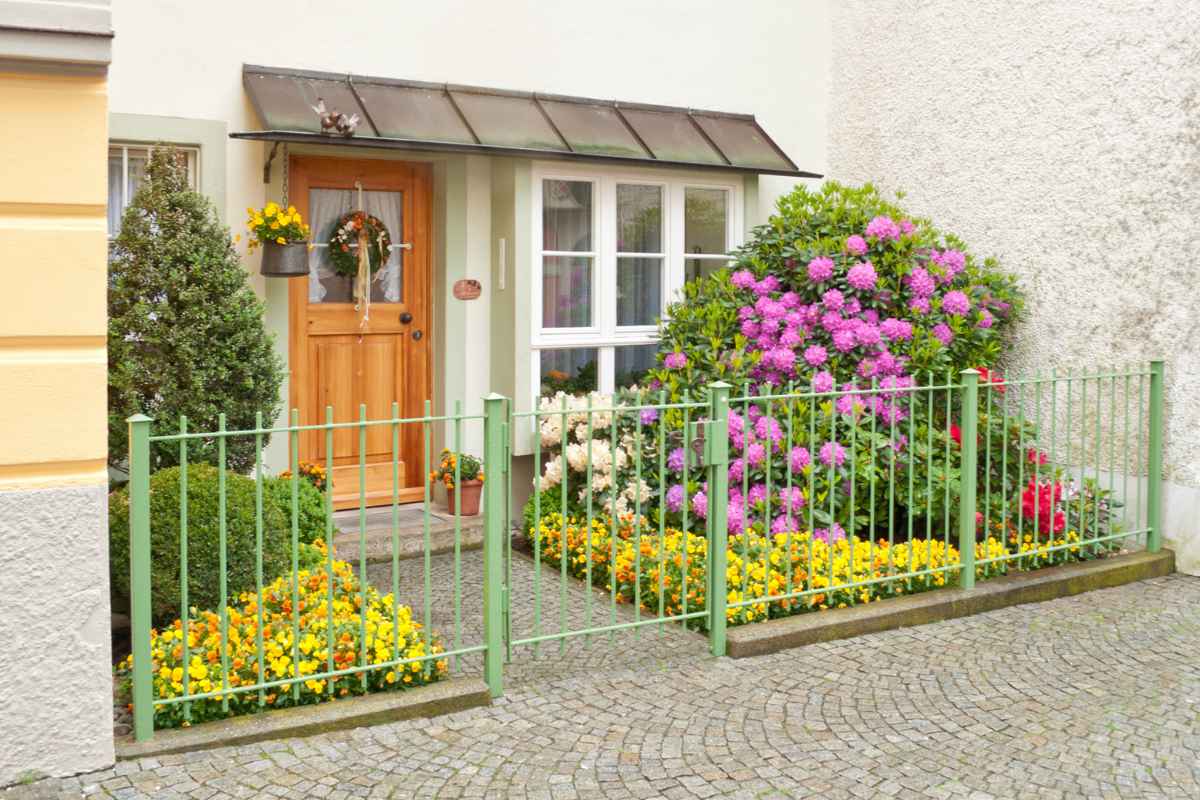
A tree can be marketed as “small,” but what matters is how it behaves at maturity.
Look for trees that are:
Compact at full size (often 10–25 ft tall / 3–7.5 m, depending on your space)
Slow to moderate growers (less constant pruning)
Non-aggressive roots compared to large shade trees
Good in containers (optional, but helpful for patios and courtyards)
Quick rule of thumb: If you can’t picture where the canopy will be in 10–15 years, the tree may be too big for your garden.
5 Best Trees for Small Gardens (That Stay Manageable)
Below are five popular, widely available picks that bring color and structure without dominating a small yard.
1) Japanese Maple (Acer palmatum)
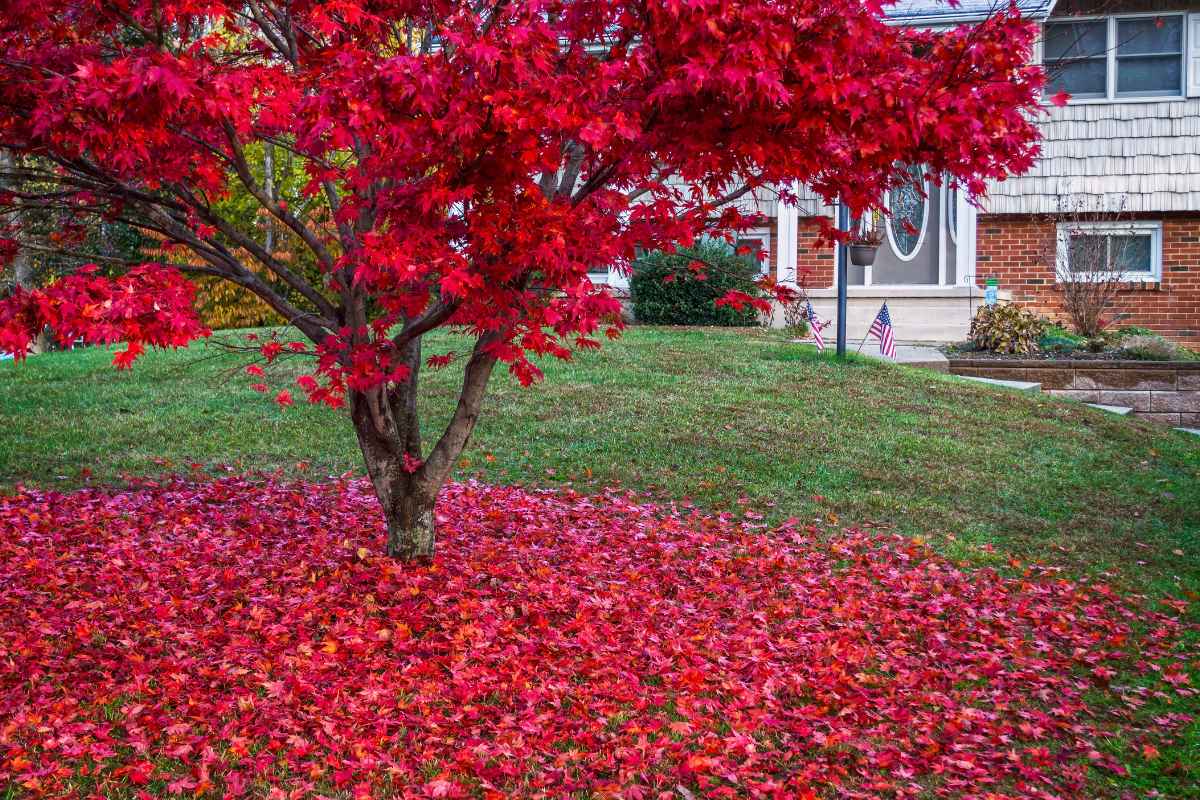
If you want a statement tree without the bulk, Japanese maples are hard to beat. Wide varieties stay naturally compact and offer stunning foliage from spring through fall.
Why it works for small gardens:
Naturally graceful, controlled shape
Excellent for partial shade and sheltered spots
Many cultivars stay around 8–15 ft (2.5–4.5 m)
Best for: Courtyards, side yards, modern landscapes, and layered borders.
2) Serviceberry (Amelanchier)
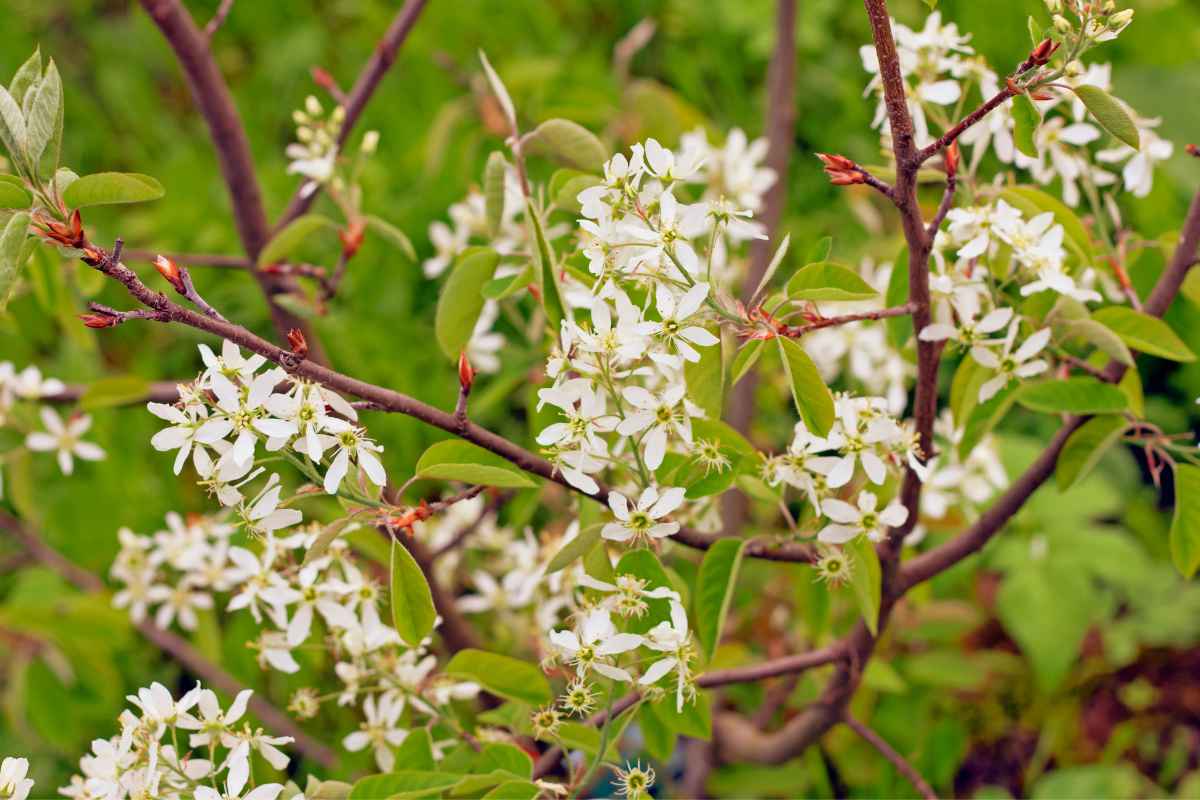
Serviceberry gives you a lot in one tree: spring blooms, summer berries (often enjoyed by birds), and gorgeous fall color—usually in a small, tidy form.
Why it works for small gardens:
Multi-season interest without a giant canopy
Typically 15–25 ft (4.5–7.5 m), depending on variety and training
Often available as a multi-stem form for a softer look
Best for: Wildlife-friendly gardens and anyone who wants “pretty” without high maintenance.
3) Eastern Redbud (Cercis canadensis)
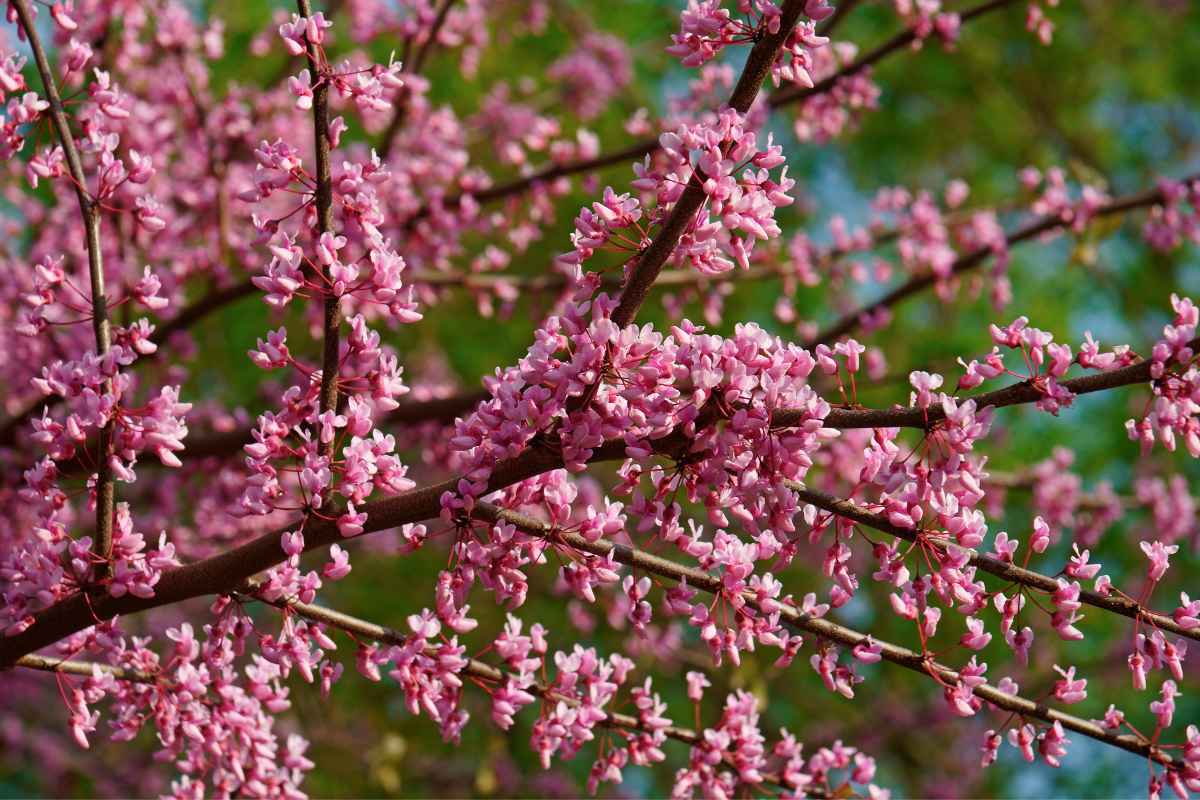
Redbud is a small-garden favorite for a reason: the spring flowers are a showstopper, and the heart-shaped leaves add softness all season.
Why it works for small gardens:
Compact mature size often 15–25 ft (4.5–7.5 m)
Flowering happens early, adding instant curb appeal
Fits beautifully in front yards and small backyards
Best for: Brightening up a small space in spring, especially near patios and paths.
4) Crape Myrtle (Lagerstroemia)
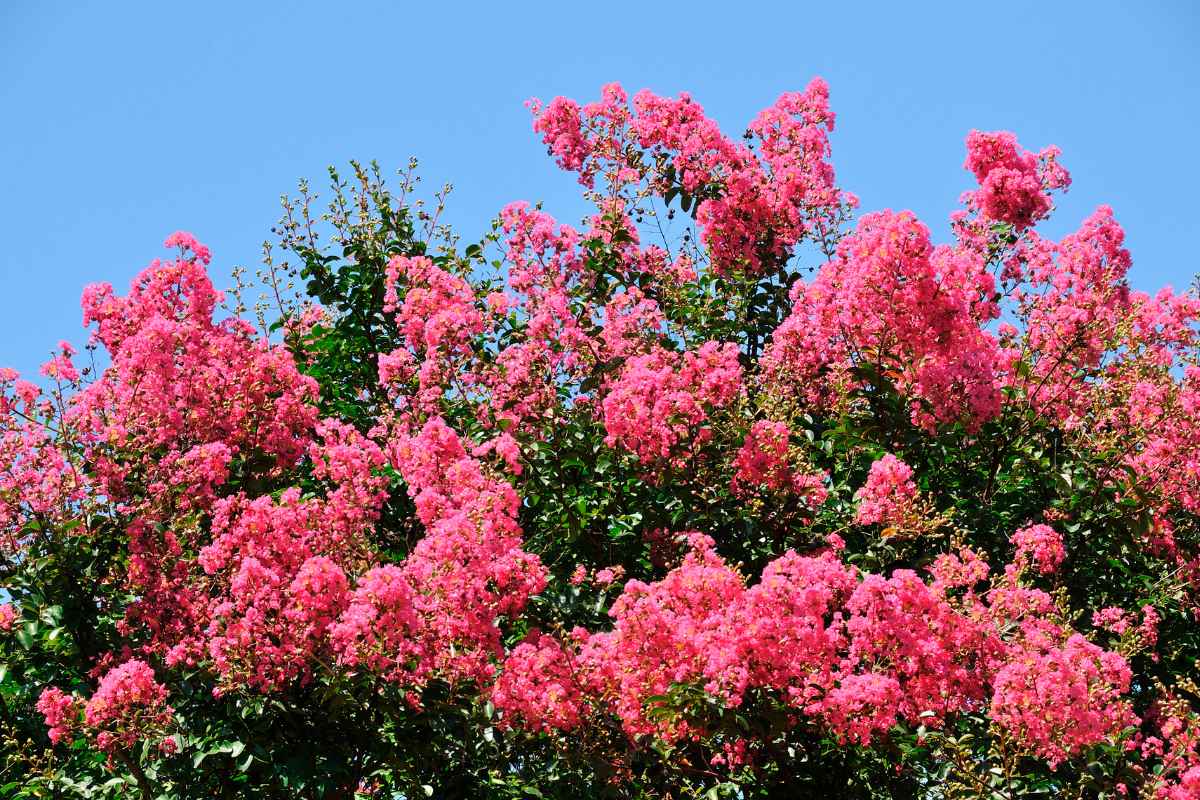
Crape myrtle shines in warm climates with long bloom periods and attractive bark. Many modern varieties are bred to stay compact.
Why it works for small gardens:
Long-lasting summer color
Some varieties remain 6–15 ft (1.8–4.5 m), especially dwarf types
Can be grown as a small tree or large shrub
Best for: Sunniest spots where you want bold summer blooms with minimal fuss.
5) Dwarf Magnolia (Magnolia varieties)
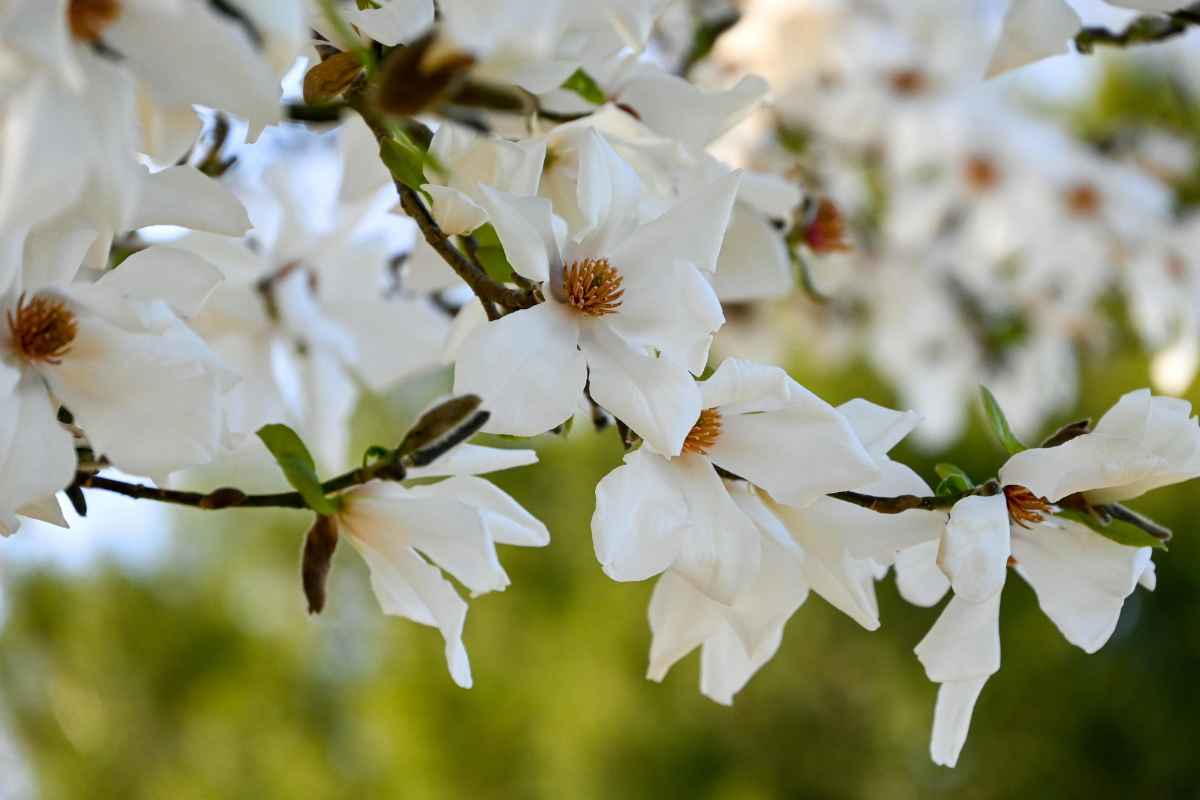
Not all magnolias are massive. Several smaller varieties offer big, elegant blooms while keeping a more manageable footprint.
Why it works for small gardens:
Dramatic flowers without a huge shade tree spread
Many compact options fall around 10–20 ft (3–6 m)
Works as a focal point in a small landscape
Best for: Creating that “wow” moment near an entry, patio, or seating area.
How to Choose the Right Tree for Your Exact Space
Even “small” trees can feel too big if they’re in the wrong spot. Before you buy, check:
Mature size (not the nursery tag)
Focus on mature height AND spread.
A 15 ft tree with a 15 ft spread needs more room than many people expect.
Sun and exposure
Full sun = 6+ hours (great for crape myrtle)
Partial shade = 3–6 hours (often ideal for Japanese maple)
Windy corners can stress young trees—choose sturdier options or add shelter.
Root behavior and nearby structures
If the planting spot is near:
a foundation
driveway/pavers
fence line
drainage lines
…stick with compact trees and give them room to establish. Avoid planting too close just because the tree is small right now.
For year-round structure, you might also like these compact evergreens that work beautifully in small spaces.
Planting and Spacing Tips You Can Apply Today
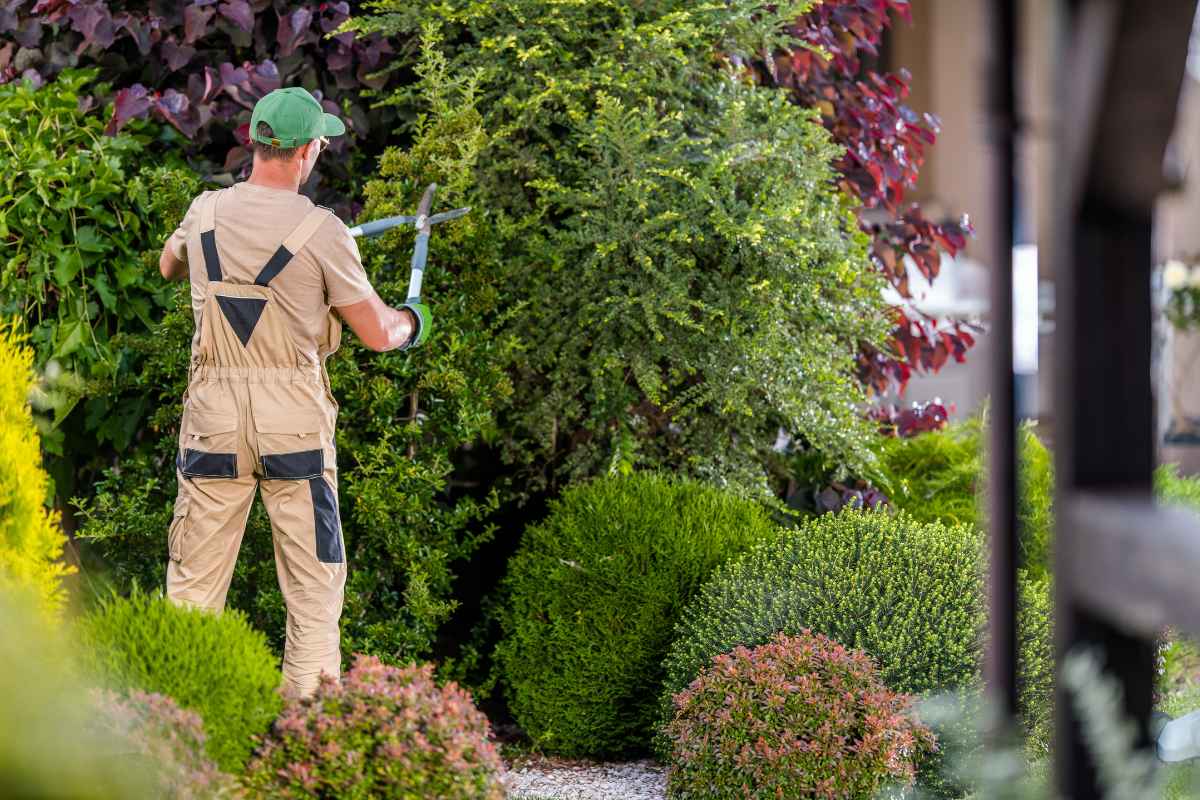
Use this checklist to avoid the most common small-garden tree regrets.
Small garden tree planting checklist
Measure your space and mark the canopy circle on the ground (use the mature spread).
Plan at least 3–6 ft (0.9–1.8 m) from fences for most small trees (more if the spread is wider).
Keep trees at least 6–10 ft (1.8–3 m) away from hardscape if you’re worried about roots and heaving.
Dig a hole 2–3x as wide as the root ball but no deeper than the root ball height.
Set the tree so the root flare sits at or slightly above soil level.
Water deeply after planting, then keep the soil evenly moist during the first season.
Pro tip: Mulch helps almost every small garden tree. Add 2–3 inches (5–7.5 cm) of mulch, but keep it a few inches away from the trunk to prevent rot.
If you’re working with a tight footprint, these small-space gardening tips can make planting and maintenance so much easier.
Common Mistakes That Make “Small Trees” Take Over
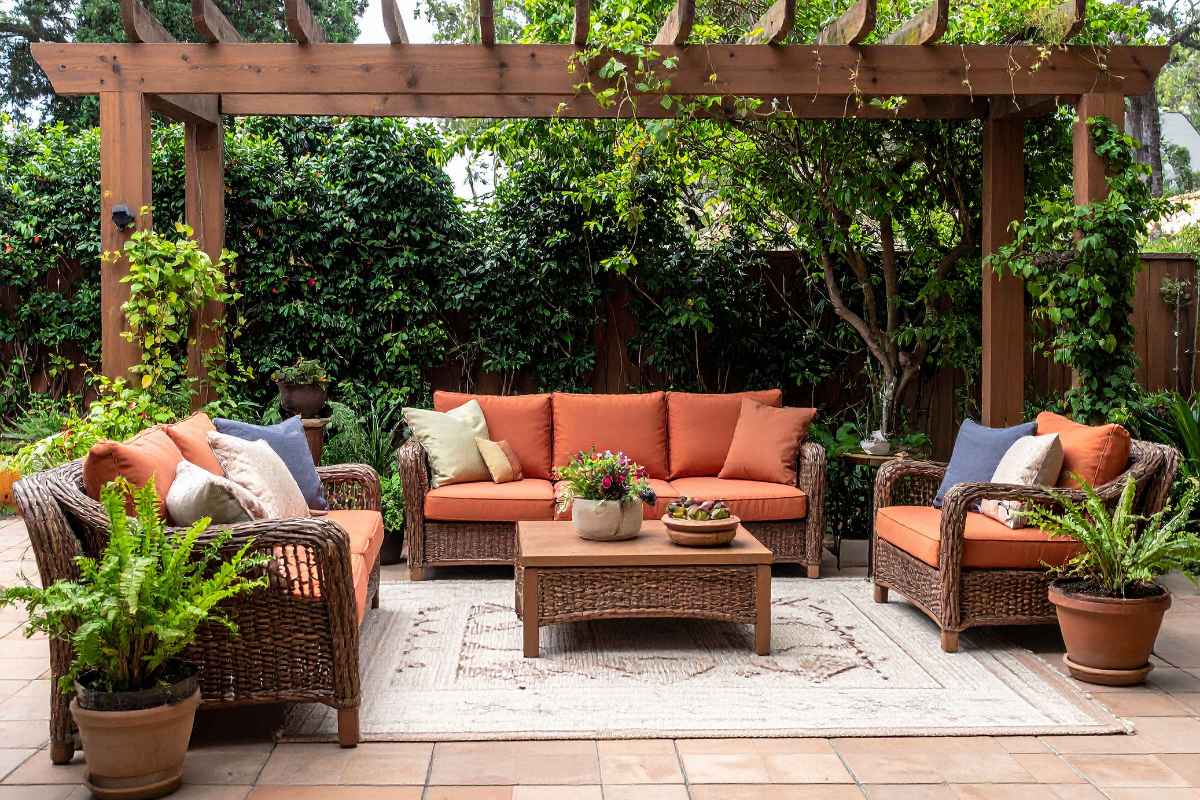
Most “this tree got huge” stories come down to a few avoidable issues.
Choosing the wrong variety
A species might have both compact and large forms. For example, a “Japanese maple” label is not enough—cultivar matters.
Planting too close to the house or fence
Crowding forces constant pruning and can cause long-term stress. Always plan for a mature spread.
Over-pruning (especially topping)
Topping can trigger fast, messy regrowth and weak branching. Instead, use selective pruning to shape and remove crossing branches.
Ignoring water in year one
New trees need consistent moisture while roots establish. Under-watering early can lead to stunted growth, leaf scorch, and ongoing stress.
Assuming roots stay small because the tree is small
Roots spread wider than you think. Even compact trees benefit from good spacing and healthy soil.
A little technique goes a long way—these pruning tips for trees can help you shape growth without stressing the plant.
Low-Maintenance Care for Small Garden Trees
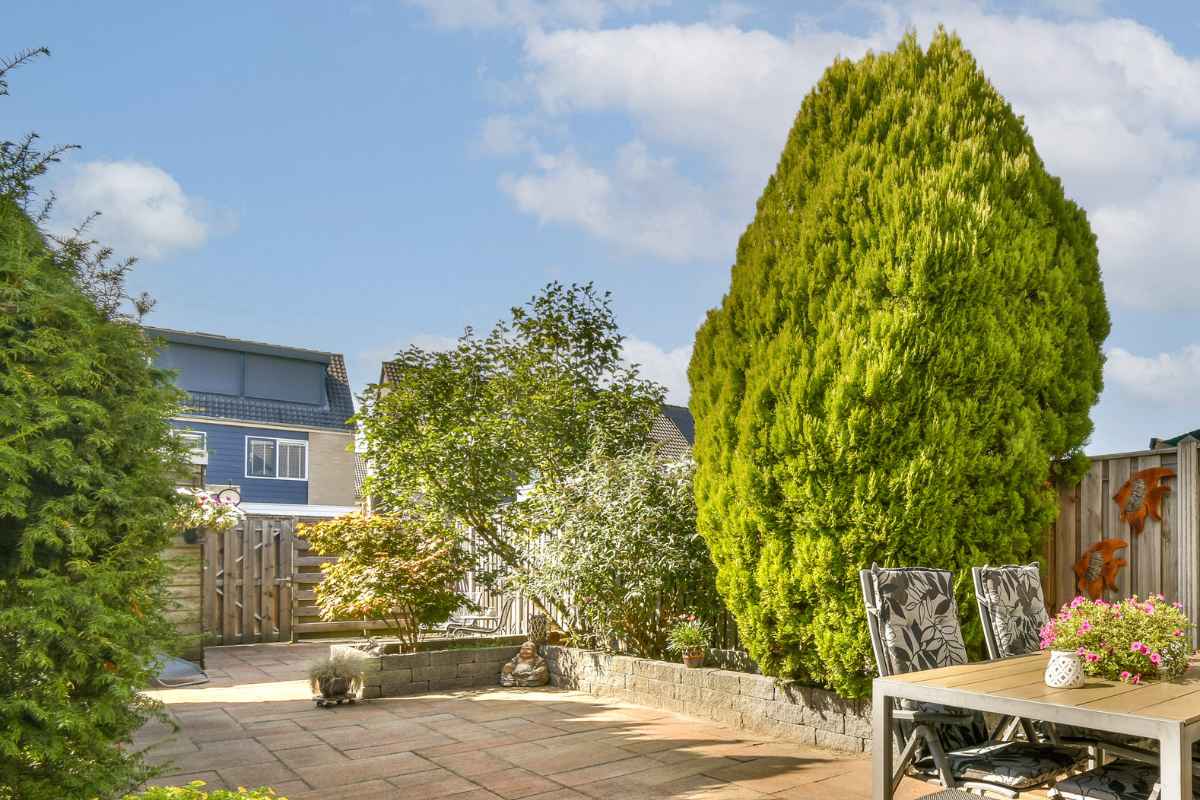
Once established, most small ornamental trees thrive with simple seasonal care.
Spring: Refresh mulch; check for winter damage; light pruning if needed.
Summer: Deep water during heat (especially first 1–2 years); watch for stress signs like curling or scorched leaves.
Fall: Clean up fallen leaves if disease is a concern; enjoy the color.
Winter: Protect young trunks in harsh climates; avoid heavy pruning unless the tree type calls for it.
If you want the easiest long-term experience, prioritize trees that match your sun and climate, then focus on correct planting and consistent early watering. That’s the real secret.
Closing
A small garden doesn’t mean you have to skip trees—it just means you need smarter picks. Choose compact varieties, plan for mature size, and plant them with enough breathing room, and you’ll get shade and beauty without the takeover.
If you want, your next step is to sketch your yard and mark where the canopy would fall in 10 years—your future self will thank you.
More Gardening Tips 👇🏼👇🏼