
Why Your Cherry Blossom Tree Isn’t Flowering (and How to Fix It)

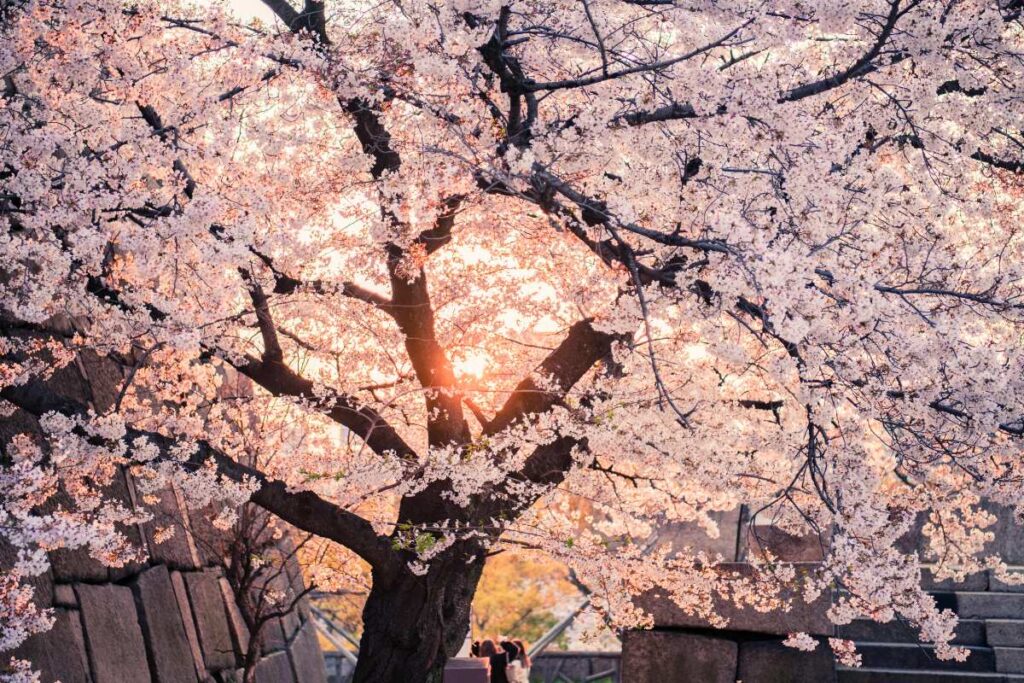
Your Cherry Blossom promised clouds of pastel color—and then…nothing. If your Cherry Blossom Tree skipped its show, don’t panic.
Flowering failure usually traces back to a few fixable issues: light, pruning, nutrition, climate, or stress. In this guide, we’ll pinpoint the cause and get you to reliable Cherry Blossom Flowers next spring.
Think of bloom as the result of many small wins stacked together. When sun hours, bud-safe pruning, soil balance, and winter conditions align, you’ll enjoy a Cherry Blossom Tree In Bloom that anchors your path, patio, or cherry blossom garden with grace.
Light & Location: The Bloom Engine

Most ornamental Cherry Blossom Trees need full sun—about 6–8 hours daily—to set robust buds. In partial shade, the canopy may look healthy but under-produce flowers. If nearby trees matured or a new structure now casts shade, your bloom count will suffer.
Observe the path of light across a full day. If your site falls short, thin competing branches overhead, gently crown-lift nearby shade-makers, or relocate a young cherry blossom plant in late fall while it’s dormant. Containers on patios can be rotated toward the sun to encourage symmetrical bud set.
Pruning & Age: Timing Matters
Pruning at the wrong time is a top bloom-killer. Many cherries set flower buds on wood formed the previous growing season. Heavy cuts in late winter or early spring can remove those buds outright.
To protect next year’s display, prune lightly right after flowering (or when it should have flowered), focusing on dead, crossing, or rubbing wood.
Young trees also need time. A newly planted Cherry Blossom Tree often invests its first two to three years in roots, not petals. Be patient and avoid hard shaping until the framework is established; that’s when energy can finally pivot into a full canopy of blossoms.
Soil, Water & Nutrition: Balanced, Not “More”
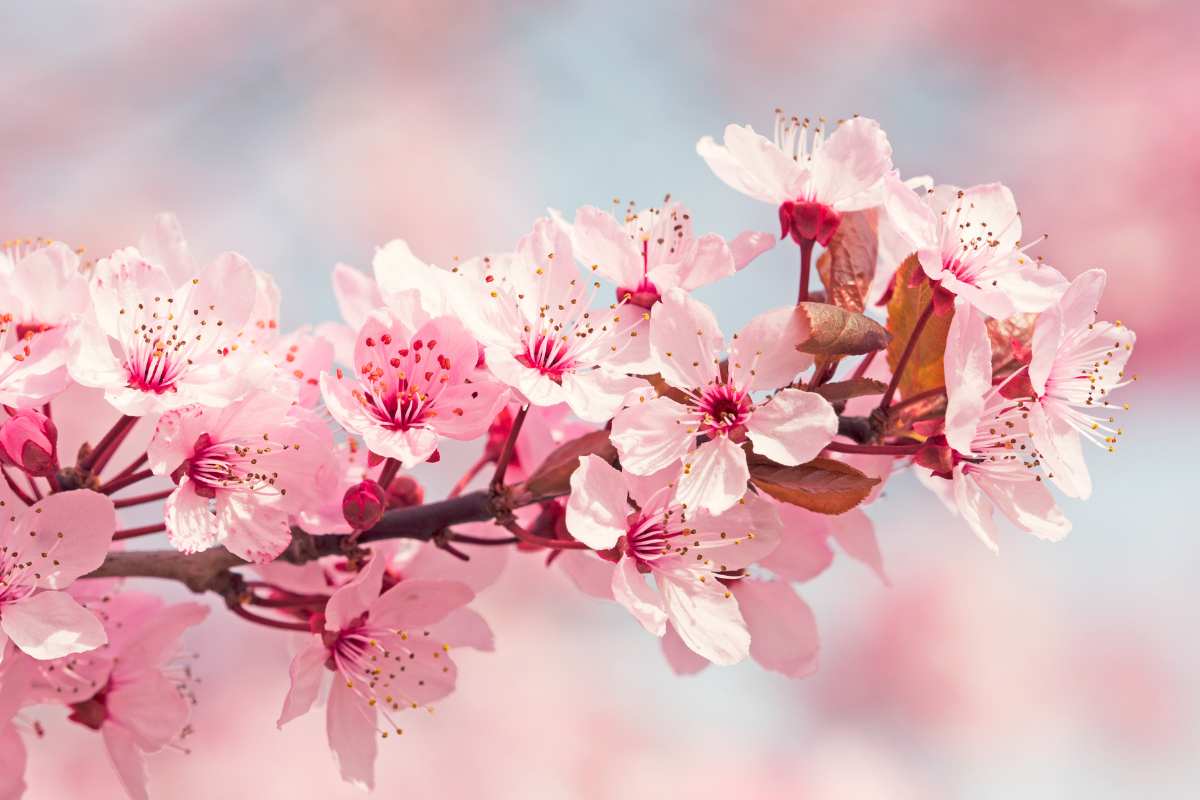
Over-fertilizing—especially with high nitrogen—pushes leafy growth at the expense of buds. If lawn fertilizer reaches the root zone, blooms can vanish. Switch to a balanced, slow-release formula in early spring and skip summer nitrogen. A soil test helps you target phosphorus and potassium without guesswork.
Water deeply and infrequently to train resilient roots. Poor drainage or drought stress can trigger bud drop before petals ever open. Mulch 5–7 cm (2–3 in.) wide, keeping it off the trunk, to stabilize moisture.
If you’ve noticed premature shedding of cherry blossom petals, review watering consistency during bud swell and early bloom.
Climate, Chill & Frost: Reading the Seasons
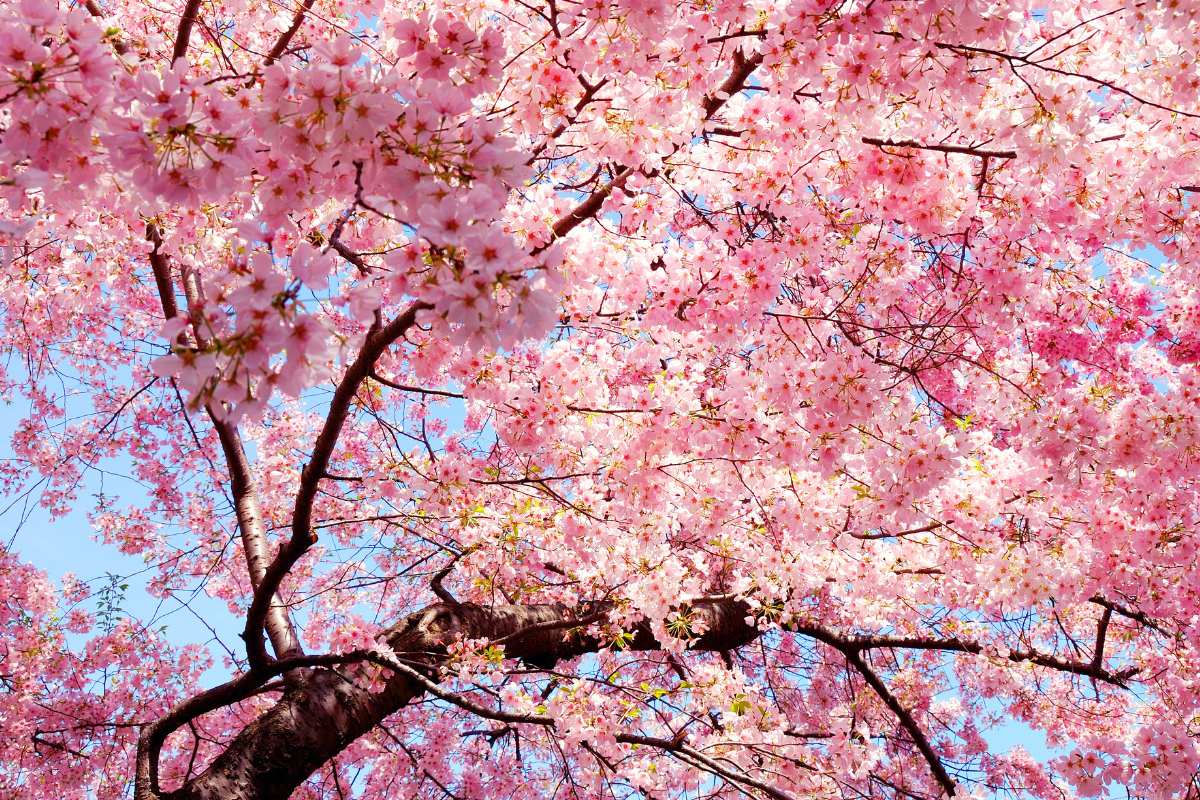
Many cherries need a modest “chill” period in winter to break dormancy evenly. In unusually warm winters, bloom can be sparse or irregular. Conversely, late spring freezes can blacken emerging buds overnight. Floating row covers on frosty nights may save a year’s display.
Track your local patterns: if cherry blossom season has shifted earlier where you live, be ready with lightweight protection when a cold snap threatens. Site selection also helps—avoid low pockets where frost settles.
Pests & Disease: Silent Saboteurs
Aphids, scale, and caterpillars rarely destroy a flowering cycle, but heavy pressure can weaken a tree enough to reduce buds. A strong hose blast or horticultural soap, applied per label, restores balance without upsetting pollinators that turn blossoms into joy.
Watch for cankers and blights that girdle twigs, cutting off nutrients to developing buds. Prune out infected wood several centimeters below the damage and disinfect tools between cuts. Healthier wood means more reliable Cherry Blossom Flowers next year.
Planting Depth & Root Health: Foundation Checks
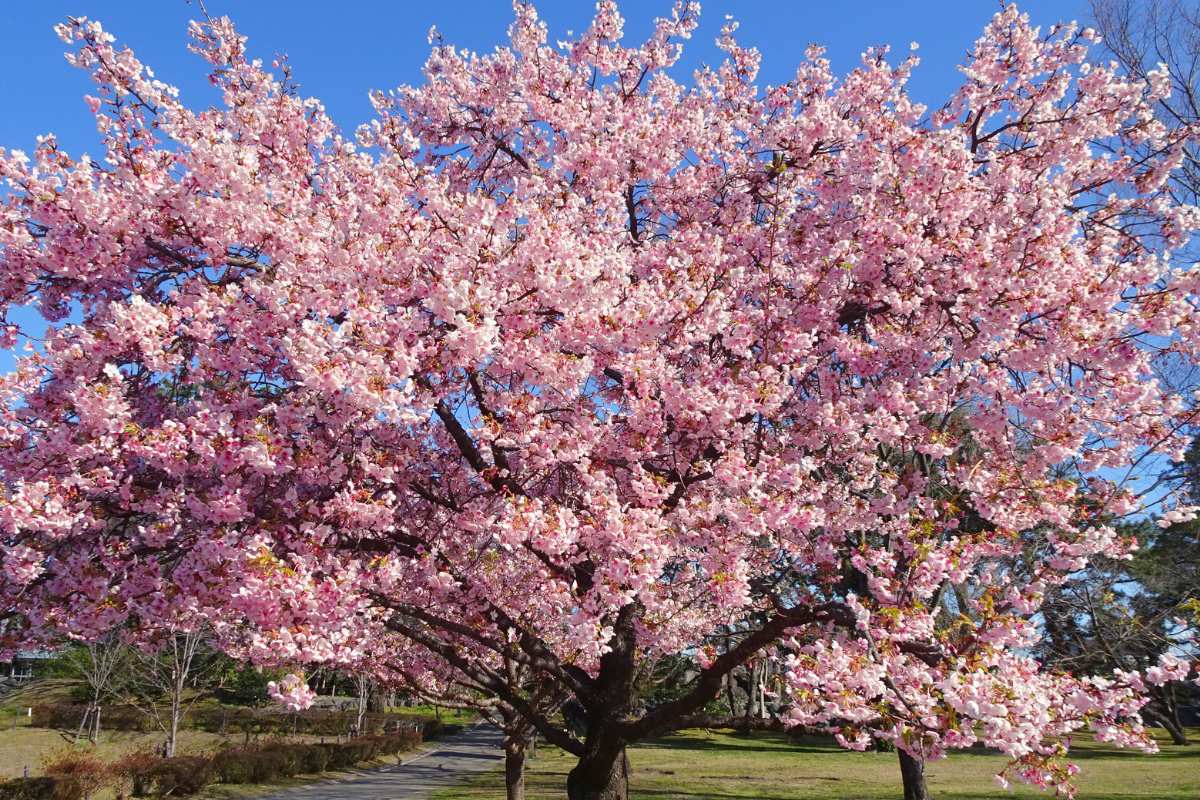
Cherries sulk when planted too deep. The root flare—the spot where trunk widens into roots—should sit just above soil grade. If buried, replant at the correct level during dormancy. For container-grown trees, tease circling roots so they don’t form a self-strangling “pot within the hole.”
Compacted soil starves roots of air. Loosen the surrounding area with a broad fork and top-dress with compost. Over a season or two, you’ll see stronger shoots, thicker spurs, and—eventually—a fuller Cherry Blossom Tree In Bloom.
Variety & Expectations: Matching the Picture in Your Head
Not all cherries bloom alike. Some cultivars flower earlier or with lighter coverage. Confirm your variety to set realistic expectations for your site and climate. If the look you want is a tunnel of cotton-candy pink, selecting the right cultivar—and pairing compatible rootstock—matters.
Design can amplify even modest bloom. Echo color with pale groundcovers or soft grasses so petals appear to “glow.” Over time, thoughtful layering turns a corner of the yard into a signature cherry blossom garden that feels magical each spring.
When You Need a Quick Win
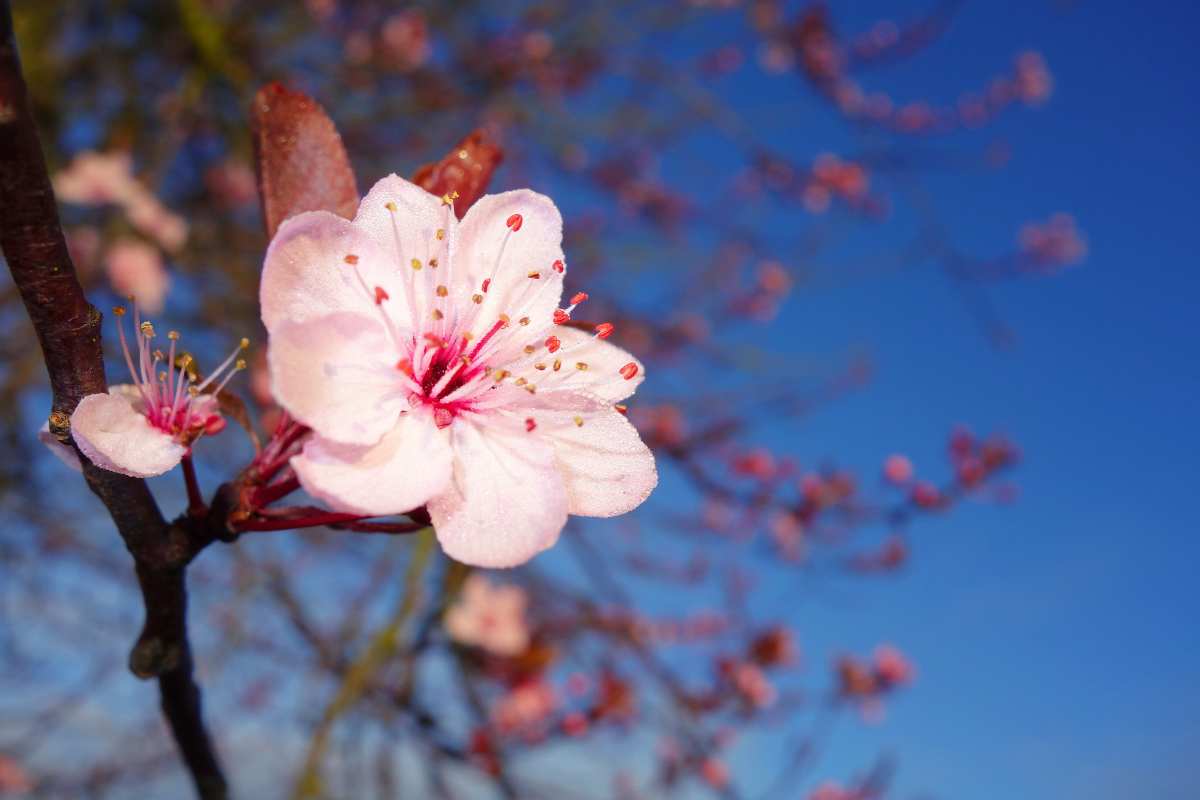
If your tree skipped this year, focus on next year’s buds starting now. Ensure full sun, correct pruning timing, balanced feeding, and steady moisture through summer. Protect swelling buds from surprise frosts. These small adjustments compound into the spectacle you expected.
Remember: stress today shows up as missing bloom tomorrow. Give the canopy what it needs each month, and you’ll step into Cherry Blossom Tree glory when the calendar flips to peak cherry blossom season.
Wrap-Up: Why It Didn’t Flower—and How to Fix It
Bloom failure usually means one or more of these: not enough sun, off-season pruning, nutrient imbalance, water stress, frost damage, or disease. Address those inputs and your Cherry Blossom Tree will respond. With patience and steady care, you’ll soon be celebrating under drifting cherry blossom petals.
If you’re nurturing multiple Cherry Blossom Trees, apply these steps across the row for a synchronized display. A resilient, well-sited cherry blossom plant pays you back with weeks of beauty and a front-yard moment people remember.
Enjoy More Garden Know-How
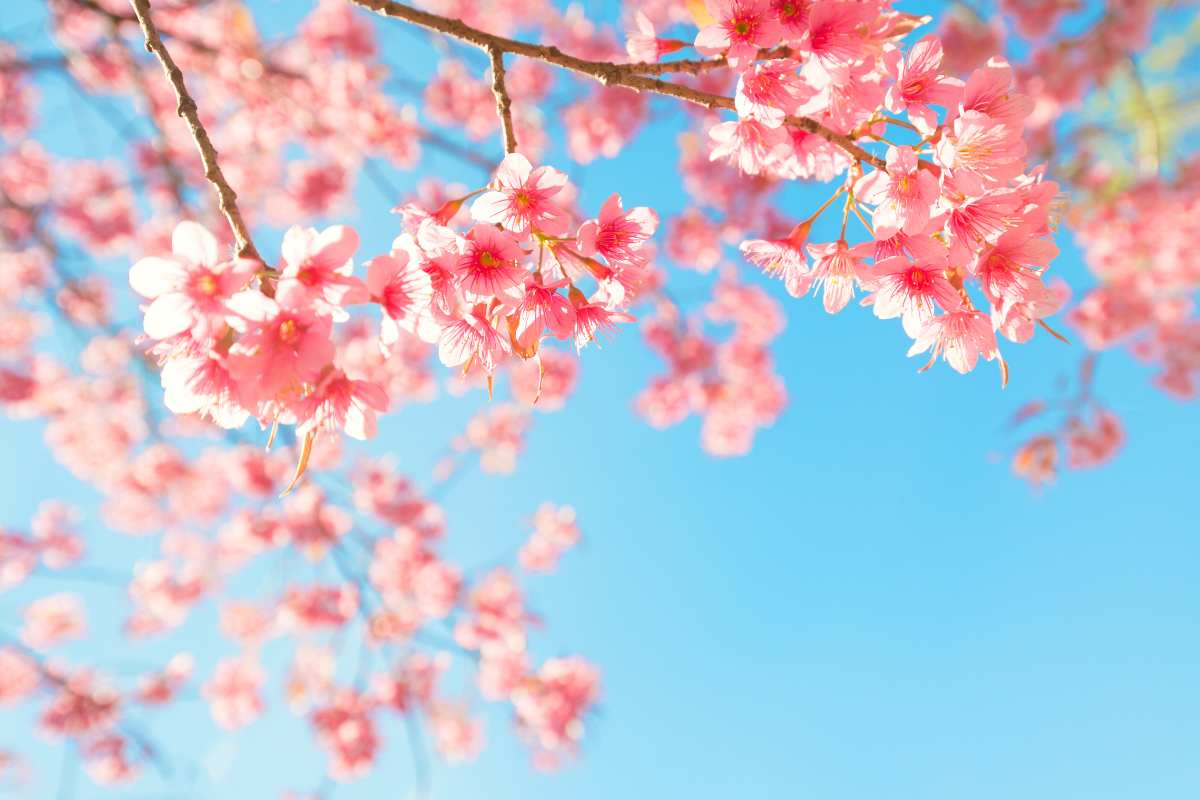
Want deeper planting, feeding, and pruning strategies for flowering trees and shrubs? Explore our latest guides and seasonal checklists to keep your landscape performing year-round.
More Gardening Tips 👇🏼👇🏼