
How to Plant the Enigmatic and Beautiful Purple Smoke Tree (Cotinus coggygria)


The Purple Smoke Tree (Cotinus coggygria) is a showstopper in any landscape, famed for its plummy foliage, billowing “smoke” plumes, and easy-care nature once established.
Whether you’re building a modern front garden or softening a backyard border, this small tree (or large shrub) rewards you with season-long drama and texture.
Below is a clear, step-by-step guide to choosing, planting, and caring for your smoke tree so it thrives for years.
Meet the Purple Smoke Tree
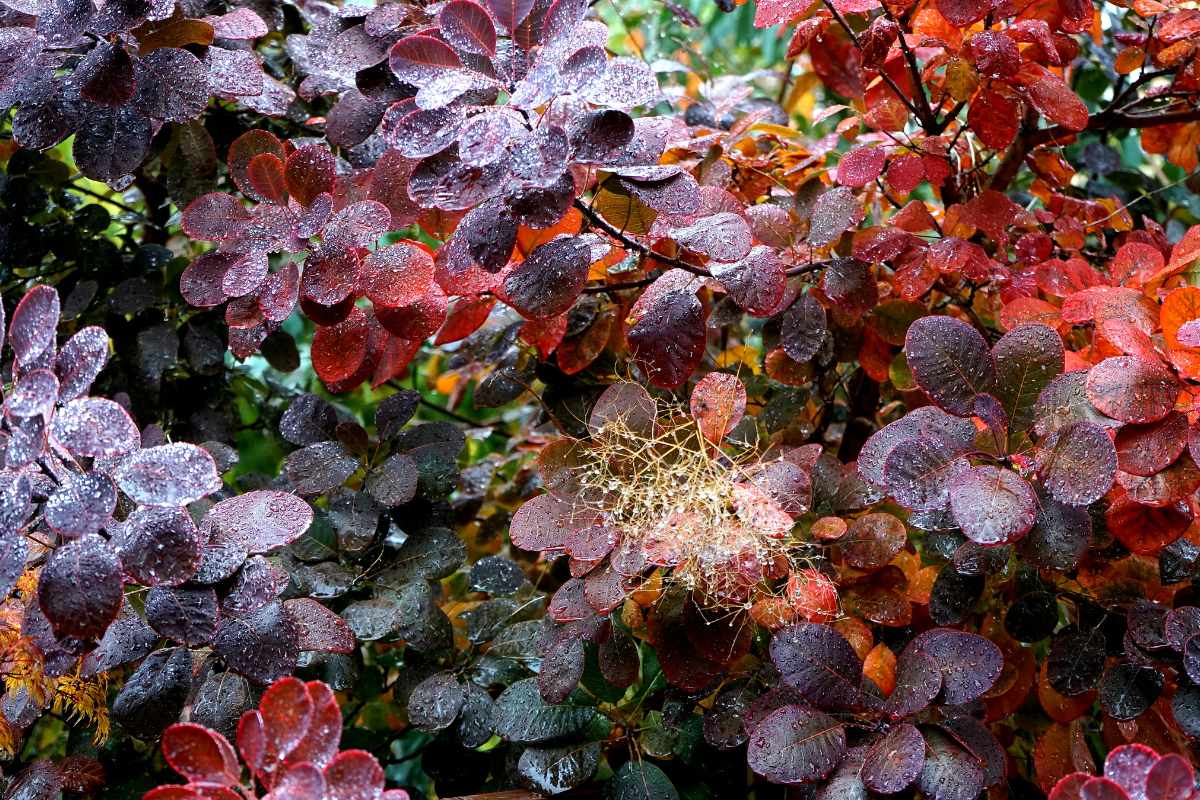

The Purple Smoke Tree is a deciduous member of the Anacardiaceae family, prized for rich burgundy leaves that deepen through summer and often turn fiery orange-red in autumn.
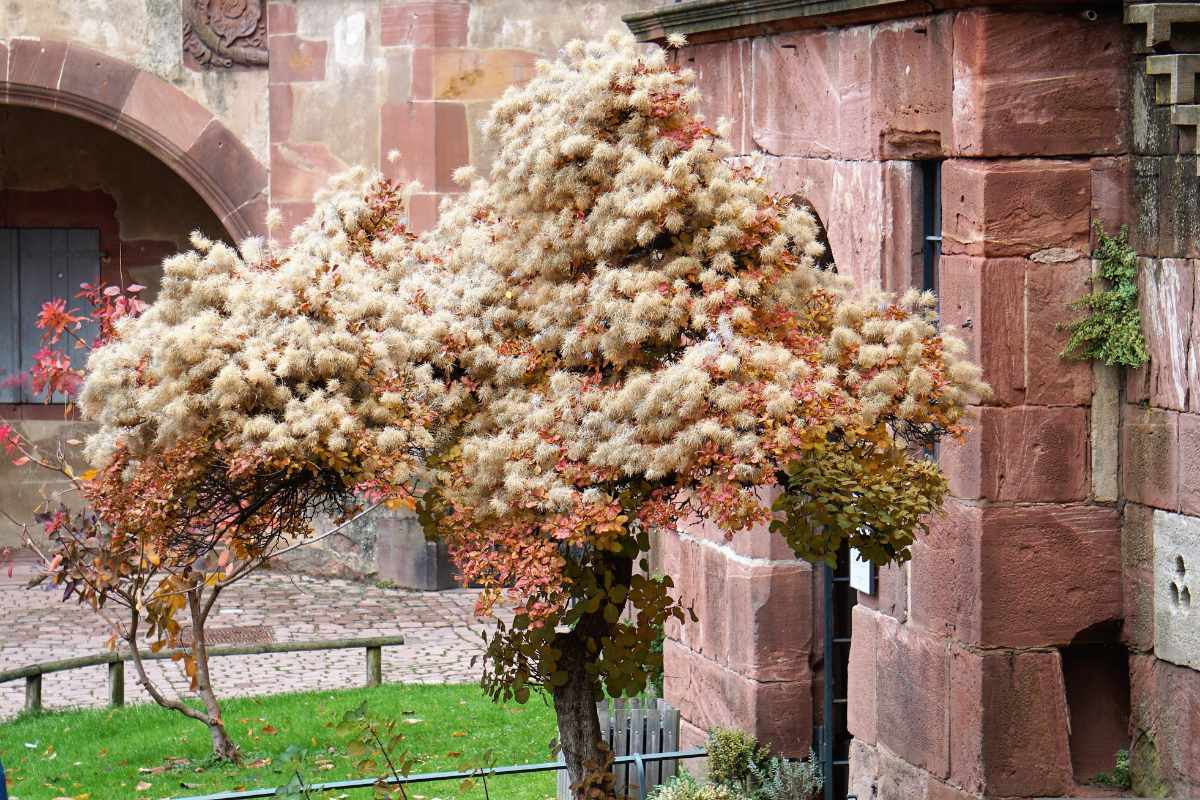
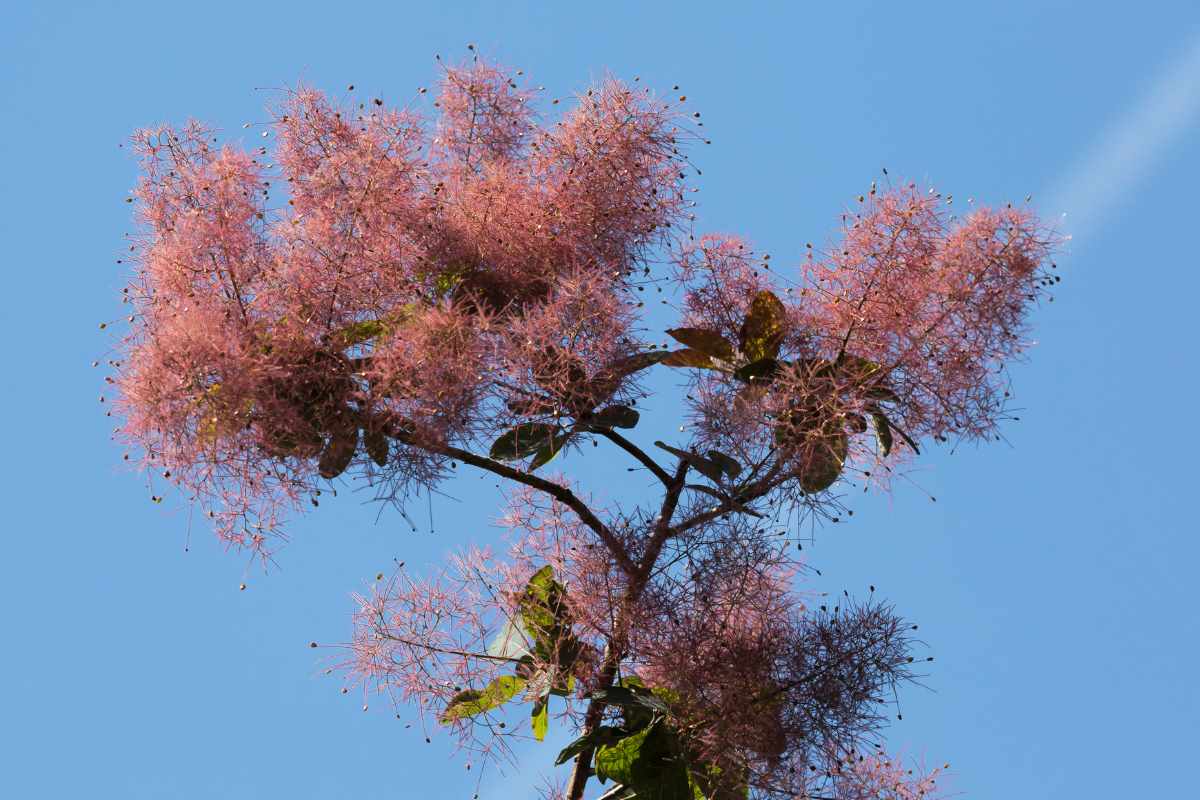
In late spring to early summer, spent flower clusters elongate into airy, filamented panicles that look like clouds of purple smoke drifting above the canopy.
Depending on cultivar and climate, mature size typically ranges from 3–4.5 m (10–15 ft) tall and wide, though compact forms stay closer to 1.5–2 m (5–6 ft).
Hardiness: generally USDA Zones 4–8 (cool-temperate to warm-temperate).
Habit: multi-stemmed shrub or can be trained into a small single-stem tree.
Best use: focal points, mixed borders, modern xeric gardens, large containers (compact cultivars).
Choose the Right Site
A smoke tree’s long-term success begins with site selection. Prioritize the following:
Sunlight: Aim for full sun—at least 6 hours of direct light daily. More sun equals deeper leaf color and more abundant “smoke.” In partial shade, foliage fades and blooming (and thus smokiness) declines.
Soil: The ideal soil is well-drained and moderately fertile. Smoke trees tolerate poor, rocky, or slightly alkaline soils, but hate soggy ground. If you have clay, ensure excellent drainage or raise the planting area.
Airflow: Adequate airflow helps leaves dry after rain and limits fungal issues. Avoid narrow wind tunnels that can desiccate new transplants, but don’t hide your smoke tree in stagnant corners either.
Space: Give your plant room to mature. Standard varieties need a 3–4.5 m (10–15 ft) diameter area; compact or dwarf forms can fit into smaller beds or large containers.
When to Plant

For most climates, the best times are early spring (after the ground is workable) or early autumn (6–8 weeks before the first hard frost).
These windows provide mild temperatures and even soil moisture, encouraging strong root growth before summer heat or winter cold.
How to Prepare the Soil
Good preparation pays dividends for decades:
Test drainage. Dig a 30–40 cm (12–16 in) hole and fill it with water. If water lingers longer than a few hours, improve drainage with coarse organic material and grit or consider a raised mound.
Amend thoughtfully. Work in well-decomposed compost to boost structure, but avoid creating a “pot” of rich soil surrounded by heavy native soil. Blend amendments broadly beyond the planting hole so roots venture outward.
Skip heavy fertilizer. The smoke tree is not a heavy feeder. Too much nitrogen can spur leggy growth and fewer plumes. Focus on soil health, not quick fixes.
Planting Step by Step

Set yourself up for success with these essentials:
1) Hydrate the root ball. If your plant is container-grown, water it thoroughly an hour before planting. For rootbound plants, gently tease circling roots so they don’t continue spiraling in the ground.
2) Dig wide, not deep. Make the hole 2–3 times wider than the root ball and no deeper than its height. The goal is to spread roots sideways into loosened soil.
3) Set at grade. Place the smoke tree so the top of the root ball sits level with surrounding soil (or 2–3 cm higher in heavy soils). Planting too deep is a common cause of decline.
4) Backfill and settle. Refill with native soil (plus broadly blended compost, if used). As you backfill, firm gently to remove large air pockets without compacting. Water halfway through and again at the end to settle soil around roots.
5) Mulch smartly. Apply a 5–8 cm (2–3 in) layer of organic mulch over the root zone to keep moisture even and suppress weeds. Keep mulch 8–10 cm (3–4 in) away from the trunk to prevent rot.
6) Stake only if necessary. In windy sites or with tall, top-heavy plants, stake loosely for one season. Allow a little movement to encourage strong trunks.
Watering: Get Establishment Right
During the first growing season, water deeply and consistently. Aim for one thorough soak weekly, adjusting for rainfall and heat.
Check moisture 10–15 cm (4–6 in) down; water when that zone begins to dry. Once established (usually by the second year), smoke trees become notably drought-tolerant, needing only occasional deep watering in extended dry spells.
Pro tip: Deep, infrequent watering encourages roots to reach down, producing a sturdier, more resilient plant.
Feeding and Mulching
You’ll rarely need fertilizer if your plant is in reasonably healthy soil. If growth seems weak after the first year, a light application of a balanced, slow-release fertilizer in early spring is enough.
Maintain that 5–8 cm mulch layer to moderate soil temperature, reduce weeds, and conserve moisture—one of the simplest, most effective care practices you can adopt.
Pruning for Form and More “Smoke”
Pruning is both art and strategy with Cotinus:
Timing: Do structural pruning in late winter to very early spring, before bud-break. You can also deadwood or remove damaged stems anytime.
Form choices:
- To keep a shrubby, cloud-like mass, simply thin out a few of the oldest stems at the base each year. This renewal pruning boosts vigor and maximizes flower panicles (more “smoke”).
- To create a small tree, select one sturdy leader and remove competing stems, gradually raising the canopy over 2–3 seasons.
Coppicing option: For huge, lustrous leaves and a bold foliage effect, some gardeners coppice (cut back hard to 30–60 cm / 12–24 in) in late winter.
Coppicing reduces or eliminates flowering that season, so use this method if foliage color is your main goal rather than plumes.
Key takeaway: For maximum “smoke,” favor light thinning and avoid cutting all new wood each year.
Cultivars Worth Knowing
Choosing the right cultivar aligns size, color, and bloom with your space:
- ‘Royal Purple’ – Classic deep purple foliage; reliable smoke and fall color; 3–4.5 m at maturity.
- ‘Young Lady’ – Compact habit with abundant plumes on a smaller frame, great for modest gardens or large containers.
- ‘Grace’ (hybrid) – Larger leaves with wine-to-copper tones, lush presence, and strong autumn color.
- ‘Winecraft Black’ – Rounded, compact habit; foliage shifts from purple to near-black, then to reds in fall; excellent for tighter borders.
- ‘Golden Spirit’ – A striking chartreuse/yellow leaf form; less purple “smoke” but glows in mixed plantings.
When space is limited, compact selections keep pruning minimal and proportions elegant.
Container Growing (Yes, You Can)

You can grow compact smoke trees in large containers for patios and terraces:
Pot size: Start around 50–60 cm (20–24 in) diameter with excellent drainage.
Medium: Use a sharp, well-drained potting mix (add coarse bark or perlite).
Watering: Containers dry out faster—check often in summer and water deeply.
Feeding: A slow-release, balanced fertilizer in spring is adequate.
Overwintering: In colder zones, insulate the pot or move it into a sheltered spot. Roots are more exposed in containers than in the ground.
Common Problems and Easy Fixes
Even resilient plants have occasional hiccups. Here’s how to respond:
Sparse or no “smoke.” The most common causes are insufficient sun, over-fertilizing, or pruning off the flowering wood. Move the plant to full sun, skip nitrogen-heavy feeds, and shift to light thinning in late winter.
Leggy growth. Often due to shade or excess nitrogen. Increase light and prune to encourage lateral branching. Renewal pruning over a couple of years can rebalance structure.
Leaf spots or mild mildew. Improve airflow, water at the base, and keep mulch tidy. Most foliar issues are cosmetic and subside with better cultural care.
Dieback on a stem. Remove affected wood to healthy tissue and disinfect pruning tools between cuts. If decline continues, assess drainage and planting depth—two frequent underlying culprits.
Pests. Smoke trees are generally unbothered, though occasional aphids or scale may appear. A strong water spray or horticultural oil during dormancy keeps populations in check.
Important note: Always wear gloves when pruning woody ornamentals and clean tools afterward. Good hygiene is a simple, powerful defense against disease spread.
Design Ideas That Make It Shine
To showcase the smoke tree’s drama, think in contrasts:
Foliage contrast: Pair the dark purple canopy with silver or blue-green companions—think lavender, catmint, or blue fescue. The color interplay makes both partners pop.
Form contrast: Surround the rounded, cloud-like silhouette with upright grasses (Calamagrostis, Miscanthus) or vertical perennials (veronicas, salvias) for an elegant rhythm.
Seasonal layering: Underplant with spring bulbs, then rely on summer perennials to bridge the season until the smoke tree takes the stage.
Backdrop strategy: A light-colored wall or fence serves as a perfect canvas for the smoky plumes, intensifying the effect at golden hour.
Sustainable Care for the Long Term
The smoke tree is a great choice for low-input landscapes:
- Once established, it’s drought-tolerant, needing minimal supplemental water.
- It thrives without heavy feeding—healthy soil and mulch will do.
- Pruning needs are modest; a brief session in late winter keeps it vigorous and neat.
- With resilience to poor soils and urban conditions, it’s a smart focal plant for eco-minded designs.
Troubleshooting Quick Reference
- Leaves pale, growth soft: Too much nitrogen or not enough sun. Reduce feeding and increase light.
- Few plumes: Shift pruning strategy (avoid cutting new wood), increase sun, and be patient—young plants sometimes “smoke” more after year two.
- Soggy site stress: Symptoms include yellowing leaves and dieback. Improve drainage or replant on a mound.
- Wind scorch on new transplants: Provide temporary windbreaks and consistent moisture during the first summer.
Planting the Purple Smoke Tree: A Simple Recap
Choose full sun and well-drained soil, plant wide and at grade, mulch carefully, and water deeply through the first season.
For maximal smokiness, adopt a light-handed pruning style in late winter and avoid over-feeding.
With these fundamentals in place, your Cotinus will repay you with decadent foliage, ethereal plumes, and four-season structure that elevates the entire garden.
A Final Word on the Purple Smoke Tree’s Magic
When you plant Cotinus coggygria well, you’re not just adding another shrub—you’re installing a living atmosphere machine.
The right site, a thoughtful planting, and consistent first-year care create the conditions for spectacular color and billows of smoke that seem to float in mid-air.
Keep your approach simple—sun, drainage, mulch, and mindful pruning—and this enigmatic beauty will become the signature plant your landscape is remembered for.
More Gardening Tips 👇🏼👇🏼