
5 Tactics To Grow Weeping Willow Tree


The graceful Weeping Willow Tree delivers instant drama—arched branches, glossy leaves, and soothing shade. If you want fast, healthy growth that lasts decades, start with a plan.
Below are five field-tested tactics to help any Weeping Willow thrive in real-world yards and parks.
These tactics blend horticultural best practices with practical shortcuts you can use this weekend. Whether you’re planting your first willow or renovating an old one, you’ll learn how site choice, planting, watering, pruning, and health checks work together for reliable results.
Tactic 1: Choose the Right Site From Day One

Success starts with location. Pick a spot with full sun (6–8 hours) and generous space—at least 40–60 feet from foundations, sidewalks, and septic lines. Willows are moisture lovers and their roots will explore widely, so distance prevents conflicts later.
Soil should be loamy to clay-loam and consistently moist. If your site is dry, position the tree where downspouts or swales concentrate water, or plan a dedicated irrigation zone. This mirrors natural riverbank conditions and jump-starts growth.
Wind exposure matters, too. Young trees bend easily; siting them with a windbreak (fence, hedge, or other trees) reduces stress and encourages straighter leaders in the first years.
Tactic 2: Plant With a Root-First Mindset

Dig a hole 2–3 times wider than the root ball but no deeper, so the root flare sits level with the surrounding soil. Roughen the sides of the hole to prevent glazing, then backfill with native soil (no heavy amendments). Water thoroughly as you fill to remove air pockets.
For container trees, gently tease out circling roots so they grow outward. Mulch 2–3 inches deep in a wide ring, keeping mulch off the trunk. This “root-first” technique speeds establishment and sets the frame for vigorous canopy growth.
Tactic 3: Manage Water and Soil Like a Pro

During the first two seasons, deep water 1–2 times per week, delivering moisture to 8–12 inches of depth. After establishment, taper to deep, infrequent soaks that align with rainfall. In wet climates, adjust to avoid waterlogging—consistent moisture, not constant saturation, is the goal.
Improve infiltration with a broad mulch ring and avoid compacting soil around the dripline. If you need more vigor, side-dress in spring with a balanced slow-release fertilizer or compost. Think of this as the engine behind steady, reliable growth.
These steps are the heart of effective weeping willow tree care in both suburban lawns and larger properties.
Tactic 4: Prune for Structure, Not Stress

In late winter, remove dead, rubbing, or inward-growing branches. Keep one central leader where possible and favor wide branch angles to resist storm damage.
Avoid heavy summer pruning—light touch-ups only—so the tree can focus on photosynthesis during peak growth.
Train early while branches are small; it’s safer for the tree and easier on you. A few well-planned cuts now prevent major removals later and preserve that iconic cascading silhouette.
Tactic 5: Stay Ahead of Pests and Disease
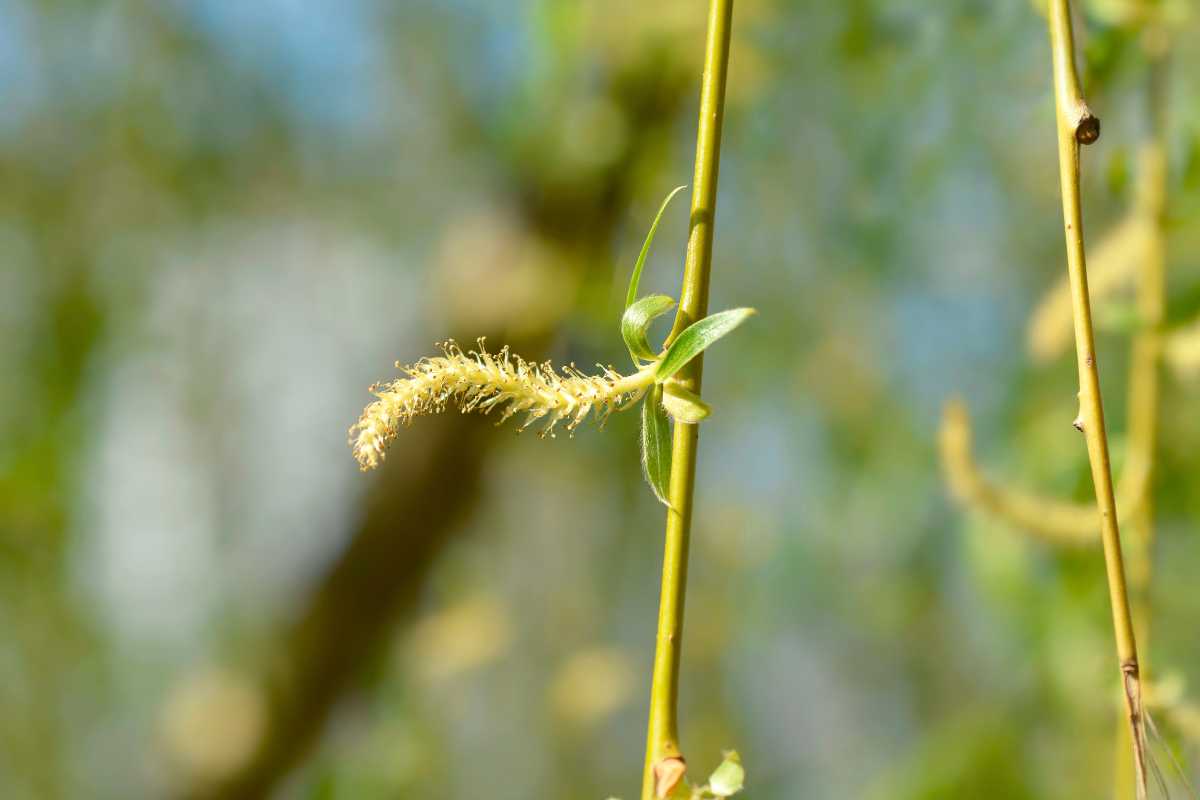
Healthy willows shrug off most problems, but vigilance pays. Watch for leaf spots, cankers, aphids, and borers. Good airflow from smart pruning, proper watering, and clean mulch edges lowers disease pressure dramatically.
At the first sign of trouble—wilting tips, dieback, or oozing bark—act quickly: prune affected wood back to healthy tissue, sanitize tools, and improve cultural conditions. Early responses protect long-term vigor and preserve the tree’s weeping form.
Weeping Willow Tree Care Essentials

Think like a botanist and like a homeowner. If you’re exploring how to grow trees efficiently, willows teach fundamentals: match species to site, prioritize root health, and water with intention.
Asking “how do trees grow best here?” leads you to sun, soil, and spacing first—fertilizer only enhances a well-chosen site.
Day to day, practical weeping willow tree care looks like this: keep mulch wide and shallow, water deeply in dry spells, prune lightly in winter, and scout monthly. Those small routines compound into rapid height gains and lush, pendulous branches.
If storms break a limb, make clean cuts just outside the branch collar and let the tree compartmentalize. Willows are resilient—quick attention prevents bigger structural issues.
Common Mistakes to Avoid

Planting too close to pipes or patios invites root conflict; give your tree room. Overwatering in heavy clay can starve roots of oxygen; improve drainage and water less often but more deeply. Over-pruning ruins form; aim for subtle shaping, not drastic cuts.
Another pitfall is fertilizing a stressed tree. Fix water and soil problems first; then, if growth still lags, add nutrients. Sequence matters—get the basics right and the rest is simple.
Bring Shade and Movement to Your Landscape

With these five tactics, a Weeping Willow Tree can establish quickly and perform beautifully for decades. From siting and planting to pruning and monitoring, each step compounds the next for reliable, graceful growth.
Want more practical guides and design ideas? Explore Urbaki Gardening for site-tested advice on how to grow trees, species picks for small yards, and seasonal checklists to keep your landscape thriving.
Ready to Start?
If this guide helped, continue with our tree-planting series and discover companion shrubs, lawn strategies under willows, and water-wise tips for resilient landscapes. Grow smarter, not harder—your future shade starts today.
More Gardening Tips 👇🏼👇🏼