
Olive Tree in Pot: Simple Care & Growing Tips


Dreaming of Mediterranean charm on your balcony or patio? An olive tree in pot is the perfect way to add silvery foliage, sculptural branches, and year-round character to small spaces.
With the right container, gritty soil, and smart watering, you can enjoy a beautiful potted olive tree indoors by a sunny window or outdoors in a warm, protected spot.
Choosing the Right Tree & Container

Start with compact or dwarf cultivars—these stay manageable and respond well to pruning. When growing an olive tree in a container, pick a pot 2–3 sizes larger than the nursery container, with generous drainage holes.
Terracotta breathes and discourages soggy roots, while lightweight resin pots are easier to move.
Use a coarse, fast-draining mix: think cactus soil blended with pine bark and a bit of perlite. This setup supports long-term olive tree care by preventing waterlogged roots.
Add a layer of mesh over the drain holes to keep mix from washing out, then raise the pot slightly on feet to improve airflow.
Light, Temperature & Placement
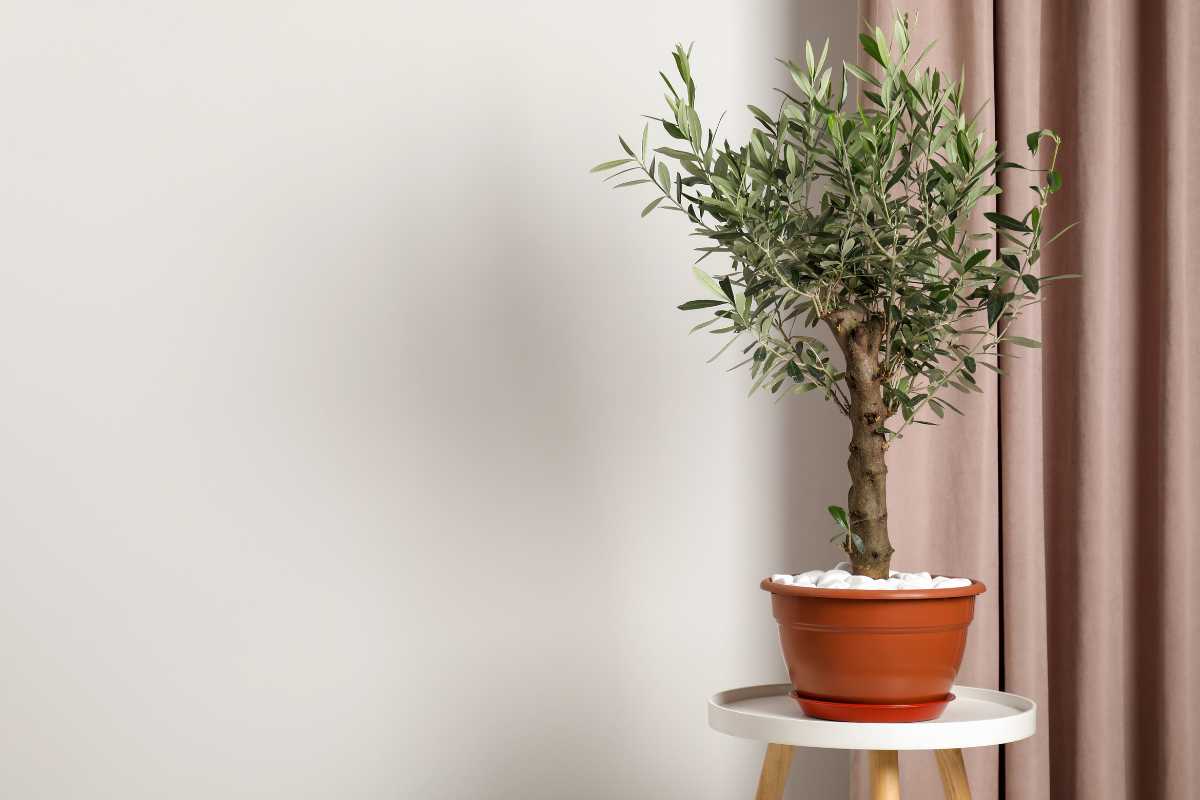
Olives adore sun. For a thriving potted olive tree outdoor, aim for 6–8 hours of direct light. On patios, place the tree where it catches morning sun and gentle afternoon rays. In cooler climates, wheels or a plant caddy make seasonal moves easier.
Indoors, position an olive plant indoor at the brightest south- or west-facing window you have. Rotate the pot every few weeks for even growth. If light is limited, supplement with a full-spectrum grow lamp set 12–18 inches above the canopy for 10–12 hours daily.
Watering & Feeding Made Simple
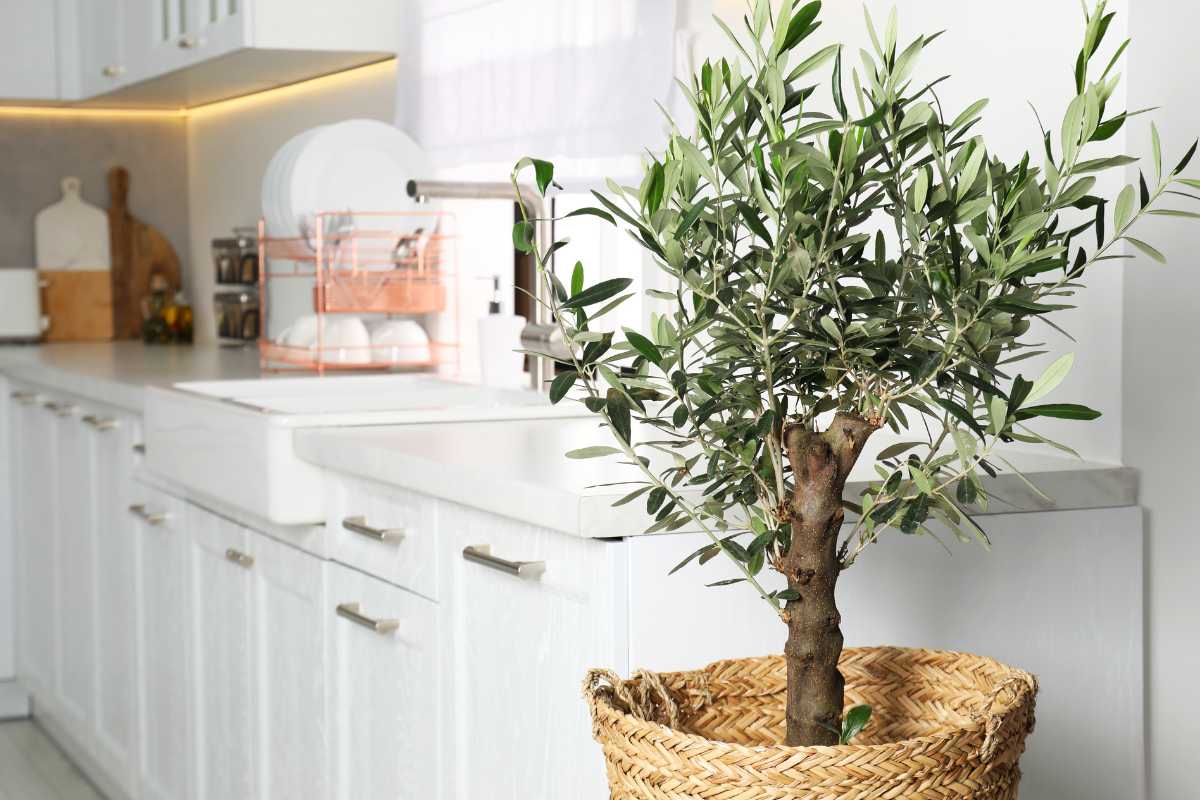
Let the top 2–3 cm (about an inch) of mix dry between waterings. Deeply soak until water exits the drain holes, then discard saucer runoff. Consistent, measured watering is central to olive tree care outdoor and indoor alike—overwatering is the fastest way to unhappy roots.
Feed lightly during active growth (spring through early fall) with a balanced, slow-release fertilizer. Container trees benefit from micronutrients like iron and magnesium; foliar feeds can boost leaf color. Pause feeding in winter to respect the tree’s natural rest cycle.
Pruning, Shaping & Repotting

Olives are naturally elegant, but light pruning keeps them compact. In late winter, remove weak, crossing, or inward-growing shoots.
Tip-prune to encourage branching, then choose either a single-trunk standard or a multi-stem look that suits a modern olive tree garden aesthetic.
Repot every 2–3 years or when roots circle the pot. Refresh the top third of mix annually to renew nutrients. With these olive tree growing tips, your tree keeps its tidy silhouette and healthy root system without constant up-potting.
Sun, Wind & Seasonal Care
Warm, dry breezes are fine, but extreme, desiccating wind can stress foliage. For a garden olive tree on an exposed terrace, add a windbreak or tuck the container near a wall. In regions with hard freezes, move the tree indoors before temperatures dip below -5°C (23°F).
When wintering inside, give your olive tree the brightest spot possible and keep it away from heat vents. Expect slower growth and water less frequently.
Come spring, acclimate gradually to outdoor sun over 7–10 days to prevent leaf scorch—an easy routine for anyone growing an olive tree in variable climates.
Design Ideas for Small Spaces

Olives pair beautifully with lavender, rosemary, and thyme for classic olive tree garden landscapes. Choose muted containers—stone, clay, or matte black—to highlight the silver leaves. Grouping pots of varying heights creates depth on decks and entryways.
If you’re crafting an olive tree in garden vignette, repeat textures: a gravel mulch, a weathered bench, and aromatic herbs. Even on balconies, a single specimen can anchor the scene and make a compact olive tree garden feel intentional and serene.
Flowering, Fruit & Realistic Expectations
Container olives can bloom and set fruit, but abundant harvests are less common in pots. Good light, a brief cool period in winter, and gentle spring breezes encourage flowers. Self-fertile varieties might still fruit better with a second tree for cross-pollination.
Focus first on structure and health. With steady how to take care of olive tree habits—sun, drainage, and measured feeding—you’ll enjoy year-round beauty, and any olives that appear are a delightful bonus.
Troubleshooting: Leaves & Pests

Yellowing leaves often signal overwatering or poor drainage. Check the root ball and adjust watering cadence. Brown tips can mean low humidity indoors; occasional misting or a pebble tray helps an olive plant indoor acclimate to heated rooms.
Watch for scale and spider mites. Treat early with insecticidal soap or horticultural oil, repeating weekly until clear. Healthy airflow, bright light, and clean foliage are preventative pillars of long-term olive tree care.
Quick Plan: Your First 90 Days
Week 1–2: Pot into a gritty mix, water deeply once, then wait until the top layer dries. Place the olive tree in pot where it gets strong light and gentle air movement.
Week 3–6: Begin light feeding, rotate the container, and pinch soft tips to encourage branching. This steady routine embodies practical olive tree growing tips for beginners.
Week 7–12: Assess roots, check drainage, and refine shape with a few selective cuts. By now you have a resilient, good-looking feature for patios and doorways—exactly what a modern garden olive tree should be.
Bring Mediterranean Style Home
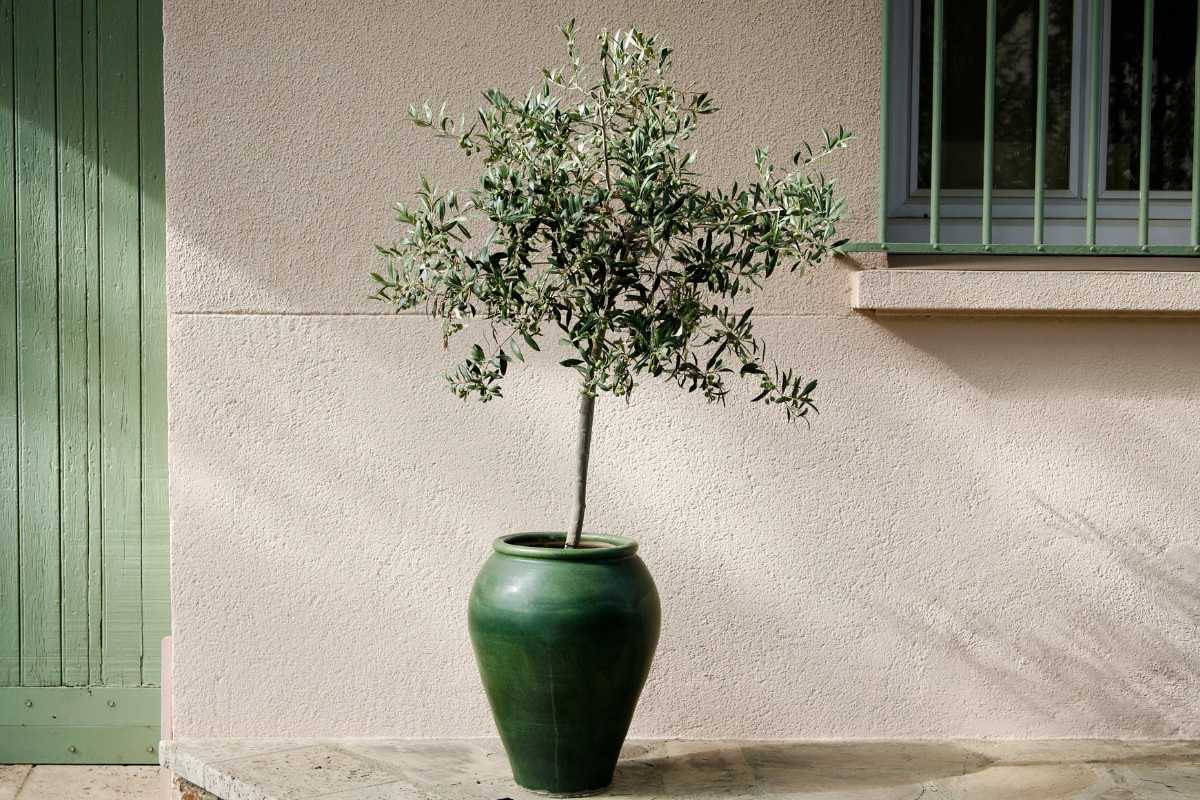
Whether you’re styling an apartment balcony or upgrading a patio, an olive tree in pot delivers sculptural beauty with modest care needs. From sun-soaked terraces to bright living rooms, it’s a versatile accent that elevates everyday spaces.
Ready to plant? Explore more container care, pruning tutorials, and design ideas on Urbaki Gardening to create your own timeless, low-maintenance oasis.
At-a-Glance Essentials
Light: 6–8 hours of direct sun. Soil: Gritty, free-draining mix. Water: Deep, infrequent soak. Feed: Lightly in spring–early fall. Style: Perfect for layered olive tree garden landscapes on patios and balconies.
More Gardening Tips 👇🏼👇🏼