
How to Grow the Red-Barked Dogwood Tree (Cornus sericea)


The Red-Barked Dogwood Tree, also known as Cornus sericea, is a stunning addition to any garden.
Its bright red stems stand out during the winter months, while lush green leaves and delicate white flowers enhance spring and summer landscapes.
This versatile tree is not only beautiful but also resilient, making it ideal for gardeners of all skill levels.
Choosing the Right Location
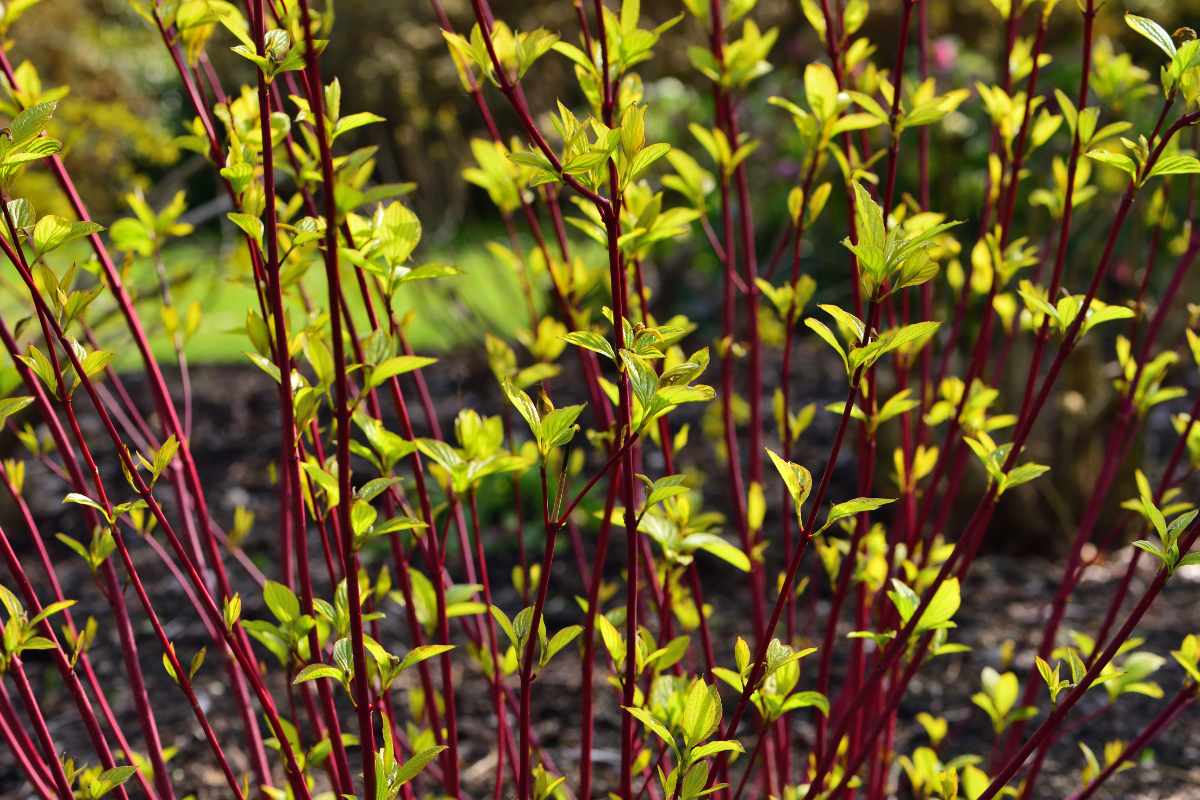
Selecting the right spot is the first step for a healthy dogwood. Cornus sericea thrives in full sun to partial shade, although brighter light tends to intensify the red coloration of the stems.
It prefers moist, well-drained soil and can tolerate occasional wet areas, making it perfect for planting near ponds or in naturalistic garden designs.
When planning placement, consider its mature size.
Most Red-Barked Dogwoods grow between 6 to 9 feet tall and 6 to 10 feet wide. Allow space for its spreading habit and multiple stems to develop naturally.
Planting Your Dogwood
Planting is straightforward if you follow a few key steps. Dig a hole about twice the width of the root ball, ensuring loose soil for easy root expansion.
Place the tree in the hole so that the top of the root ball is level with the surrounding soil.
Fill in with a mix of native soil and compost to give the young tree a nutrient-rich start.
Water thoroughly after planting to settle the soil and eliminate air pockets.
Applying a layer of mulch around the base helps retain moisture and suppress weeds, but keep it a few inches away from the trunk to prevent rot.
Caring for the Red-Barked Dogwood
Red-Barked Dogwoods are relatively low-maintenance, but consistent care ensures healthy growth and vibrant stems.
Watering and Soil Care
This tree prefers evenly moist soil, especially during the first two years while establishing roots.
In drier climates, supplement with weekly watering. Avoid letting the soil dry out completely, but also ensure proper drainage to prevent waterlogging.
Fertilization
A light application of a balanced, slow-release fertilizer in early spring supports leafy growth and enhances the bright stem color.
Avoid over-fertilizing, which can lead to excessive foliage growth at the expense of stem vibrancy.
Pruning for Vibrancy
Pruning is essential to maintain the iconic red color of the stems. Remove older stems each winter to encourage new shoots, which display the brightest red hues.
Also, trim any damaged or crossing branches to keep the tree’s shape open and attractive.
Seasonal Interest
One of the main appeals of Cornus sericea is its year-round visual impact.
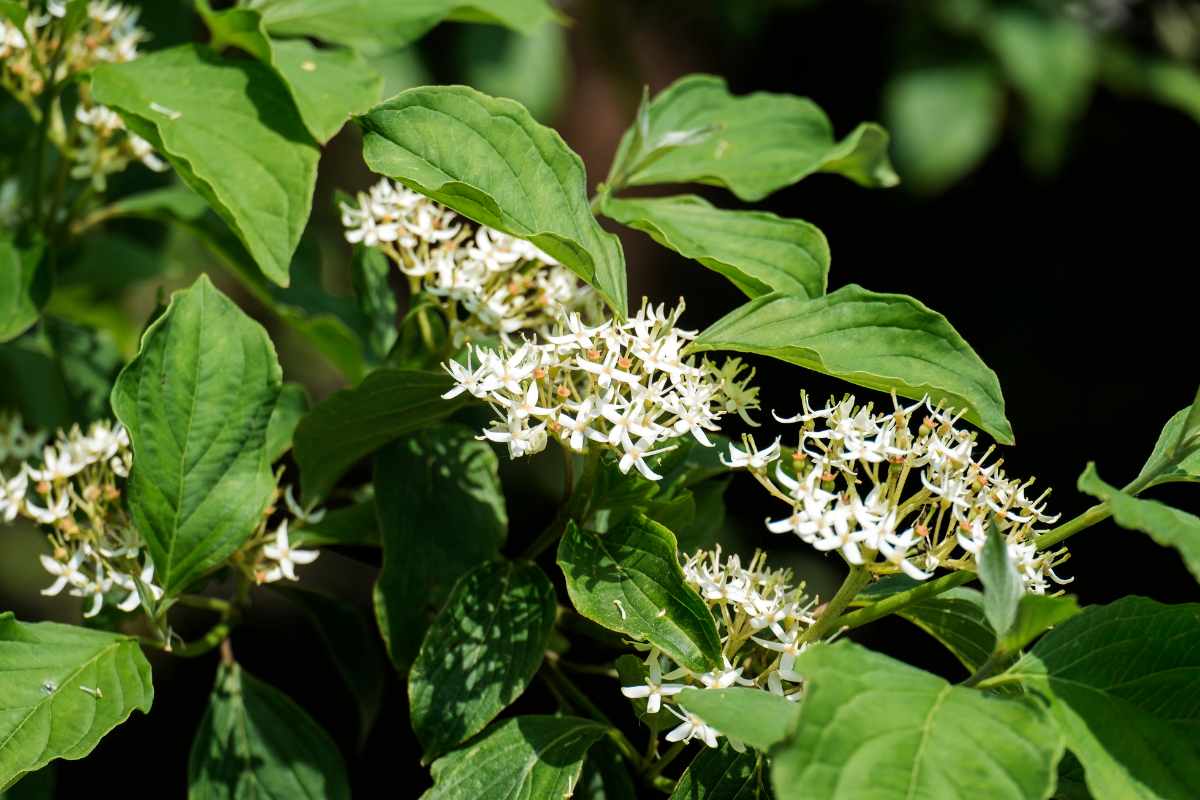
In spring, clusters of white flowers attract pollinators and add delicate charm to the garden.
Summer brings lush green leaves, while in autumn, foliage transforms into shades of orange and red.
Winter is when the tree truly shines, as the newly grown red stems contrast beautifully against snow or muted landscapes.
The multi-season appeal makes this tree ideal for natural borders, hedges, or focal points in both small and large gardens.
It also pairs well with ornamental grasses, perennials, or water-loving plants for a layered, dynamic look.
Wildlife Benefits
Beyond its aesthetic value, the Red-Barked Dogwood supports local wildlife.
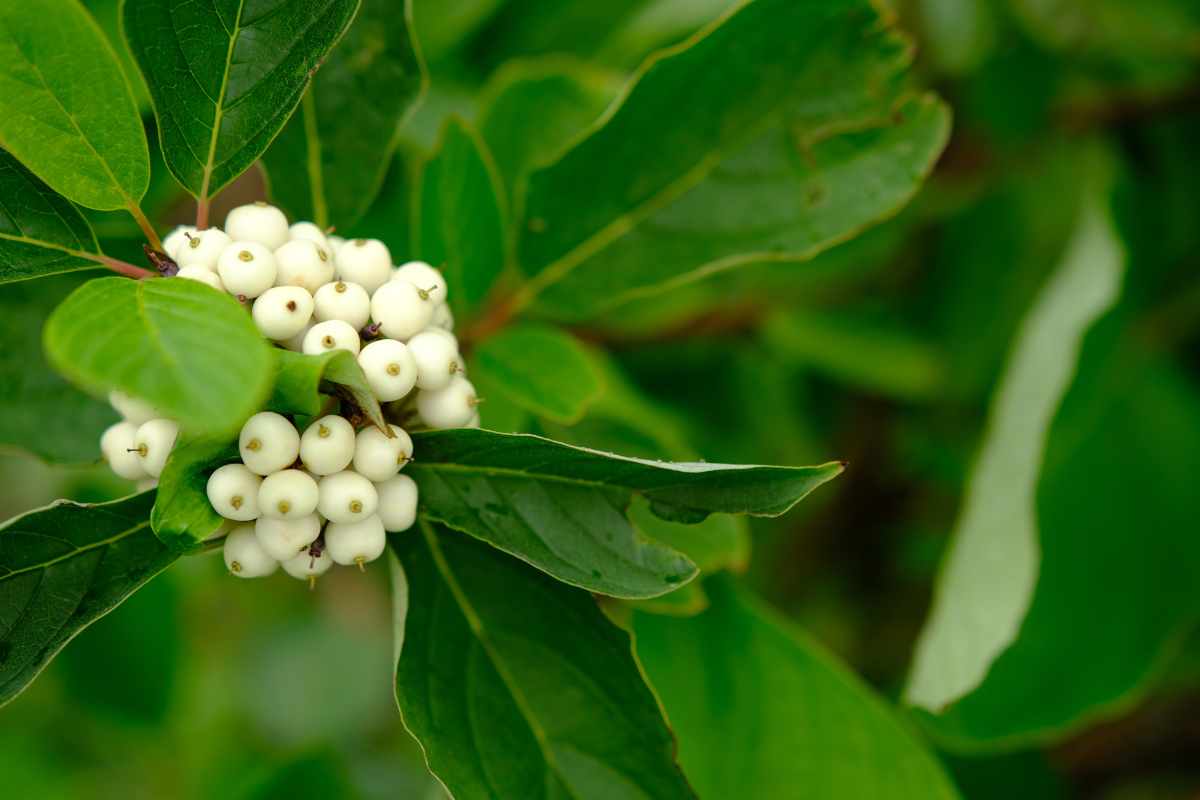
Birds feed on the berries produced in late summer, while insects enjoy the flowers.
Planting Cornus sericea can help create a mini wildlife habitat, adding ecological value to your outdoor space while enhancing its beauty.
More Gardening Tips 👇🏼👇🏼