
Planting Flowers for Beginners


If you’re new to gardening, Planting Flowers for Beginners doesn’t have to feel complicated.
With a few simple choices—the right light, a forgiving soil mix, sensible watering, and beginner-friendly plants—you can have real color quickly and keep it going through the season.
This guide gives you clear explanations (not jargon), practical picks that work, and gentle design rules that make any bed look intentional.
A Flower Garden You Can Actually Start
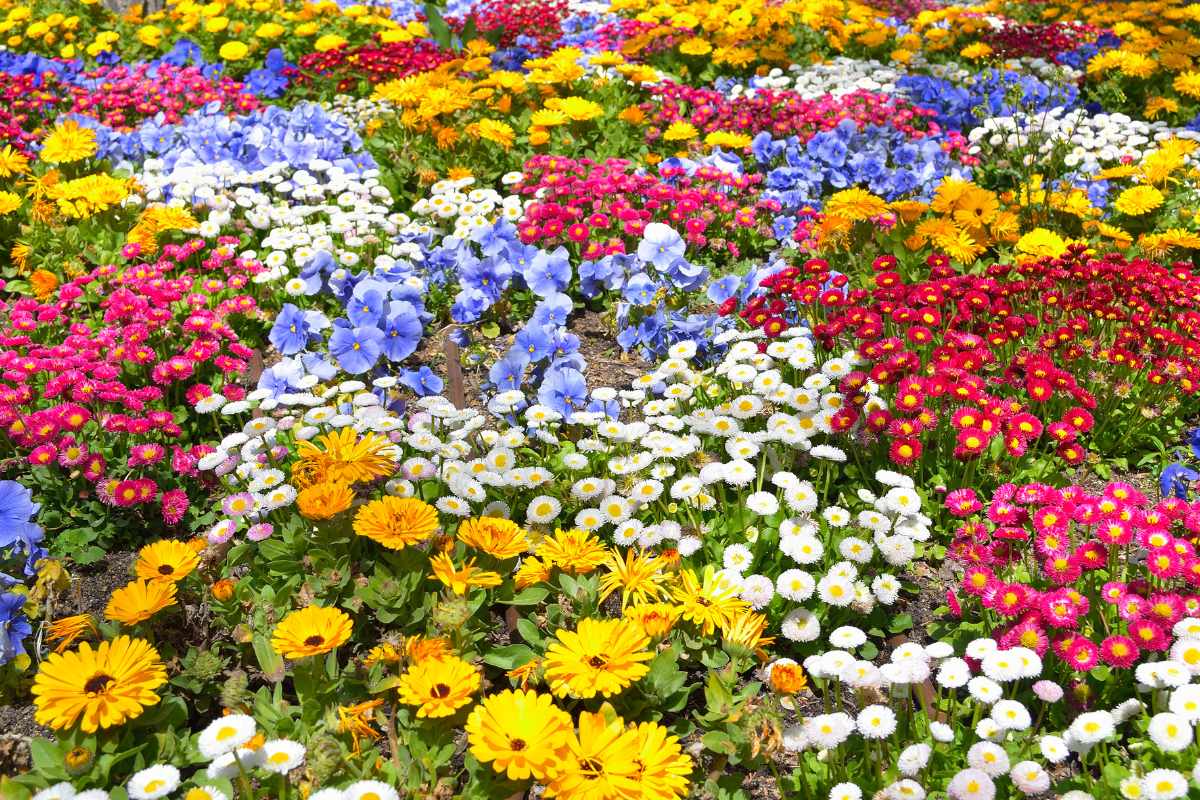
Think of your first flower patch as a small, feel-good project: a sunny corner by the porch, a pair of planters on the steps, or a narrow strip along the walkway.
Start small, learn what your space likes, and repeat what works.
The goal is reliable blooms with low stress, not perfection. As your confidence grows, you can scale up, try new varieties, and play with color.
Before You Plant: Sun, Soil & Space
Light, made simple
Most flowering plants love full sun—about 6+ hours of direct light daily.
Partial shade is 3–6 hours, and shade is under 3. Track your chosen spot for a day to see where the sun lingers.
If you have mixed light, group sun lovers together and shade fans together; don’t force compromises.
Soil that works
Flowers thrive in well-draining soil. In ground beds, loosen the top 20–25 cm and mix in finished compost to improve structure.
In containers, use a quality potting mix (not heavy garden soil) and make sure pots have drainage holes.
Good drainage means roots breathe, water moves through, and plants stay healthier.
Space and air
Give plants room to grow. Crowding traps moisture and invites disease.
Use spacing on the tag as a guide, and remember: a bit of air circulation keeps foliage dry and happy.
Resist the urge to “fill every gap” on day one—flowers bulk up faster than you think.
What to Plant First (Beginner-Friendly Picks)
Marigolds (Tagetes)

Durable annuals that bloom hard with minimal fuss.
They tolerate heat, handle average soil, and reward consistent sun with weeks of color.
Great for borders and edging.
Extra tip: Pinch early buds once to encourage bushier growth, and they’ll keep blooming even if you miss a watering now and then.
Zinnias
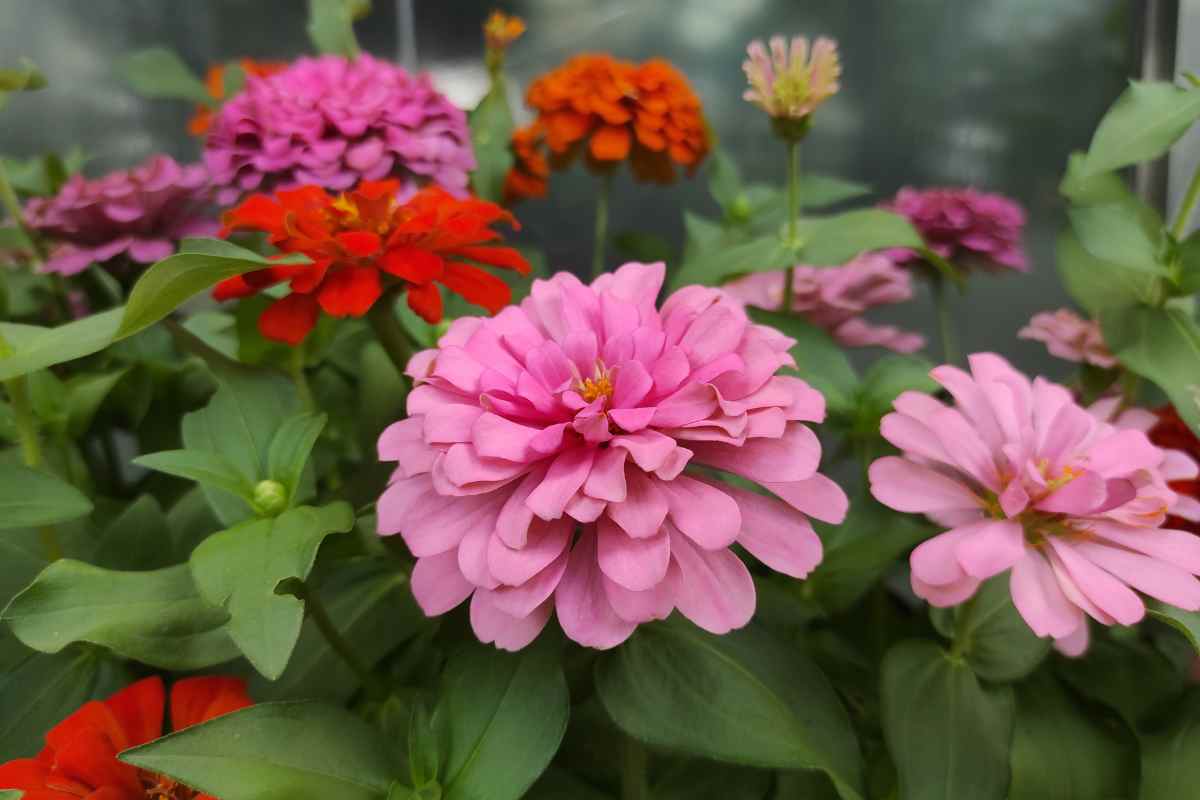
If you want quick wins and cut-flower joy, zinnias deliver.
They love full sun, warm soil, and regular deadheading. Expect bright, bold colors and sturdy stems ideal for vases.
Extra tip: Space plants generously for airflow to reduce powdery mildew, and cut stems often—zinnias are true cut-and-come-again performers.
Sunflowers
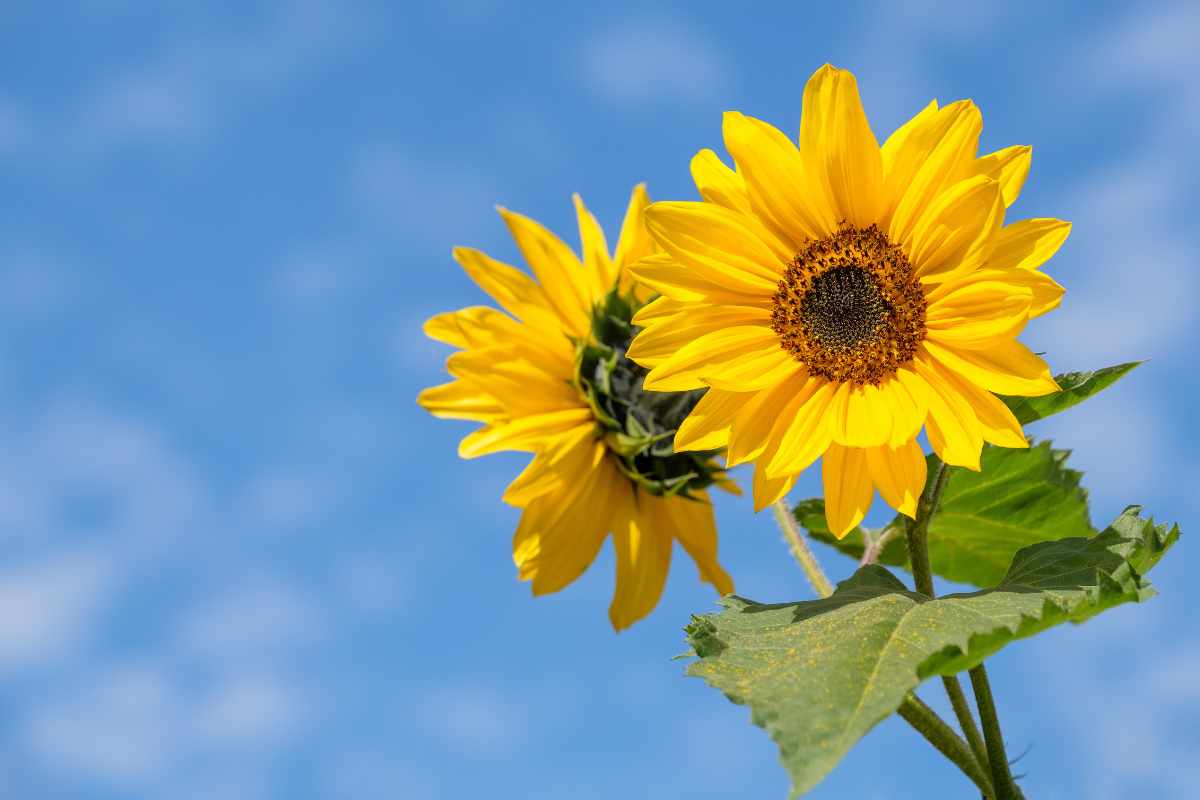
Cheerful, dramatic, and surprisingly easy from seed.
Give them full sun and a bit of space, and they’ll do the rest. Dwarf varieties fit small beds and containers.
Extra tip: Stake taller types in windy spots and, after blooming, leave seedheads in place—finches and other birds will thank you.
Nasturtiums
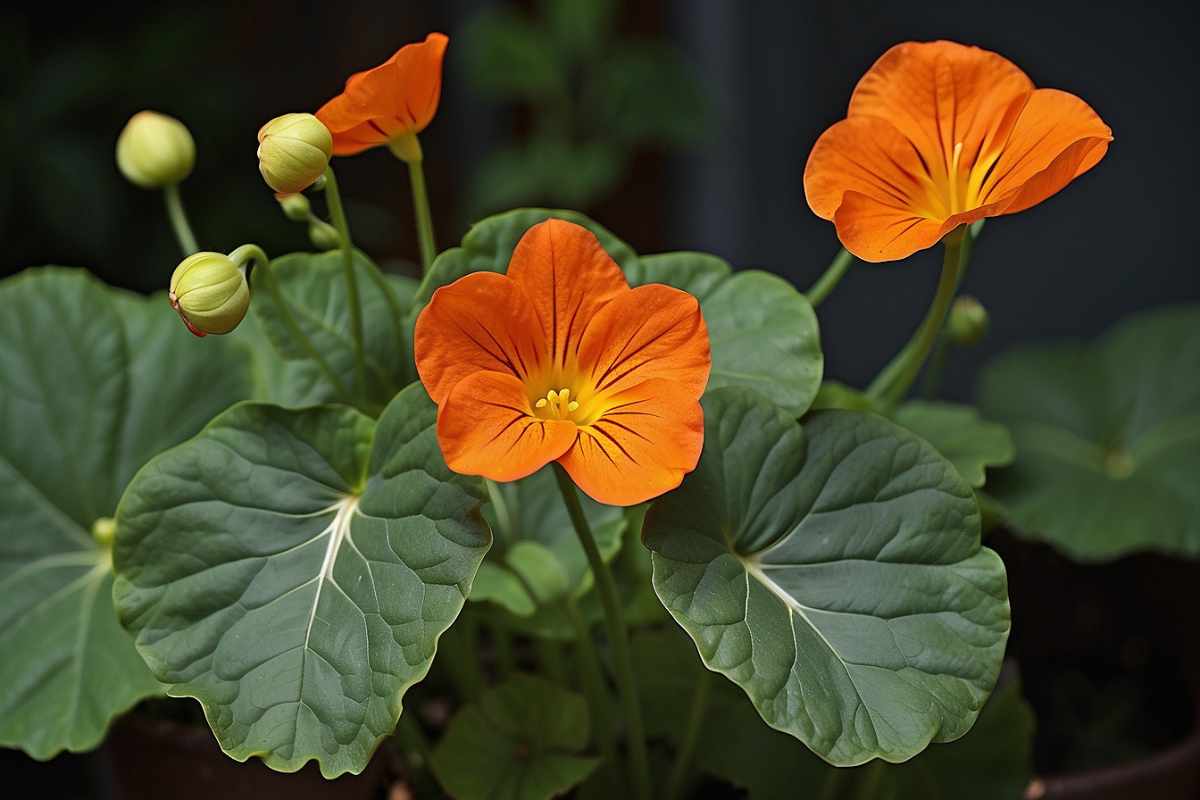
Trailing charmers with edible flowers and leaves that have a peppery bite.
They like sun to light shade, can handle poorer soils, and spill beautifully from pots or raised beds.
Extra tip: Excellent companion plants—they often attract aphids away from other flowers and actually prefer low-fertility soil.
Sweet Alyssum (Lobularia)
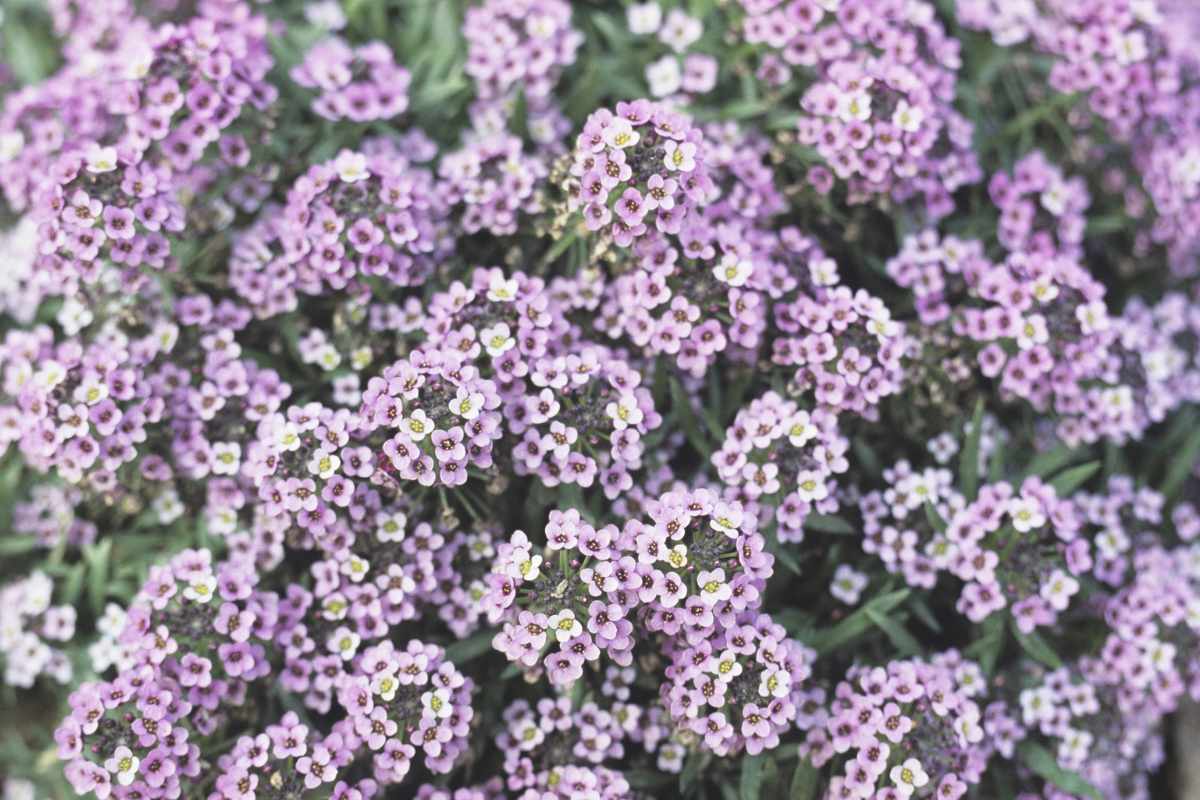
Low, fragrant mounds that knit edges together and attract pollinators.
They enjoy cooler conditions and regular moisture, making them lovely in spring and fall.
Extra tip: In summer heat, shear lightly to refresh blooms; in cool weather, their honey-scented fragrance is strongest.
Pansies & Violas

Cool-season favorites that bring instant color to beds and containers.
Forgiving and vibrant, they’re perfect for early spring and fall displays.
Extra tip: Give them afternoon shade in warmer regions to extend bloom, and note many blooms are edible—pretty garnishes for baking or salads.
Impatiens
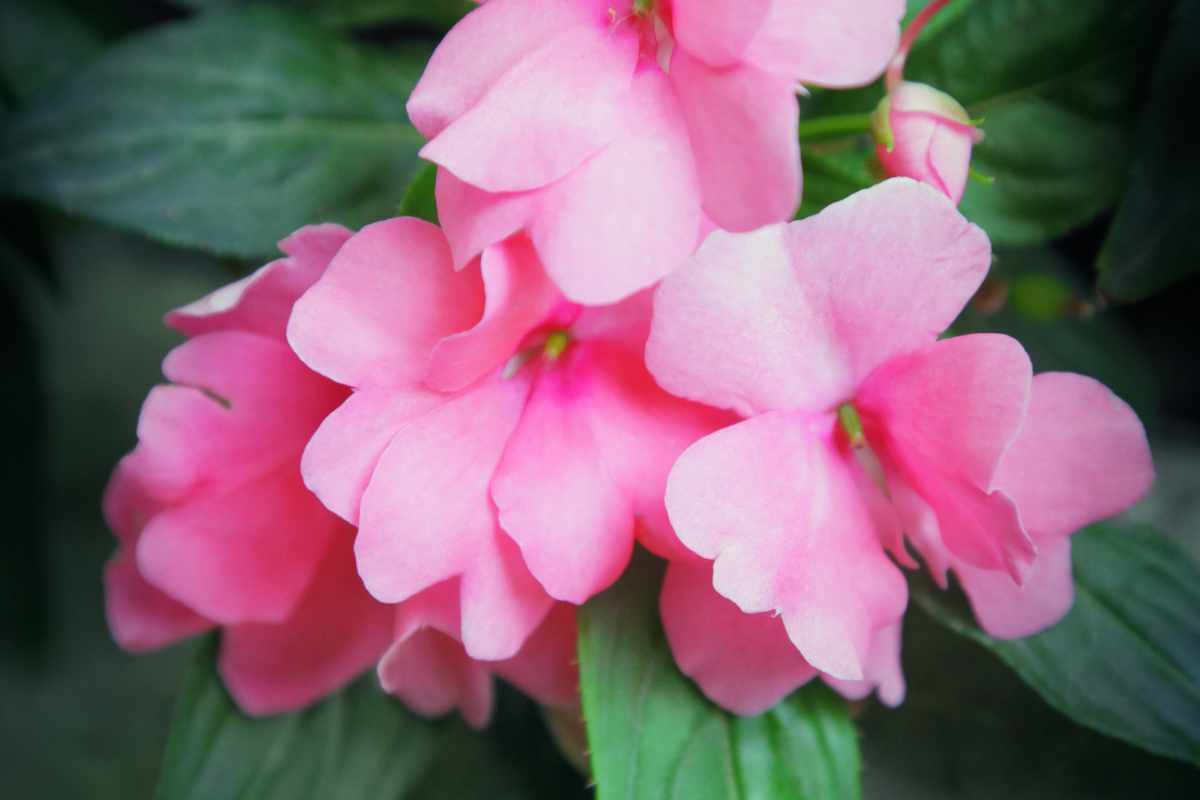
When you have shade, impatiens deliver carpet-like color.
They prefer consistent moisture and rich potting mix in containers, thriving in indirect light.
Extra tip: Look for modern downy-mildew-resistant series (e.g., Beacon, Imara) and keep soil evenly moist for uninterrupted color.
Seeds vs. Starts: Which Helps You Win Sooner?
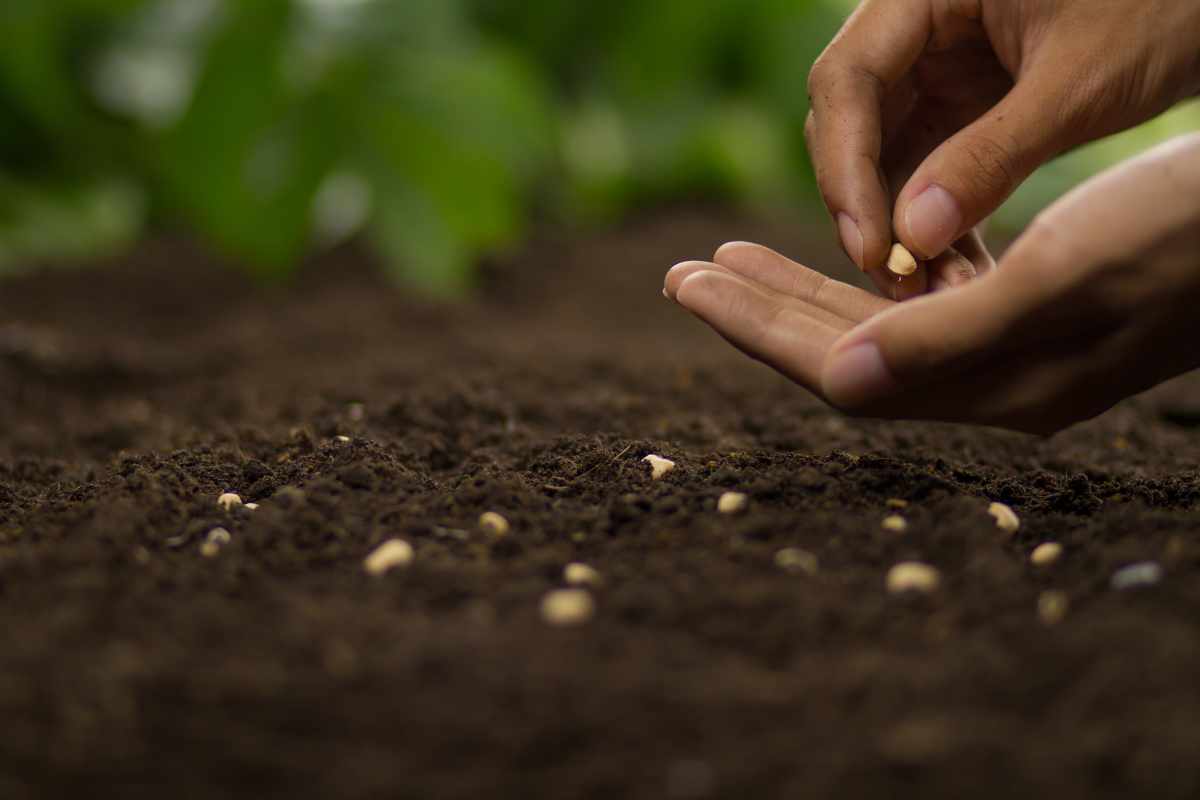
Seeds are budget-friendly and satisfying—zinnias, cosmos, nasturtiums, and sunflowers are famous “easy from seed” options.
Sow once the soil is warm, and you’ll see sprouts soon.
Starts (transplants) buy you time and certainty; they’re perfect for impatiens, pansies/violas, and marigolds when you want color right now.
A smart beginner strategy is mixing both: start a handful of quick seeds and fill gaps with a tray of ready-to-plant starts.
A Simple Seasonal Game Plan
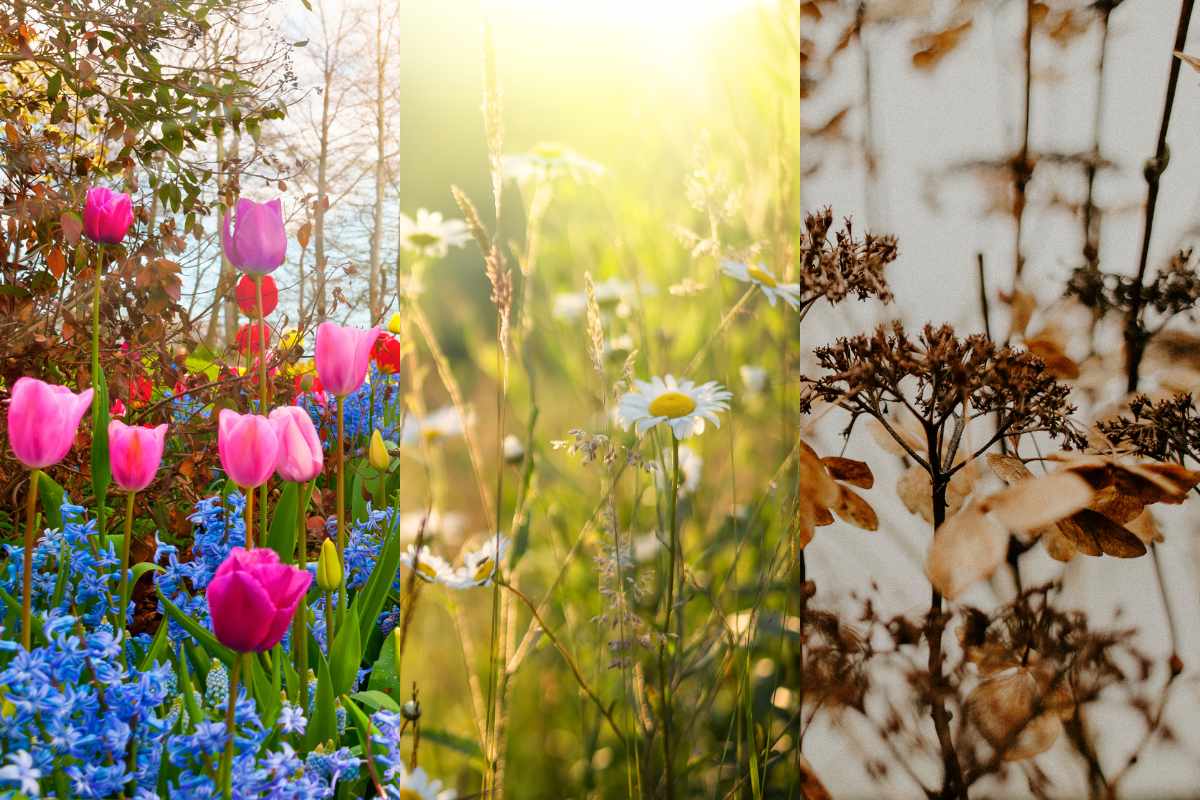
Spring
Prep beds, refresh containers with a new mix, and plant cool-friendly choices (pansies, violas, alyssum).
Once frost danger passes and the soil warms, it’s prime time for zinnias, cosmos, marigolds, and sunflowers.
After planting, water deeply to settle roots, then mulch lightly to steady soil moisture.
Summer
Heat rewards sun lovers.
Focus on deep, infrequent watering to encourage strong roots—more like a thorough soak than a daily sip. Remove spent blooms (deadheading) to keep the show going.
A light midseason feed helps heavy bloomers, but avoid overdoing nitrogen—it grows leaves, not flowers.
Fall
Cooler nights revive pansies, violas, and alyssum.
This is also when many gardeners tuck in spring-blooming bulbs.
Keep containers watered until consistent rain returns, and leave healthy seedheads for birds if you enjoy a more natural look.
Design Basics That Always Look Good
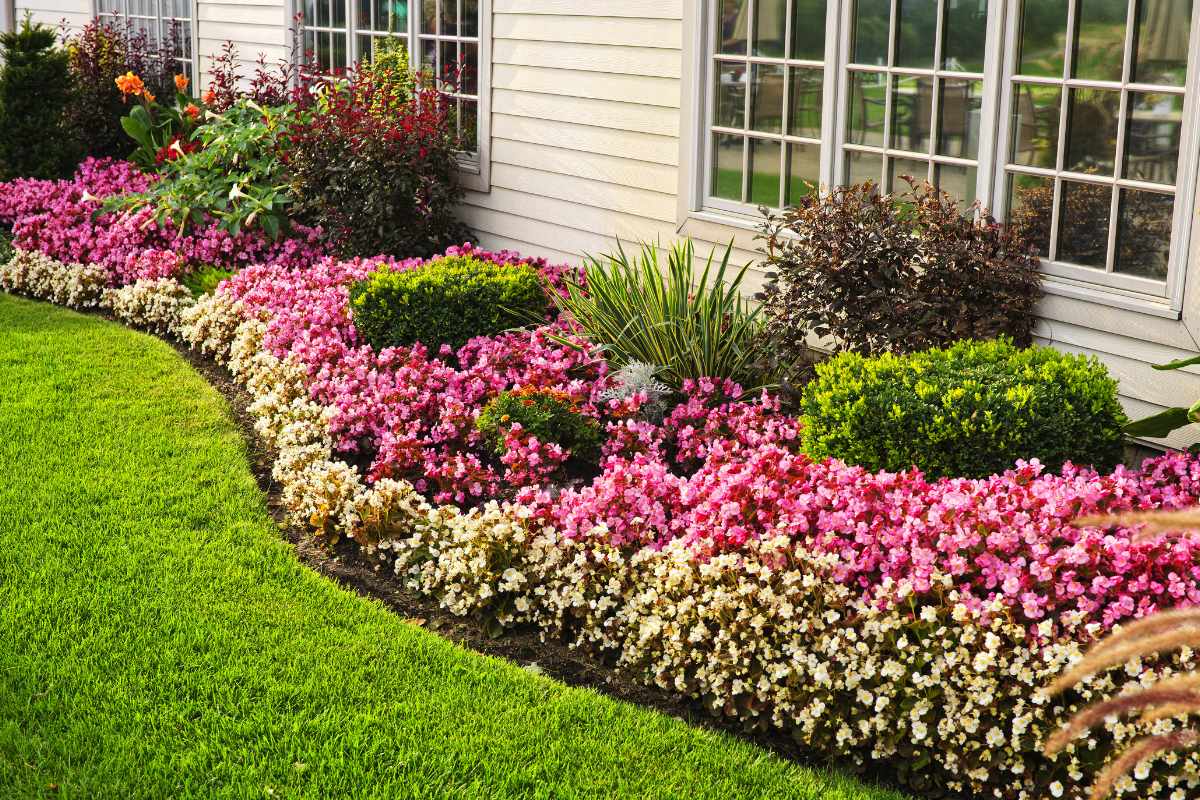
Start with a tiny plan you can sketch in a minute: tall in back, medium in the middle, low in front for beds against a wall; in round beds and pots, put the tallest in the center and step down toward the edges.
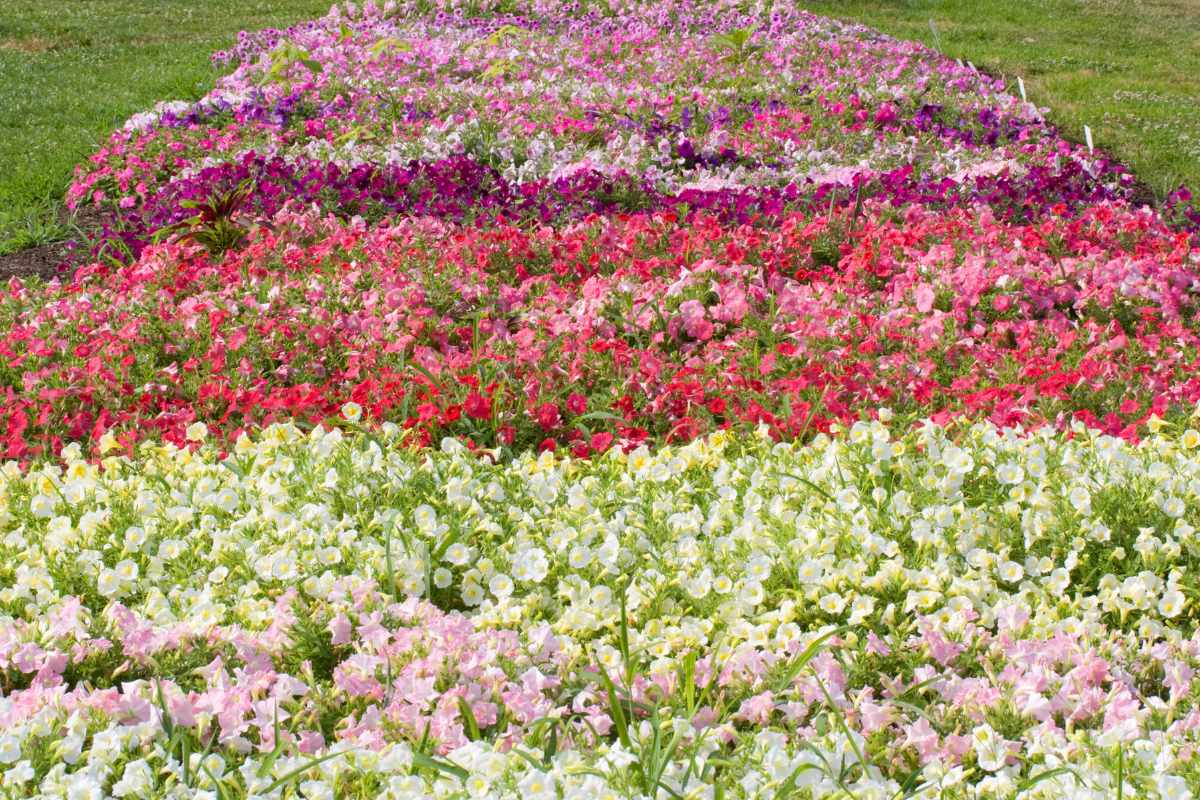
Limit your palette to two or three colors plus green for cohesion. Repeat plants along the bed to create rhythm—your eye reads repetition as calm and intentional.
Clumps of odd numbers (3, 5) generally look better than even pairs.
And remember scale: small spaces usually look best with fewer varieties in bigger groups rather than one of everything.
The 7 Beginner Mistakes (and Quick Fixes)
Watering “a little every day”
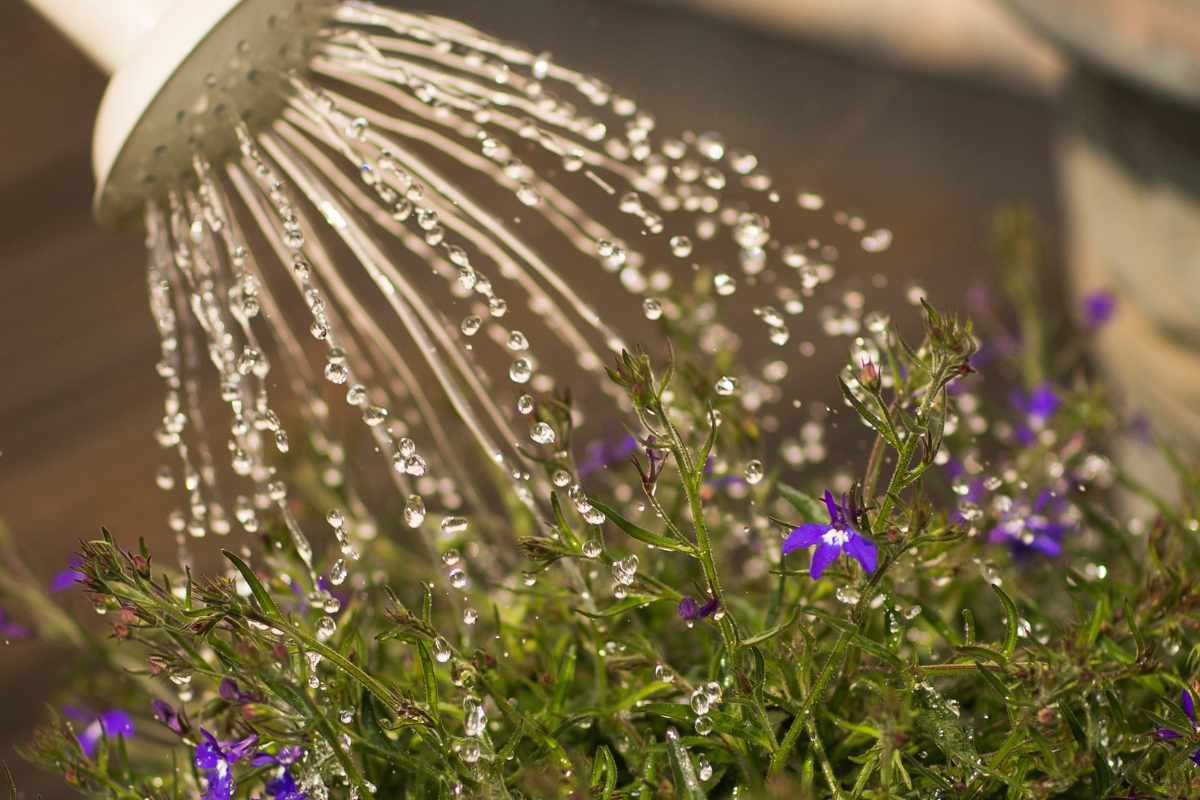
Shallow sips train shallow roots. Water deeply, less often, letting the top few centimeters dry between sessions. Your plants will be sturdier and more resilient in the heat.
Planting too close
Tight spacing blocks airflow and invites mildew. Honor spacing guidelines; if a tag says 30 cm, give it 30 cm. Your future self will thank you.
Ignoring drainage
No drainage holes = soggy roots. Use containers with holes and a well-draining mix. In ground beds, loosen compacted soil and avoid low spots that stay wet.
Mixing sun lovers and shade lovers
“Half-happy” plants underperform. Group by light needs, so each selection gets what it wants.
Overfeeding
More fertilizer doesn’t mean more flowers. Too much nitrogen produces lush leaves and fewer blooms. Use a balanced, gentle feed sparingly, or rely on compost and mulch.
Watering late over the foliage
Wet leaves overnight can encourage disease. If you can, water early in the day and aim at the base of plants, not the leaves.
Going too big, too fast
Large beds magnify mistakes. Start small, learn your space, repeat what works, and expand with confidence.
Keep Going: Grow Confidence With Every Bloom
Your first season is about learning what your space loves—how the sun moves, how quickly soil dries, which flowers thrill you most.
Stick with beginner-friendly plants, water deeply instead of often, keep airflow in mind, and don’t overthink fertilizer.
Small successes compound fast, and each flush of color teaches you something for the next bed or pot.
When a combo works, repeat it. When a plant struggles, swap it for a better fit.
Save a picture of your layout, jot a few notes, and you’ll head into the next season with a plan—and a garden that looks more intentional every week.
Pin or bookmark this guide so you can glance back before your next nursery trip.
With clear light, good soil, sensible spacing, and the right flowers, your “beginner” garden will look anything but.
Enjoy This Video Tutorial
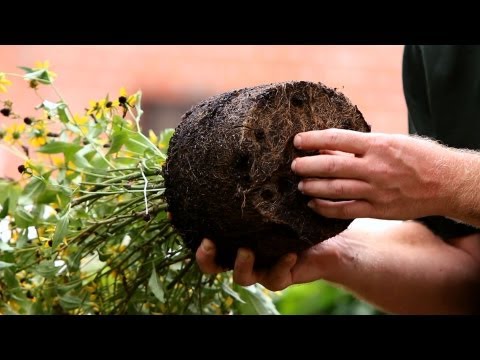
Source: Howcast
Don’t forget to Subscribe to our Newsletter to receive amazing tips and tricks about Gardening and the FREE Ebook Green Living Strategies!
Did you find this post Useful or Inspiring? Save THIS PIN to your GARDENING Board on Pinterest! 😊

Once again, thank you for visiting our website!
We hope you've enjoyed exploring the content we've created for you.
Give yourself the chance to learn, get inspired, and have even more fun, keep browsing...
More Gardening Tips 👇🏼👇🏼