
Learn How to Repotting a Bonsai Tree


Repotting your bonsai tree is a crucial step in maintaining its health and aesthetic appeal.
Whether you're a beginner or an experienced gardener, understanding when and how to repot your bonsai is essential for promoting strong root growth, improving soil quality, and allowing your tree to thrive.
This guide will walk you through the process of repotting your bonsai tree, including the best time, essential tools, and expert tips.
When Should You Repot a Bonsai Tree?
The best time to repot a bonsai tree is during its dormant season, typically in early spring, just before new growth begins.
Repotting during this time reduces the risk of stress on the tree, as it allows the roots to establish in the new soil before the tree starts growing again.
However, the exact timing can vary based on the species of bonsai you own.

Signs that your bonsai needs repotting include:
The roots are growing out of the drainage holes.
The soil has become compacted and is no longer draining well.
The tree has outgrown its current pot.
The roots appear to be circling the edges of the pot.
Tools You'll Need
Before you begin, gather the following tools:
Bonsai Pot: Choose a pot that is slightly larger than the current one but not too large, as bonsai trees prefer a snug environment.
Pruning Shears: Used for trimming any damaged or overgrown roots.
Root Hook or Chopstick: For loosening and untangling the roots.
Well-Draining Soil: Bonsai trees need soil that allows for proper drainage. A mix designed for bonsai trees is ideal.
Watering Can: To moisten the soil before and after repotting.
Step-by-Step Guide to Repotting Your Bonsai Tree
1. Prepare the New Pot and Soil
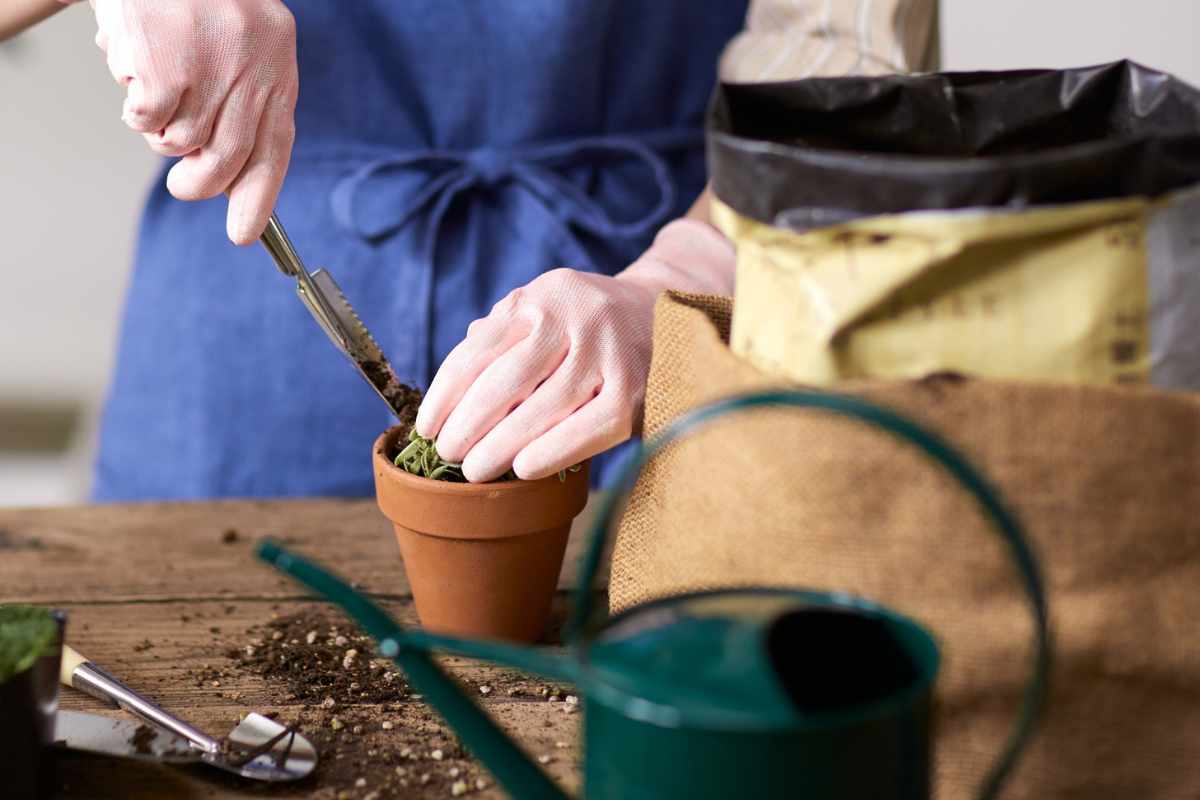
Begin by preparing your new bonsai pot and filling it with a layer of well-draining soil.
This layer acts as a base to support the roots. If your pot has drainage holes, ensure they are clean and unobstructed to allow water to flow freely.
2. Remove the Bonsai Tree from Its Pot
Gently remove the bonsai tree from its current pot by tipping it sideways and gently pulling the tree out.
Be careful not to damage the roots. If the tree is stuck, gently tap the sides of the pot or use a root hook to loosen the tree.
3. Inspect and Trim the Roots
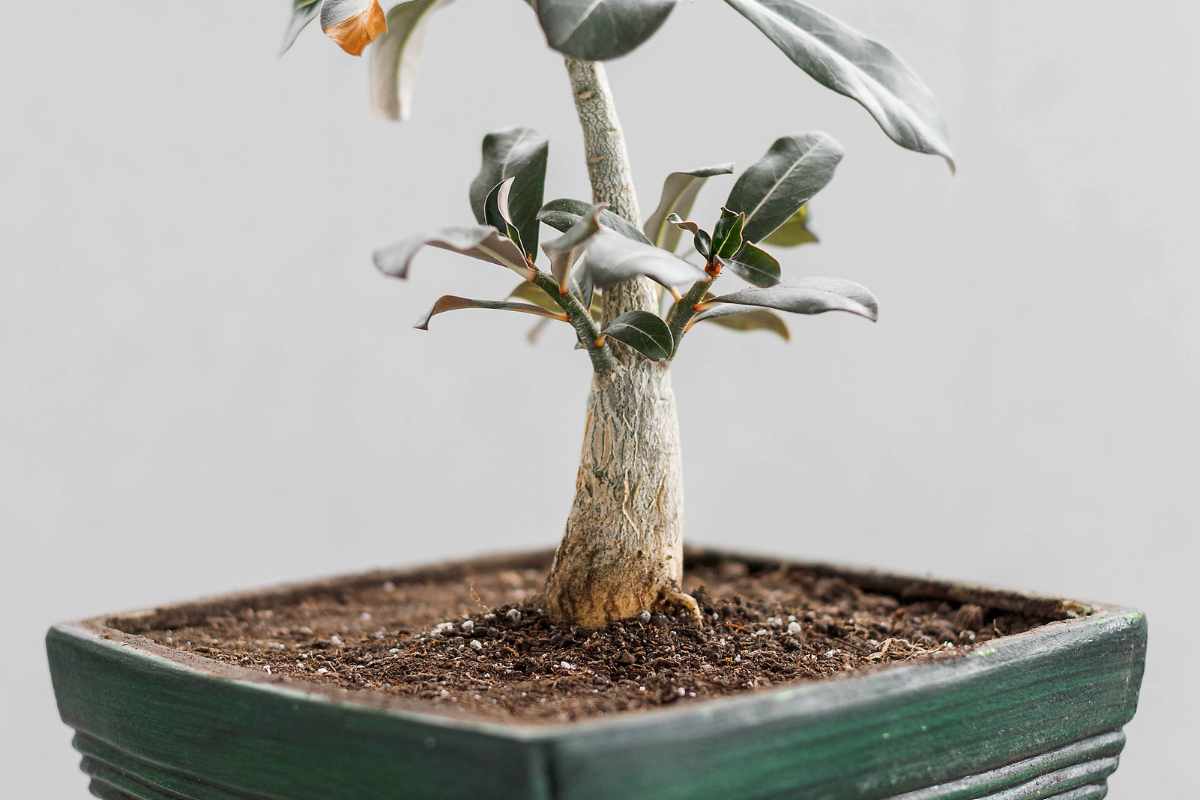
Once the tree is free, carefully inspect the roots.
If they are circling the pot or appear overcrowded, trim them back by about 1/3 to encourage new growth. Remove any dead or damaged roots with your pruning shears.
This step is vital for maintaining the tree’s health.
4. Prepare the Roots for New Soil
Gently tease apart any tangled or bound roots using a root hook or chopstick.
Be sure to loosen the soil around the roots and remove any old, compacted soil. This will allow the new soil to integrate well with the roots.
5. Place the Bonsai in the New Pot
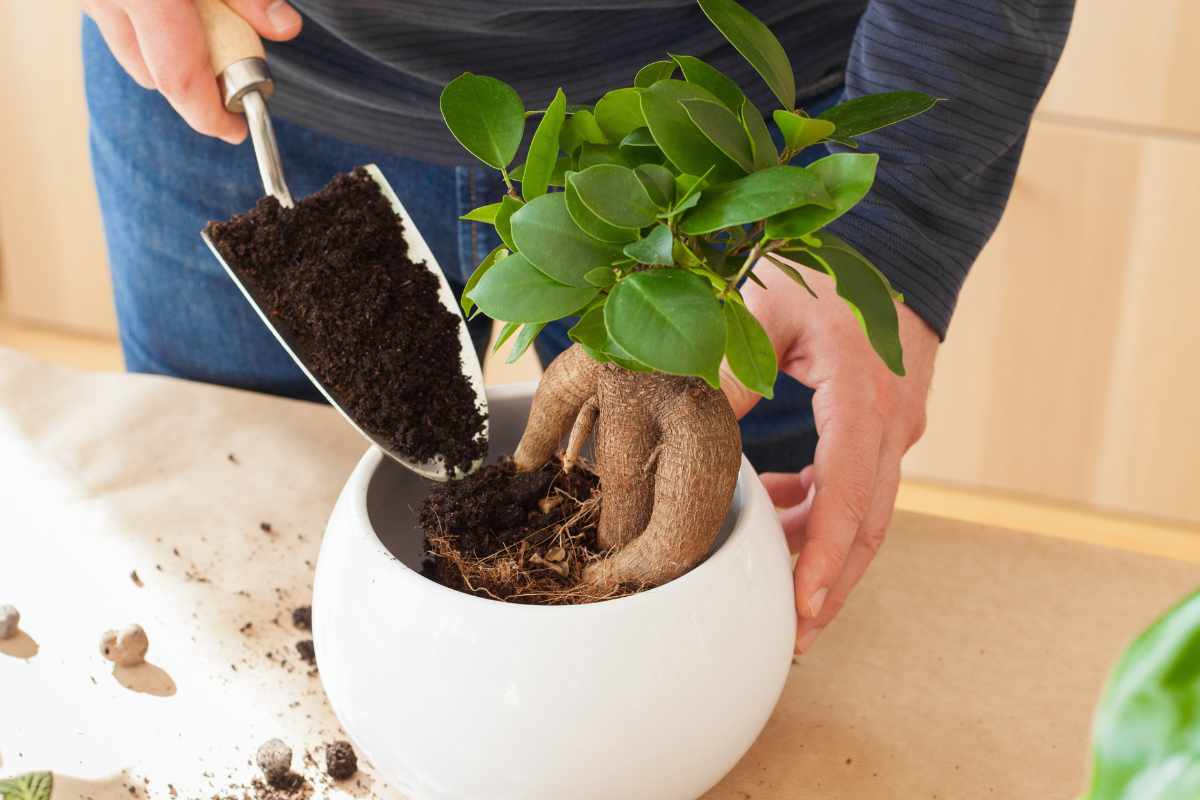
Position the bonsai tree in the center of the new pot, ensuring that the roots are spread out evenly.
Add fresh soil around the roots, making sure it fills the gaps without burying the trunk. Gently pat the soil down to eliminate air pockets, but avoid compacting it too much.
6. Water the Bonsai
Once the tree is securely in place, water the bonsai thoroughly to help settle the soil.
Watering also helps to reduce transplant shock. Allow the water to drain through the drainage holes.
7. Place the Bonsai in a Suitable Location
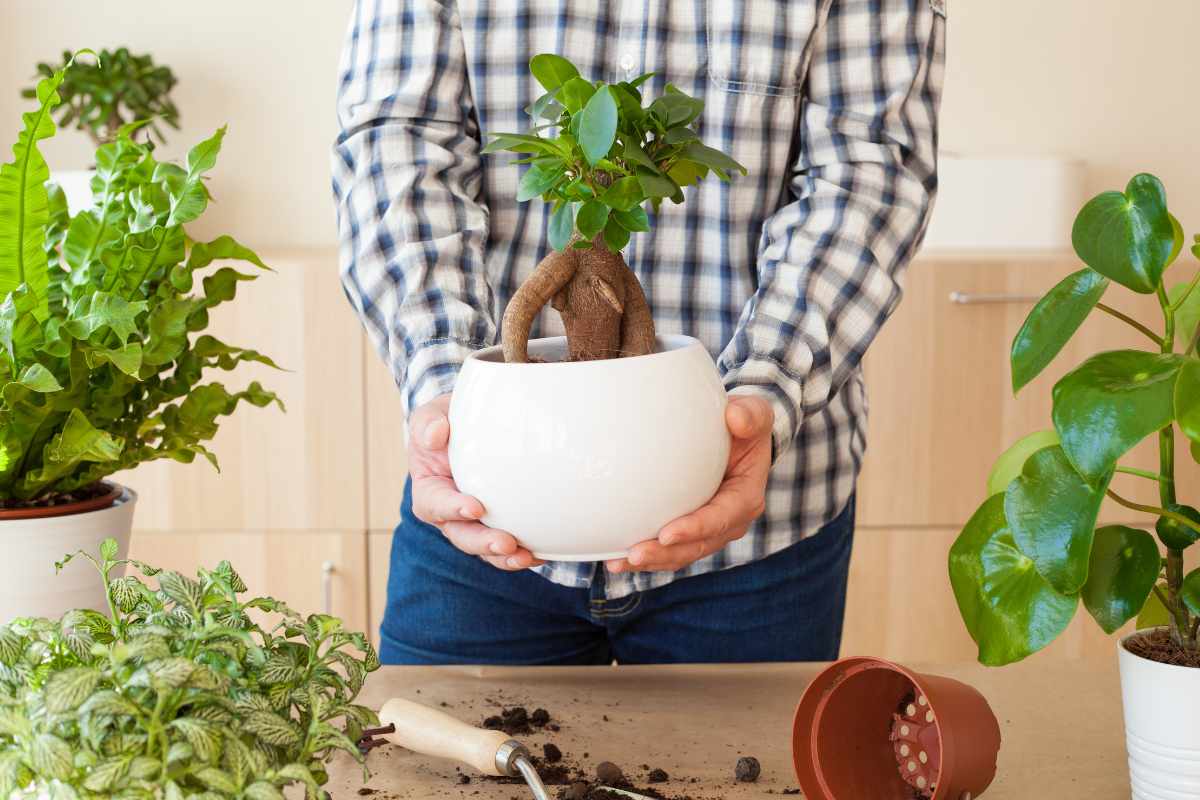
After repotting, place your bonsai tree in a location with indirect sunlight.
Avoid exposing it to direct sun or strong winds, as this could stress the tree. Monitor the soil moisture closely, watering only when the top layer feels dry to the touch.
Post-Repotting Care Tips
After repotting, your bonsai may experience some stress, which is normal. To help it recover:
Avoid fertilizing immediately: Wait about a month before applying any fertilizer to allow the roots to settle.
Monitor for pests: Repotting can sometimes stress the tree, making it more susceptible to pests. Keep an eye out for any signs of infestation.
Prune only as necessary: Avoid heavy pruning right after repotting. Give the tree some time to adjust to its new environment.
Troubleshooting Common Bonsai Repotting Issues
If you encounter issues such as yellowing leaves or root rot after repotting, it may indicate one of the following:
Overwatering: Ensure the bonsai pot has proper drainage and avoid excessive watering.
Poor soil drainage: If your soil is too heavy and doesn’t drain well, the roots may suffocate. Consider switching to a better-draining mix.
Too much sun: Keep your bonsai in a shaded or partially shaded area to help it recover from the repotting stress.
Repotting for Bonsai Health and Longevity
Repotting is a fundamental aspect of bonsai care that promotes strong root growth and long-term health.
By following the steps outlined in this guide, you can ensure your bonsai tree thrives in its new pot.
Remember to repot your bonsai regularly, monitor its health, and provide the right environment for optimal growth.
With the proper care, your bonsai will continue to flourish for years to come.
Enjoy This Video Tutorial

Source: We are The Bonsai Supply
Don’t forget to Subscribe to our Newsletter to receive amazing tips and tricks about Gardening and the FREE Ebook Green Living Strategies!
Did you find this post Useful or Inspiring? Save THIS PIN to your GARDENING Board on Pinterest! 😊
Once again, thank you for visiting our website!
We hope you've enjoyed exploring the content we've created for you.
Give yourself the chance to learn, get inspired, and have even more fun, keep browsing...
More Gardening Tips 👇🏼👇🏼