
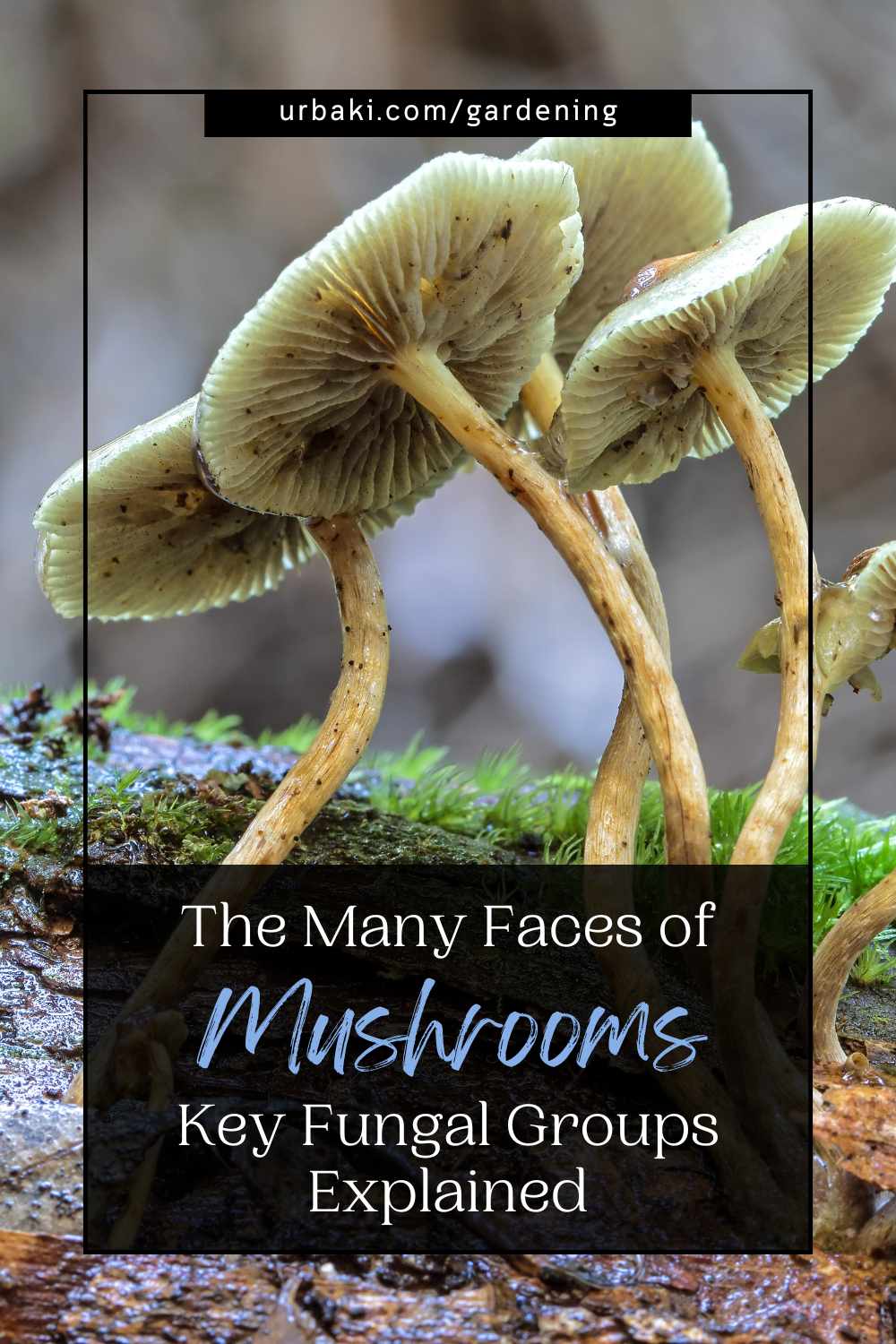
The Many Faces of Mushrooms - Key Fungal Groups Explained

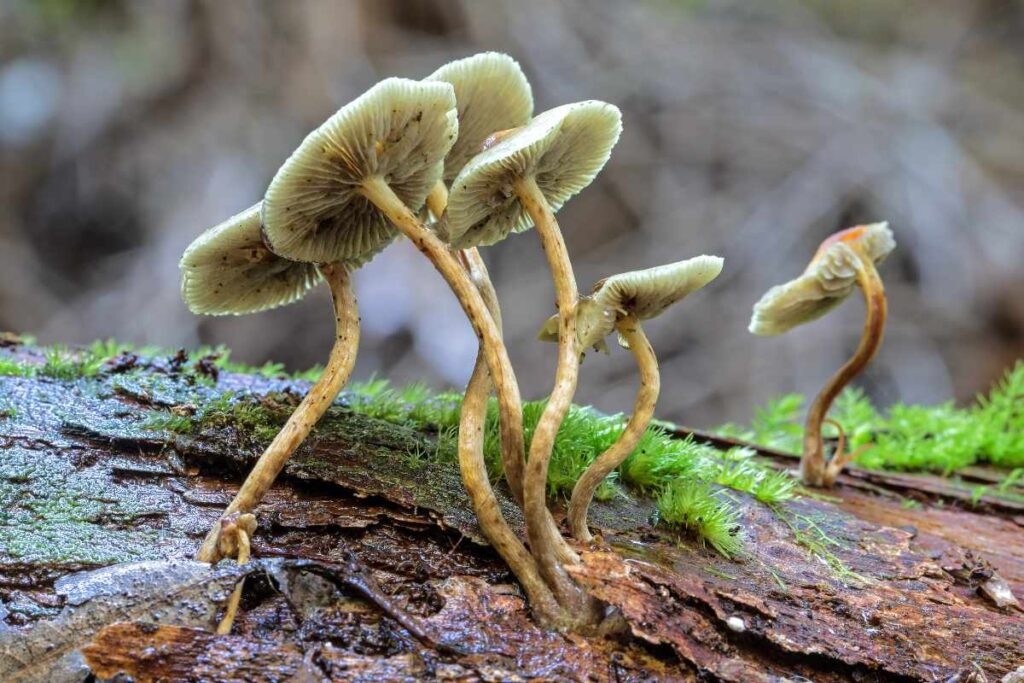
Mushrooms have fascinated humans for centuries, not only for their culinary uses but also for their ecological importance and intriguing biology.
These fascinating organisms belong to the kingdom Fungi, a vast group of life forms distinct from plants, animals, and bacteria.
Understanding the variety of mushrooms and how they are classified helps gardeners, nature lovers, and science enthusiasts appreciate their roles in ecosystems and discover their incredible diversity.
The Vast Kingdom of Fungi
The kingdom Fungi includes a wide array of organisms that range from microscopic molds to large, fleshy mushrooms. Unlike plants, fungi do not perform photosynthesis; instead, they obtain nutrients by breaking down organic matter.
This unique way of living places them as essential decomposers in natural habitats.
Mushrooms are the fruiting bodies of some fungi, appearing above ground or on decaying material to release spores for reproduction.
Their forms, colors, and sizes vary greatly, making identification and classification a complex but fascinating endeavor.
Main Groups of Mushrooms and Their Characteristics
Scientists have divided fungi into several primary groups based on features such as spore production, reproductive structures, and genetic relationships.
These groups include Basidiomycetes, Ascomycetes, Zygomycetes, Chytridiomycetes, Glomeromycetes, and the imperfect fungi known as Deuteromycetes.
Each group has distinct characteristics and ecological roles.
Basidiomycetes: The Classic Mushrooms
Basidiomycetes are probably the most familiar fungi, including the typical mushrooms seen in forests and gardens.
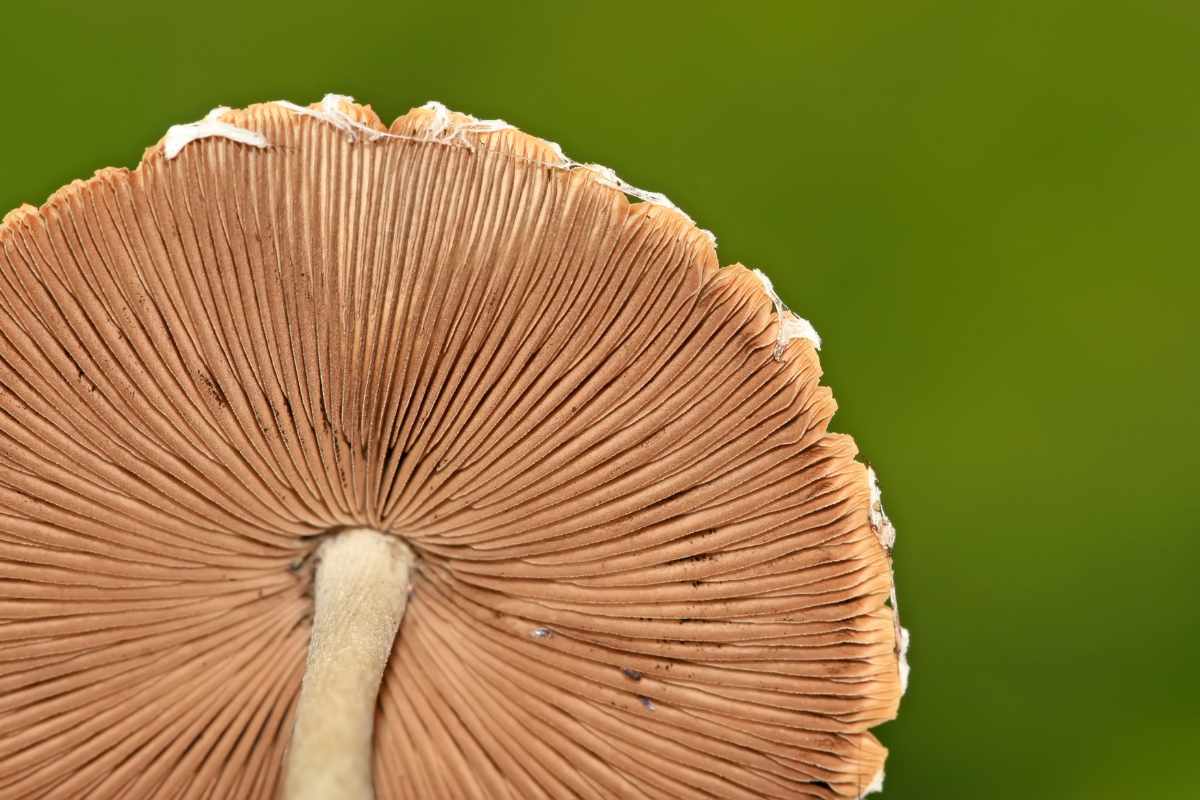
They reproduce through spores formed on specialized cells called basidia, usually located on gills or pores beneath the mushroom cap.
This group encompasses a vast variety of mushrooms, from edible species like shiitake and portobello to poisonous ones like the deadly Amanita. Basidiomycetes also include puffballs, shelf fungi, and rusts that affect plants.
Ascomycetes: The Sac Fungi
Ascomycetes, or sac fungi, produce spores inside tiny sac-like structures called asci.
This group is incredibly diverse, with members ranging from molds and yeasts to more complex fungi like morels and truffles.
Many ascomycetes play important roles in food production and medicine. For example, yeast is essential in baking and brewing, while some molds contribute to antibiotic development.
Zygomycetes: Fast-Growing Molds
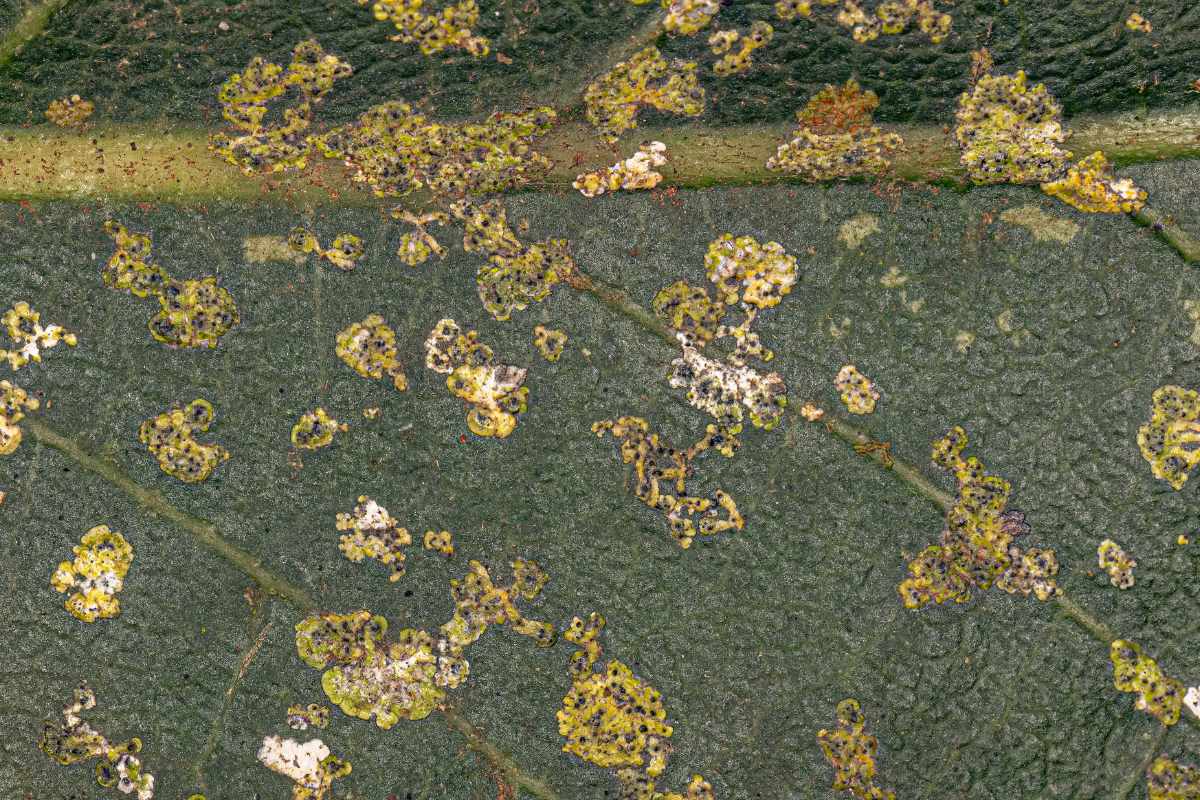
Zygomycetes are known for their rapid growth on decaying food and plant matter.
They reproduce sexually through thick-walled spores called zygospores. Black bread mold is a classic example belonging to this group.
While less conspicuous in natural environments than other fungi, zygomycetes are vital in breaking down organic material and recycling nutrients.
Chytridiomycetes: Aquatic Fungi
Chytridiomycetes are unique fungi that often live in aquatic environments or moist soils. They produce spores with flagella, allowing them to move through water.
Though microscopic and less visible, chytrids play roles in decomposing organic material in wetlands and can also affect amphibian populations as pathogens.
Glomeromycetes: Symbiotic Partners
Glomeromycetes form symbiotic relationships with plant roots, called mycorrhizae. These partnerships enhance nutrient and water uptake for plants while providing carbohydrates for the fungi.
They are crucial for the health of many ecosystems and are widely studied for their benefits in agriculture and gardening.
Deuteromycetes: The Imperfect Fungi
The group known as Deuteromycetes or imperfect fungi includes species that lack a known sexual reproductive stage. Because of this, their classification has been challenging.
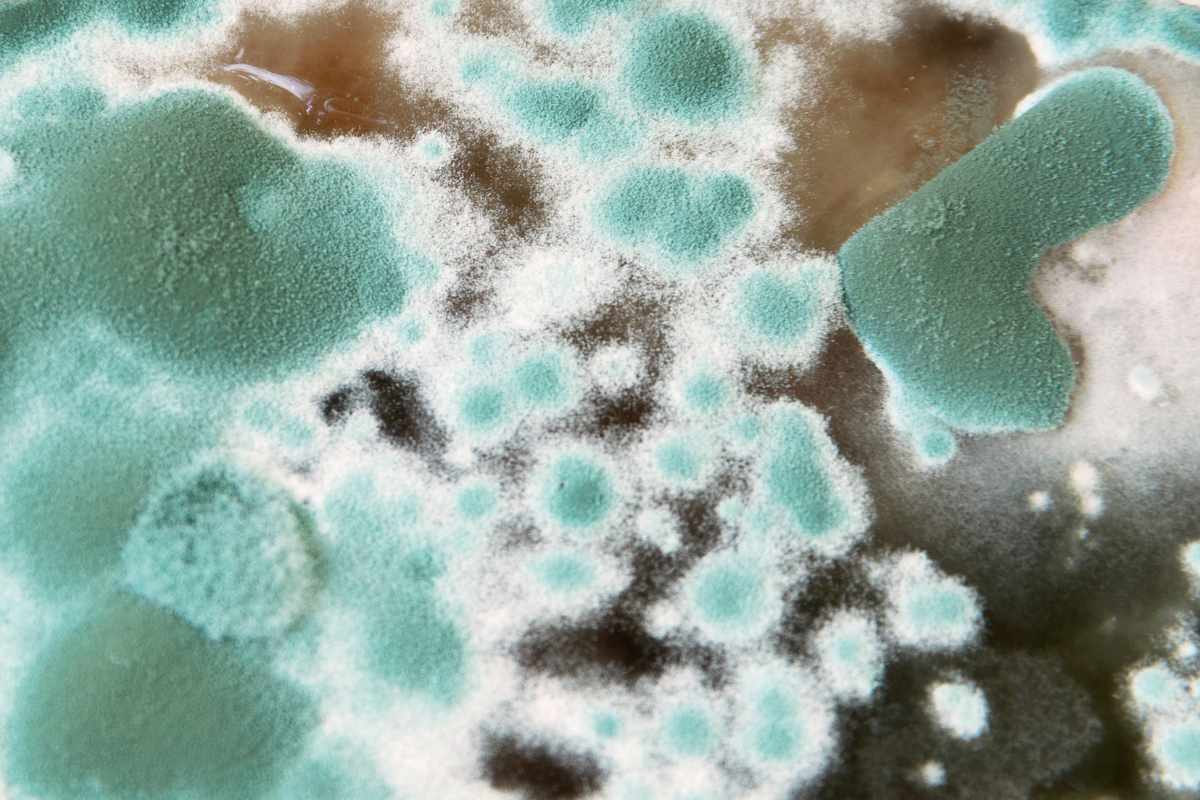
Many of these fungi are molds responsible for food spoilage, plant diseases, or even antibiotic production. Modern genetic studies are gradually uncovering their relationships to other fungal groups.
The Importance of Understanding Mushroom Diversity
Knowing the different groups of fungi helps gardeners and naturalists make informed decisions about cultivation, identification, and ecosystem management.
Recognizing edible versus toxic species is vital for safety, while understanding symbiotic fungi can improve plant growth and soil health.
Exploring the fungal kingdom’s complexity also highlights the interconnectedness of life and the essential roles these organisms play in maintaining balance in nature.
Tips for Observing Mushrooms Safely
When exploring mushrooms in the wild or garden, it’s important to exercise caution. Many species look similar, and some can be harmful if handled or consumed without proper knowledge.
Using reliable guides, consulting experts, and respecting local regulations ensures safe and enjoyable mushroom observation.
Cultivating mushrooms at home also offers a controlled way to experience their fascinating growth and benefits.
Did you find this post useful or inspiring? Save THIS PIN to your GARDEN Board on Pinterest!
More Gardening Tips 👇🏼👇🏼