
The Science of Bioluminescent Mushrooms

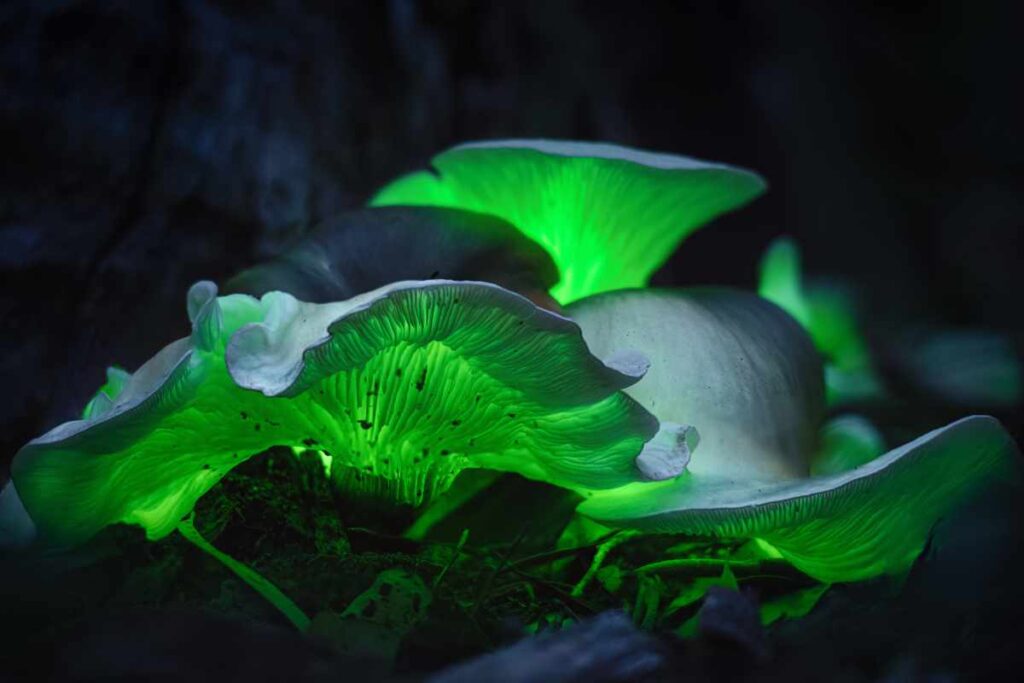
Bioluminescent mushrooms are a fascinating natural wonder, lighting up the forest floor in an almost magical display. But behind this glowing beauty is some incredible science.
These mushrooms, which produce their light, are more than just an enchanting sight. Their bioluminescence is the result of complex biochemical processes that have intrigued scientists for years.
In this article, we’ll explore the science behind bioluminescent mushrooms and the role they play in nature.
What Is Bioluminescence?
Bioluminescence is the ability of living organisms to produce and emit light. This phenomenon occurs when certain chemicals in an organism react to create light, a process known as chemiluminescence.
In the case of bioluminescent mushrooms, the light is produced by a reaction between a molecule called luciferin and an enzyme called luciferase. This reaction happens in the presence of oxygen and produces light without generating heat, making it a form of cold light.
This glowing feature can be seen in various organisms, from fireflies to deep-sea fish, but mushrooms are some of the most visible bioluminescent life forms, especially when found in dark, damp environments.
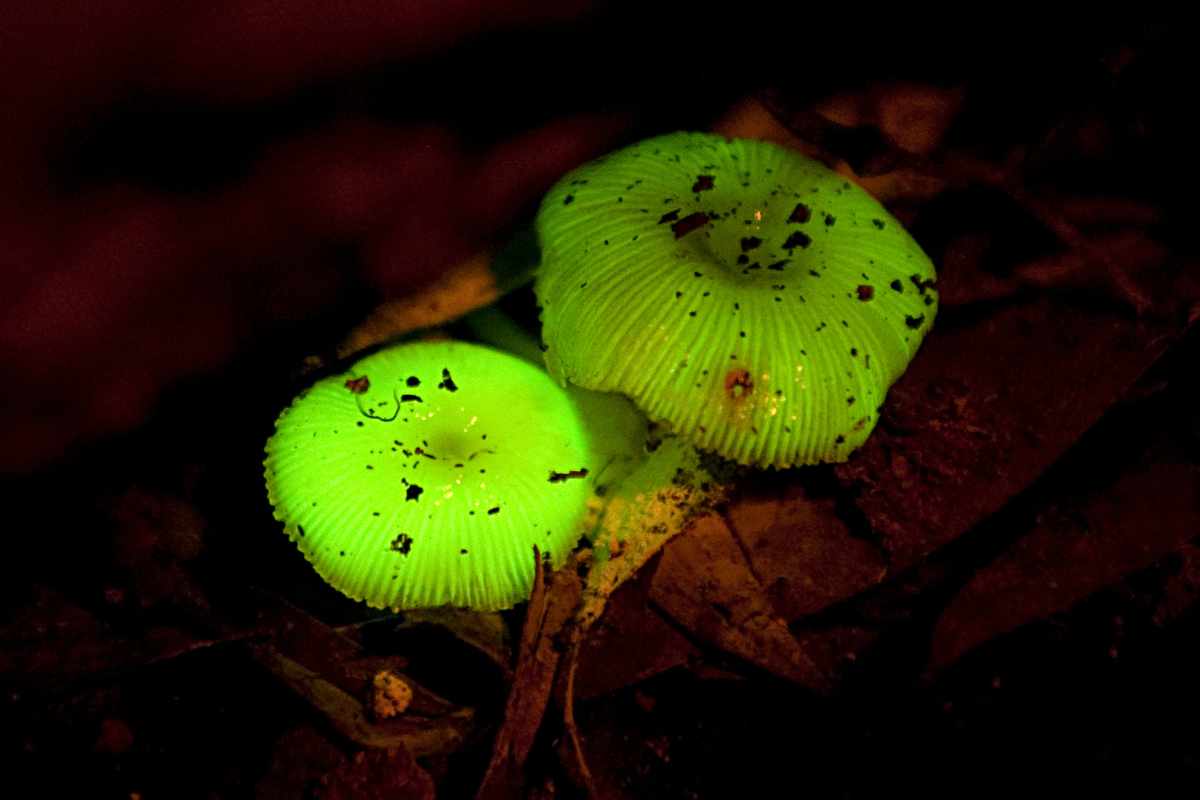
The light they produce ranges from a faint glow to a more intense radiance, which can often be seen from several feet away in the dark.
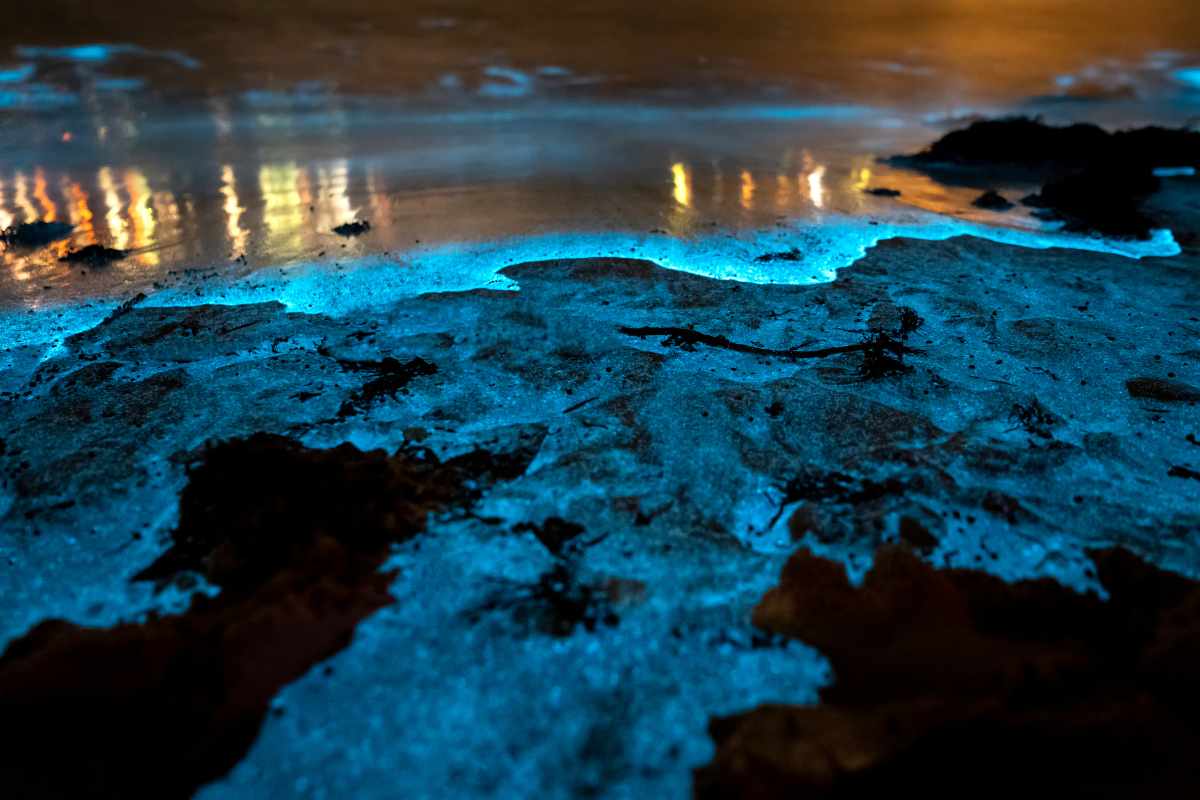
How Do Mushrooms Glow?
The glowing process in mushrooms is more than just a random occurrence—it’s a result of evolution. While scientists are still researching the full purpose of bioluminescence in mushrooms, there are a few leading theories.
One of the main ideas is that the glowing light helps attract insects. Insects, particularly flies, are drawn to the soft, glowing light of mushrooms, much like moths are attracted to lights at night.
These insects may help with spore dispersal, carrying the mushroom’s reproductive cells to new areas where they can germinate and grow into new mushrooms.
The bioluminescence may also serve to ward off predators. Some researchers believe that the glow could make the mushroom appear toxic or unappetizing to animals.
By emitting light, the mushroom could potentially signal to herbivores or other creatures that it is not a desirable food source, helping it avoid being eaten.
The Chemistry Behind the Glow
At the heart of bioluminescence is a chemical reaction that occurs in the presence of oxygen. The main compound involved is luciferin, a molecule that, when oxidized by oxygen, produces light.
The enzyme luciferase is what accelerates the reaction, allowing luciferin to release energy in the form of photons, or light.
Interestingly, the light produced by mushrooms is different from what we see in traditional light bulbs. Unlike the heat-producing light of a regular bulb, bioluminescent organisms like mushrooms produce light through a chemical reaction without generating much heat.
This makes their light remarkably efficient, as little as 95% of the energy is emitted as light, compared to regular light sources that often lose a lot of energy as heat.
The glow can vary depending on the type of mushroom and environmental factors. Some mushrooms produce a bright green glow, while others emit a yellow or blue light. The intensity and color of the light are influenced by the specific type of luciferin and luciferase enzymes the mushroom produces.
Types of Bioluminescent Mushrooms
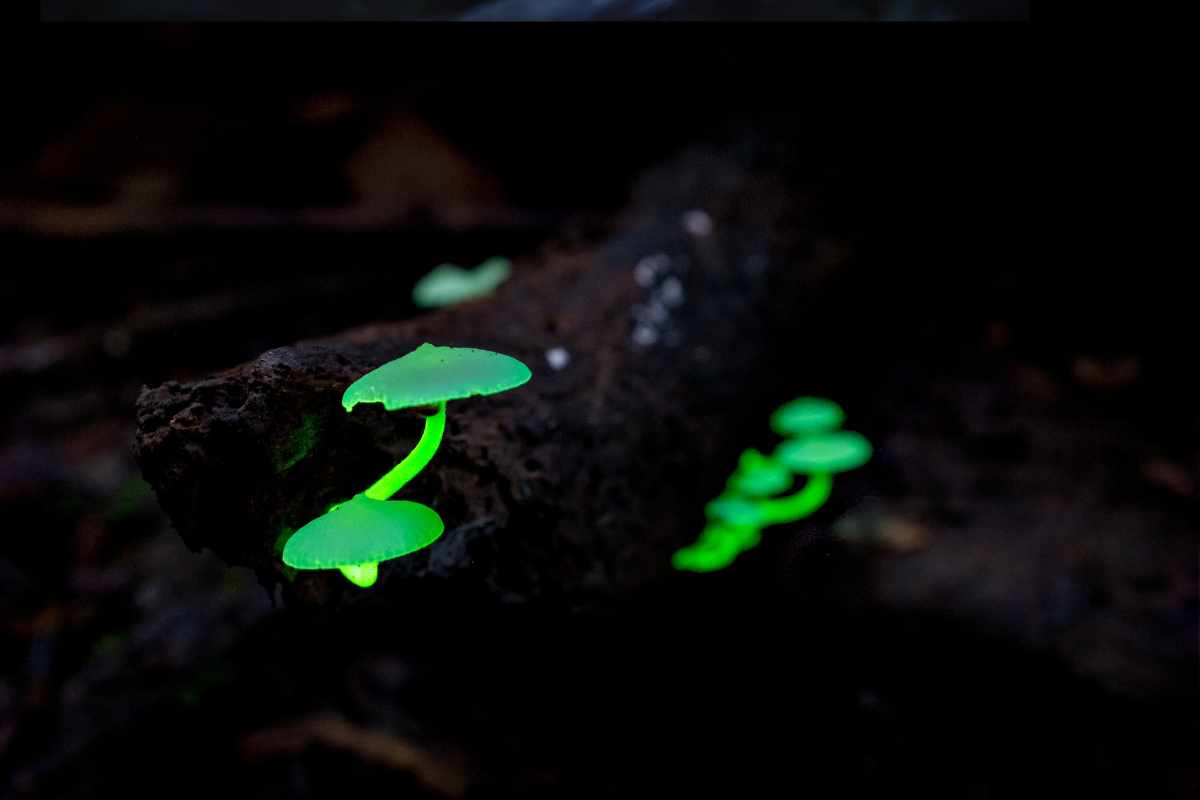
There are more than 70 species of bioluminescent mushrooms known to science, most of which belong to the genera Armillaria, Mycena, and Panellus. These mushrooms thrive in moist, decaying wood or on the forest floor, where they can create their magical glow. Here are a few examples:
Mycena chlorophos: One of the most well-known bioluminescent mushrooms, it produces a bright greenish glow, often visible in tropical and subtropical regions.
Armillaria mellea: Known as honey mushrooms, this species can glow in dim, dark environments. The glow is often seen in decaying wood.
Panellus stipticus: This mushroom is famous for its greenish-blue glow and is commonly found on rotting wood in forests.
These glowing species are often small, with a delicate appearance, but their ability to light up the environment is nothing short of mesmerizing. When you encounter them in the wild, it feels like stepping into a scene from a fantasy novel.
The Role of Bioluminescent Mushrooms in Nature
Bioluminescence in mushrooms plays several potential roles within their ecosystems. As mentioned earlier, attracting insects for spore dispersal is one of the most widely accepted theories.
Insects like beetles and flies are often essential in spreading mushroom spores, which helps the species reproduce and expand to new locations.
Additionally, bioluminescent mushrooms might be part of a larger nutrient cycle in the forest.
As these mushrooms grow on decomposing wood and plant material, their bioluminescence could help guide nocturnal insects, which in turn, break down organic material, enriching the soil for other plants and fungi.
The mushrooms may be part of an intricate ecological web where the glow benefits both the fungus and the surrounding wildlife.
Another potential role is defense. The glow could act as a deterrent to larger animals that might be tempted to eat the mushrooms, as it might signal that they contain toxins or are otherwise undesirable. However, this hypothesis is still being tested by scientists.
Bioluminescence Beyond the Forest
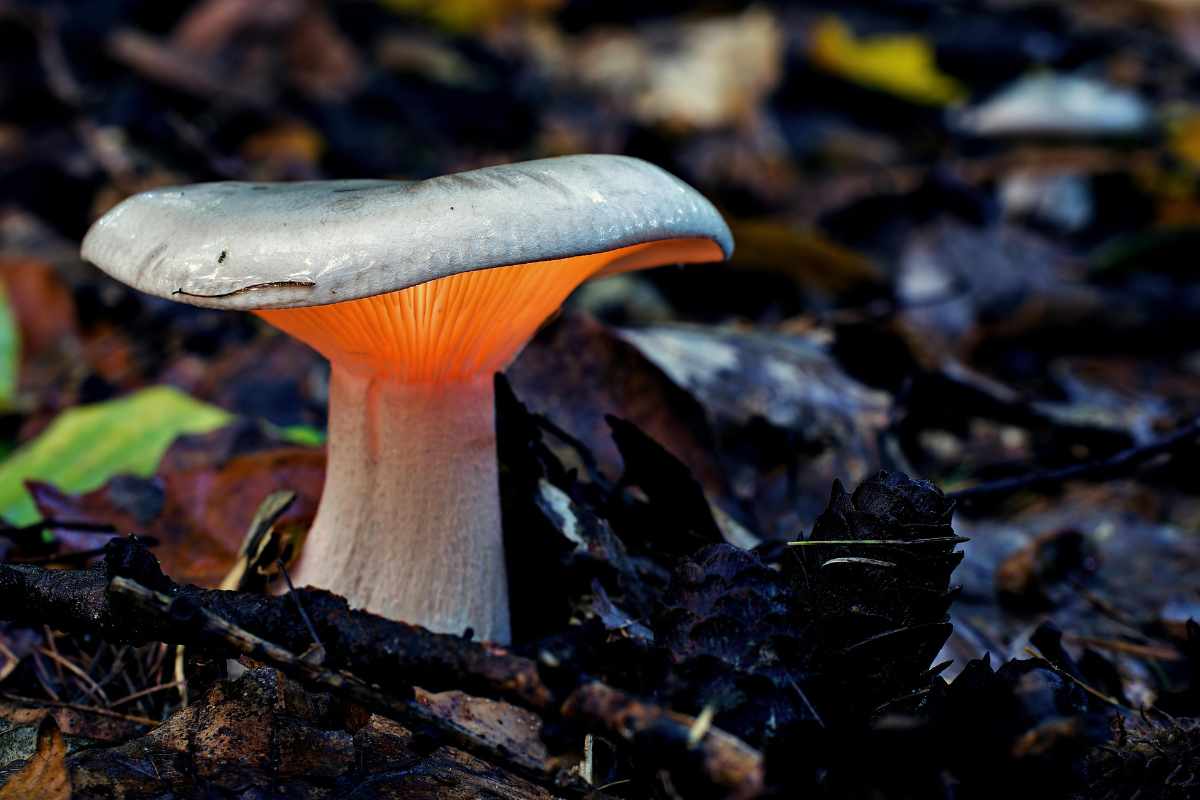
While bioluminescent mushrooms are often associated with forest environments, bioluminescence itself is widespread. The glowing phenomenon has been observed in a range of organisms, including fireflies, certain deep-sea creatures, and even some fungi growing on decaying plants in your garden.
Each of these species has developed bioluminescence for its unique purpose, from attracting mates to confusing predators.
Bioluminescence in fungi has even sparked interest in applications beyond the natural world. Scientists are investigating ways to harness bioluminescence for sustainable lighting, such as creating bioluminescent plants or trees that could replace traditional streetlights.
While it’s still early days in this field, the potential of bioluminescent organisms as an alternative to energy-intensive lighting is exciting.
The Beauty of Bioluminescent Mushrooms
Aside from the science behind their glow, bioluminescent mushrooms hold a special place in the hearts of many nature lovers and garden enthusiasts.
Their glow is not just a chemical reaction; it’s a reminder of the complexity and mystery of the natural world.
The sight of these mushrooms lighting up a forest path or glowing softly in the night brings a sense of wonder and magic. They seem to embody the beauty of nature’s hidden marvels, showing us that there is so much more to the world than meets the eye—literally.
Growing bioluminescent mushrooms in your garden is a fantastic way to connect with nature on a deeper level. While they may require the right growing conditions—such as moisture and decaying organic material—they can be cultivated with care and patience, offering a unique addition to any garden.
Final Thoughts
Bioluminescent mushrooms are an incredible example of nature’s hidden wonders. The light they emit is not just beautiful to behold but also a testament to the complex biochemical processes that occur in the natural world.
Whether their glow attracts insects or helps them avoid predators, these mushrooms play a crucial role in their ecosystems.
As gardeners and nature enthusiasts, we can all appreciate the beauty and science behind these glowing fungi, and perhaps even consider adding them to our own spaces to witness their magical light firsthand.
Did you find this post useful or inspiring? Save THIS PIN to your GARDEN Board on Pinterest!
More Gardening Tips 👇🏼👇🏼