
Tips for Planting a Cottage Garden

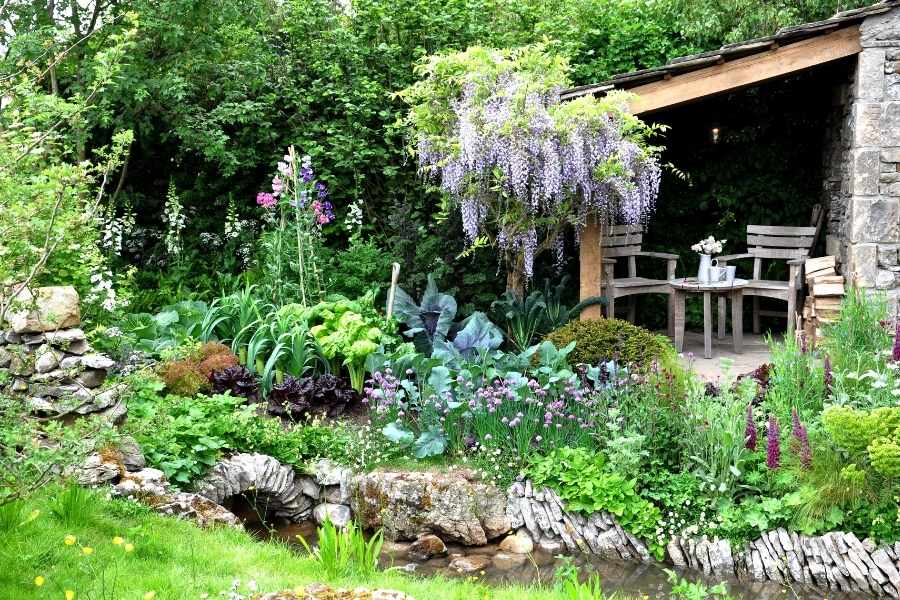
When done right, country house gardens seamlessly blend colors, textures, shapes, and fragrances. No concern with spacing, no concern with odd-numbered planting, no height graduations.
The biggest appeal of a cottage garden is that it doesn't appear to be design-conscious. But even a cottage garden must be controlled. Some of the most successful home gardens start with a formal structure and soften the structure with a large number of houseplants.
If there is a flaw in home gardening, it is the idea that the garden can take care of itself. This is definitely not the case. In fact, a country house garden can require a lot of maintenance.
Some flowers will become brutes, squeezing others. Self-seeders can get out of control quickly. Perennials will still need periodic division or they will die. With so many flowers, deforestation takes time, but the alternative is many noble flowers from the past.
Advantages of a cottage garden
If you're still deciding whether or not you're ready to embrace the serendipity of a cottage-style garden, consider these perks:
- Cottage gardens are personal: no two gardens are alike. In fact, no cottage garden will be the same for two years in a row. The plants will keep moving and the balance between them will wane and wane.
- A cottage garden house is cheaper than its more formal counterparts - although it won't have an immediate hit, you can start a garden house with a few packets of seeds and a little patience. Even if you splurge on some anchor plants, like rose bushes or flowering shrubs, you can temporarily fill less expensive plants.
- Self-seeders will fill up quickly and you can divide and multiply perennials every year. Find a friend or two with similar tastes and swap plants to expand your palette.
- Cottage gardens don't need to be perfectly maintained - while you want a little order in your yard, it doesn't have to be spotless. There is less chance that someone will notice some weeds or a plant that needs to be planted.
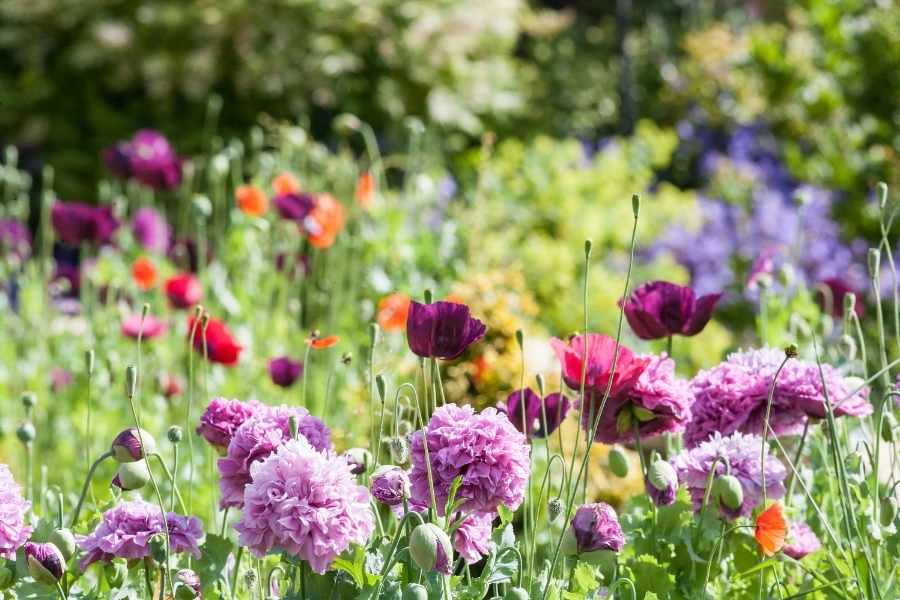
Ideas and tips for cottage gardens
The appeal of a cottage garden is evident: an abundance of flowers and fragrances welcomes you and welcomes you every time you open the door.
If you want to surround your home with a cabin feel, you can start by simply placing a small bed on either side of the road or drive up to your home and continue to expand it over the years. From there, you can add additional walkways and rest areas, and other personal touches.
While the main point of a cottage garden is that there are no rules or guidelines, these tips can help you get started:
1. Start small
The garden of a large country house can look like a neglected garden; you can always add more later if you choose. Keep some grass to break things up and avoid straight lines when planning your garden.
2. Use a good combination of plants
Including a variety of fragrant flowers, and start by planting large groups so they aren't just a mess. If you live in a hot, dry climate, don't be afraid to substitute Mediterranean or succulent plants.
3. Repeat the plants and colors
This allows for creating a sense of fluidity and harmony. Don't forget to add tall plants for visual interest. You don't have to worry about placing them at the back as you would on an edge, but you want the eye to move up and around rather than seeing a flat plane.
4. Add some paths to access
Also to remove weeds, choose path material to complement your garden and home. Traditional materials include brick, stone, gravel, or dirt. Let the plants spill over each other and onto the aisles.
5. Add some structure
Plant some small trees, shrubs, or vine-covered obelisks. Plants with outstanding characteristics, such as rose bushes, flowering trees, and shrubs, prevent the appearance from becoming blurry and transparent. Evergreens give any garden a sense of structure.
6. As a final touch
Add a backdrop to the garden and add decorative touches. Hedges, rustic fences, or even a wall will serve as a backdrop to highlight the garden.
Due to the informality of a farmhouse garden, you can decorate with all kinds of found objects and garden details, including trellises, vine-covered gazebos, antiques, rocking chairs, and birdbaths.
Lastly, don't expect your home garden to look the same year after year. Let plants be active partners in creating your garden.
We hope you enjoy this video about tips for planting a cottage garden:
Source: Garden Answer
Did you find this post Useful or Inspiring? Save THIS PIN to your GARDENING Board on Pinterest! 
Once again, thank you for visiting our website!
We hope you've enjoyed exploring the content we've created for you.
Give yourself the chance to learn, get inspired, and have even more fun, keep browsing...
More Gardening Tips 👇🏼👇🏼