
Top Tips for Growing and Harvesting Shiitake Mushrooms


If you’ve been curious about how to grow shiitake mushrooms for a steady supply of gourmet flavor, you’re in the right place. This guide demystifies Mushroom Cultivation with clear steps, practical tips, and options for both beginners and experienced growers.
We’ll walk through tools, substrates, fruiting conditions, and harvesting so your first flush feels confident rather than complicated.
Why Shiitake? Flavor, Nutrition, And Flexibility
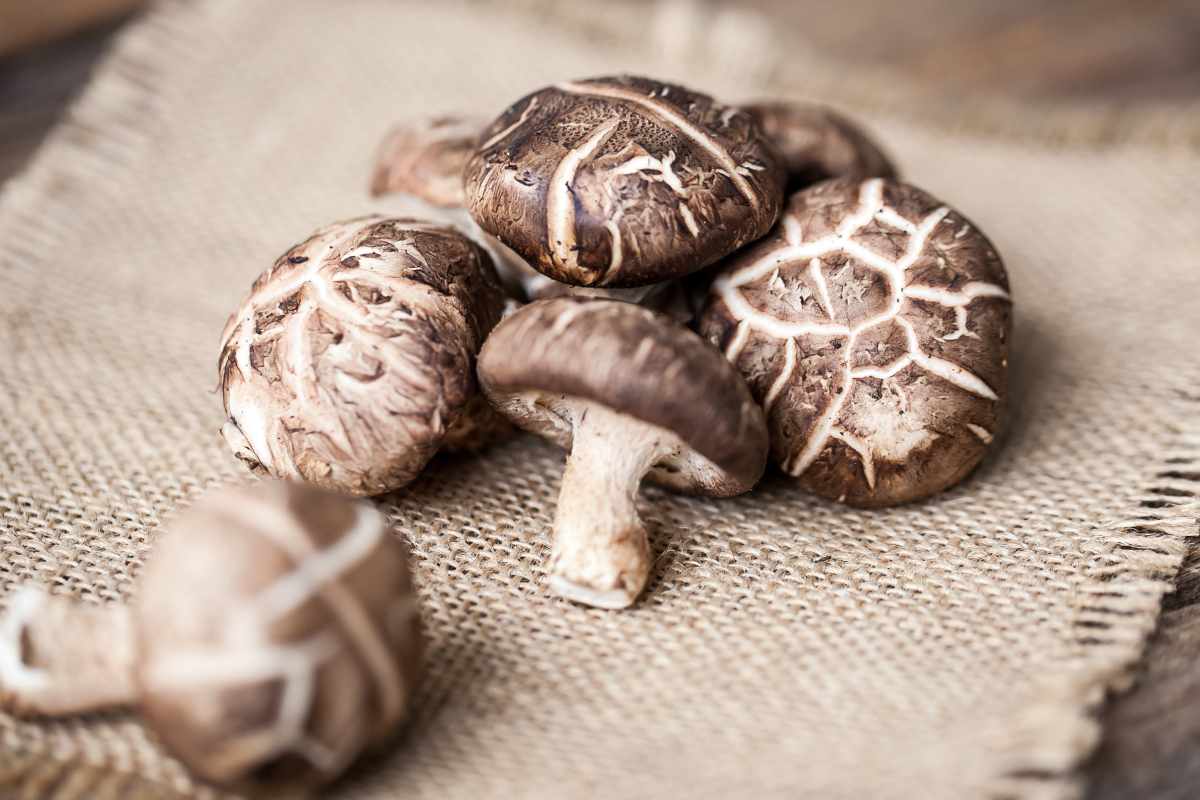
Shiitake mushrooms are prized for their meaty texture and rich umami, yet they’re surprisingly approachable for home growers. Whether you prefer outdoor logs or indoor blocks, the crop adapts well to different spaces and climates.
That flexibility makes growing shiitake mushrooms a rewarding project for urban balconies and backyard homesteads alike.
Compared to other species, shiitake tolerate a range of temperatures and produce multiple flushes from the same substrate. With basic hygiene and consistent environmental control, your yields can be reliable, delicious, and affordable.
Understanding The Basics: Substrates, Spawn, And Cleanliness
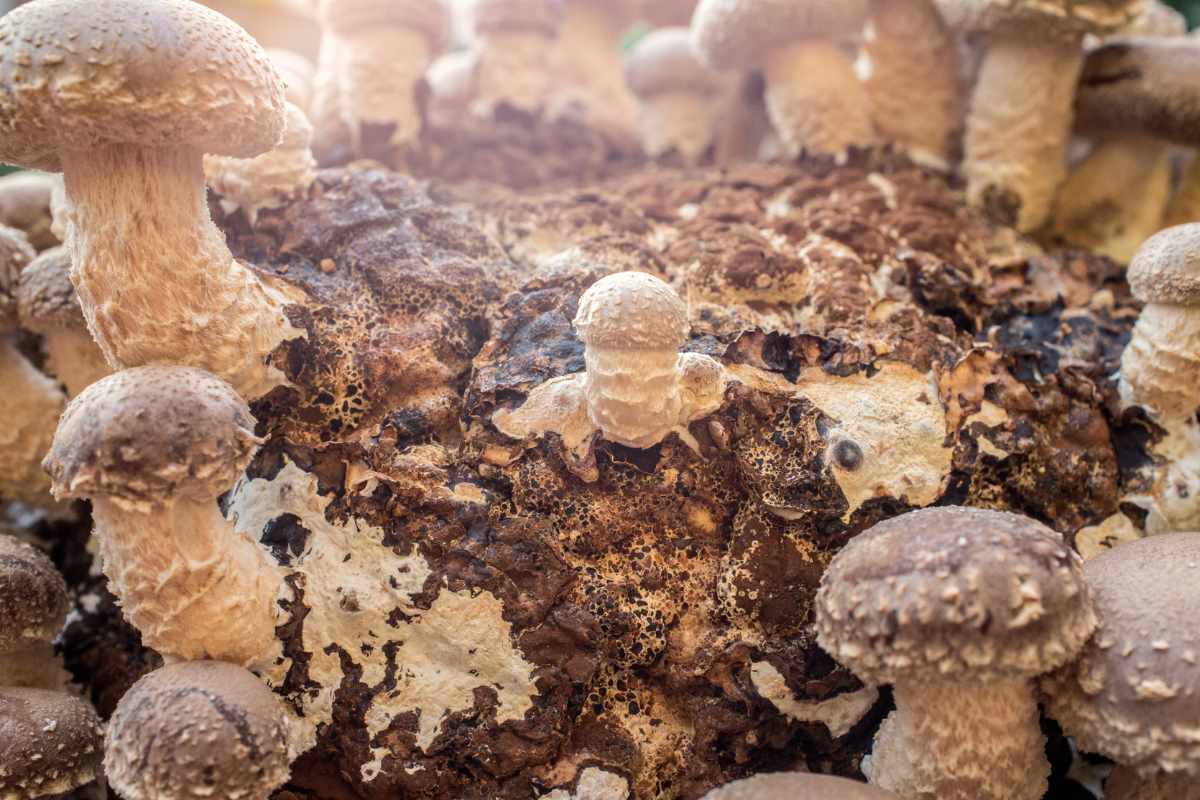
Every mushroom project starts with three pillars: a clean workspace, a suitable substrate, and quality spawn. For shiitake, hardwood is king.
Fresh oak, maple, or beech logs (cut during dormancy) excel outdoors; indoors, sterilized sawdust or supplemented hardwood blocks are ideal.
Spawn is the living mycelium that colonizes your substrate. Choose sawdust spawn for blocks or plug spawn for logs. Work cleanly—wipe tools, wash hands, and keep pets away during inoculation. Good hygiene reduces contamination and speeds colonization.
Outdoors On Logs: A Time-Tested Method
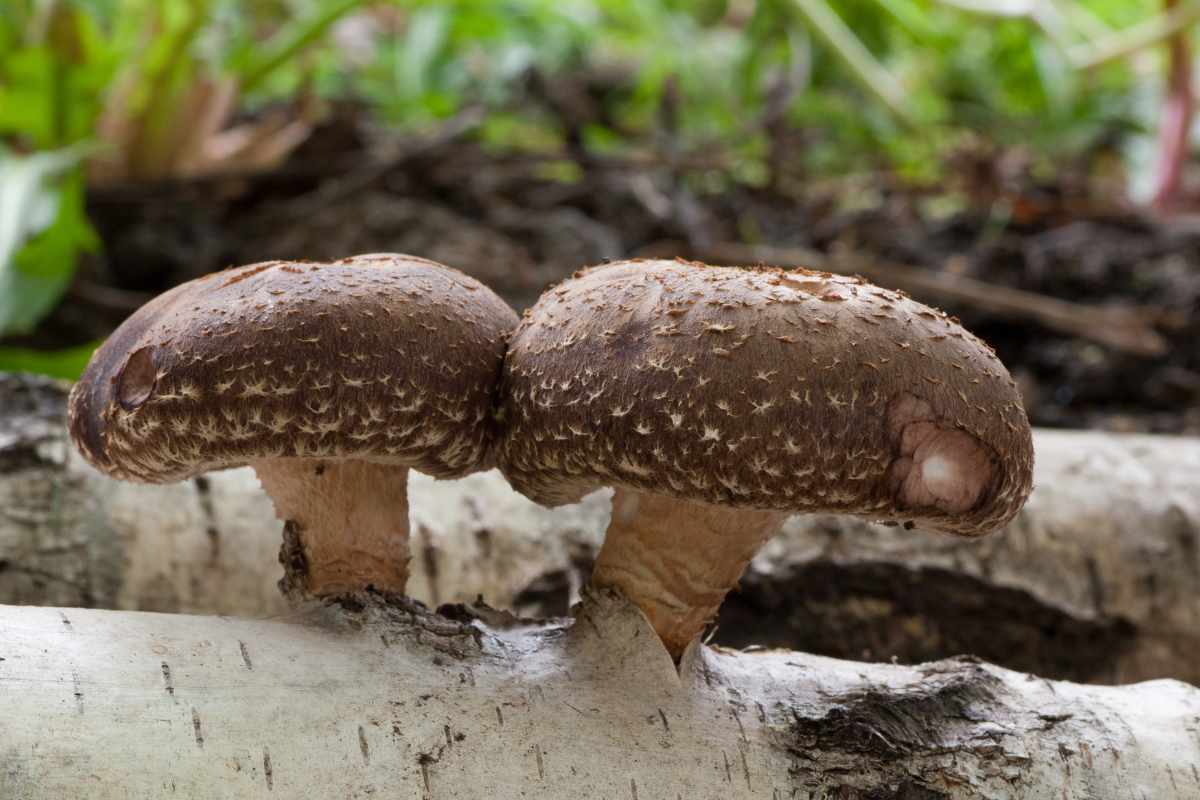
Log cultivation mirrors the forest habitat where you’ll often see shiitake mushrooms growing naturally. After drilling holes, insert plug or sawdust spawn, then seal with wax to protect moisture and block contaminants. Rest the logs in a shaded, humid area with good airflow.
Colonization usually takes several months. Once the mycelium knits through the wood, you can “shock” logs with a 24-hour cold-water soak to encourage fruiting. Maintain even moisture and avoid direct hot sun, which can dry logs and reduce yields.
Indoors On Blocks: Precision And Speed
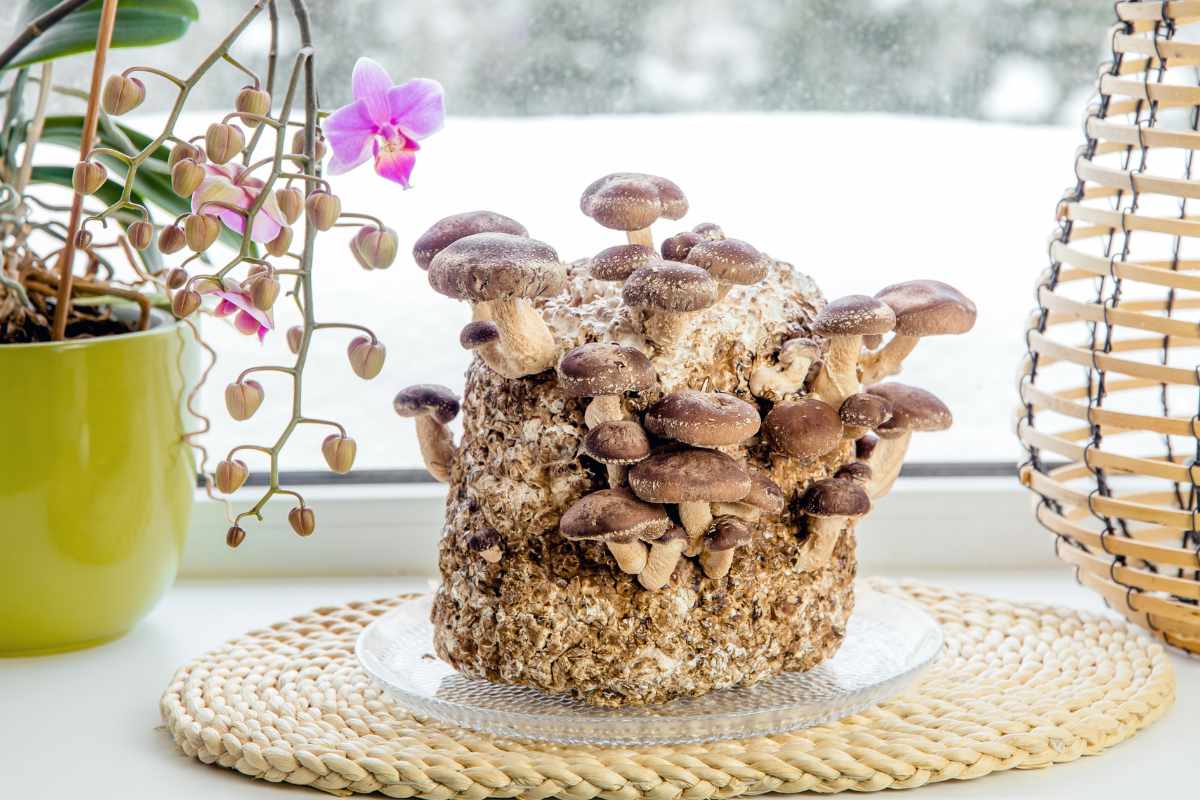
Prefer a tidy, predictable setup? Growing Mushrooms Indoors on supplemented hardwood blocks offers faster colonization and easier environment control. Keep temperatures moderate, humidity high (85–95% during primordia formation), and ensure plenty of fresh air to prevent long, leggy stems.
This method is perfect for Growing Mushrooms At Home when you want clean, repeatable results in limited space. A plastic tent, small humidifier, and a fan on a timer can create a simple, effective fruiting chamber.
Step-By-Step: From Inoculation To Fruiting
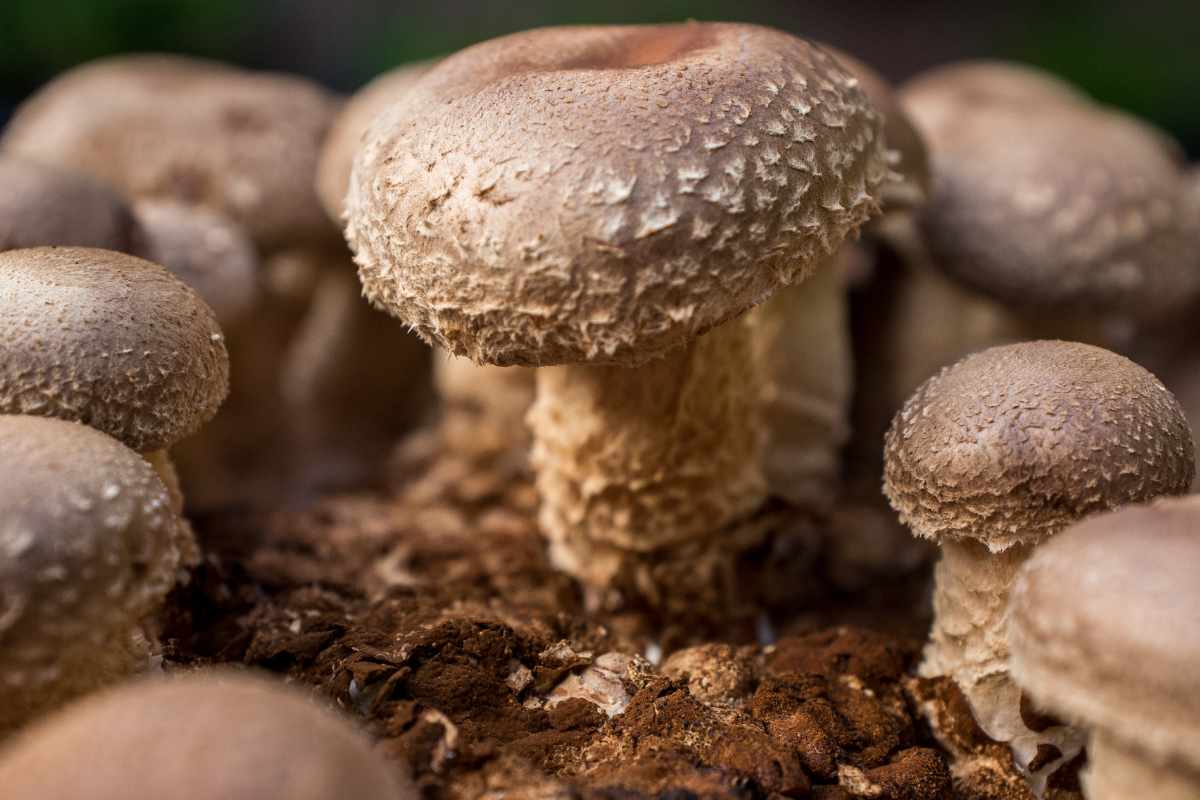
Inoculation: For blocks, mix sterilized substrate with sawdust spawn in sterile bags and seal with filter patches. For logs, drill, fill, and wax. Label your batches with strain and date to track performance.
Incubation: Keep colonizing substrates warm (20–24°C/68–75°F) and dark or dim. You’ll see white mycelium spread until the block or log is thoroughly colonized.
Fruiting: Introduce cooler temps, high humidity, and fresh air exchange. Mist or humidify to keep surfaces from drying out. Within days to weeks, pins appear and expand into full caps—classic shiitake mushrooms ready for the kitchen.
How To Grow Shiitake Mushrooms At Home (Beginner Focus)
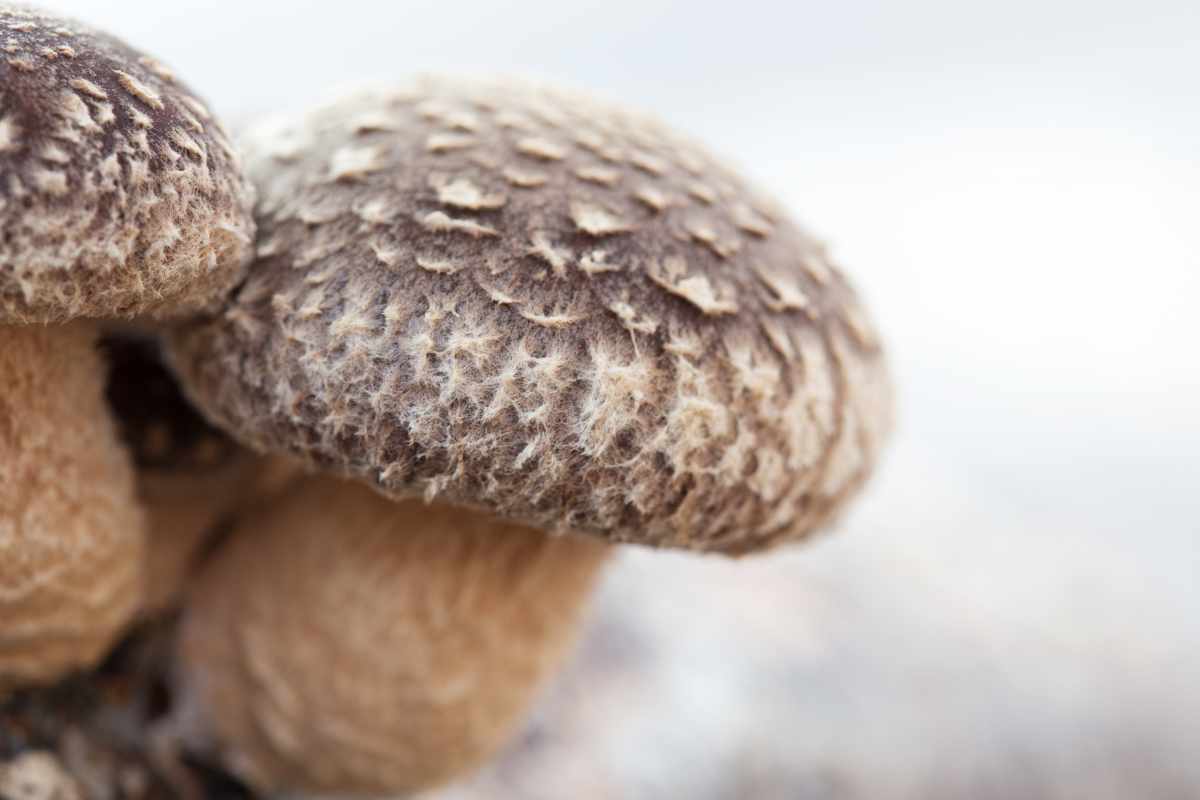
New to cultivation? The simplest path is a pre-sterilized block with instructions. It’s a gentle introduction to How To Grow Mushrooms At Home without specialized equipment. Slice an X in the bag, mist daily, and watch clusters form.
When you’re comfortable, scale up with multiple blocks or try logs for a seasonal rhythm. This staged approach builds skills while keeping costs modest.
Environment Control: Humidity, Light, And Fresh Air
Shiitake appreciate indirect light—think bright shade rather than full sun. Maintain humidity high enough that caps look vibrant, not cracked. Fresh air is essential; stagnant environments lead to elongated stems and smaller caps.
If you’re growing shiitake mushrooms indoors, use a small fan cycling a few minutes per hour and mist between cycles. Outdoors, natural breezes and shade cloth often provide a perfect balance.
Harvesting: Timing, Tools, And Storage
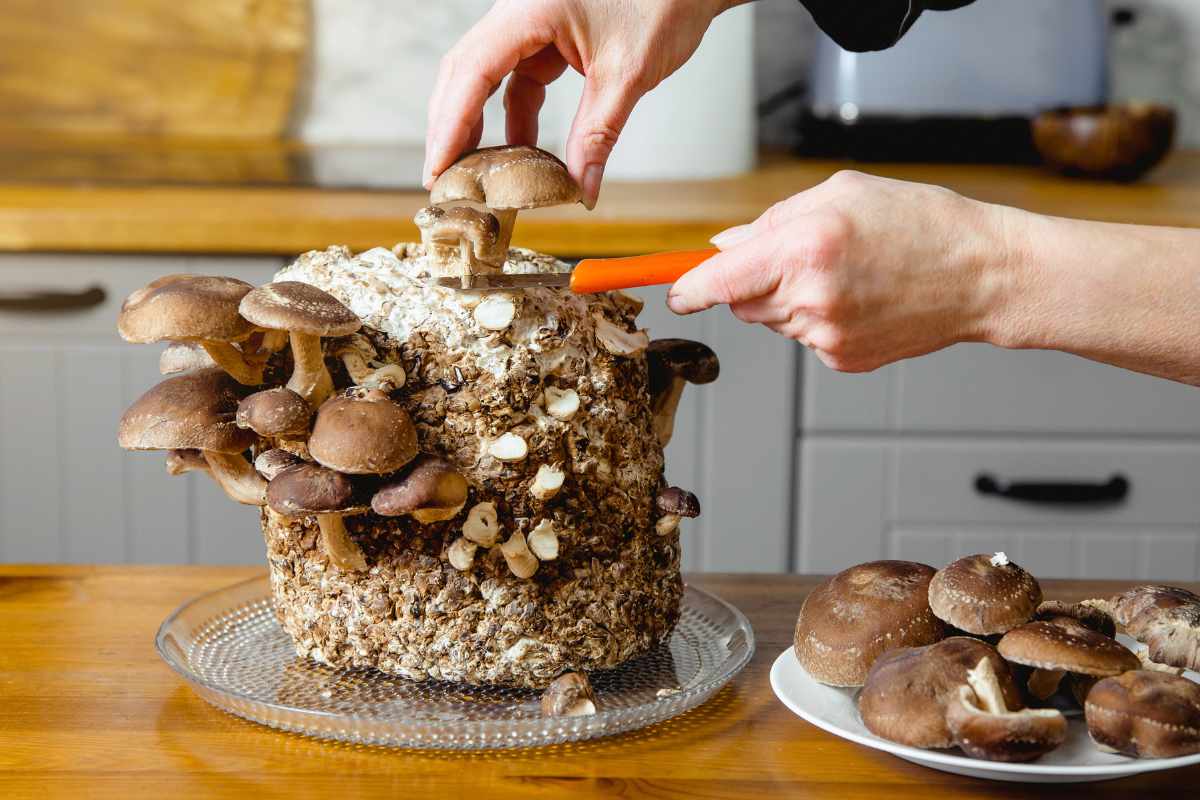
For best texture, harvest caps when the edges just begin to flatten but before they turn fully up. This is the sweet spot for flavor and shelf life. Twist gently or cut at the base with a clean knife to avoid tearing mycelium.
If you enjoy foraging, the careful, selective approach of Mushroom Picking applies here too: be gentle, avoid damaging developing pins, and remove debris from the surface so the next flush is clean and vigorous.
Post-Harvest Care
Rehydrate logs or rest blocks between flushes. Keep surfaces damp, then slightly drier once caps mature to reduce bacterial blotch. Store fresh shiitake unwashed in paper bags in the fridge for up to a week; dry excess harvests for broths and stocks.
With consistent technique, you’ll see multiple cycles of shiitake mushrooms from a single substrate, making homegrown gourmet a year-round treat.
Troubleshooting Common Issues
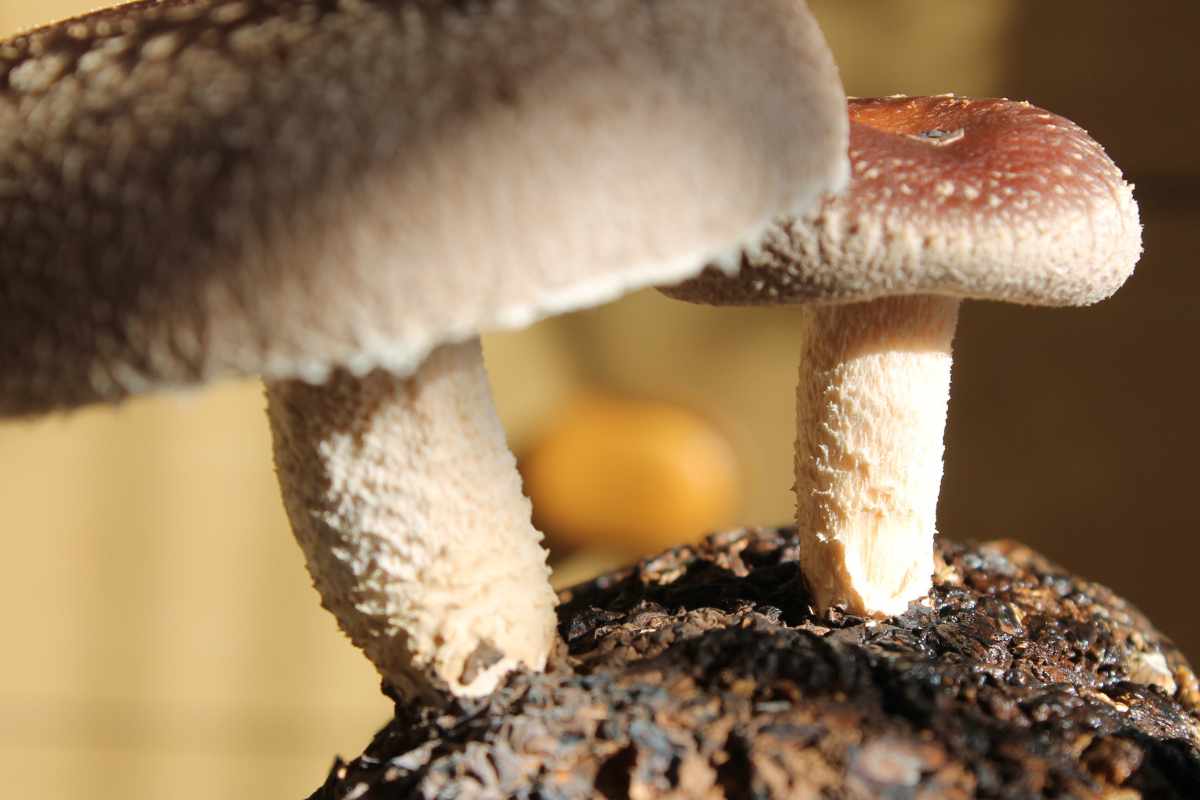
Drying out: Caps cracking or pins aborting? Increase humidity and reduce direct airflow on developing clusters.
Long stems, small caps: Improve fresh air exchange and light levels. Slightly cooler temps can also help balance morphology.
Contamination: Green or black patches suggest competitor molds. Isolate affected blocks, improve cleanliness, and start fresh spawn if needed.
From Hobby To Enterprise
As skills grow, you may explore small-scale Mushroom Farming. Track strains, dial in your climate control, and plan staggered inoculations for steady supply. A simple spreadsheet of dates, yields, and conditions will quickly reveal the most productive methods.
Shiitake are a cornerstone species for boutique growers: consistent demand, recognizable quality, and diverse culinary uses. With patience and iteration, a home project can blossom into a tiny farm stand staple.
Key Takeaways For Success
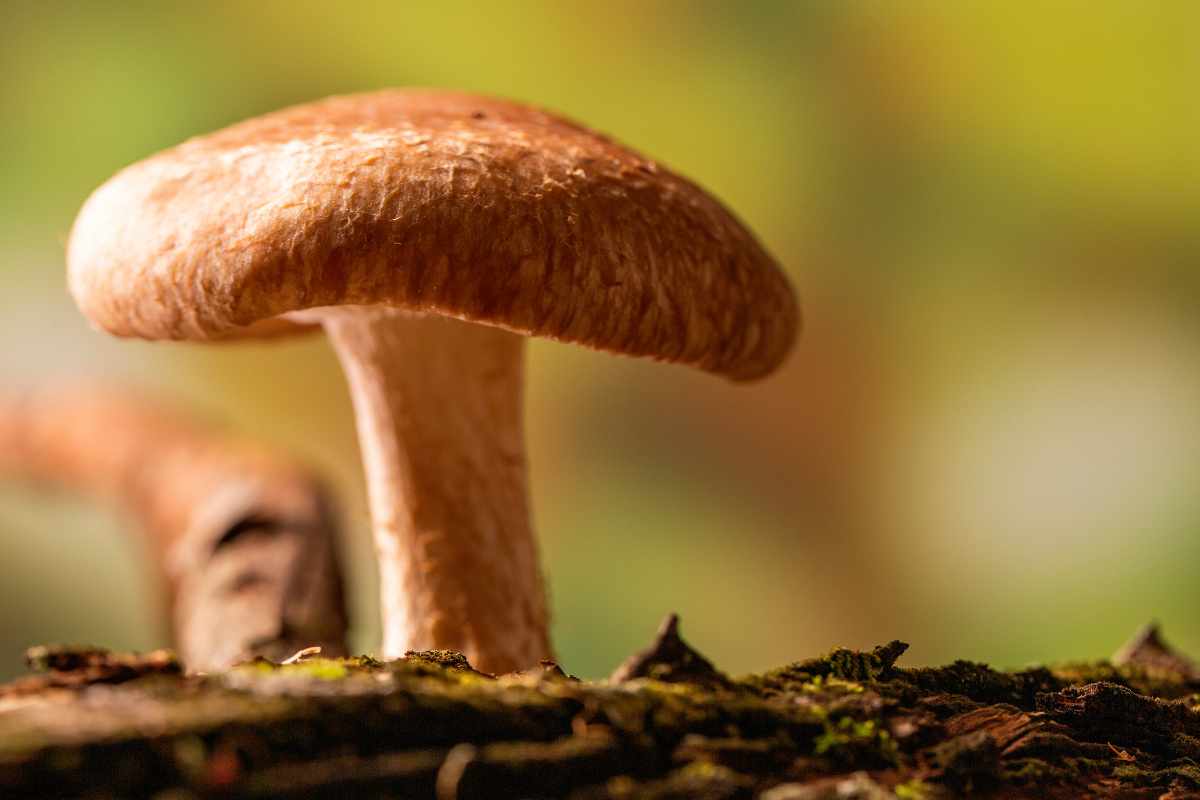
Choose the right substrate, keep things clean, and match your method to your space. Logs offer tradition and seasonal rhythm; blocks deliver speed and control. Most importantly, pay attention to conditions—humidity, airflow, and temperature—so each flush improves on the last.
Ready to keep learning? Explore more practical guides on edible crops, composting, and container gardening to complement your shiitake journey.
Explore More Practical Growing Guides
If you liked this tutorial on how to grow shiitake mushrooms, browse our latest articles on indoor gardens, kitchen herbs, and greenhouse tips to level up your skills season after season.
More Gardening Tips 👇🏼👇🏼