
Urban Gardening Balcony: 7 Steps to Create Yours


Urban Gardening Balcony projects are exploding in popularity—and for good reason. With a few smart choices, even a tiny outdoor ledge can become a productive, good-looking retreat that grows herbs, salad greens, and color all year.
In this guide, inspired by the YouTube video “Creating a Balcony Garden (For Complete Beginners)” (creator credited on the video page), you’ll learn how to design a compact layout, pick containers that fit the space, and choose plants that thrive with minimal fuss.
We’ll cover lighting, watering, and simple maintenance so your balcony feels intentional rather than cluttered. By the end, you’ll have a clear plan to turn limited square footage into a calm, edible oasis.
Why a Balcony Garden Works
A balcony is a microclimate you can control: you choose containers, move them as the season shifts, and tweak watering with lightweight tools. That flexibility makes it ideal for renters and small homes. It also supports privacy and well-being—greenery softens noise, screens views, and creates daily routines that lower stress.
Urban Gardening Balcony: The 7-Step Plan
1) Read Your Space: Light, Wind, and Rules
Start with a quick audit. Note sun hours—morning light is gentler, afternoon sun can be intense. Check wind: balconies funnel gusts that dry soil fast and can topple tall plants.
Observe where rain reaches and where it doesn’t. If you rent, confirm building rules on weight limits, railing boxes, or watering run-off. Taking ten minutes to measure sun with a phone app and to feel the breeze at different times prevents mistakes later.
Use these observations to match plants and containers. Windy spaces favor compact species and sturdy planters; shaded exposures shine with ferns, mint, and leafy greens.
This early match-making is the difference between a thriving setup and a balcony that constantly needs rescuing.
2) Pick a Layout: Zones, Flow, and Views
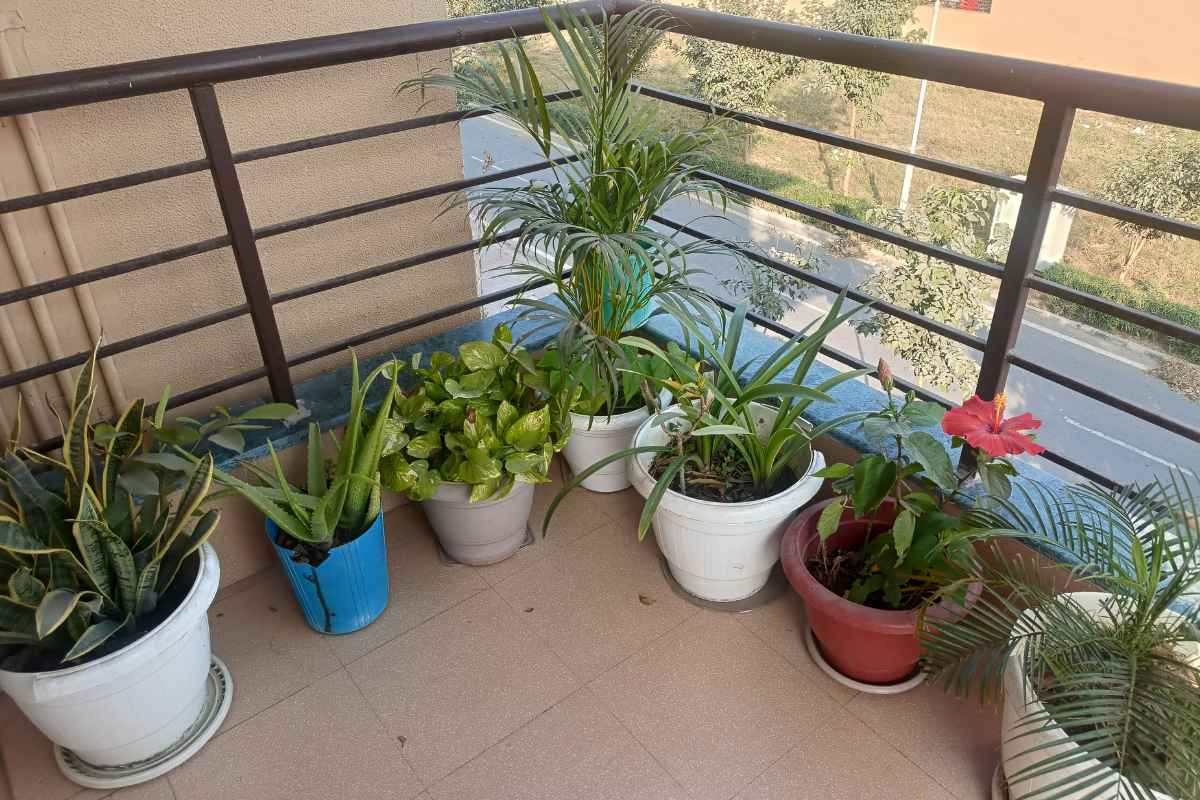
Design with two priorities: movement and sightlines. Leave a clear walking path from the door to your favorite perch. Group containers into “zones”—a cooking corner for Balcony Herb Gardens near the kitchen door, a tall-plant screen along the railing for privacy, and a sunny strip for tomatoes and peppers. Keep the tallest containers at the back to avoid shading shorter pots.
If you need inspiration, browse Apartment Balcony Garden Ideas and Patio Garden Ideas Apartment layouts—notice how successful designs use repetition (same pot style or color) to look cohesive.
Even with eclectic vessels, repeating one element—like terracotta tone or matte black planters—creates visual calm.
3) Choose Containers and Soil That Do the Work
Containers are your micro-beds. Lightweight resin or fabric grow bags are perfect for a Tiny Balcony Garden because they maximize volume without adding too much weight.
Add saucers or balcony-safe trays to catch run-off. Prioritize drainage: multiple holes and a free-draining mix prevent root rot.
Use a high-quality potting mix (not heavy garden soil). Mix in compost for nutrients and perlite for air pockets.
For food crops, add a slow-release organic fertilizer at planting, then top up with liquid feed every two to three weeks in the growing season. Good soil turns “okay” growth into lush, consistent harvests.
We invite you to read more about container plants in our article Gardening in Inches - Smart Plants for Shallow Containers
4) Grow What Earns Its Keep: Vegetables, Herbs, and Color

A productive Balcony Vegetable Garden prioritizes compact, high-yield plants: cherry tomatoes, dwarf peppers, bush beans, baby cucumbers, cut-and-come-again lettuces, and radishes.
Pair them with quick wins like arugula and Asian greens for steady salads. Herbs are the best return on space—basil, chives, thyme, mint (pot it alone), and parsley turn ordinary meals into fresh, aromatic dishes.
Don’t forget ornamental joy. Cascading calibrachoa, dwarf marigolds, or violas add color while attracting pollinators.
For renters who want easy impact, search Outdoor Balcony Plants that tolerate wind and containers, and rotate seasonal color to keep the space lively.
5) Go Vertical and Modular
When floor space is tight, walls and railings become prime real estate. Install a slim ladder shelf, stackable crates, or a pocket planter to triple capacity in minutes.
This is where Mini Garden Ideas Small Spaces shine—use narrow towers for strawberries, tiered stands for herbs, and clip-on railing boxes for flowers.
Keep modules portable. If your building restricts permanent fixtures, try freestanding grids or folding racks—classic Mini Balcony Ideas that let you rearrange with the seasons. Vertical layouts are also renter-friendly: you can take them with you when you move.
6) Watering, Feeding, and Time-Saving Routines

Balcony containers dry quickly. Finger-test daily in warm months: if the top 2–3 cm feel dry, water until it drains from the bottom.
Water in the morning to reduce evaporation. A lightweight hose or 5–10 L watering can covers most spaces. Self-watering planters help if you travel, and a simple battery-powered drip kit can automate weekends away.
Feed regularly during growth spurts. Leafy greens appreciate nitrogen, while fruiting crops want a balanced N-P-K once buds appear.
Mulch with fine bark or coco coir to slow evaporation and keep soil cooler—especially important for a Small Balcony Garden Apartment exposed to afternoon sun.
7) Keep It Tidy: Prune, Harvest, and Refresh
Healthy balconies look intentional. Deadhead flowers weekly, snip herbs from the tips to encourage bushy growth, and remove yellowing leaves promptly. Harvest small and often—baby cucumbers and cherry tomatoes taste better and keep plants productive.
Seasonal refreshes prevent burnout. In spring and fall, top-dress with compost and rotate crops: swap tomatoes for cool-season greens or edible flowers.
Periodic edits—repeating a pot color, consolidating tools in a small crate—make your garden feel curated instead of crowded.
Planting Menus for Common Balconies

Sun-Drenched Balcony: Cherry tomatoes, dwarf chilies, thyme, rosemary, and trailing petunias. Add a compact trellis behind tomatoes to save floor space.
Part-Shade Balcony: Lettuces, chard, mint, parsley, violas, and begonias. These thrive with 3–4 hours of light and reward regular picking.
Windy High-Rise: Low, heavy planters with bush beans, dwarf peppers, and hardy succulents. Use windbreaks (reed screen or mesh) behind the rail.
Ideas to Spark Your Design
Look at real-world examples to kick off creativity. Search galleries for Apartment Balcony Garden Ideas where repeating white planters and dark soil lines feel modern, or rustic looks with terracotta and wooden crates.
If you cook often, set up Balcony Herb Gardens beside the door so you can snip basil in slippers.
Working with a very small footprint? Embrace the charm of a Tiny Balcony Garden: two narrow planters stacked on a ladder shelf, plus one statement pot with a dwarf fruit or a compact tomato.
For renters with a covered porch, browse Patio Garden Ideas Apartment layouts that blend café seating with potted edibles.
Quick Planner: From Empty to Oasis
Week 1: Audit light and wind, sketch a simple plan with three zones, and list containers (two large, three medium, two railing boxes).
Week 2: Buy soil, compost, and plants. Prioritize edibles you actually eat. For a fast start, use a 60–80 L fabric bed for greens and herbs, plus a 20–30 L pot for a compact tomato.
Week 3: Install a slim shelf, add mulch, and begin a feeding schedule. Take a photo each Sunday to track growth and adjust watering or positioning.

Starter Combos for Impact
Salad Bar: Lettuces, arugula, chives, and radishes in a shallow fabric bed. Add nasturtiums for edible flowers and natural pest distraction.
Mediterranean Pot: Dwarf tomato, basil, oregano. Stake the tomato, pinch basil weekly, and enjoy caprese on repeat.
Fragrant Rail: Lavender, thyme, and trailing alyssum in a railing box—great scent and pollinator traffic.
Smart Tips for Tiny Spaces
If you only have a chair’s worth of room, collapse the plan into one vertical tower and a single 40 L pot. That’s enough to grow salads, a pepper, and a few flowers. For privacy, train a compact climber along a narrow trellis. Add a small storage stool to hide tools and fertilizer.
Whenever you feel stuck for styling, explore Outdoor Balcony Plants mixes that repeat foliage textures—glossy basil, feathery dill, and silvery thyme. That textural rhythm makes even small setups appear designed, not improvised.
Watch the Full Beginner Walkthrough
This article summarizes ideas and design principles; the full tutorial, Creating a Balcony Garden (For Complete Beginners), is by the creator credited on YouTube. For step-by-step visuals, measurements, and helpful reminders, watch the original video here:

More Gardening Tips 👇🏼👇🏼