
Watermelon Peperomia Care: Make Those Leaves Shine


Watermelon Peperomia (Peperomia argyreia) is one of the most charming houseplants you can add to your indoor collection.
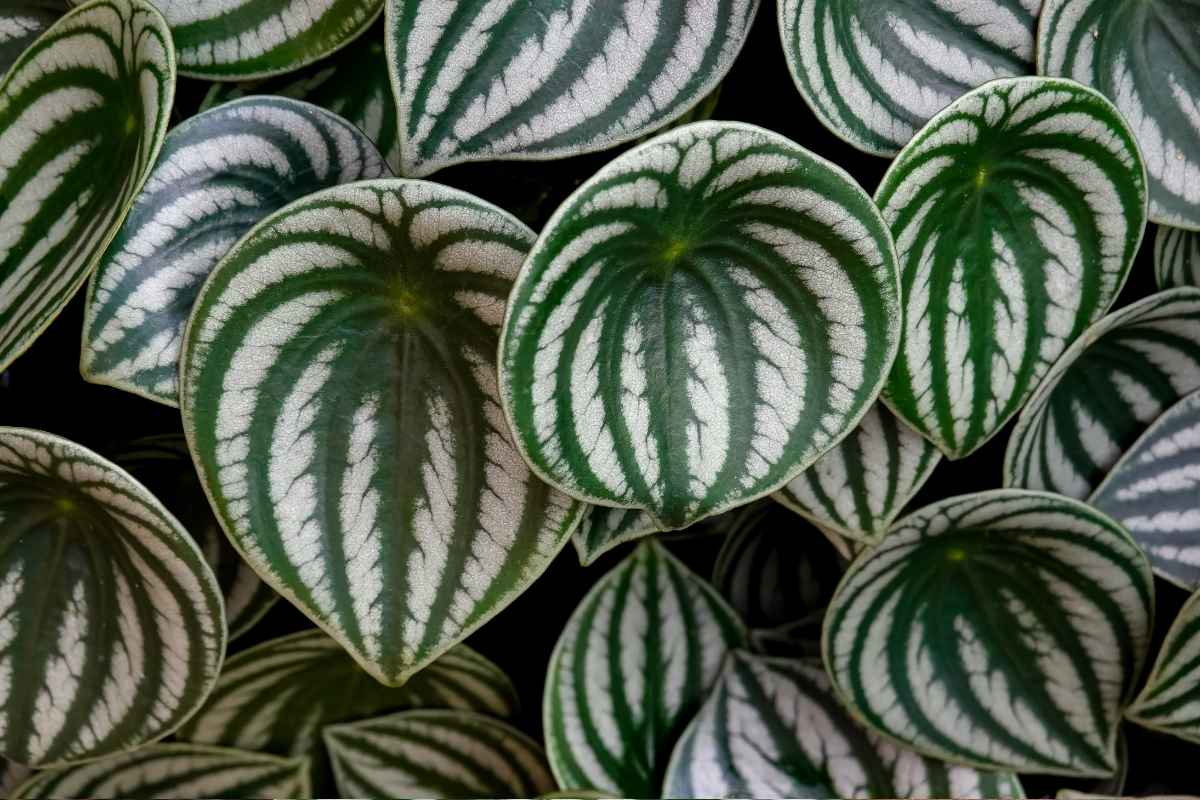
With its glossy, striped leaves that resemble the rind of a watermelon, this compact plant brings vibrant greenery and unique patterns into your home.
It’s not just about appearances though—this plant is also known for being relatively low-maintenance. With a little know-how and attention to its specific needs, you can help those striking leaves truly shine.
Let’s explore the best way to care for your Watermelon Peperomia and keep it looking healthy, happy, and full of life.
Understanding the Watermelon Peperomia
Before diving into care tips, it's helpful to know a bit about the plant itself. Native to South America, the Watermelon Peperomia is part of the Piperaceae family. It’s a tropical species that thrives in warm, humid environments and is popular for its compact size and ornamental foliage.
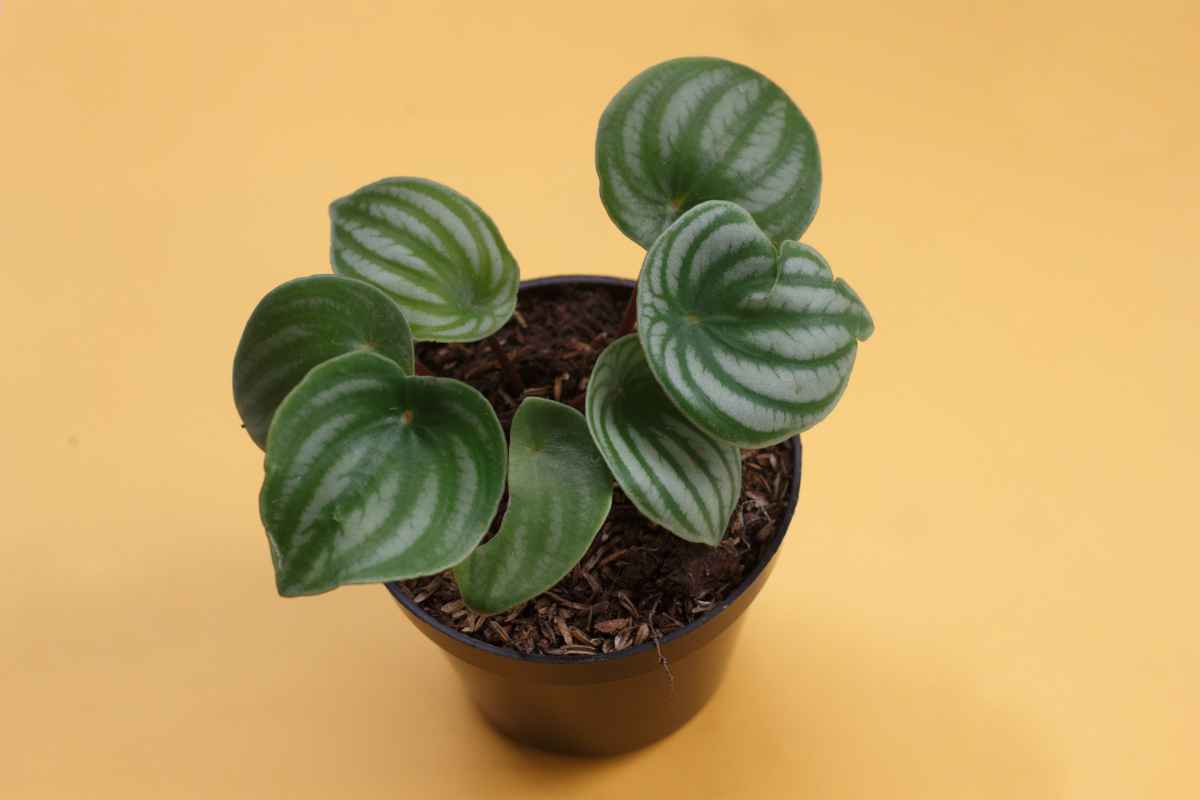
The leaves are what make this plant stand out—they’re round, slightly cupped, and decorated with alternating bands of dark and light green, mimicking the look of a watermelon. Their shiny texture makes them an eye-catching addition to any room, whether placed on a shelf, desk, or tabletop.

The Right Light for Vibrant Leaves
Light is one of the most important elements of plant care, and for Watermelon Peperomia, it can make all the difference. These plants prefer bright, indirect light. A spot near a north or east-facing window is usually ideal. Too much direct sunlight can scorch their delicate leaves, fading their vibrant stripes and causing damage.
If your space is a bit dim, don’t worry—this plant is relatively adaptable. However, in low-light conditions, its growth may slow, and the leaves might lose some of their sheen. If that happens, consider moving it closer to a brighter window or supplementing with a grow light to maintain its vivid color.
Watering: Balance Is Key
One of the easiest ways to harm a Watermelon Peperomia is by overwatering. Despite its tropical origins, this plant has semi-succulent qualities and prefers to dry out slightly between waterings. Allow the top inch of soil to dry before watering again. When you do water, give it a thorough soak, letting the excess drain out completely.
Using a pot with drainage holes is essential to prevent root rot. On the other hand, don’t let it dry out completely for extended periods. If the leaves begin to droop or curl inward, it may be a sign that your plant is thirsty.
In winter, your plant will likely need less frequent watering, so always check the soil before reaching for the watering can.
Choosing the Perfect Pot and Soil
Watermelon Peperomia doesn’t like to sit in soggy soil, so selecting the right potting mix is crucial. Go for a light, well-draining mix—a blend designed for succulents or aroids works well. You can also create your own by combining potting soil with perlite or orchid bark to improve aeration.
As for pots, avoid anything too large. This plant has a compact root system and prefers being slightly root-bound. A snug pot helps support the plant’s structure and reduces the risk of overwatering.
Boosting Humidity and Temperature
Although it adapts to average indoor humidity levels, Watermelon Peperomia appreciates a bit of extra moisture in the air. If your home is particularly dry, especially during winter, consider using a humidifier, placing a water tray near the plant, or grouping it with other plants to create a microclimate.
Keep your plant in temperatures between 65–80°F (18–27°C). Avoid cold drafts, sudden temperature drops, or placing it near heating vents, as these changes can stress the plant and affect its health.
Feeding for Health and Shine
Fertilizing your Watermelon Peperomia isn’t necessary all year long, but during the growing season (spring and summer), it benefits from a light feeding once a month. Use a balanced, water-soluble houseplant fertilizer at half strength to avoid overfeeding.
Avoid fertilizing in the fall and winter months, as the plant’s growth naturally slows down and excess nutrients can build up in the soil, potentially harming the roots.
Proper feeding not only supports healthy growth but also helps maintain those vibrant, shiny leaves that make this plant so beloved.
Pruning and Maintenance
Watermelon Peperomia doesn’t need much pruning, but occasional maintenance helps keep it looking its best. Use clean scissors to trim off any yellowing or damaged leaves, and remove spent stems to encourage new growth.
If the plant becomes leggy, especially in lower light, you can pinch back the tips to promote bushier growth. The good news? This plant stays relatively compact and doesn’t outgrow its space quickly, making it perfect for small rooms or apartment living.
Repotting: Less Is More
Unlike many other houseplants, Watermelon Peperomia doesn’t require frequent repotting. In fact, repotting too often can stress the plant. Aim to repot every 2–3 years or when you notice the roots becoming overcrowded.
When repotting, choose a pot that is only one size larger than the current one, and always refresh the soil to give the plant a nutrient boost.
Troubleshooting Common Problems
Even with the best care, you may occasionally run into issues. Here are a few common problems and how to address them:
Droopy Leaves: Check the soil moisture—either overwatering or underwatering could be the cause.
Faded or Scorched Leaves: Likely too much direct sunlight. Move the plant to a spot with filtered light.
Yellowing Leaves: Could be due to overwatering, poor drainage, or low humidity.
Pests: Though generally pest-resistant, keep an eye out for mealybugs or spider mites. A gentle wipe with insecticidal soap usually solves the issue.
Observing your plant regularly helps catch problems early so you can keep it thriving.
Shine On, Little Peperomia
Watermelon Peperomia is more than just a pretty face. With its compact size, striking foliage, and relatively easy care routine, it's a fantastic choice for both beginners and experienced plant lovers.
By offering the right balance of light, moisture, and attention, you’ll not only keep your plant healthy—you’ll also ensure that those signature striped leaves shine year-round.
So next time you pass by your Peperomia, take a moment to admire its shimmering patterns and vibrant color. A little daily care goes a long way in helping this beautiful plant truly glow.
Did you find this post useful or inspiring? Save THIS PIN to your GARDEN Board on Pinterest!

More Gardening Tips 👇🏼👇🏼