
When Is the Best Time to Water Plant?


The Best Time to Water Your Plants in the Summer
Drive around the neighborhood on a hot summer day and you will see many ways to water your plants. Some homeowners break the hose at the end of the workday, while others schedule the automatic sprinklers to run at dawn for 15 minutes a day; however, others imagine plants having a drink every time children decide it is time to play with the sprinkler. However, scheduling your watering will not only lead to healthier plants, but it can also save on your water bill.
Morning vs. Evening Watering
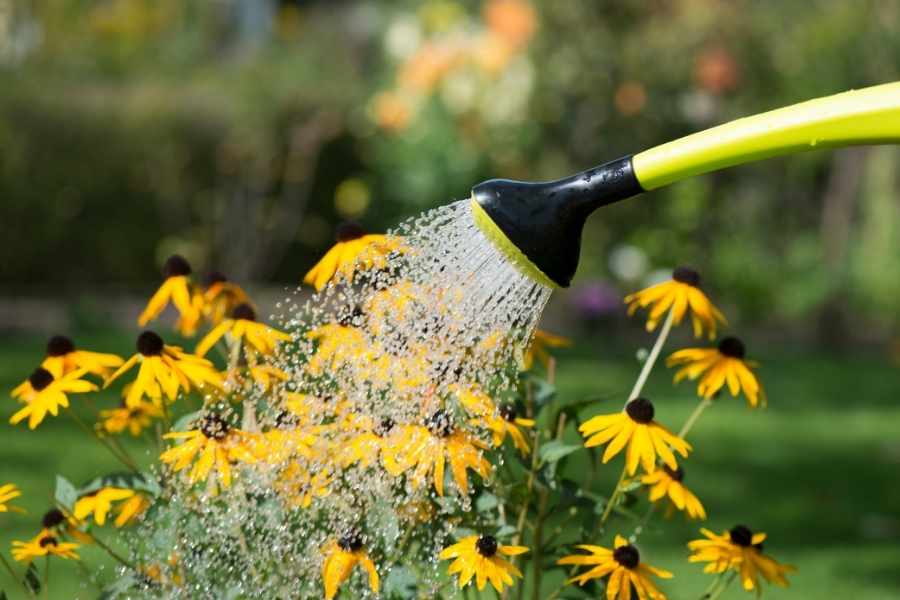
There is a lot of talk about watering in the morning compared to water in the evening. What time is better? The answer is, it depends. In general, it is advisable to administer water from an overhead device such as a sprinkler or rain wand in the morning.
This allows the foliage to dry out quickly, preventing fungal spores from acquiring the leaves. However, not everyone has time to hang out in the backyard at 6 a.m. between taking the dog for a walk and taking the kids to daycare. If the evening is your gardening time, it's okay to water your plants if you're careful to bring the water directly to the root zone, where the plants need it most.
How to Deal With Wilted Plants
Watching your favorite hibiscus or peony fall on a hot day can be like an alarm going off in your body. Wilting makes plants appear to be on the brink of death, and in some cases, they may be.
However, other things can cause wilting, including pest and disease problems and even overwatering. Also, plants may wilt on a hot day to cope with the temperature, but return when the night turns cool.
You can recheck your plants in the evening and determine if the wilt was due to temporary heat stress before watering. Over time, you will get to know your plants and recognize those that respond to heatwaves in this way.
Annual and Perennial Plants
Knowing whether your plants are annuals or perennials is a key factor in deciding when to water your plants during a heatwave.
Annual plants are plants that end their entire life cycle in one growing season. This includes garden favorites like marigolds, impatiens, and pelargoniums. These plants have very shallow root systems and will suffer when the first few inches of soil dry out in summer. You should water them frequently, even daily when the mercury increases.
Perennials have deeper root systems that allow them to survive dry spells from one season to the next. Some perennials, such as butterflies and false indigo, have main roots that extend several inches into the ground, taking advantage of water reserves during periods without rain.
The best time to water perennials is once or twice a week, slowly and deeply, so that the water doesn't run off before it has time to sink into the soil. A rain gauge can be helpful; many plants grow on about an inch of water a week.
Container Plants
When it comes to potted plants, waterworks almost like fertilizer - well-watered plants grow lush, while plants that survive only on watering are stunted and wasted. During the summer, the rules about when to water are less important for potted plants.
The best time to water maybe twice a day, once in the morning to give the plants a boost before the sun begins to roast, and once at night to replenish what the day has taken. The smaller the container, the more you'll fill the watering can so choose pots that are at least 18 inches in diameter.
Vegetable Gardens
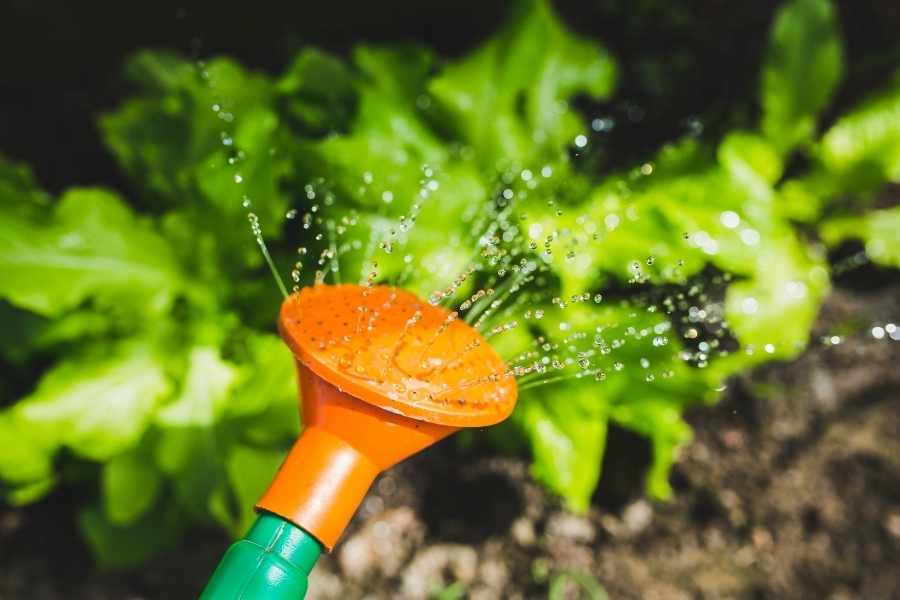
There are no drought-tolerant vegetables. Neglecting to water your garden can lead to flower drop, stunted vegetable growth, or even plant death. Vegetable plants that need the most water during hot flashes are cauliflower, celery, cucumber, bell peppers, radishes, and squash. These plants require always moist soil to produce the best harvest.
Use drip irrigation or hose down the base of your plants to avoid wetting the leaves. If you need sprinklers, water early in the morning to allow the sun to dry out the foliage.
Trees and Shrubs
Don't be fooled into thinking that a passing rain has given your trees and shrubs an adequate amount of water - when it comes to long-lived plants like these, you need to water deeply to encourage a healthy root system.
Sometimes the best time to water your trees and shrubs is right after a light rain, to take advantage of the soil moisture and drive it to deeper levels. The time of day is not as important as achieving a full immersion. Attach a hose to the base of the bush or tree and let it run until the first eight inches of soil is moist.
Water newly planted specimens at least twice a week during heatwaves, as their root systems are small and still developing. Shallow-rooted specimens such as hydrangeas, dogwoods, Japanese maples, and magnolias will need additional water to prevent dehydration. Continue watering throughout the fall to prepare the plants for a healthy winter slumber.
Enjoy This Video Tutorial About The Best Tume to Water Your Plants is
Source: Gardening In Canada
Did you find this post Useful or Inspiring? Save THIS PIN to your GARDENING Board on Pinterest! 😊
Once again, thank you for visiting our website!
We hope you've enjoyed exploring the content we've created for you.
Give yourself the chance to learn, get inspired, and have even more fun, keep browsing...
More Gardening Tips 👇🏼👇🏼