
How to Grow Cucumbers from Seed

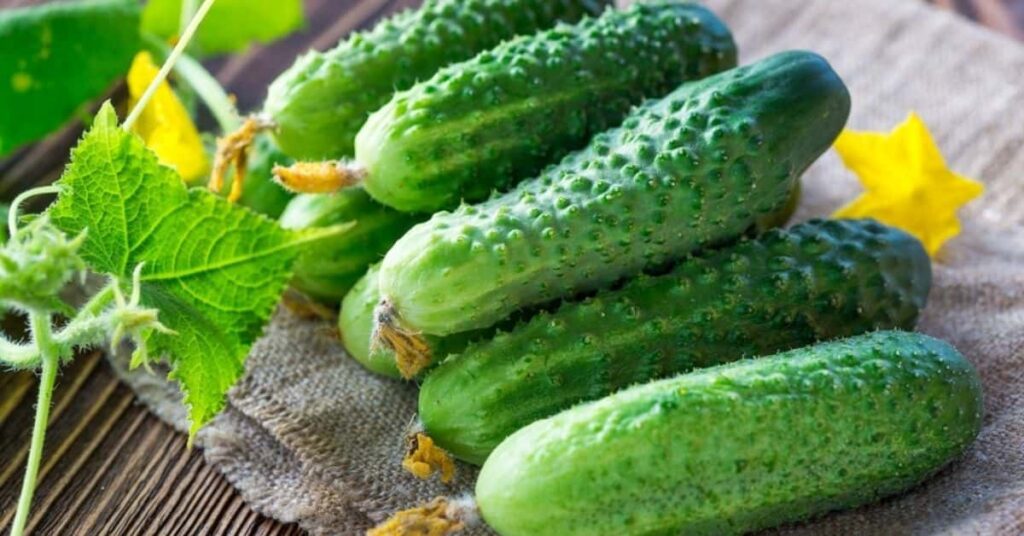
Growing cucumbers from seed is one of the most rewarding experiences in the garden.
These crisp, refreshing vegetables thrive in warm weather and, with the right care, can produce an abundant harvest.
Whether you’re planting in a backyard bed or in containers on your patio, cucumbers grown from seed taste fresher and often adapt better to your local conditions than store-bought plants.
Choosing the Right Variety
Before planting, think about how you plan to use your cucumbers and the space you have available. Here are the main options:
Slicing cucumbers – Ideal if you want large, juicy slices for salads and sandwiches.
Pickling cucumbers – Shorter and crisper, designed specifically for preserving.
Bush cucumbers – Compact plants that grow well in containers or small gardens.
Vining cucumbers – Vigorous plants that need more space or a trellis but usually produce higher yields.
When shopping for seeds, it’s always a good idea to look for disease-resistant varieties.
This will make your crop stronger and save you a lot of trouble later in the season.
Preparing Your Soil

Cucumbers need warmth and fertile soil to thrive.
Wait until the ground has warmed to at least 65–70°F (18–21°C) before planting outdoors; otherwise, germination will be poor.
They grow best in loose, well-drained soil that has been enriched with compost or well-rotted manure.
A pH between 6.0 and 7.0 is ideal. Because cucumbers love sunlight, choose a location where they will receive at least six to eight hours of direct sun every day.
Planting Cucumber Seeds

Once the soil is ready, it’s time to plant.
Direct sowing is the easiest method: place the seeds about half an inch to one inch deep and keep them spaced so that each plant has room to grow.
If your growing season is short, you can also start seeds indoors about three to four weeks before the last frost, then transplant them carefully once the weather has warmed.
Be gentle when moving young seedlings, as cucumber roots are delicate and can be damaged if disturbed too much.
Caring for Young Plants

Consistent watering is one of the most important aspects of growing cucumbers.
The soil should stay evenly moist, but not soggy. Aim for about an inch of water per week, and try to water at the base of the plants to avoid wetting the leaves, which can encourage disease.
A layer of mulch around the base of the plants will help retain moisture and keep the developing cucumbers clean.
As the vines begin to spread, a light application of fertilizer or compost will provide the nutrients they need to keep growing vigorously.
Supporting Your Cucumbers
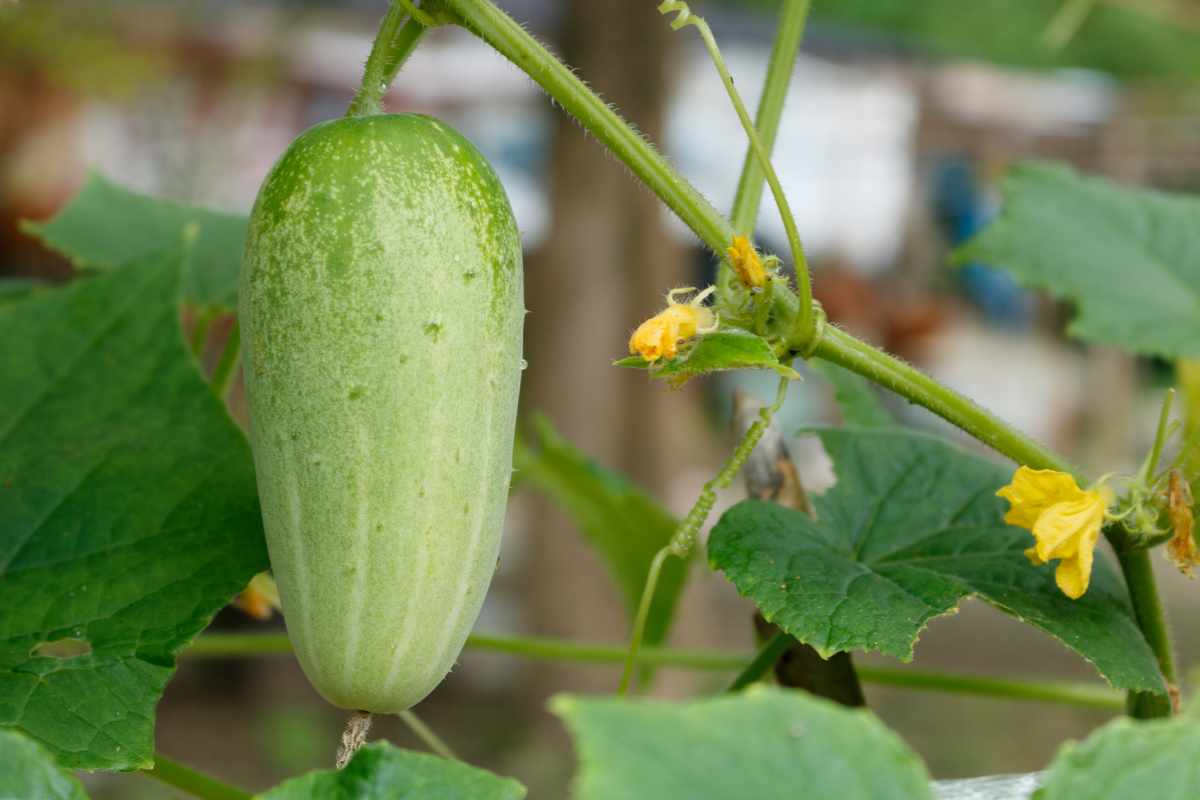
Although some cucumber varieties can grow directly on the ground, most benefit from some form of support.
A trellis or simple netting will help the plants climb upward, saving space in your garden and keeping the fruits off the soil.
This not only makes harvesting easier but also reduces the risk of rot and pest damage.
Bush cucumbers can manage without support, but even they will benefit from being kept tidy with mulch and careful spacing.
Common Problems and How to Prevent Them

Like many vegetables, cucumbers can face pests and diseases.
Aphids, cucumber beetles, and spider mites are common visitors, while powdery mildew and bacterial wilt are among the diseases that often appear.
Prevention is key: good air circulation, crop rotation, and avoiding overhead watering will go a long way toward keeping your plants healthy.
If problems do appear, organic solutions such as insecticidal soap or neem oil can help manage pests without harming beneficial insects.
Harvesting at the Right Time

Cucumbers grow quickly once the fruits start developing, so it’s a good idea to check the plants daily. For slicing cucumbers, pick them when they are about six to eight inches long.
Pickling cucumbers are usually harvested earlier, at three to four inches. Use a sharp knife or scissors to cut the fruit from the vine instead of pulling, which can damage the plant.
Regular harvesting encourages the vine to keep producing, so the more you pick, the more cucumbers you’ll enjoy.
Enjoying and Storing Your Cucumbers
Freshly harvested cucumbers taste their best straight from the vine, but they can be stored in the refrigerator for about a week.
If you end up with more cucumbers than you can eat, consider preserving them through pickling or fermentation.
This way, you’ll enjoy the fruits of your garden long after the season ends.
Enjoy This Video Tutorial About Planting Vegetables
Source: Project Diaries
Don’t forget to Subscribe to our Newsletter to receive amazing tips and tricks about Gardening and the FREE Ebook Green Living Strategies!
Did you find this post Useful or Inspiring? Save THIS PIN to your GARDENING Board on Pinterest! 😊

Once again, thank you for visiting our website!
We hope you've enjoyed exploring the content we've created for you.
Give yourself the chance to learn, get inspired, and have even more fun, keep browsing...
More Gardening Tips 👇🏼👇🏼